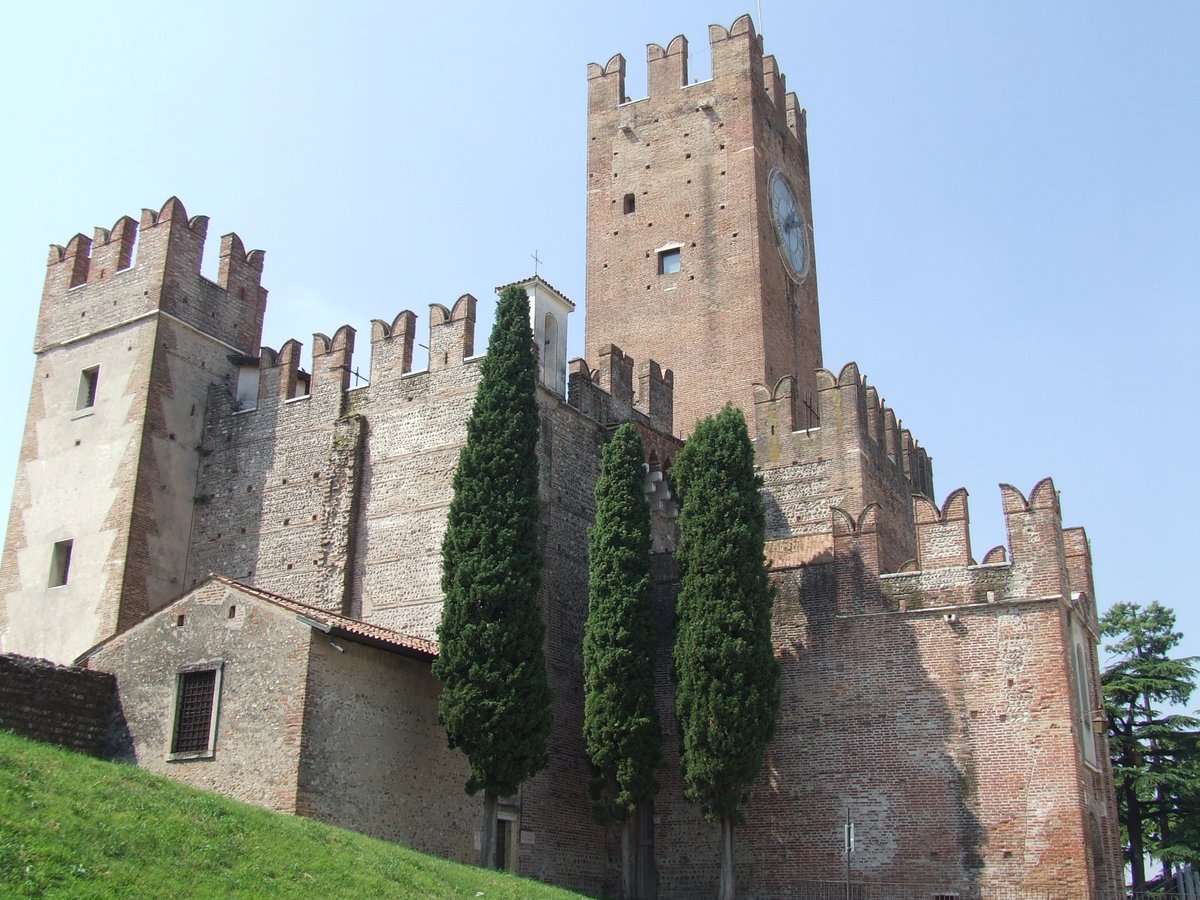

Why would a castle sit so prominently in the middle of a plain? In the 13th century, the Comune di Verona pursued a policy of reorganizing the countryside. They didn't just want a fort; they wanted a master plan for settlement. The city granted tax and legal exemptions to encourage people to inhabit marginal areas, then built this fortress as part of a deliberate project to stabilize the settlement and control the territory.
The site of Villafranca was chosen for its strategic position along the routes connecting Verona and Mantua. The foundation of the settlement and the construction of the castle were inseparable elements of the same political project. This planning allowed for the establishment of a fortified village in an area characterized by scattered settlements and transforming land layouts.
With the rise of the Scaliger signoria, the castle underwent improvements and reorganization that defined its main layout. It was integrated into the Serraglio, a vast territorial infrastructure between the Mincio and the Adige. This was a complex system of embankments, ditches, regulated watercourses, and towers. The castle of Villafranca served as a vital node in this system, providing military, fiscal, and road control along important communication routes.
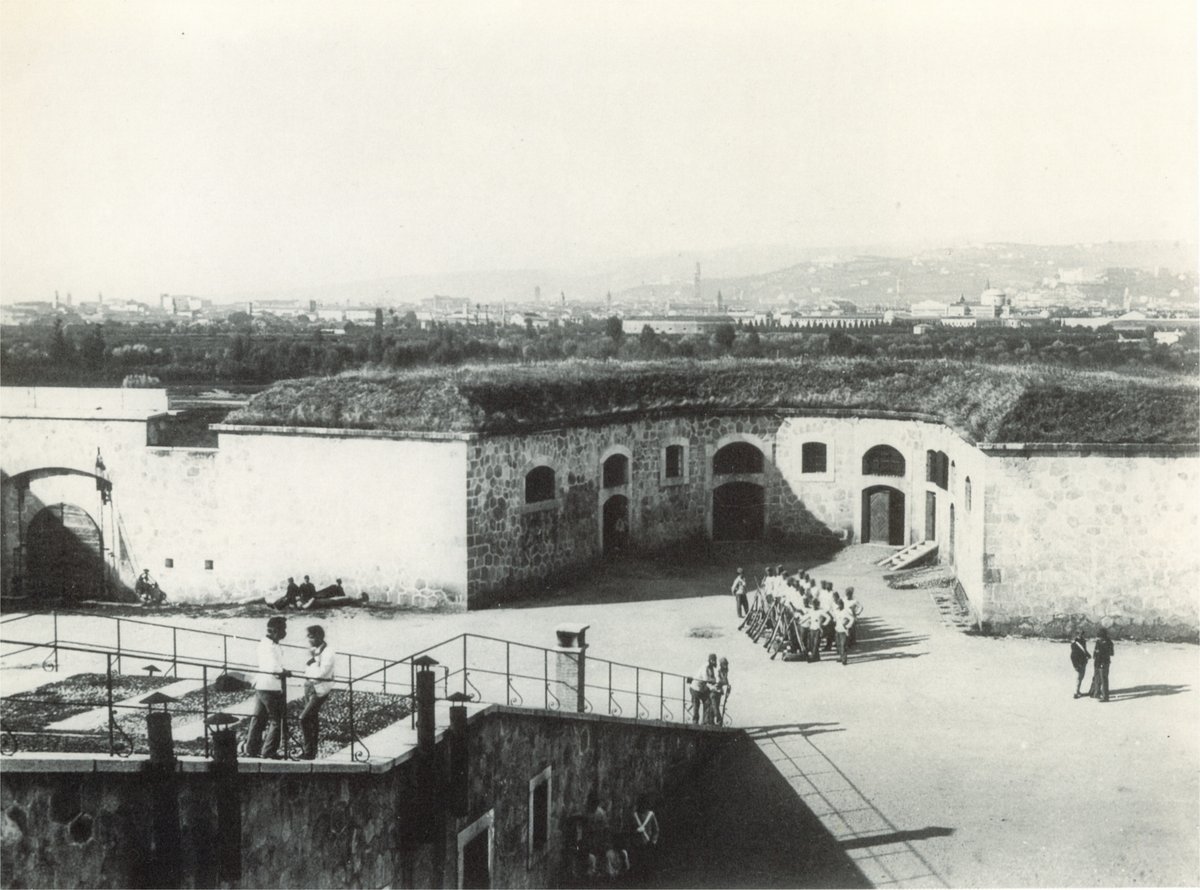
Today, the castle is partially preserved within the urban fabric of Villafranca di Verona. Significant sections of the curtain walls and several towers remain, allowing the medieval layout to be recognized despite centuries of transformations. At the base of the keep tower, a stone element with a Roman inscription remains, reused as building material to reflect the appropriation of ancient materials in medieval architecture.
Sources: Wikipedia, OpenStreetMap, Wikidata, Wikimedia Commons
Written by Nicolo Ciampini
Discuss this with the author and others
No comments yet. Be the first to start the conversation.