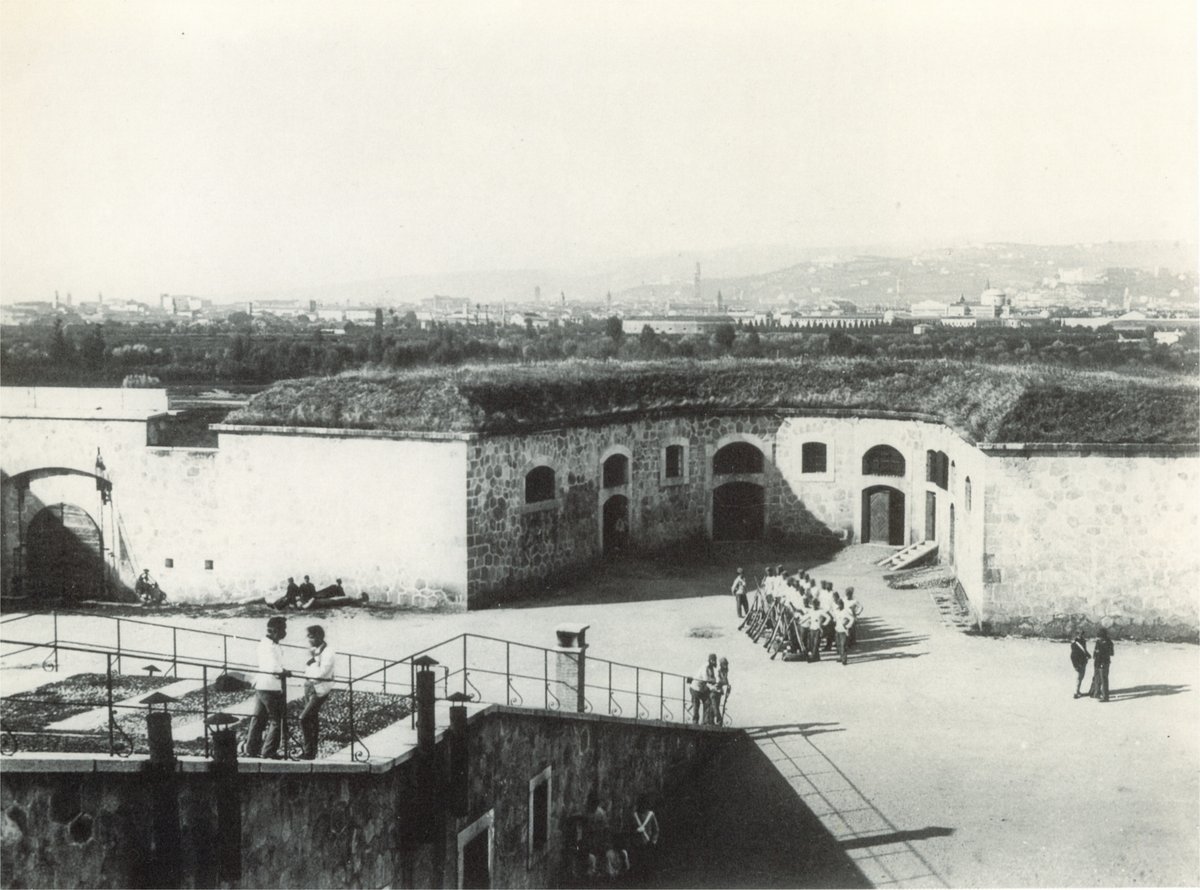

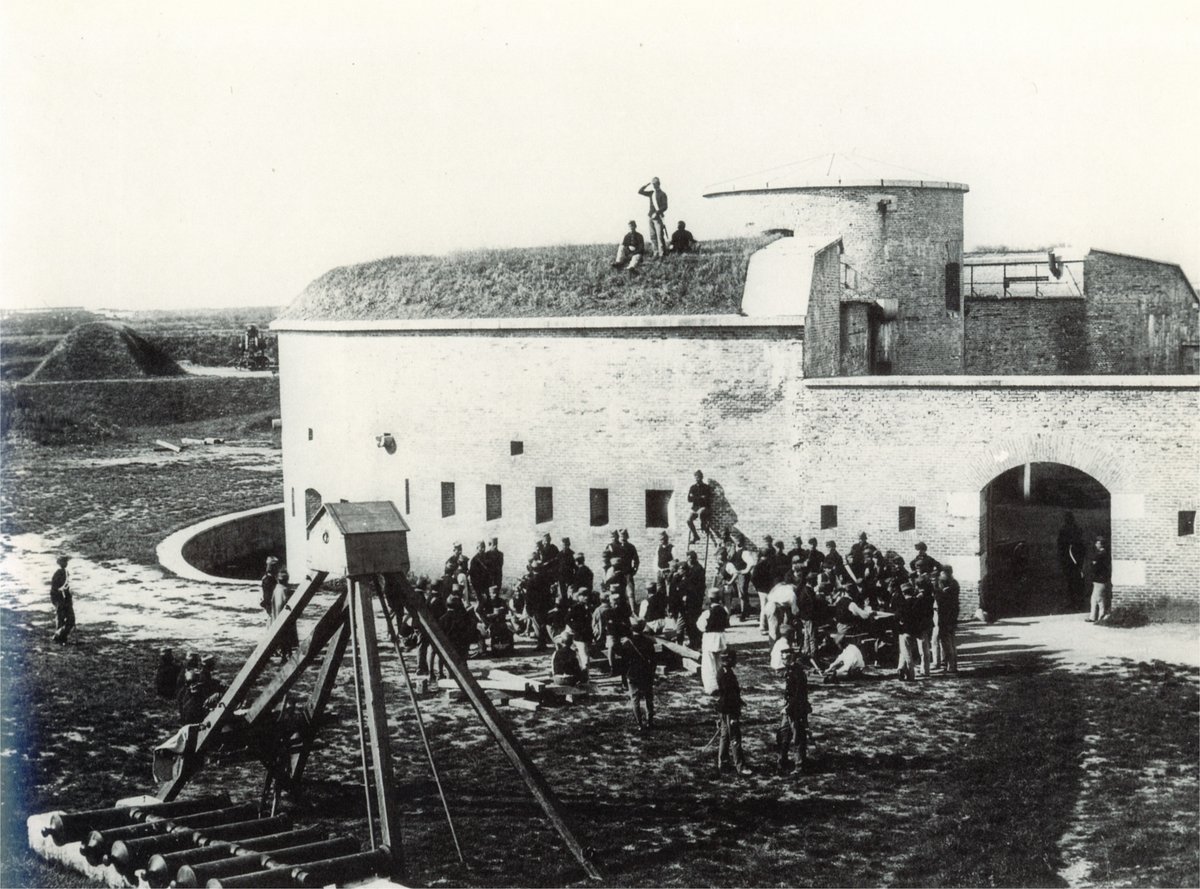
Why does this heap of stone and dirt look like it grew out of the riverbank? It was intentionally designed to blend in with the natural environment. Built between 1850 and 1852, Forte Santa Caterina was a masterpiece of military design, sitting on a cliff over the Adige. It served as a strategic anchor for Verona's first field of trenches and functioned as an offensive bridgehead for combat units to launch sorties against the enemy.
Was the fort a complex machine of defense? It was a complex machine, accurately studied in its tactical aspects and realized with majestic architectural forms. Its artillery exercised an extensive domain over the surrounding countryside, covering the river's opposite banks, the nearby roads to Legnago and Zevio, and the San Pancrazio bend. It remained active during the war of 1866, proving the design was effective over a decade after it was finished.
Has life been kind to this structure since the military left? It became a school for miners in the years between the world wars, and the repeated mining operations began to dismantle the walls. Then a munitions depot exploded at the end of the second world war. Following a period of abandonment, the fort was used as a motocross track in the 1970s, which produced further damage and tampering.
Does the scale still impress? In the parts still preserved, the quality of the stone cutting stands out, particularly in the tuff walls in polygonal masonry that clad its powerful structures. Rustic walls, with a construction of inclined pebbles, covered the counterscarp walls of the caponier and the ears.
Sources: Wikipedia, OpenStreetMap, Wikidata, Wikimedia Commons

Written by Nicolo Ciampini
Discuss this with the author and others
No comments yet. Be the first to start the conversation.