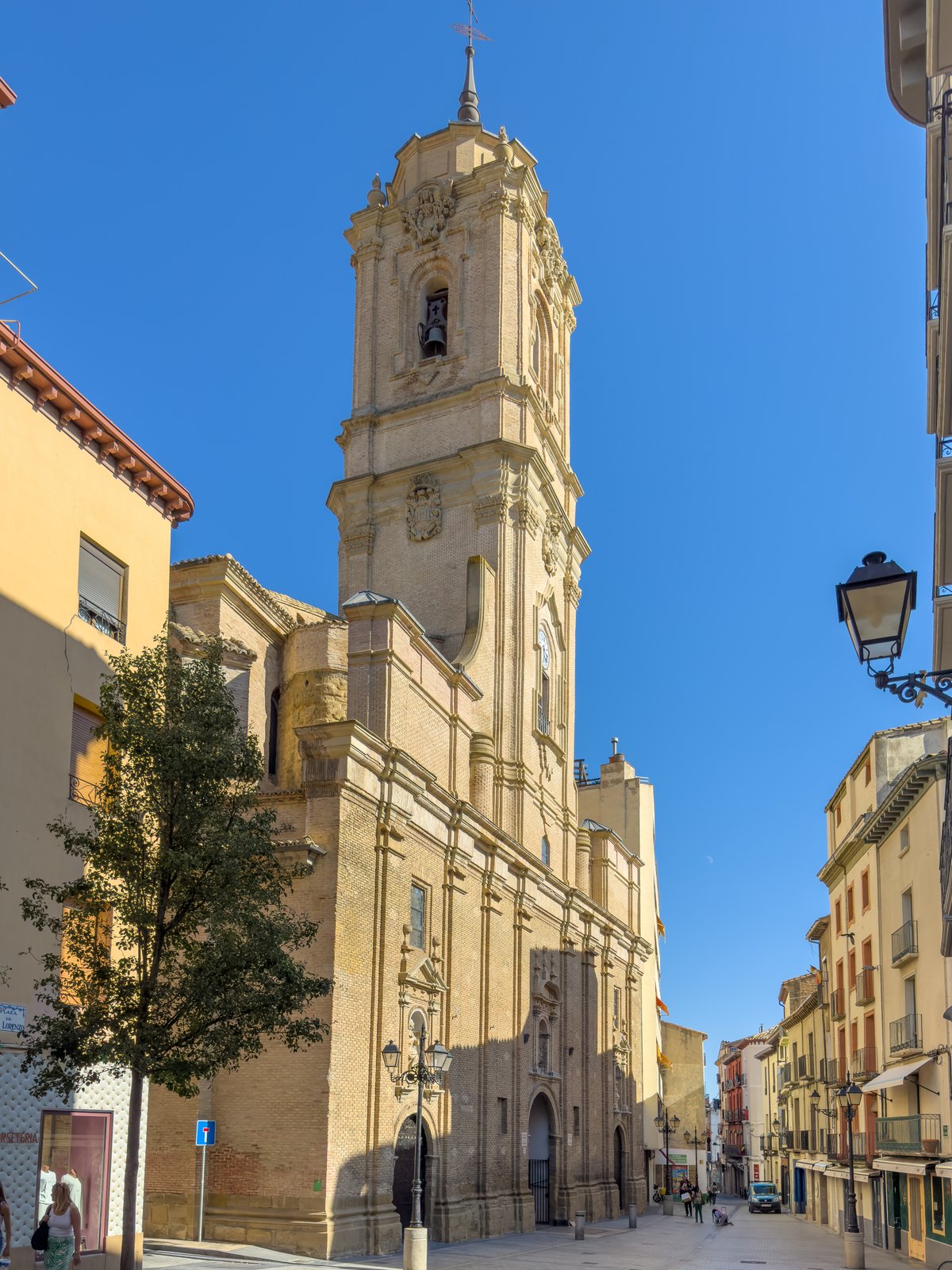

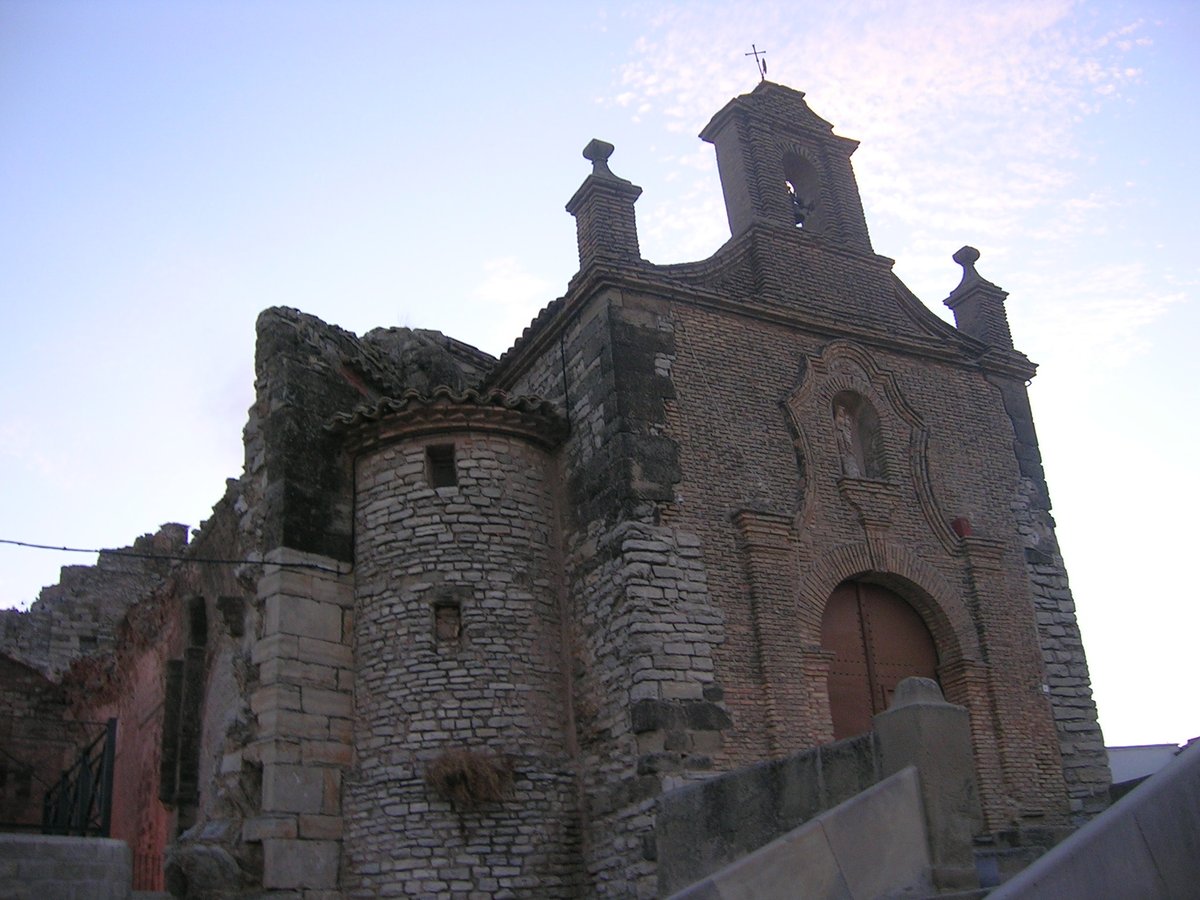
The brick facade of the Real Basílica de San Lorenzo was designed in the 18th century by José Sofí with a very specific shape. It is built like an inverted rack - the tower resembles a handle and the side rows of brickwork look like iron grates. The central section corresponds to the entrance, above which rises the tower, which belongs to the old building.
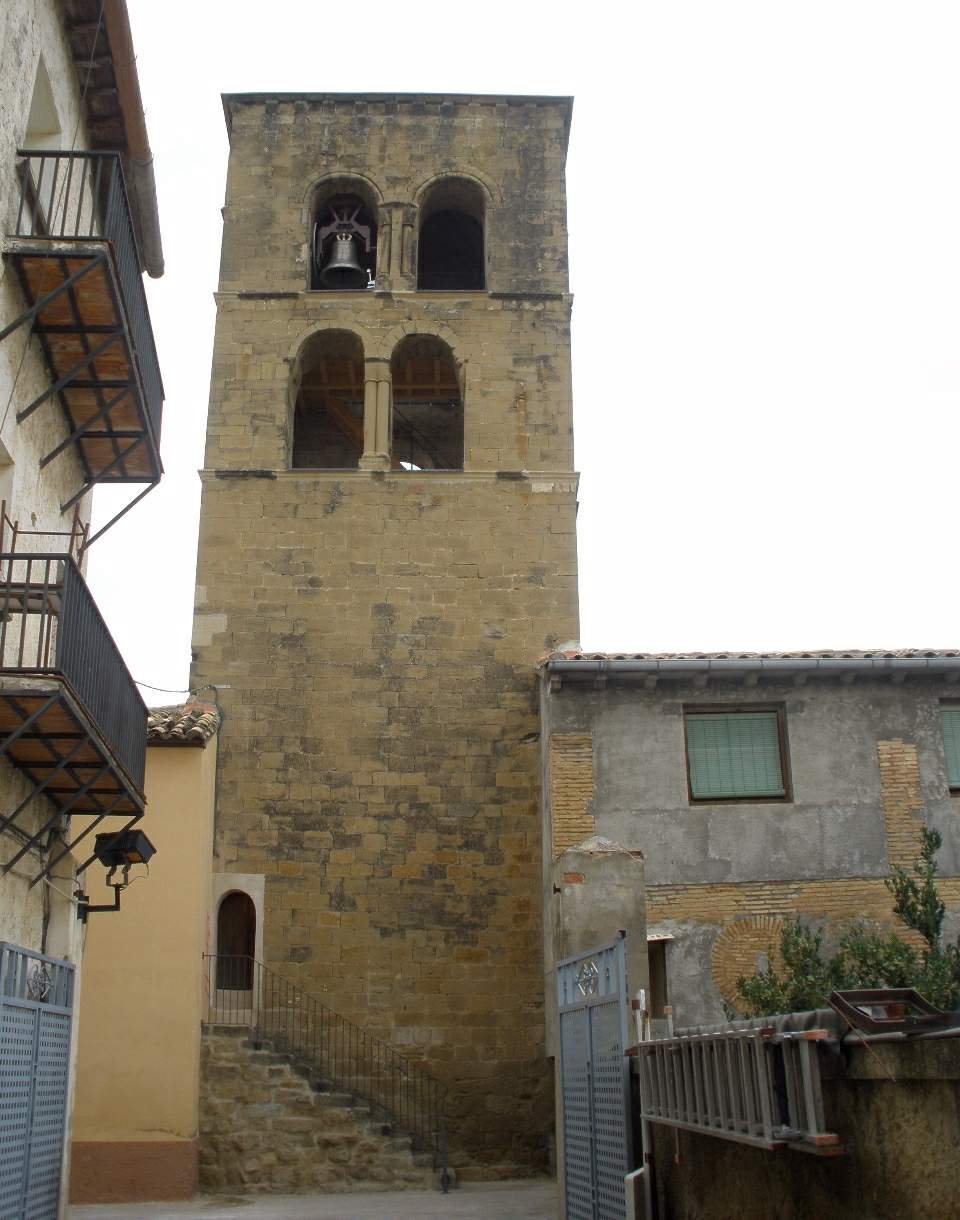
Before the current structure stood here, the site held a small Romanesque temple. That structure was later expanded in the 14th century into a building with a Gothic layout during the reign of Jaime II de Aragón. If you look closely at the tower, the main altarpiece, or the atrium, you can still see vestiges of those medieval elements.
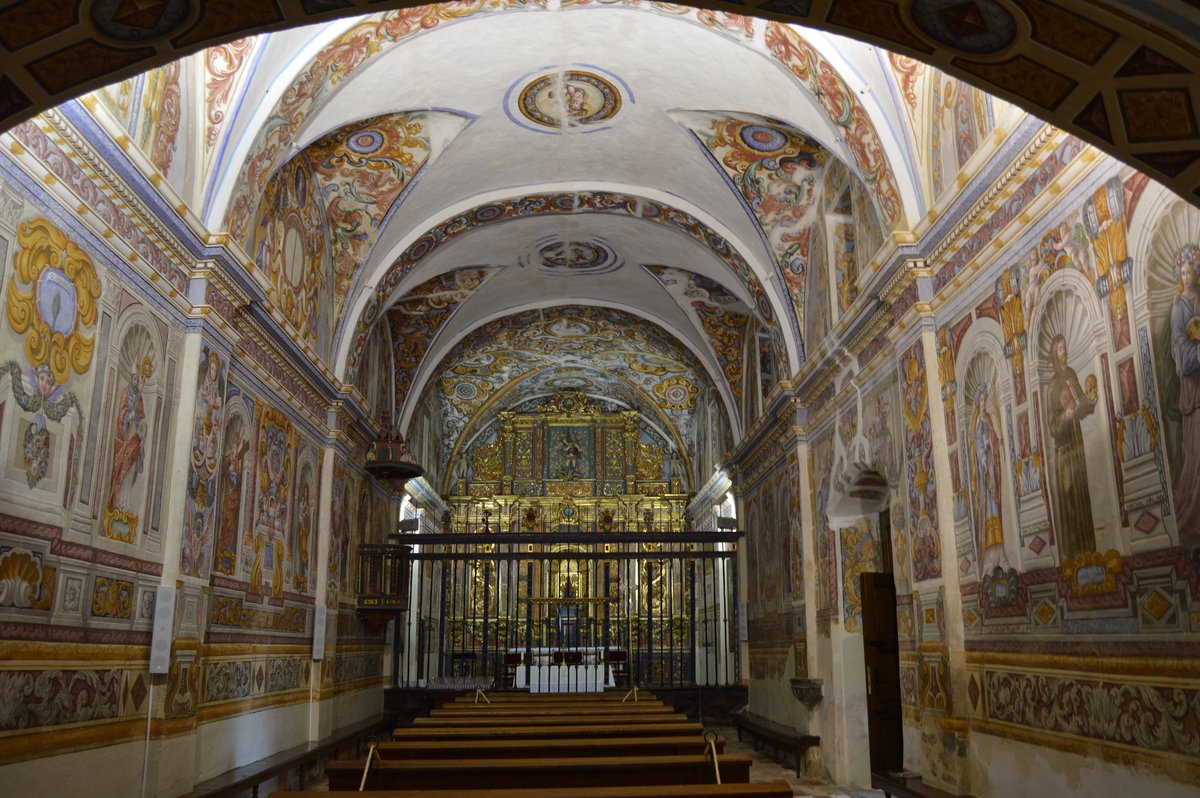
Inside, the building is a hall plan with three naves of the same height, divided into four sections by cruciform pillars covered by lunette vaults. A large dome over the transept dates from 1723 and presides over an interior lit by semi-circular openings with stained glass. In the sacristy, a 16th-century silver bust of San Lorenzo is kept. Every 10 de agosto, he goes out accompanied by the Danzantes in a procession to the Cathedral. The sacristy also contains several paintings by Antonio Bisquert representing the life of San Lorenzo.
Sources: Wikipedia, OpenStreetMap, Wikidata, Wikimedia Commons
Written by Nicolo Ciampini
Discuss this with the author and others
No comments yet. Be the first to start the conversation.