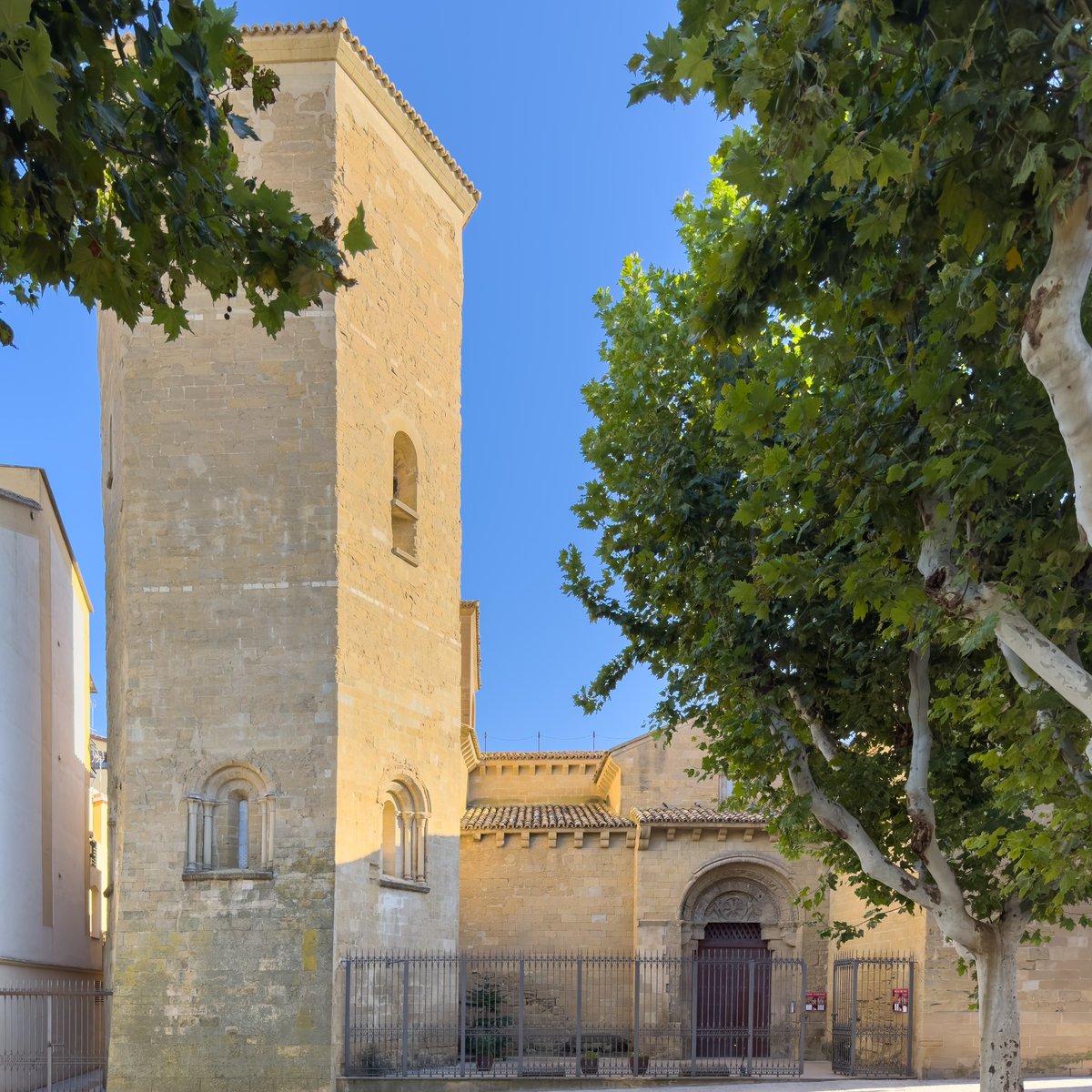

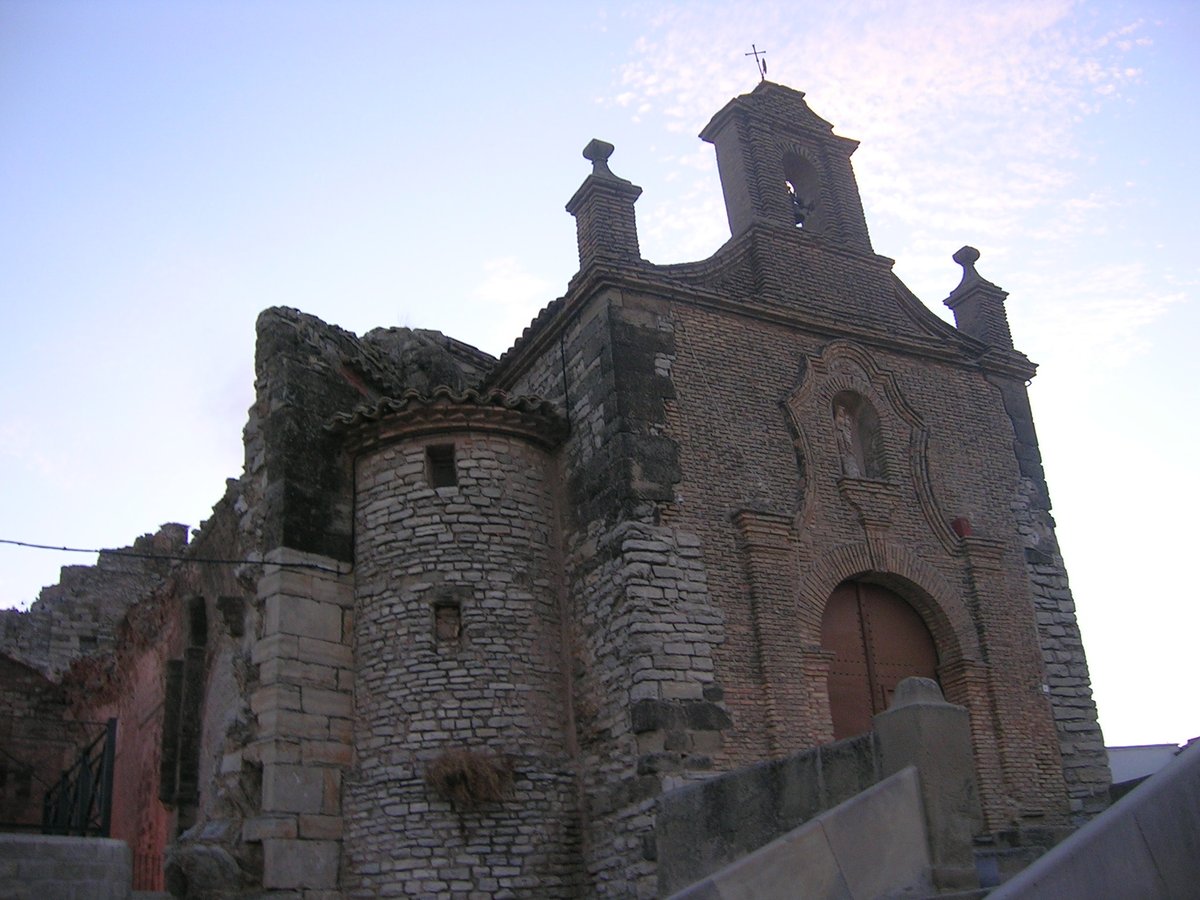
The Abbey of San Pedro el Viejo, in Huesca, Aragon, Spain, is a former Benedictine monastery that has stood since the 12th century. The name "San Pedro el Viejo" refers to the fact that the Visigothic monastery building that was given to the Benedictines predated the Moorish occupation. The abbey has been a national monument since 1886 and is one of the most important buildings for the Romanesque architecture of Aragon. It celebrated the 900th anniversary of its construction in 2017. The former chapter room has served as the Chapel of San Benito or Royal Pantheon since the 13th century and contains the tombs of two kings of Aragon: Alfonso I, the Battler, and his brother and successor Ramiro II, the Monk.
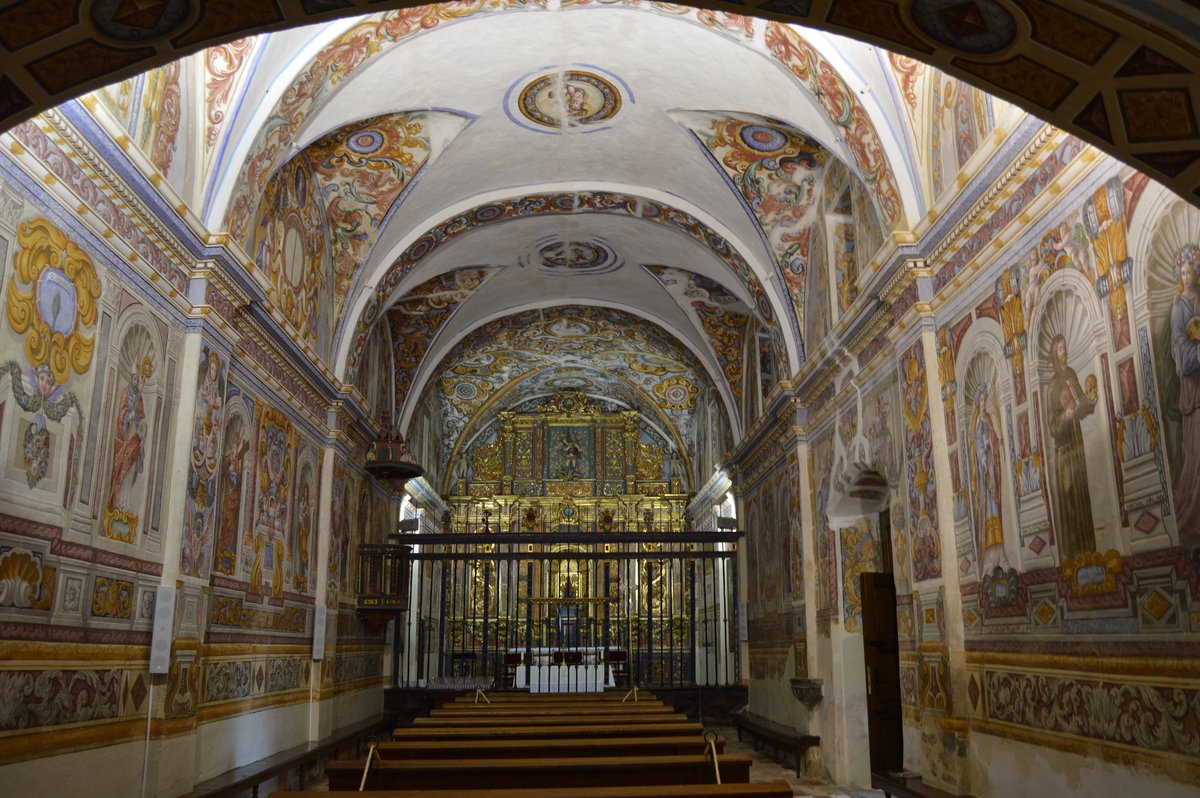
Today’s visitor will be greeted with artwork from different time periods. The polychrome wood altarpiece, created by Juan de Ali in the early 17th century, takes center stage, with surrounding chapels showcasing works from the 16th, 17th and 15th centuries. These include the Renaissance altarpiece of the Virgin of Hope, the Baroque altarpiece of Saints Just and Pastor, and the Gothic altarpiece of the Annunciation. The 13th-century murals and 17th-century wooden choir stalls complete the ensemble.
The abbey has a prominent presence in Spanish culture, as it was featured in Javier Sierra’s novel The Invisible Fire, which won the Premio Planeta de Novela.
Sources: Wikipedia, OpenStreetMap, Wikidata, Wikimedia Commons
Written by Nicolo Ciampini
Discuss this with the author and others
No comments yet. Be the first to start the conversation.