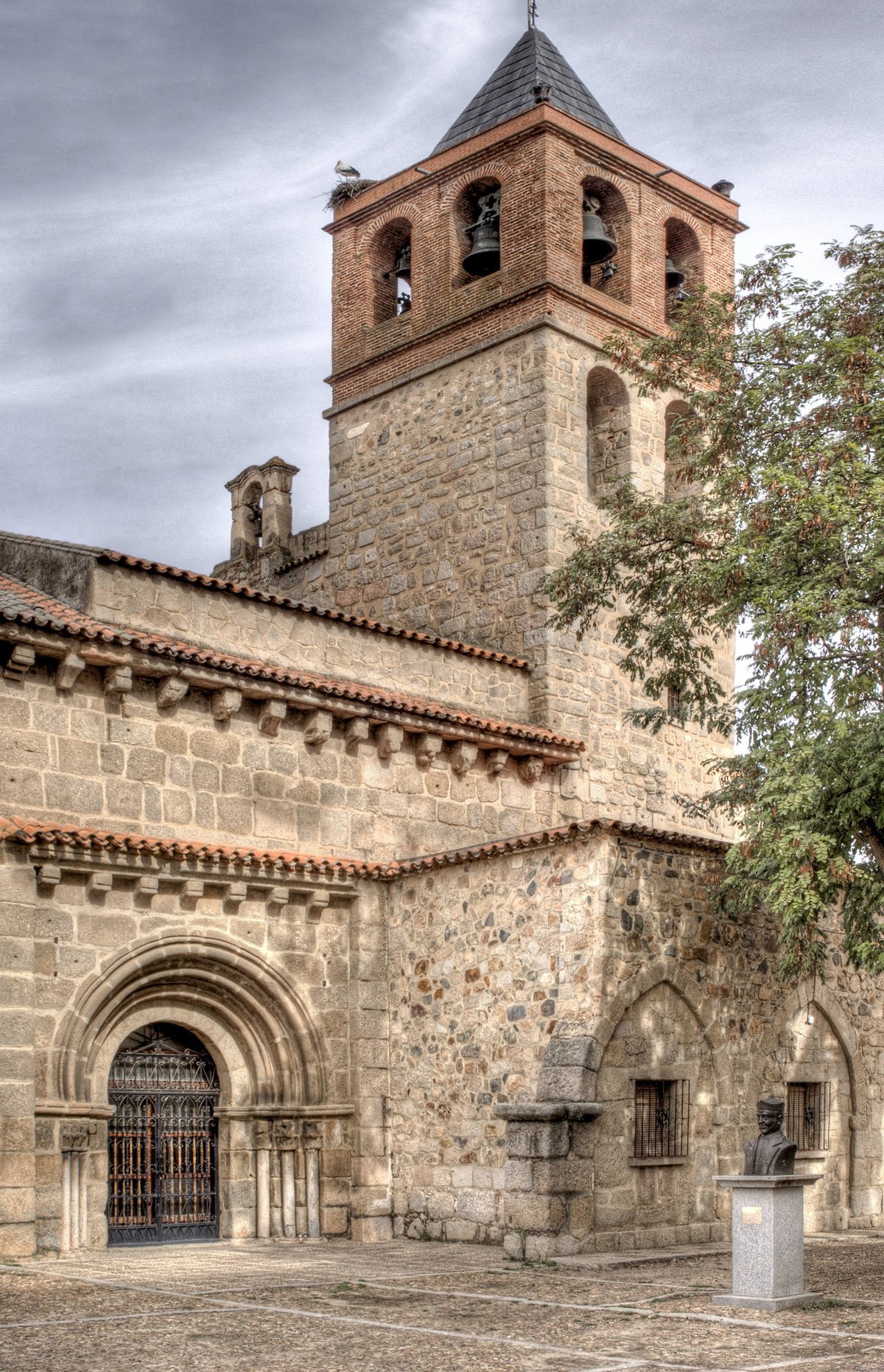

The Basilica of Saint Eulalia, located in Mérida, Spain, holds a key role in the origins of Christianity in the Iberian Peninsula. This historic building is believed to be the first Christian temple constructed in Spain following the Peace of Emperor Constantine. It was built as a Basilica Martyr in memory of Eulalia of Mérida, who became a symbol of martyrdom and is a popular pilgrimage destination even today. Over the centuries, the basilica has undergone numerous transformations and adaptations.
In the 13th century, the building was reconstructed under the Order of Santiago as their cathedral church, and it remained part of the Patrimony of the Holy See until the late 19th century. It is now a property of cultural interest with the status of a monument. However, what lies beneath the basilica is worth exploring as much as the structure above. Hidden underground, the original structure of the 5th-century Roman mausoleum still stands. Visitors can venture into the crypt, built on the site where Eulalia suffered martyrdom and originally serving as a tomb for the Roman elite.
The crypt also holds the famous 'Hornito,' a votive chapel built over a Roman temple dedicated to Mars, and featuring the inscription 'MARTI SACRVM VETTILLA PACVLI.'
Sources: Wikipedia, OpenStreetMap, Wikidata, Wikimedia Commons
Written by Nicolo Ciampini
Discuss this with the author and others
No comments yet. Be the first to start the conversation.