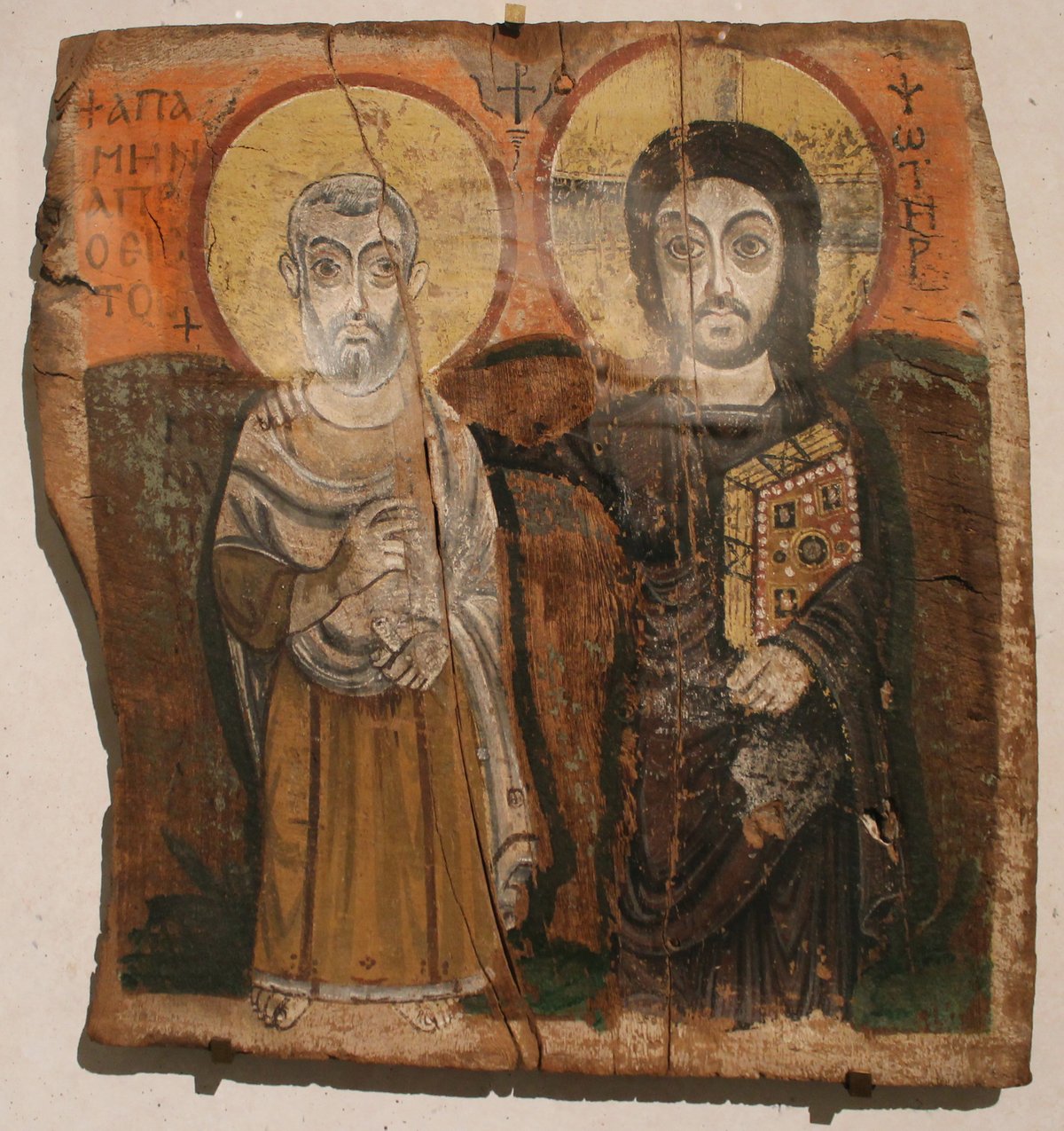

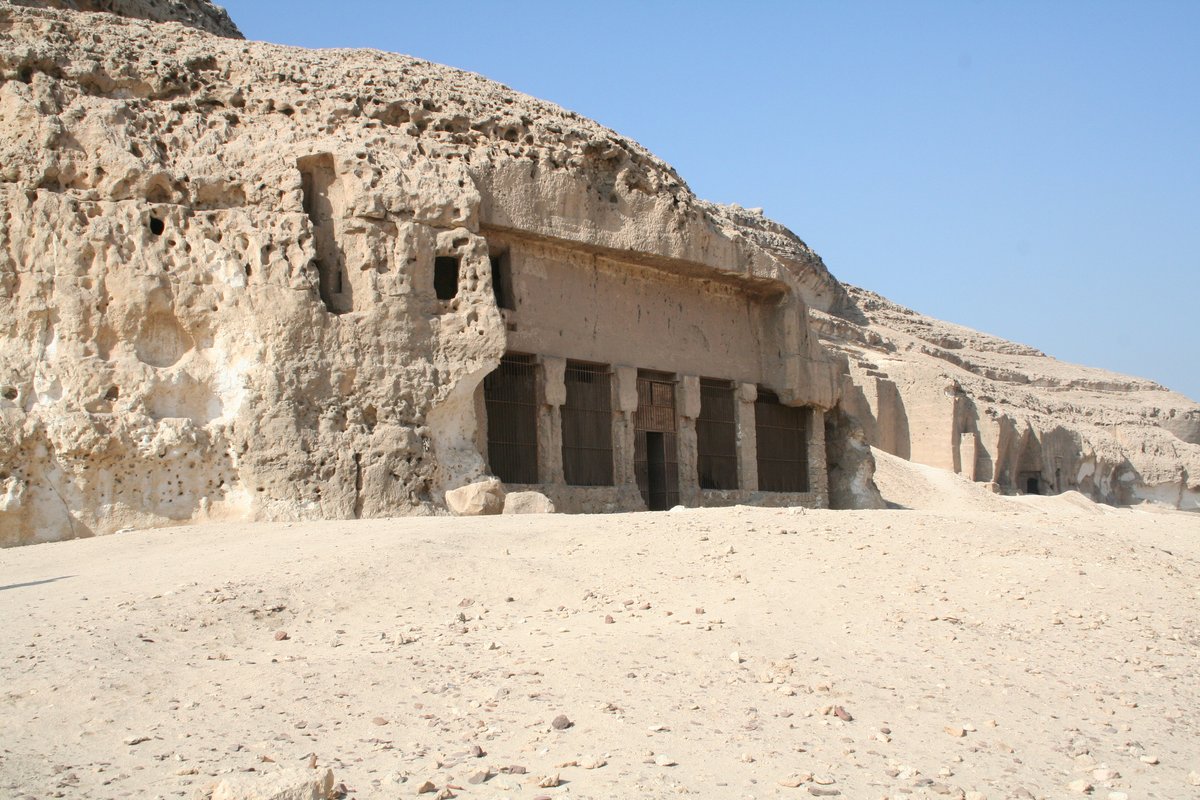
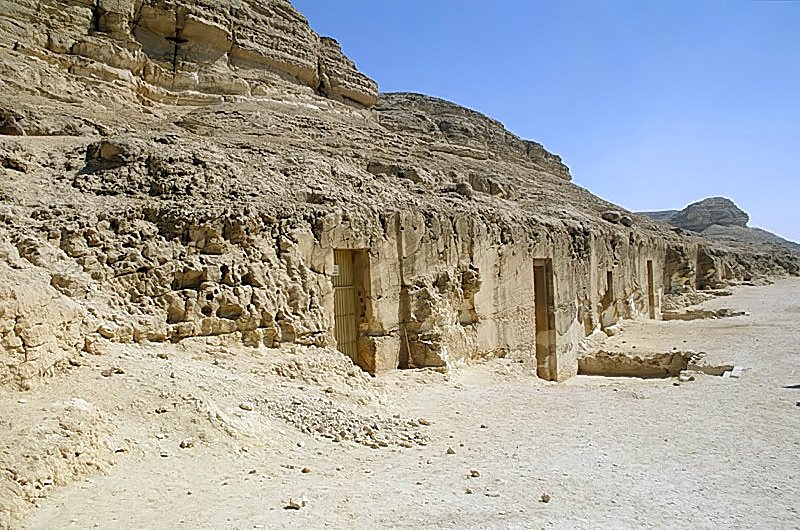
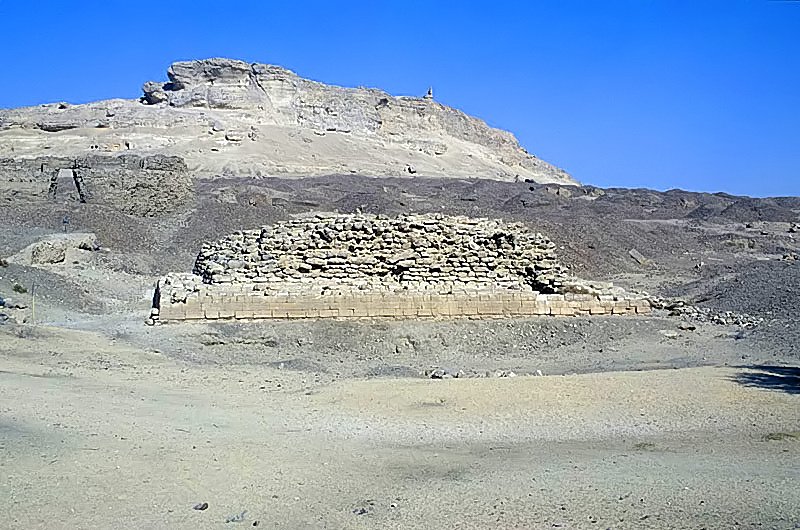
Situated 80 kilometres north of Asyut, Egypt, near the village of Dashlout, lies Bawit. Established in the late fourth century, this archaeological site covers 40 hectares and houses a cemetery and the ruins of the Hermopolite monastery of Apa Apollo. The structures on this site are relatively well preserved, and demonstrate different aspects of a monastic complex of Middle Egypt.
The monastery had about 500 monks and experienced a period of prosperity during the sixth and seventh centuries. During this time, the monastery hosted a community of women under the patronage of Rachel, with a fresco of Rachel dating to the sixth century. After the Islamic invasion, the monastery declined and was abandoned around the tenth century.
In early 1901, a survey of the site was made by Jean Clédat, who found hermitages he called "chapels" containing Coptic art. His colleagues discovered two churches, today called North and South Church, with stone and wood carvings that were removed to the Coptic Museum in Cairo and the Musée du Louvre in Paris. Numerous sculptures and paintings were unearthed during the excavations.
The papyrologist Jean Maspero resumed excavations in 1913, discovering a common room with several entrances. In 1976, then 1984 and 1985, the Supreme Council of Antiquities resumed excavations and added to the collections of the Coptic Museum. Since then, excavations have continued under various organizations.
Sources: Wikipedia, OpenStreetMap, Wikidata, Wikimedia Commons
Written by Friendly Jane
Discuss this with the author and others
No comments yet. Be the first to start the conversation.