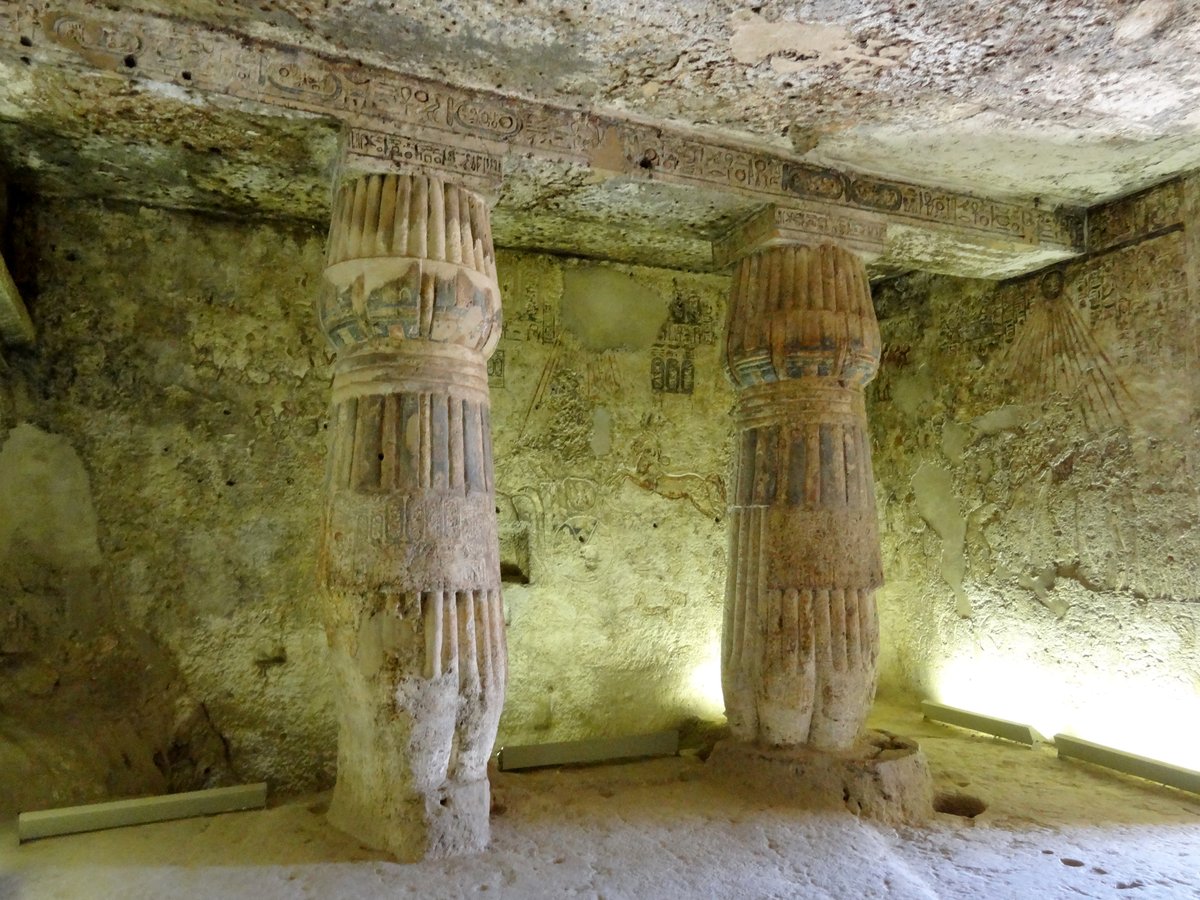

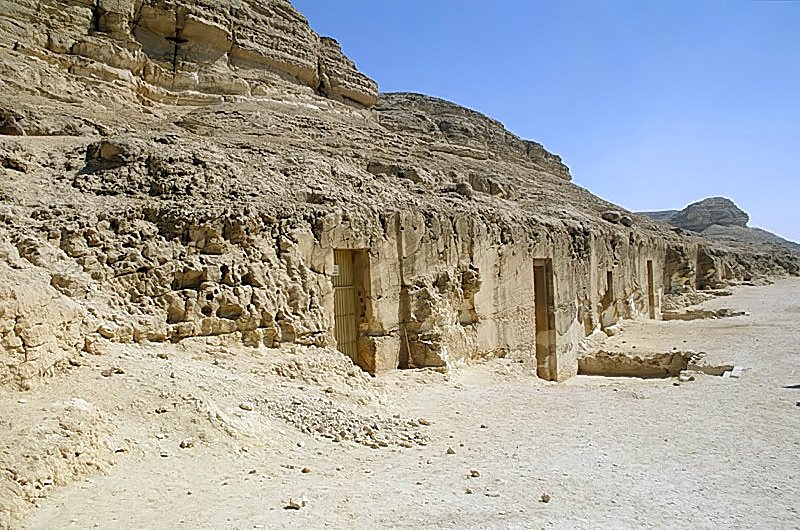
The tomb of Panehsy is a sepulchre in Amarna, Upper Egypt. It was erected for the noble Panehsy who bore the titles the First servant of the Aten in the house of Aten in Akhet-Aten, Second prophet of the Lord of the Two Lands Neferkheprure-Waenre (Akhenaten), the sealbearer of the King of Lower Egypt, Overseer of the storehouse of the Aten in Akhetaten, and Overseer of cattle of the Aten in Akhet-Aten.
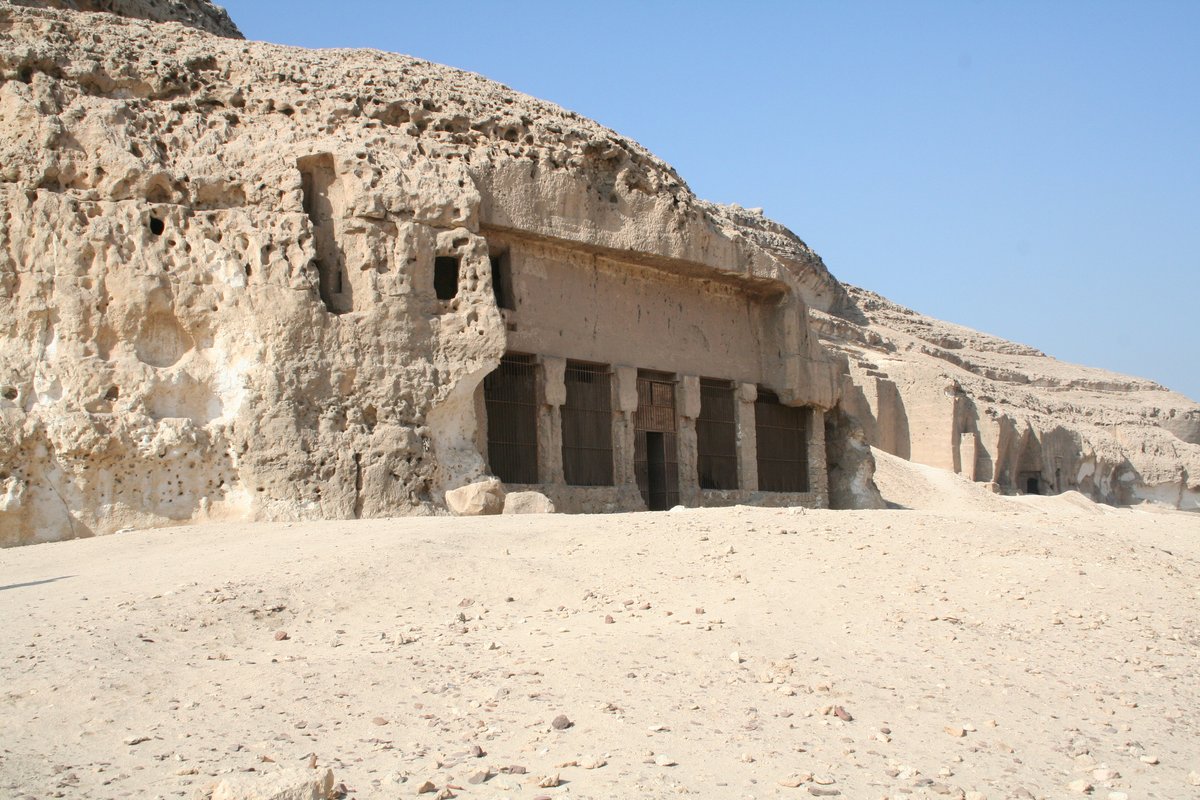
Panehsy's tomb is part of the Northern tombs, which are generally larger than the Southern tombs. Like the tomb of Meryre, it is known for depictions of the temple of the Aten. The tomb contains scenes of Panehsy, his family, and others showing the royal family, but his remains have never been identified. The tomb suffered damage from iconoclasts, who disfigured images of Akhenaten and Nefertiti and removed most names. In later times, the tomb was turned into a Coptic place of worship and suffered further damage.
A deep font for total immersion was placed before the apse. On one of the ceilings, Panehesy mentions receiving gold from the king for doing a great thing for his lady, the king's daughter. In one scene, Akhenaten wears the crown of the North on the left and the crown of the south on the right. Nefertiti is shown wearing a Khat headdress and a flat-topped blue crown. In these scenes, only Meritaten appears to accompany her parents. Other panels show Akhenaten wearing the Khepresh crown and Nefertiti wearing her blue crown, offering food from an offering table.
In a double scene, Akhenaten and Nefertiti are shown with their three eldest daughters before an altar. The king and queen are shown pouring something from a vase while the three princesses are shown shaking sistra. The presence of two dwarfs points to the presence of Nefertiti's sister Mutbenret (Mutnedjmet). On another side, Akhenaten and Nefertiti raise Sekhem scepters in homage to the sun, accompanied by Meritaten, Meketaten, and Ankhesenpaaten, who are shaking a sistrum. Nefertiti is accompanied by elaborate titulary identifying her as the heiress, great of favor, mistress of the district of the South and the North, fair of face and gay with the two feathers, soothing the heart of the King at home, and the great and beloved wife of the King, Lady of the Two Lands.
Other scenes depict the royal family in various activities. Panehsy appears before the window of appearance while Meritaten appears with Akhenaten and Nefertiti. Nefertiti is shown with her arm around her daughter. Meketaten and Ankhesenpaaten are shown embracing, and Neferneferuaten Tasherit is shown clasping Ankhesenpaaten's arm. In another scene, Akhenaten and Nefertiti are shown offering flowers to the Aten, with Nefertiti wearing a short Nubian-style wig. Finally, the family is shown driving chariots; Nefertiti is depicted with a whip held in her left hand while the princesses are carried in separate chariots.
Sources: Wikipedia, OpenStreetMap, Wikimedia Commons
Written by Mutabor
Discuss this with the author and others
No comments yet. Be the first to start the conversation.