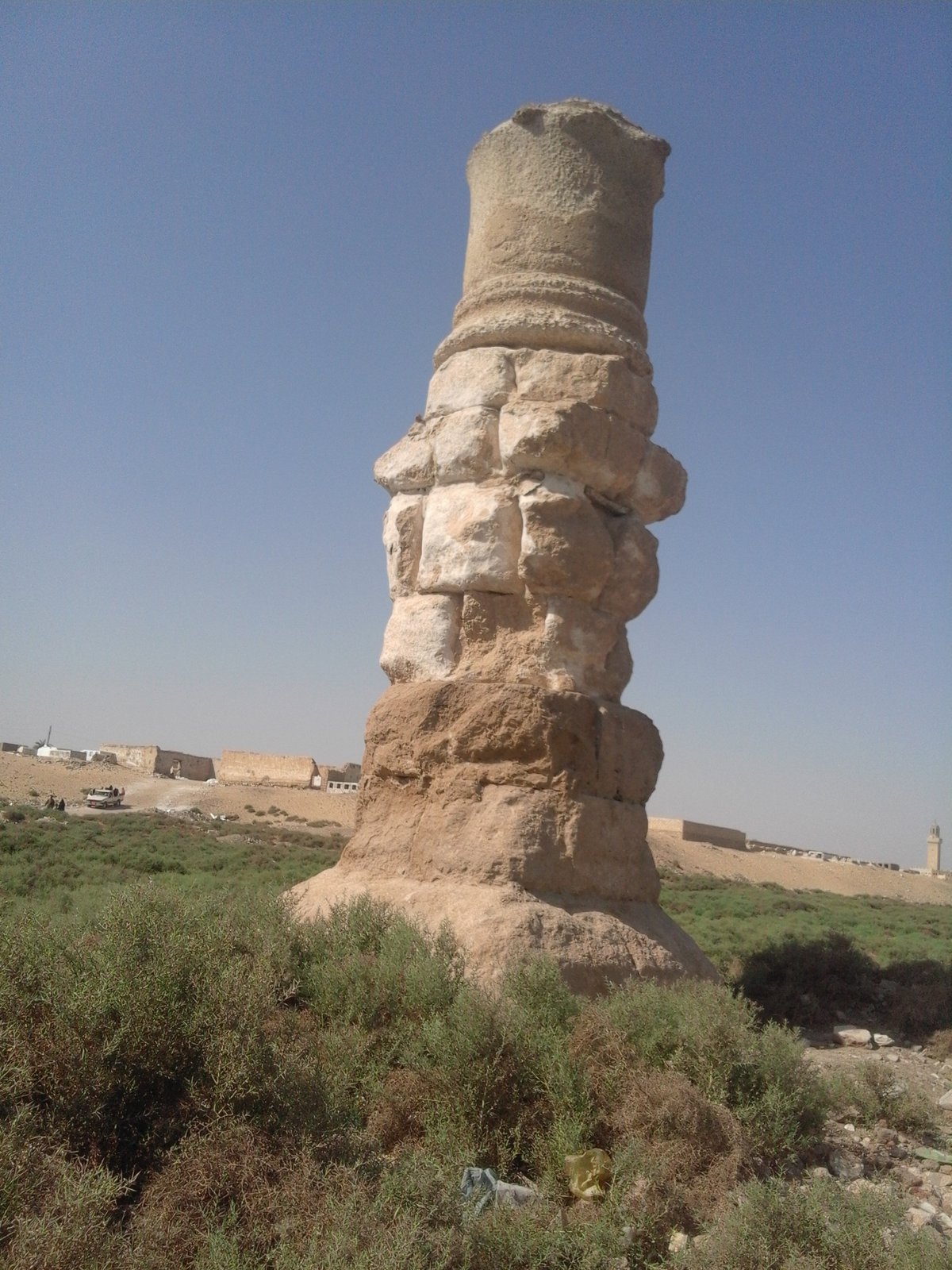

In ancient Egypt, the city of Per-Medjed stood on the branch of the Nile called the Bahr Yussef. The site was named after the medjed, a species of elephantfish worshipped as the fish that ate the penis of Osiris. As the capital of the 19th Upper Egyptian Nome, the city served as a significant religious and administrative center.
Following the conquest by Alexander the Great in 332 BC, the city was reestablished as the Hellenistic town of Oxyrrhynchoupolis. It became one of Egypt's most prosperous regional capitals, ranking as the third-largest city in the land. During the Christian era, it became a renowned center for worship, housing shrines dedicated to the venerated saints Sirenos, Philoxenos, and Ioustos.
In 639, the Rashidun army under Khalid ibn al-Walid invaded the city, which was defended by Byzantine and Sudanese Christian auxiliaries. To scatter the elephant corps, Rashidun cavalry used spears with tips soaked in sulfur and Santonin plants, which were ignited to cause the animals to flee. Following the conflict, the city was temporarily renamed to honor Qays ibn Harith before it eventually became known as al-Bahnasa.
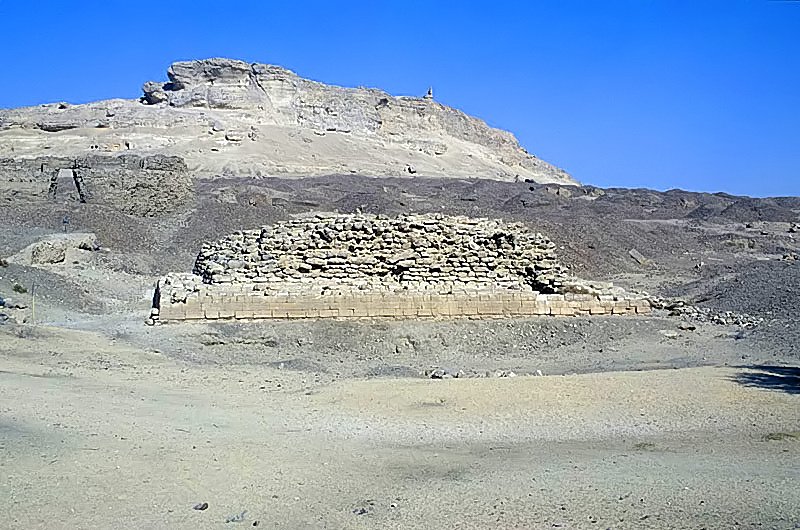
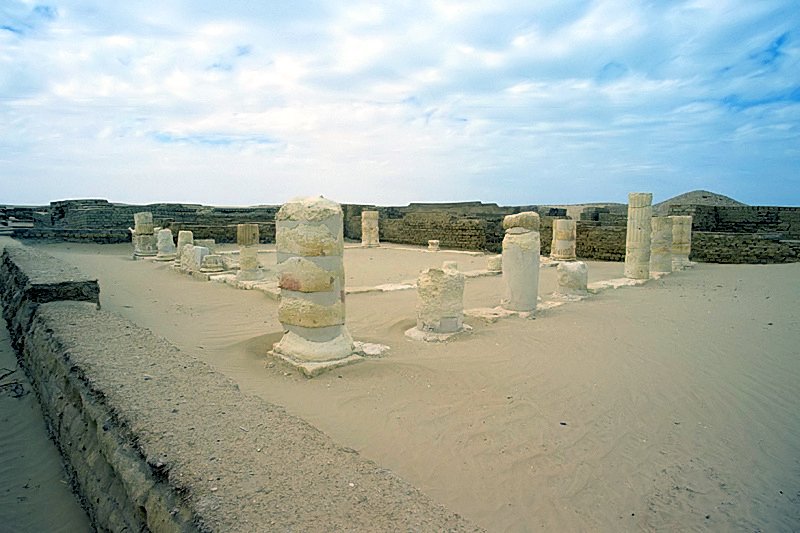
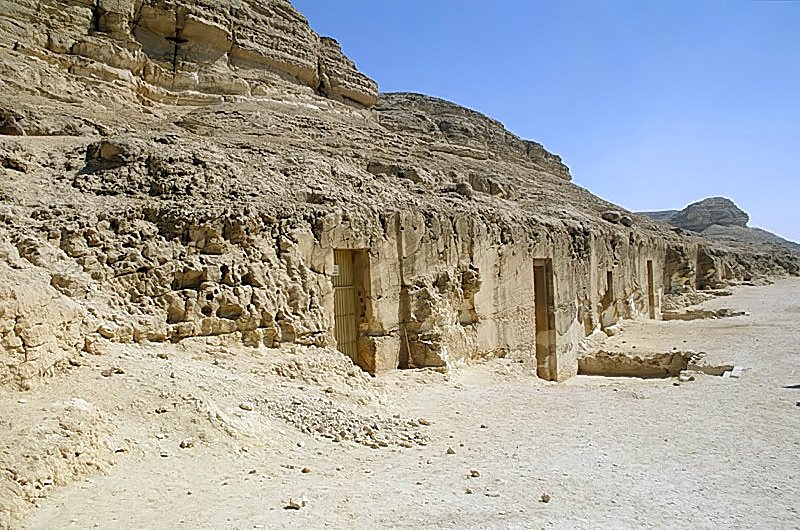
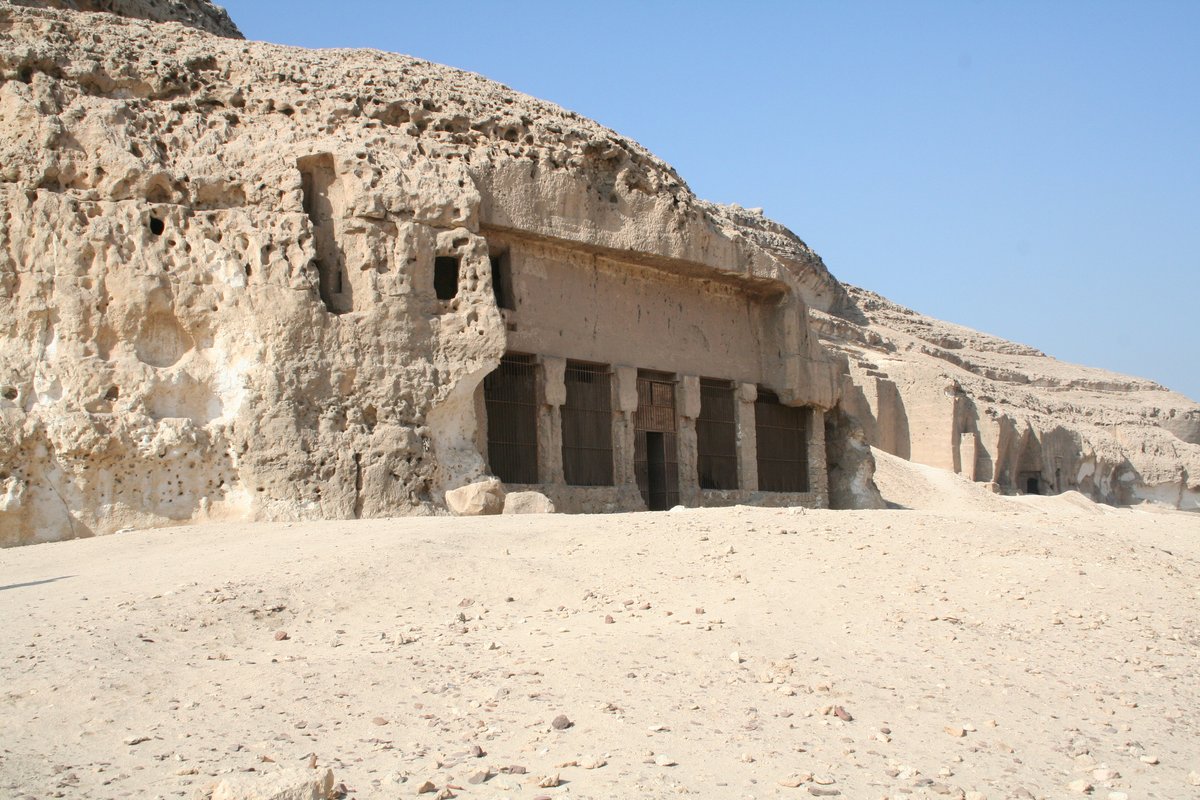
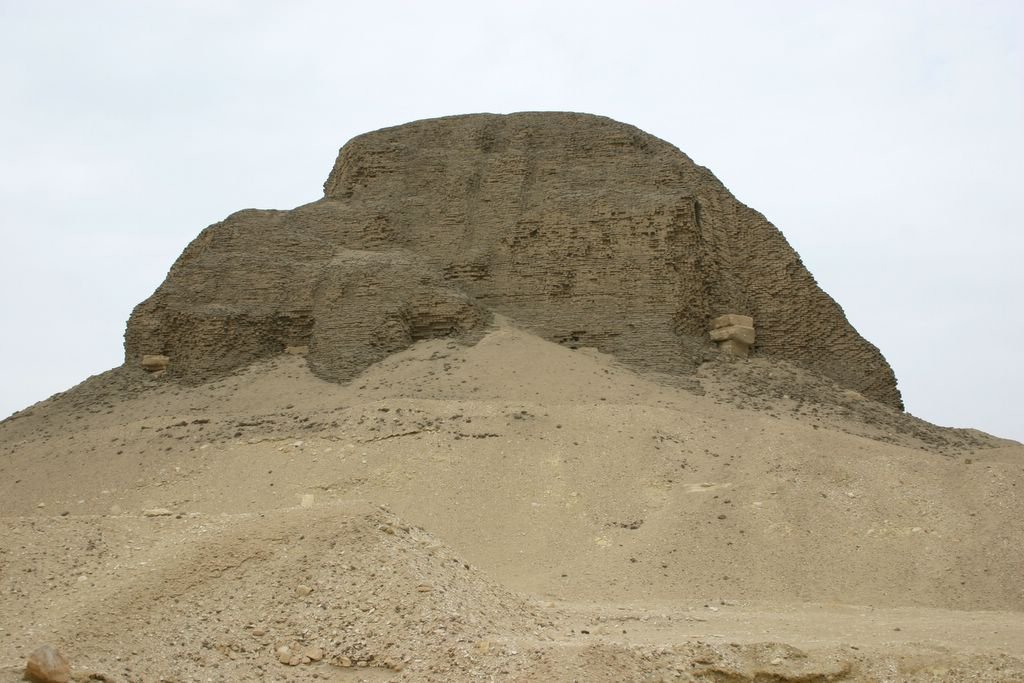
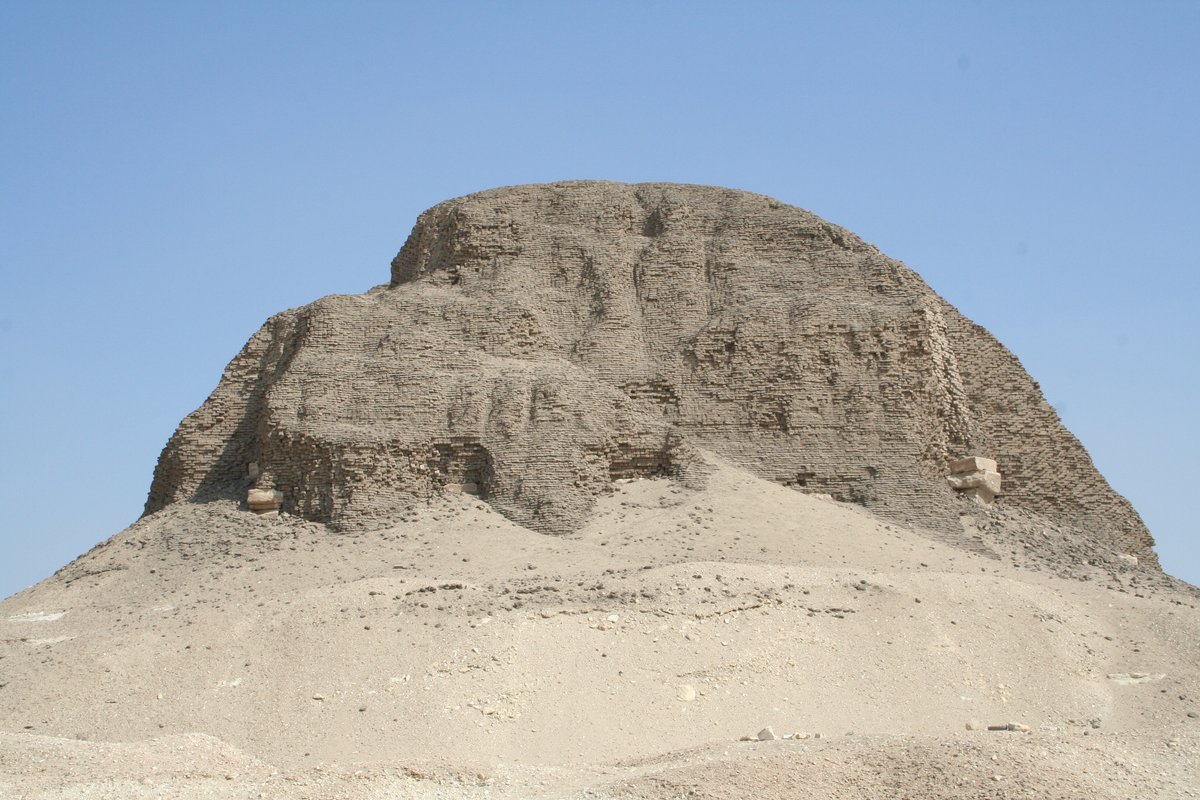
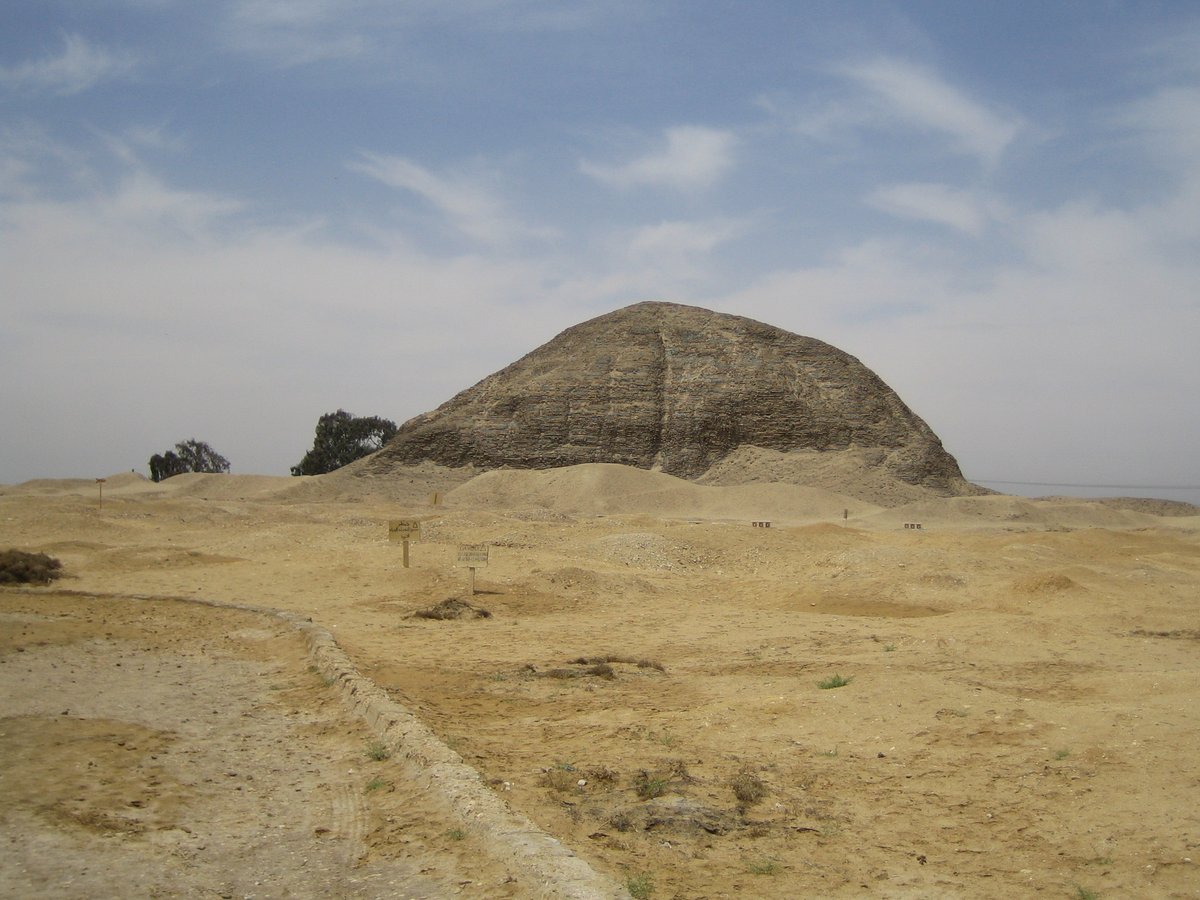
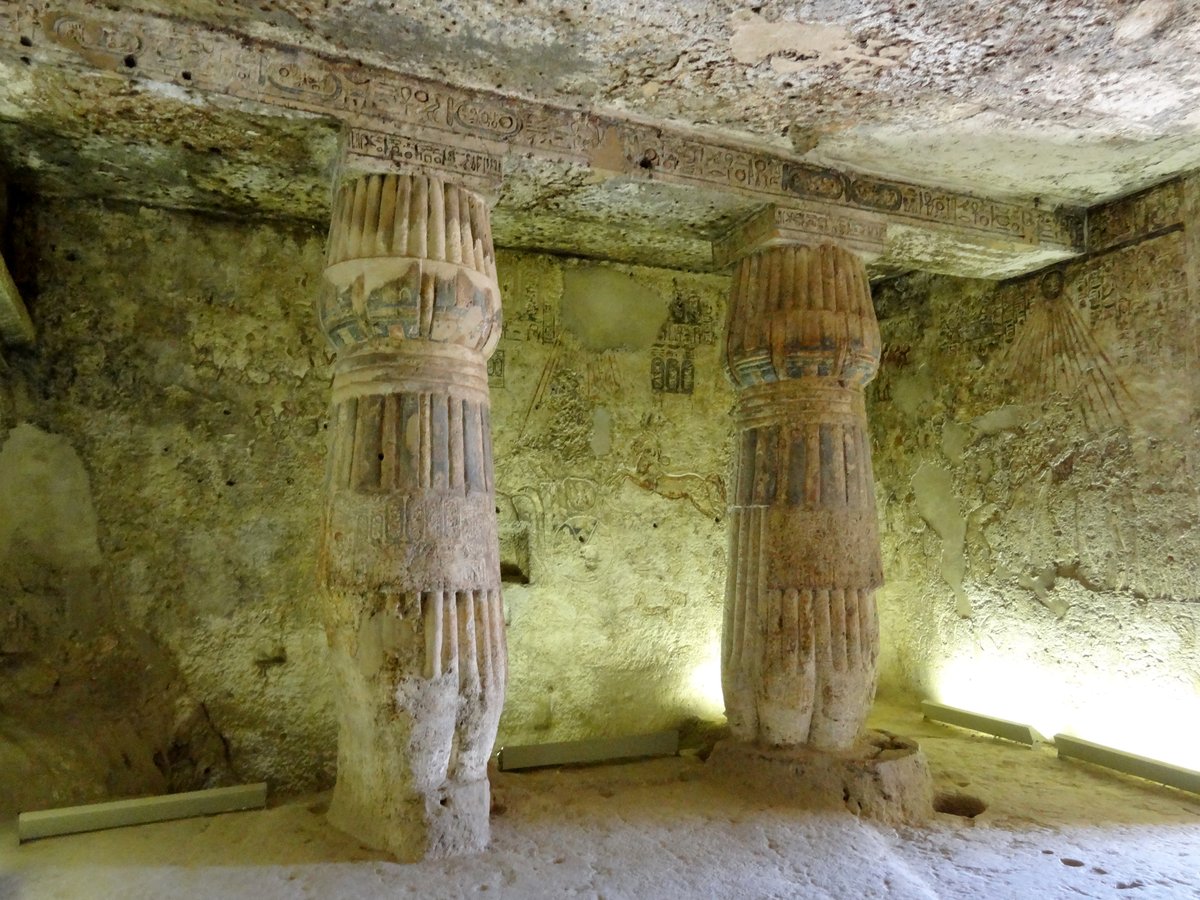
After the Muslim conquest of Egypt in 641, the canal system the town depended on fell into disrepair. This led to the abandonment of Oxyrhynchus. Today, the modern town of el-Bahnasa occupies part of the ancient site, which remains an important archaeological location for papyri and vellum manuscripts.
Sources: Wikipedia, OpenStreetMap, Wikidata, Wikimedia Commons
Written by Mutabor
Discuss this with the author and others
No comments yet. Be the first to start the conversation.