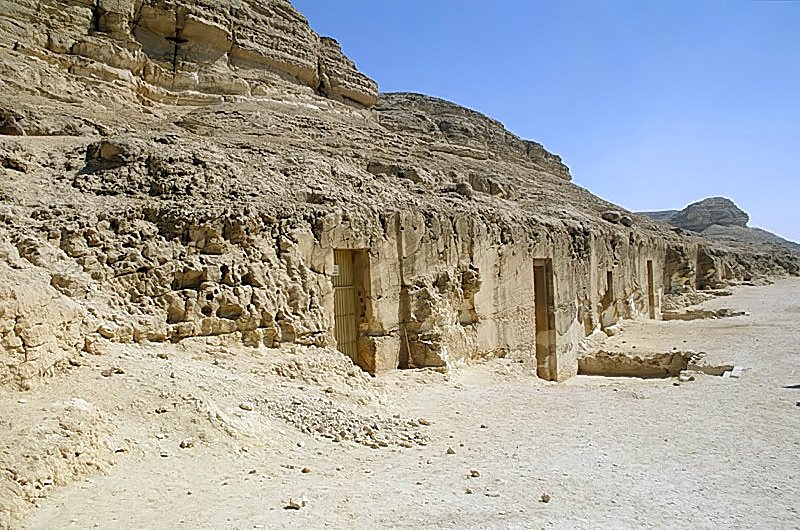

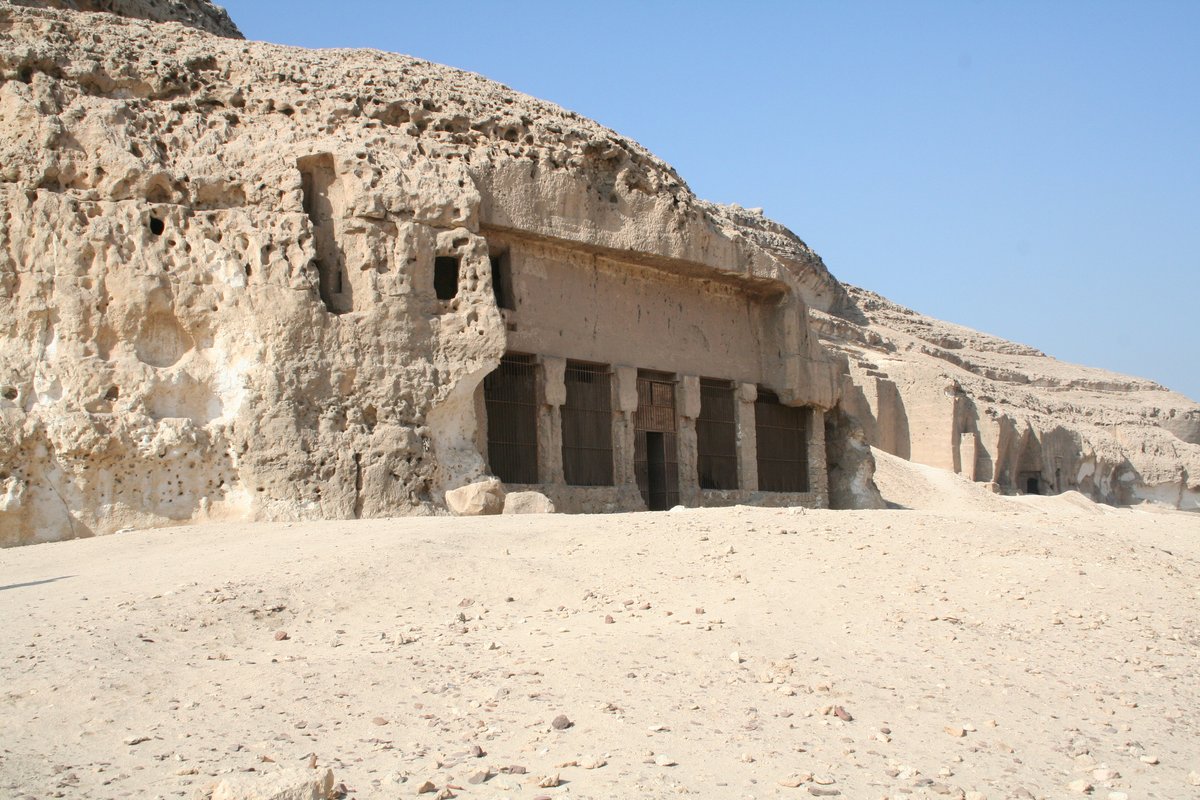
In Middle Egypt, the Beni Hasan necropolis consists of a funerary site cut into the limestone cliffs on the east bank of the Nile. During the Middle Kingdom, it served as the principal cemetery of the sixteenth nome of Upper Egypt, known as the Oryx nome. The monumental tombs were excavated north of the modern village, approximately halfway up the cliff and overlooking the valley.
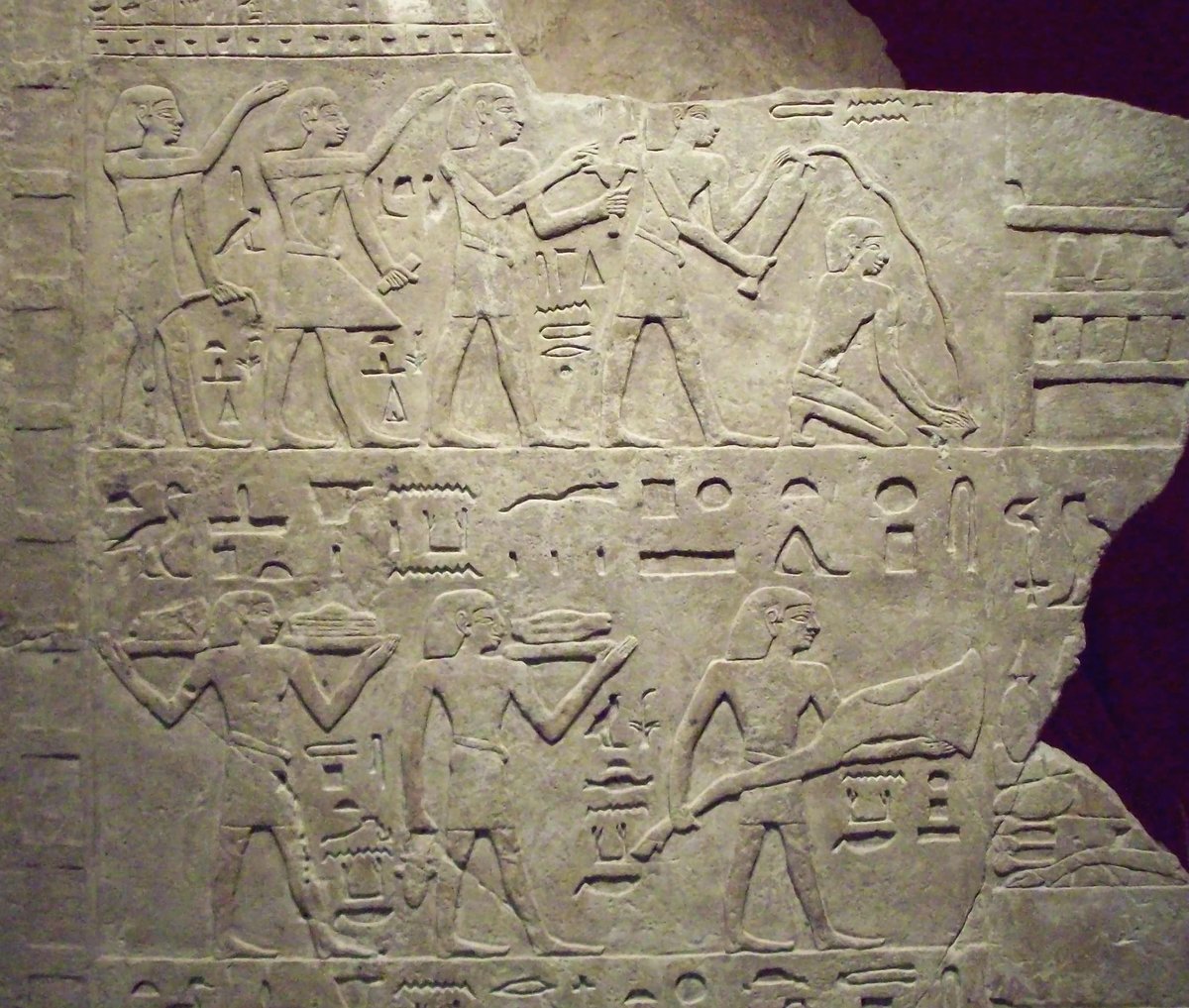
The upper cemetery contains 39 rock-cut tombs, twelve of which retain painted scenes showing agricultural and craft activities, hunting, games, fighting and the arrival of foreign groups. In tomb BH3 of Khnumhotep II, the decoration includes the procession of the Aamu, fig gathering, and scenes of fishing and fowling in the marshes. The burials are divided between this upper zone of monumental rock-cut tombs and a lower cemetery consisting mainly of shaft tombs.
Eight of the inscriptions in the upper zone belong to governors of the Oryx nome, while others belong to princes, a royal scribe, and other high-ranking provincial officials. These provincial governors, often called nomarchs, remained under royal authority while maintaining local dynasties. Some notable examples include the tombs of Amenemhat, Khnumhotep II, Baqet III and Khety. The tomb of Baqet III features walls combining scenes of hunting, fishing, craftsmen at work, tax collection, and a battle with a wrestling cycle containing 220 pairs of wrestlers.
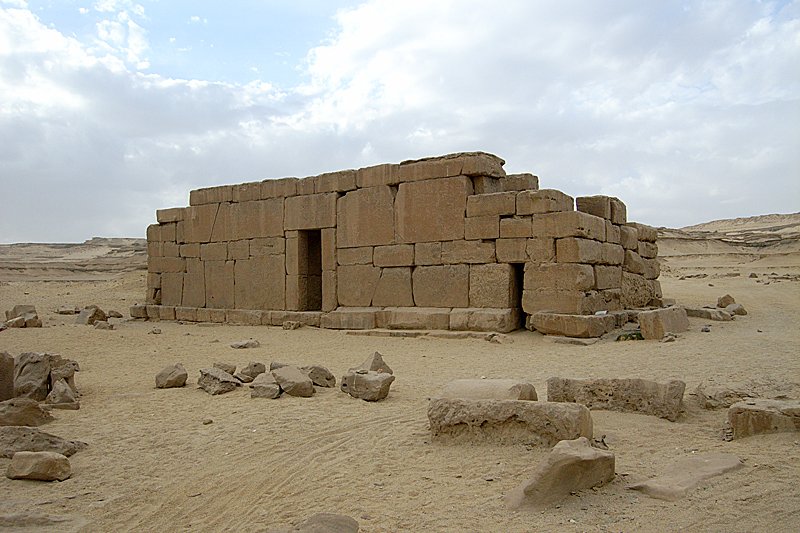
South of the cemetery, within a wadi opening east of the village, is an Eighteenth-Dynasty rock-cut temple dedicated to the local goddess Pakhet and built by Hatshepsut. The designation Cave of Artemis, or Speos Artemidos, derives from the Greek name of the sanctuary and the identification of Pakhet with Artemis.
Sources: Wikipedia, OpenStreetMap, Wikidata, Wikimedia Commons
Written by Mutabor
Discuss this with the author and others
No comments yet. Be the first to start the conversation.