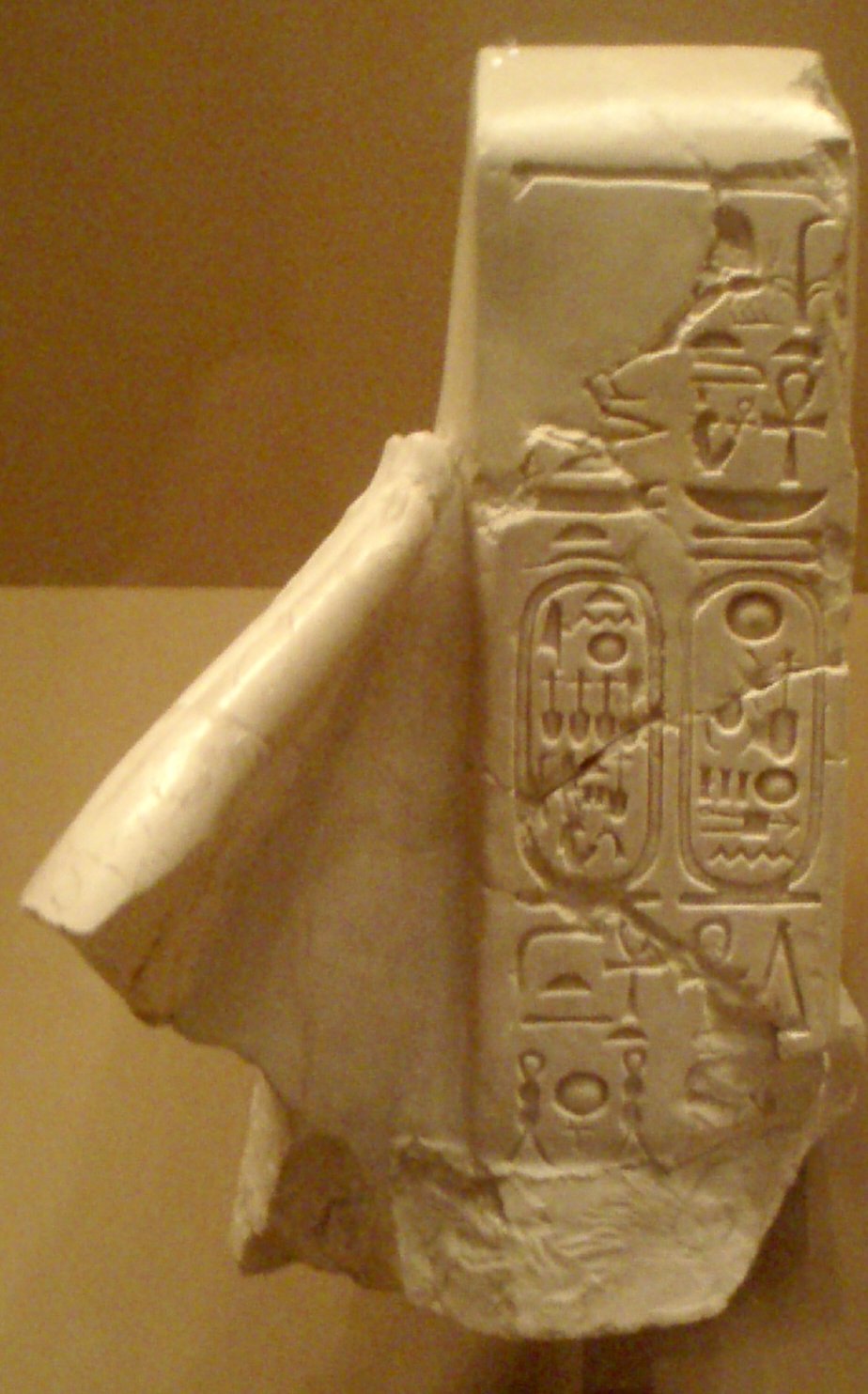

The sun-disk Aten was an aspect of Ra, the sun god in traditional ancient Egyptian religion. During the 18th Dynasty, the pharaoh Akhenaten established a new religious cult dedicated to the Aten, shutting down traditional worship of other deities like Amun-Ra. He built a new city and capital at Amarna on the east bank of the Nile River to serve as the home for this new era of worship. The Great Temple of the Aten was the largest temple dedicated to the sun-disk, located just north of the city's Central City.
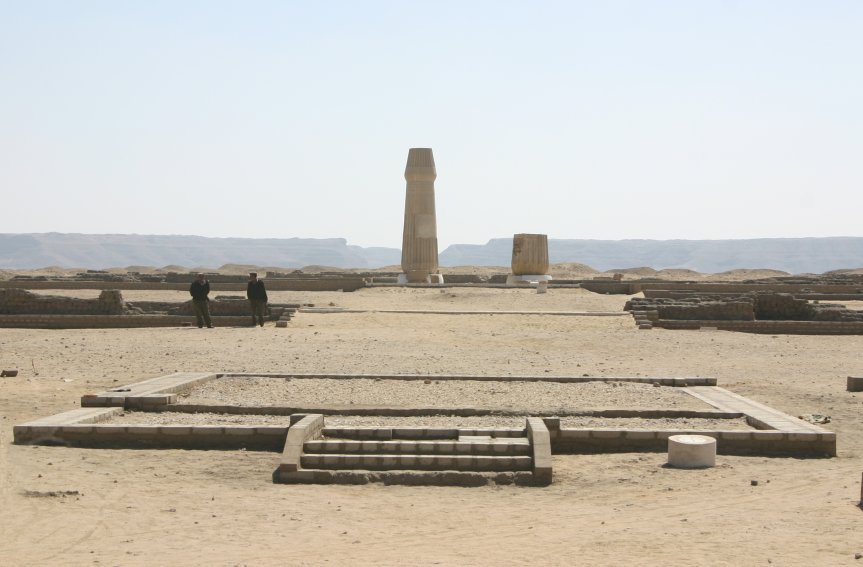
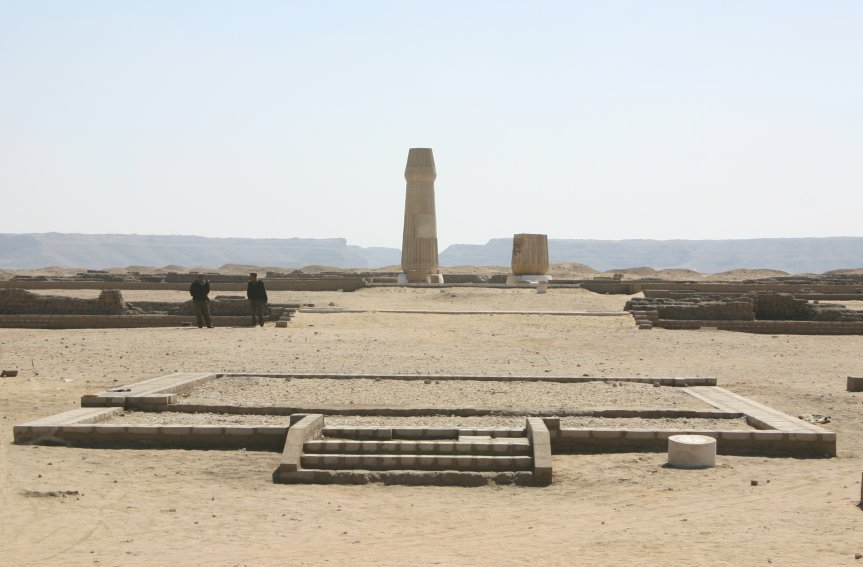
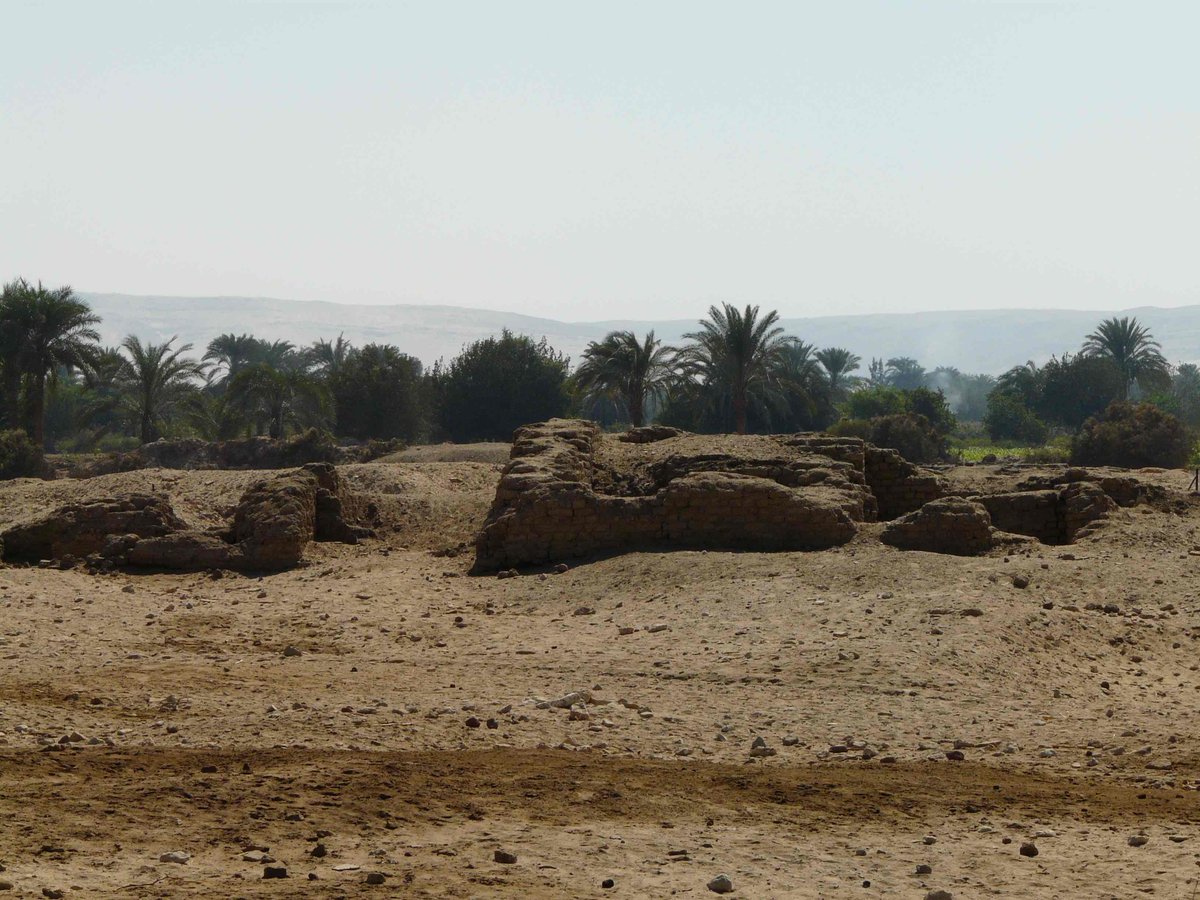
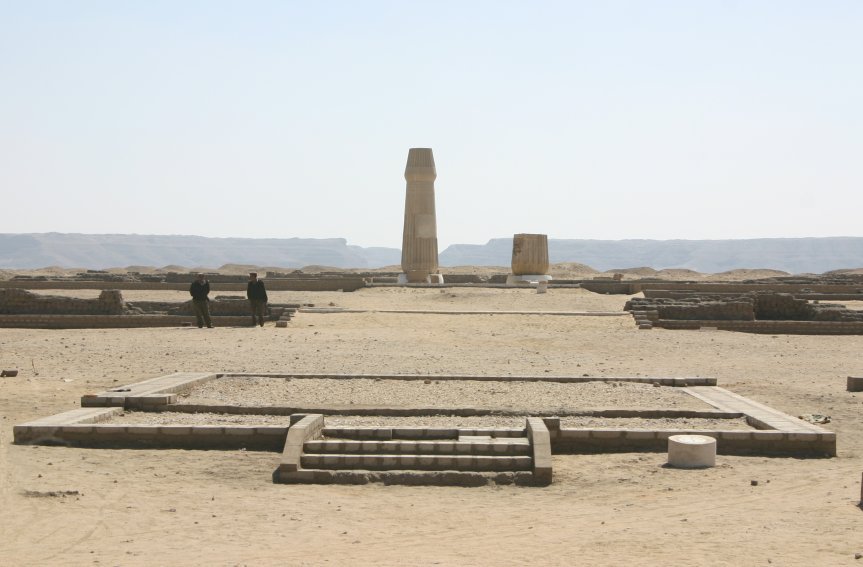
The construction of the temple was completed in a series of steps. After a ceremonial gateway and a paved avenue lined with sphinxes (later replaced by trees), a temenos wall was built to enclose a huge area. A stone Sanctuary was built at the east end of the enclosure, followed by the addition of the Gem-Aten on the west side. While the Gem-Aten was originally intended to be stone, the latter part of it was finished with mud-brick as materials ran low. The entire area was later dismantled, covered in new sand, and paved over, which ironically helped preserve the site for modern archaeology.
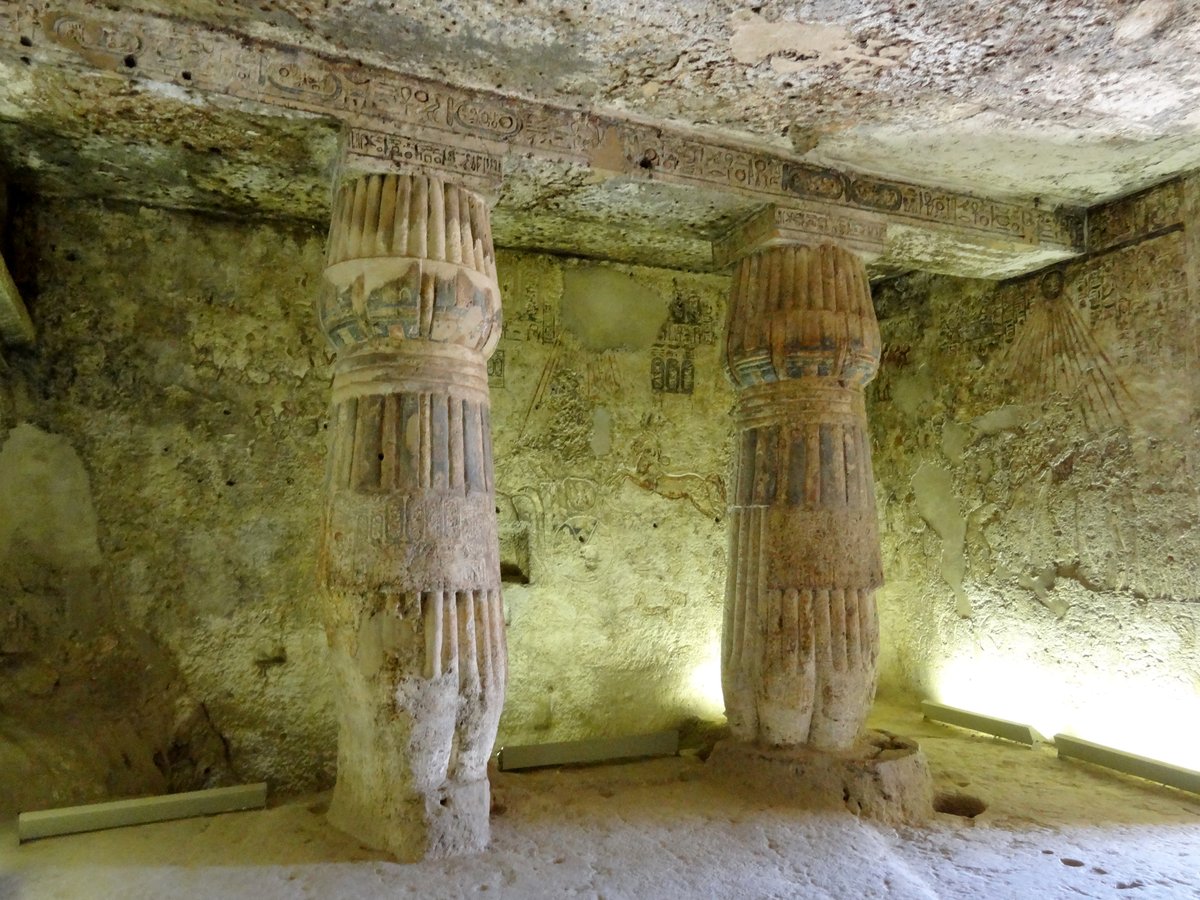
One of the most distinctive aspects of the Temple was that it had no cult image of the god. It was open-aired and had no roof, so that people worshipped the actual sun directly overhead as it traveled from east to west. Between the Gem-Aten and the Sanctuary was a smaller, more sacred pillared portico containing a colossal seated statue of Akhenaten and a great quartzite stela. This stela was carved with images of Akhenaten and Nefertiti and served as a variation of a benben stone, a sacred solar symbol from Heliopolis.
The Sanctuary at the east end may have been inspired by the Fifth Dynasty Sun Temples. It featured a pylon leading into an open court, with a second pylon leading to a causeway flanked by colossal statues of Akhenaten wearing the Red and White crowns. This causeway ended in a final court with a high altar surrounded by offering tables, which were likely intended specifically for use by the Royal Family.
Sources: Wikipedia, OpenStreetMap, Wikidata, Wikimedia Commons
Written by Mutabor
Discuss this with the author and others
No comments yet. Be the first to start the conversation.