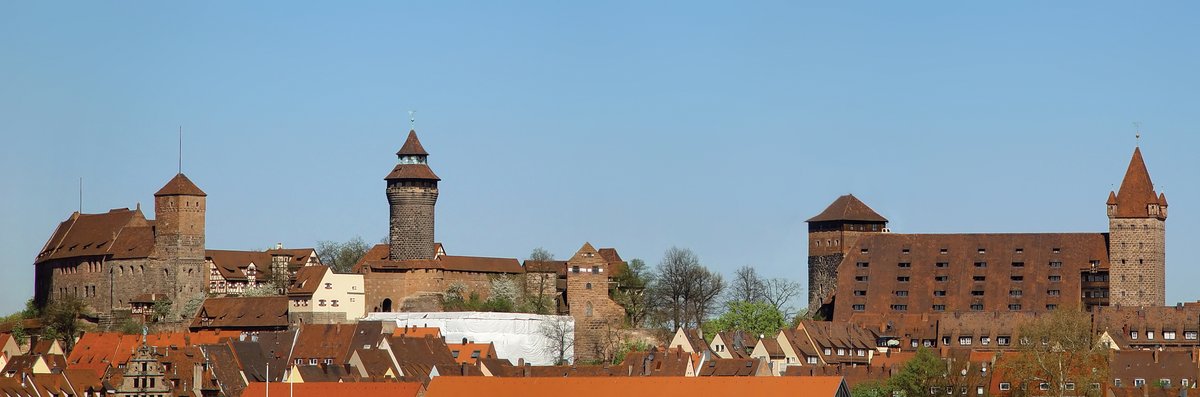
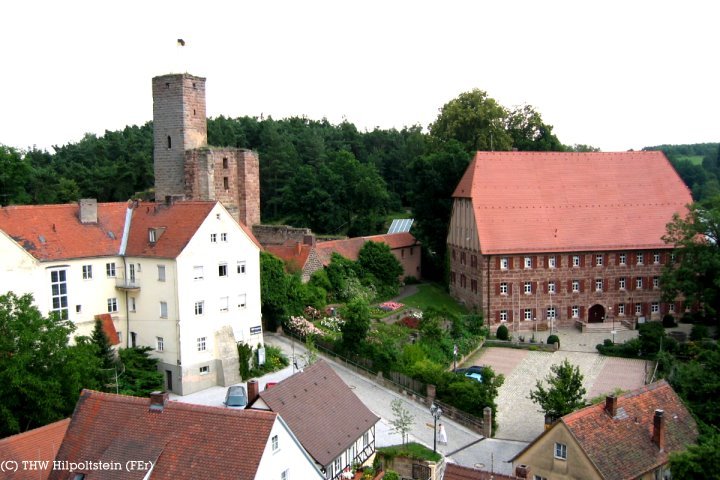
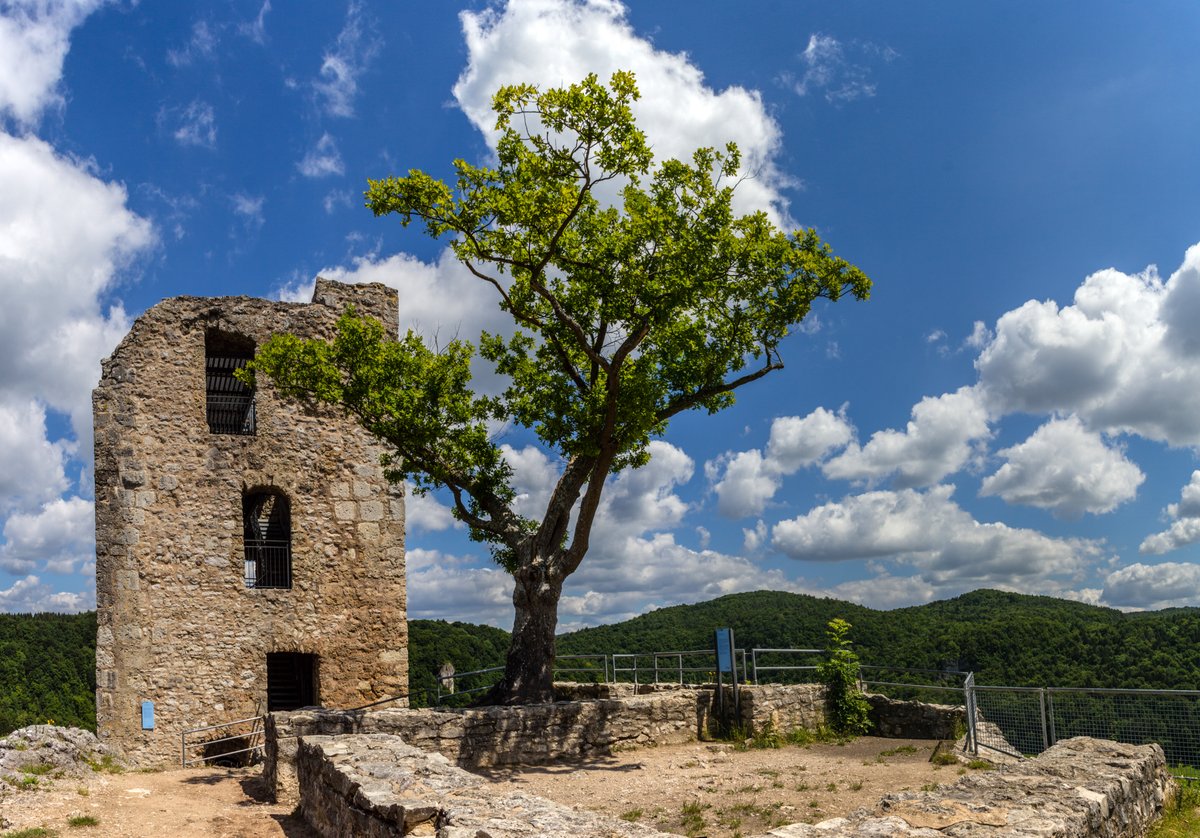
The Sinwell Tower rises from a sandstone ridge, its name a Middle High German tribute to its perfectly round shape. Built in the second half of the 13th century as a massive keep, its silhouette shifted in the 1560s when builders added a pavilion roof with a pointed helm, a sharp contrast to the heavy masonry below.
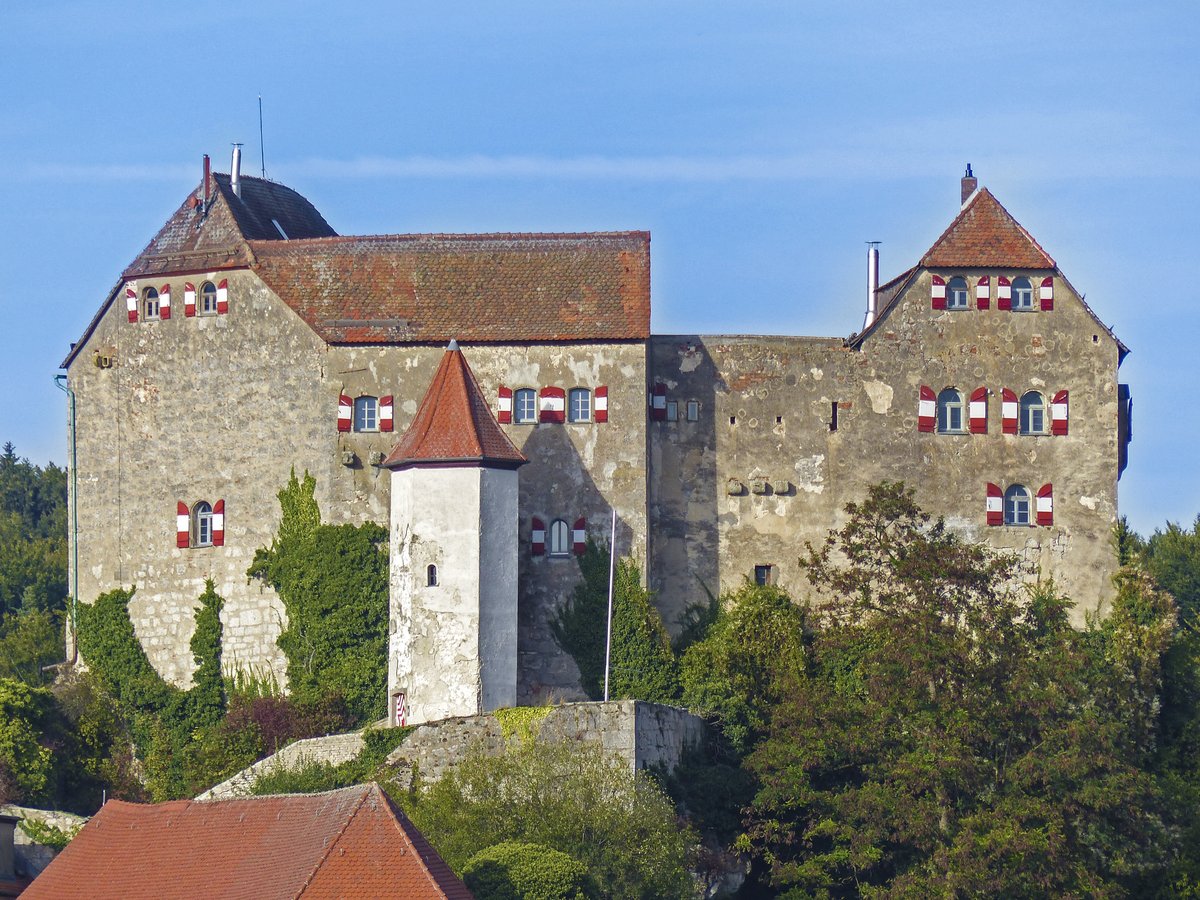
Because the Holy Roman Empire had no fixed capital, kings and emperors moved between various imperial castles known as Kaiserpfalz. This fortress served as a stage for imperial power, housing the Palas where lords conducted official business. The castle is a composite of three distinct sections - the Imperial castle, the former Burgraves' castle, and the Reichsstädtische Bauten - layered by history in waves.
The first fortified buildings appeared around the year 1000, followed by construction under the Salian kings between 1027 and 1125. The Hohenstaufen emperors built a new castle between 1138 and 1254. Later, the Palas was reconstructed throughout the late medieval period. Life inside these walls required ingenuity, relying on the Tiefer Brunnen, or Deep Well, as the sole water source for the entire complex.
To find the well, look for a small half-timbered house in the middle of the courtyard. The lower stone walls of this building date from 1563. Inside, a shaft drops 50 meters down to the water table. A niche was carved into the rock just above the surface for cleaning the well. During the great Imperial Diets, water barrels were transported on wagons from the city.
In the Imperial Chapel, built around 1200, two chapels are stacked one above the other. They connect only through a small opening in the ceiling, a physical representation of a medieval social hierarchy where the upper tiers were reserved for the elite. The usual access is via Burgstrasse, where the Heavenly Gate sits beside the Hasenburg tower.
History eventually pulled the castle back from its height. It lost its primary importance after the Thirty Years' War ended in 1648. The 19th century brought a romantic interest in the medieval past, while the Nazi regime later attempted to strip back modifications for the 1936 party rallies. World War II nearly erased that work entirely, as air raids in 1944 and 1945 left much of the site in ruins. It took thirty years of steady labor to restore the buildings to the state you see today.
Visitors can walk the same paths used by emperors, past the Kunigunde Lime Tree planted in 1984. The tree honors a lineage dating back to 1455, named for the consort of Emperor Henry II. The Inner Courtyard still holds the foundations of the Salian Period, ghosts of the very first construction efforts made over a thousand years ago.
Sources: Wikipedia, OpenStreetMap, Wikidata, Wikimedia Commons
Written by Aurora
Discuss this with the author and others
No comments yet. Be the first to start the conversation.