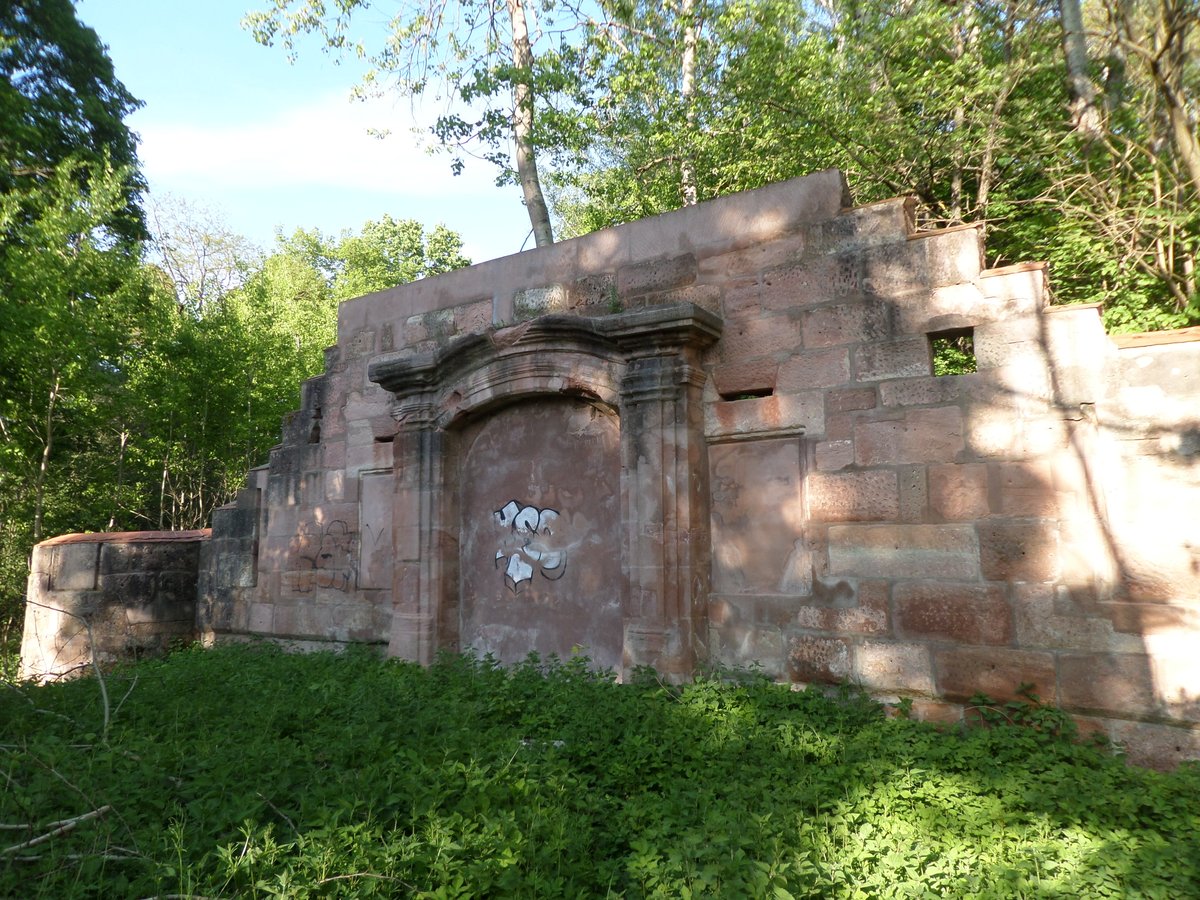
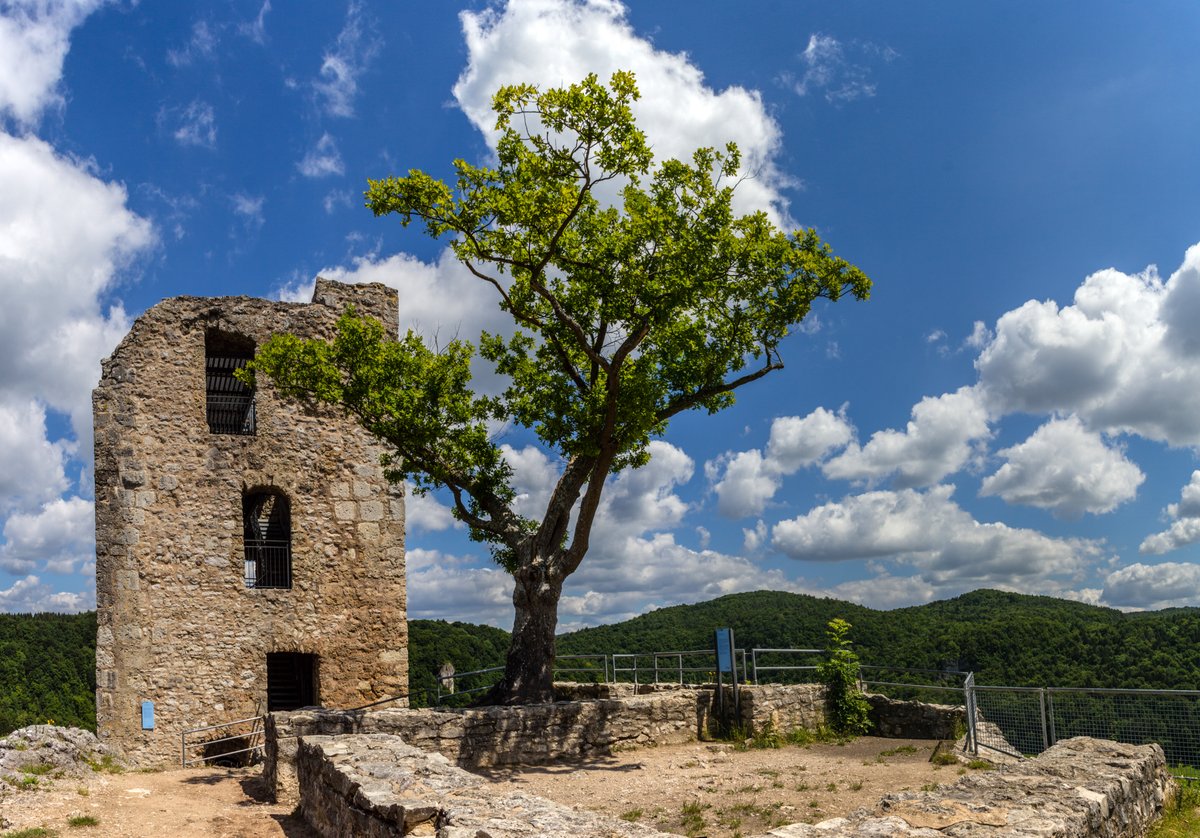
A fire in 1449 during the First Margrave's War reduced a feudal courtyard to the ground. Following a property division in 1407/09, the Oberbürg originated as a residence in the 15th century. It eventually became one of the most magnificent noble seats in Nuremberg during the early modern period.
The name Oberbürg carries a sense of direction - a prefix used to distinguish this upper territory from the older, downstream Unterbürg. In 1487, the Groland family committed to a specific sale, promising to offer their "upper pürgleins" only to the citizens of Nuremberg. This residence was likely a modest timber-framed construction at first, resting on a massive base, protected by ditches, water, and fences.
By the 16th century, the seat underwent a change of ownership. Hans Buchner, a man who mined copper in Bohemia and owned multiple castles, took possession in 1539. He was followed by Bonaventura von Furtenbach, a merchant known for his speculative business ventures. Under his ownership in 1542, the old feudal bond to the Empire was severed, making the Oberbürg a free freehold property. This legal shift paved the way for the expansion that defined the castle's silhouette.
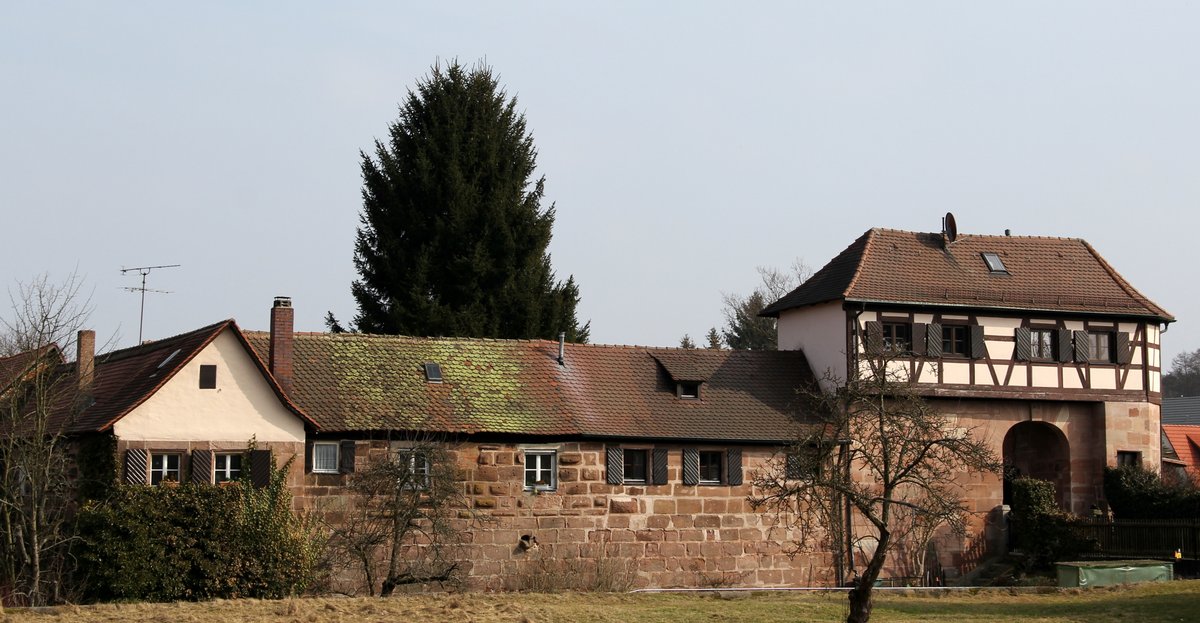
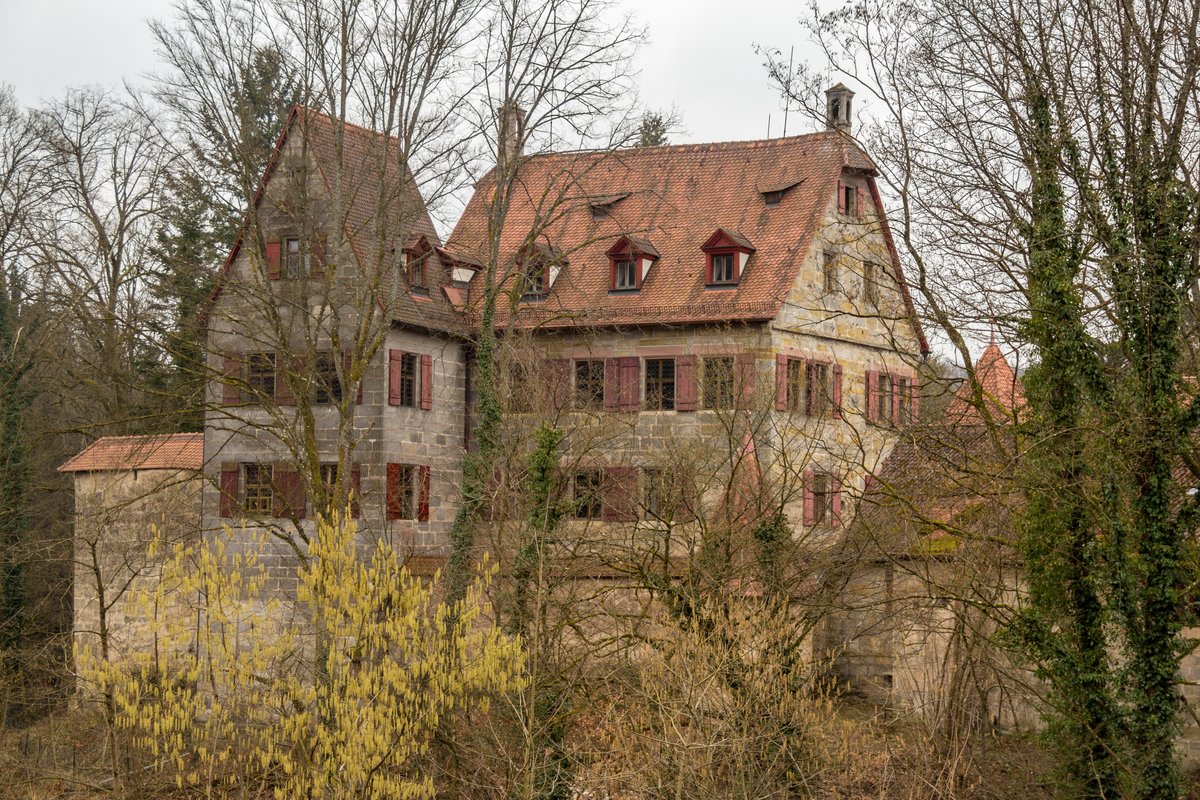
Dr. jur. Georg Kanler began a massive expansion of the castle complex starting in 1563. He secured the main castle with a water moat and an arm of the Pegnitz river, designing a complex of four wings with corner round towers. South of this water moat lay the garden and additional buildings, shielded by a wall with round towers and a gate. The three-part economy courtyard, also secured by water moats, survives to this day.
Ownership became a revolving door of local power and tragedy. Wolff Ehinger acquired half of the Oberbürg in 1581 through judicial execution, and the Free Imperial City of Nuremberg sold its portion to him in 1587. The property returned to the Kanler family in 1592, only to fall into the hands of Jakob Fetzer, a legal council suspected of shady dealings who was murdered in 1634 during a trip to Vienna. Hans von Blansdorf bought the Oberbürg in 1636 as a retirement seat but died in 1637.
The castle passed to the sons of Count Paul Khevenhüller, but most of the brothers of Count Paul Khevenhüller died as Swedish officers during the Thirty Years' War. By the time the widow of the last Khevenhüller sold the property in 1684, the seat had seen centuries of reconstruction and legal maneuvering. Today, the sturdy stones of the economy buildings remain as the three-part economy courtyard survives to this day.
Sources: Wikipedia, OpenStreetMap, Wikidata, Wikimedia Commons
Written by Aurora
Discuss this with the author and others
No comments yet. Be the first to start the conversation.