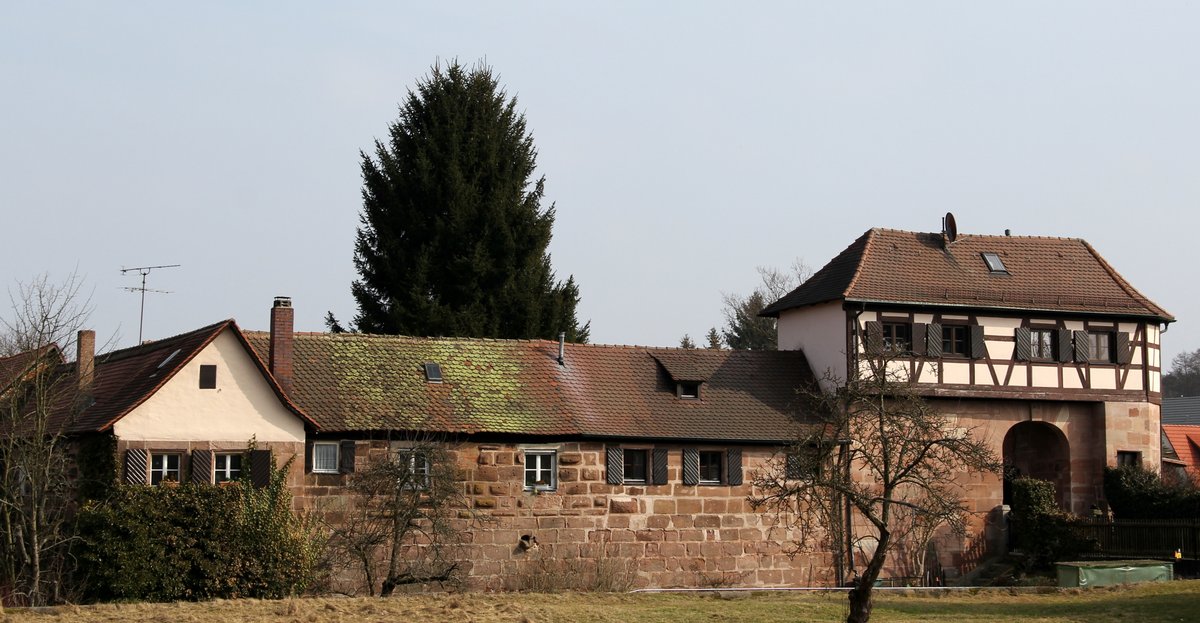
A paper mill once swallowed a castle. It is a recycled transition of stone - the heavy masonry of a medieval stronghold repurposed to feed the industrial appetite of the 1800s. Today, what remains of Malmsbach is a ghost of a larger complex, yet the parts that survive tell a story of strategic importance and sudden ruin.
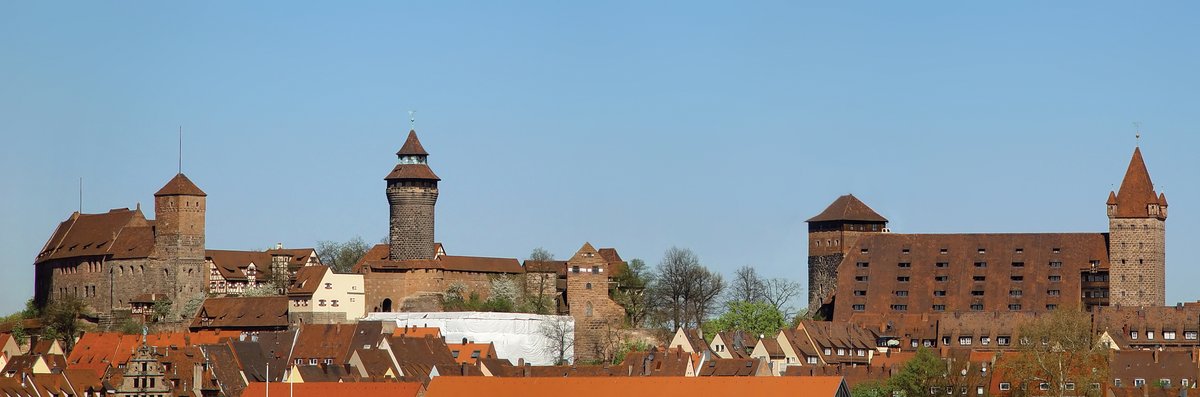
Before its destruction, Malmsbach sat at the gates of Nuremberg, serving as a vital strategic outpost. It first appeared in written records in 1323, when Gottfried von Brauneck-Hohenlohe sold the property to Friedrich IV, the Burgrave of Nuremberg. For centuries, it moved between influential families, including the Lords of Gründlach and later the Haller von Hallerstein, who held the estate until 1540. It was a place of high stakes, held by the Margrave of Ansbach until the First Margrave's War arrived.
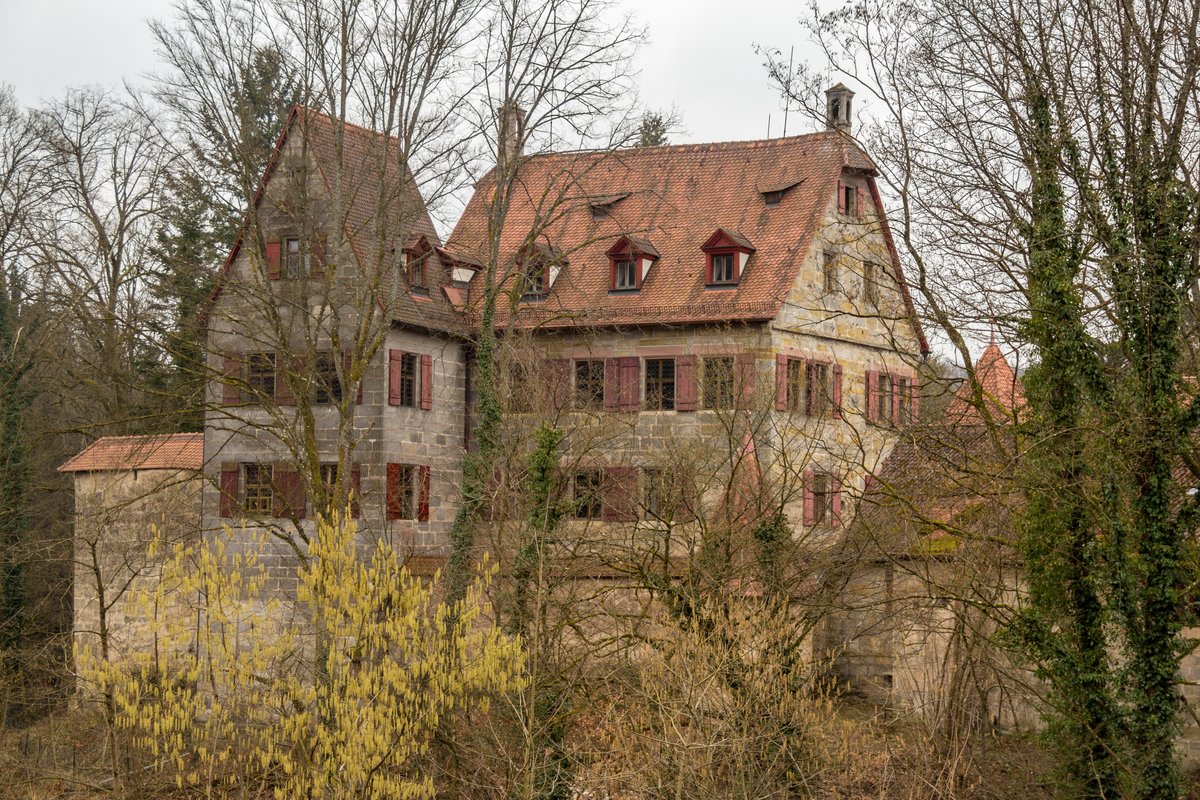
In 1449, Nuremberg soldiers raided the site. They destroyed the castle at the beginning of the war, leaving the structure in ruins. While it was rebuilt and passed through the hands of various patrician families, its long life of permanence was eventually interrupted by the coming of the industrial age. The Grundherr family were the final owners of the castle as a whole, holding the title until the buildings were sold individually starting in 1833.
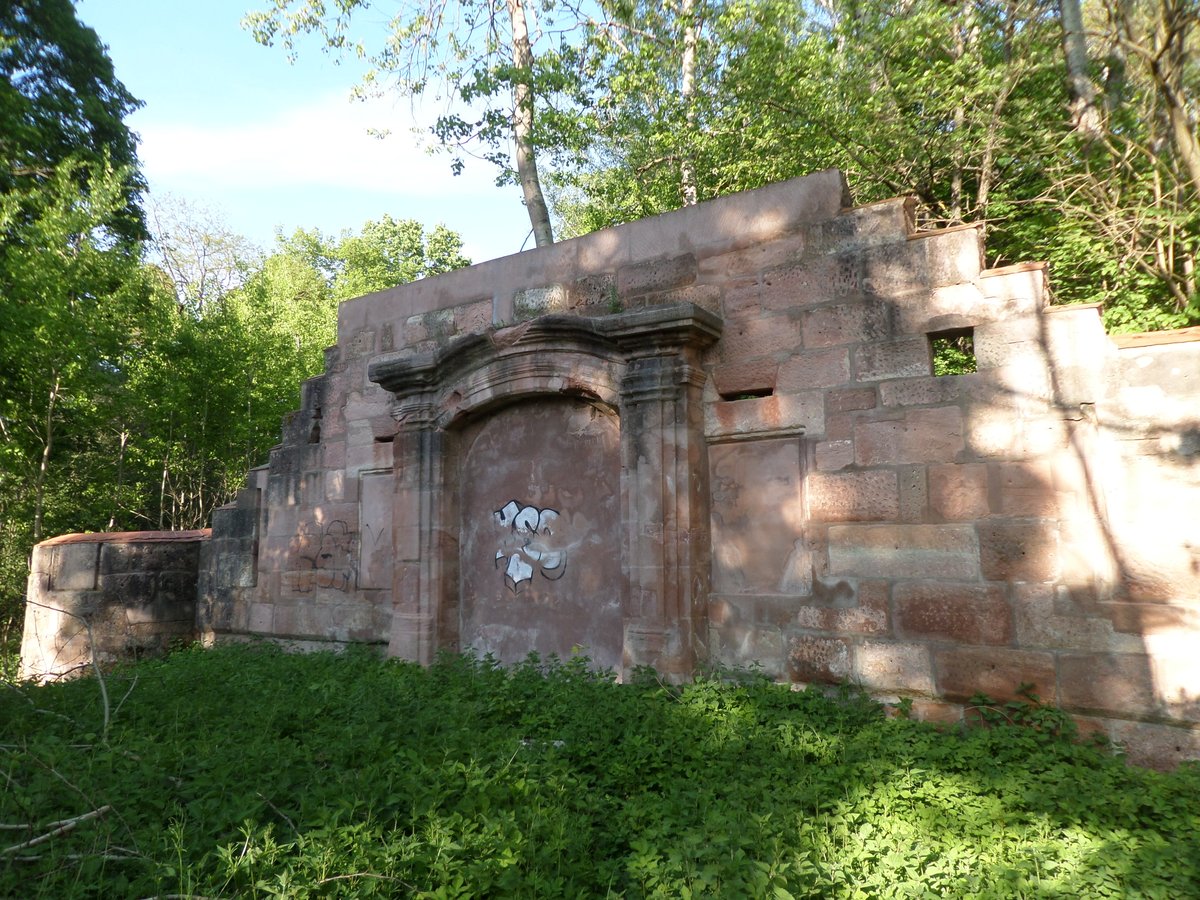
The turning point came in 1833. The buildings of the complex began to be sold off individually, and a practical, modern need replaced old aristocratic pride. An entrepreneur from Röthenbach an der Pegnitz purchased the castle and its chapel. He did not wish to inhabit them; instead, he ordered the demolition of both structures. He took the stones and hauled them away to expand his paper mill, literally turning a fortress into a factory.
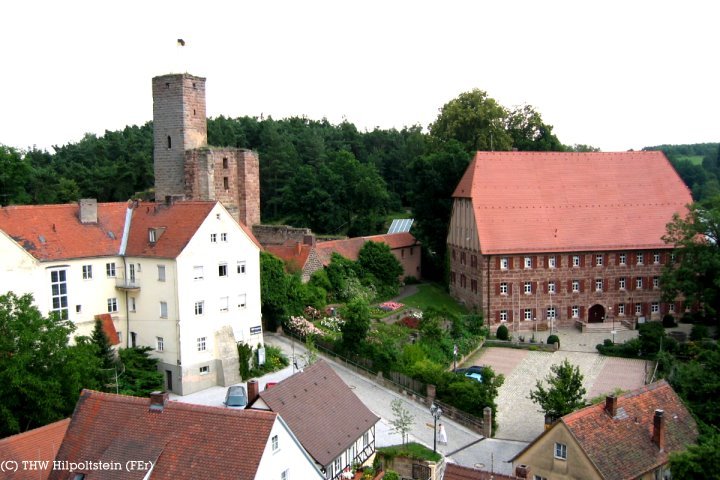
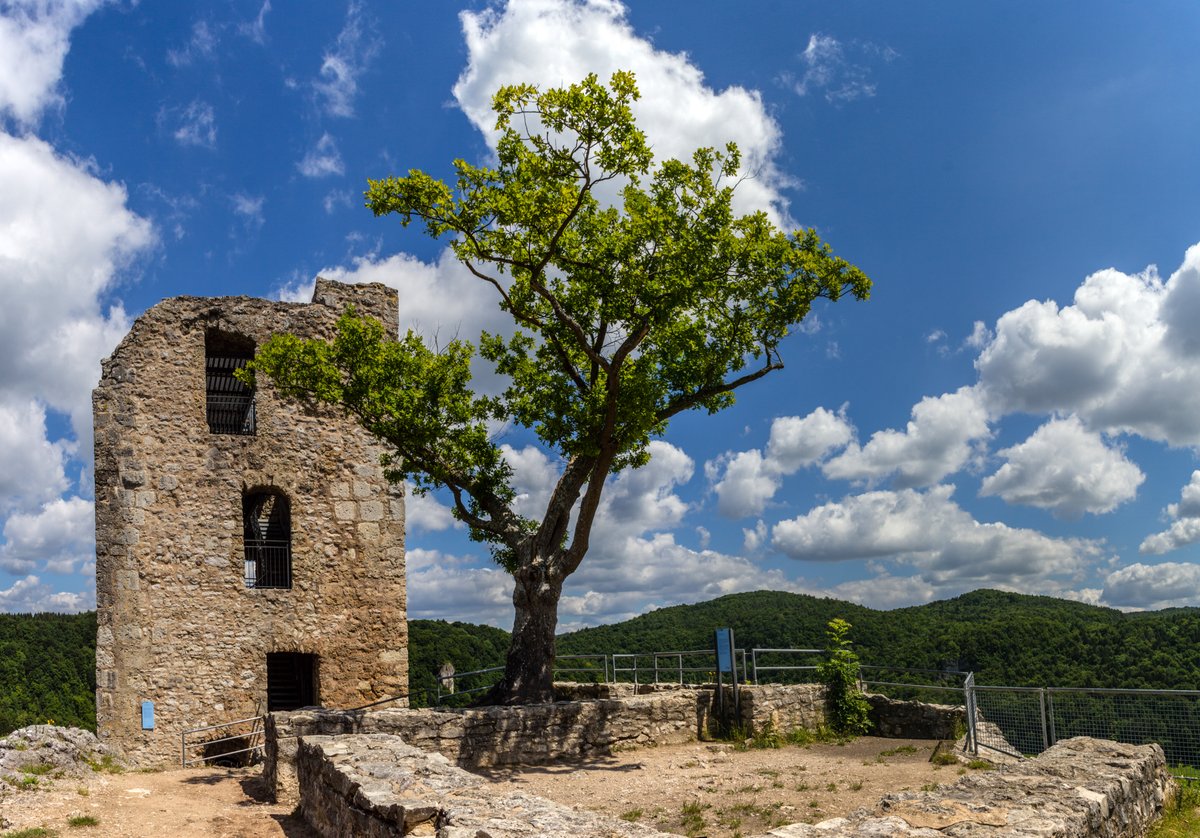
Only the gatehouse and the outbuildings from the medieval core remain standing today. These structures were bought by local craftsman families, and their descendants still live in them today. The community even received an award in 1987 for the renovation of the gatehouse, ensuring that while the mill took the castle, the gatehouse stayed to watch the road.
Sources: Wikipedia, OpenStreetMap, Wikidata, Wikimedia Commons
Written by Aurora
Discuss this with the author and others
No comments yet. Be the first to start the conversation.