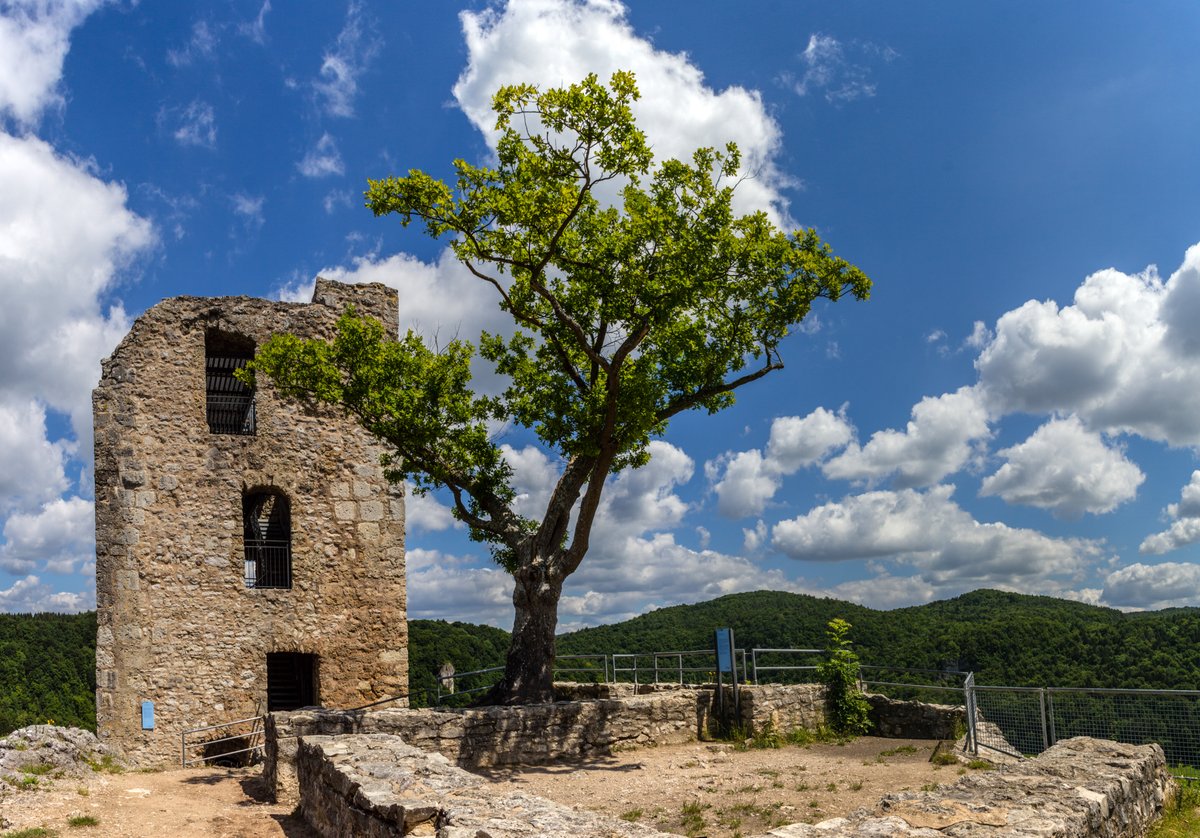
A single stone, launched from a trebuchet in 1347, killed Conrad II of Schlüsselberg and left Neideck Castle a hollow shell. The violence was sudden, a consequence of a fierce feud over a toll involving the bishops of Würzburg and Bamberg and the Burgrave of Nuremberg. Conrad II owned the castle from 1312, expanding it into one of the largest German castles of its era, yet his life was cut short on 14 September 1347.
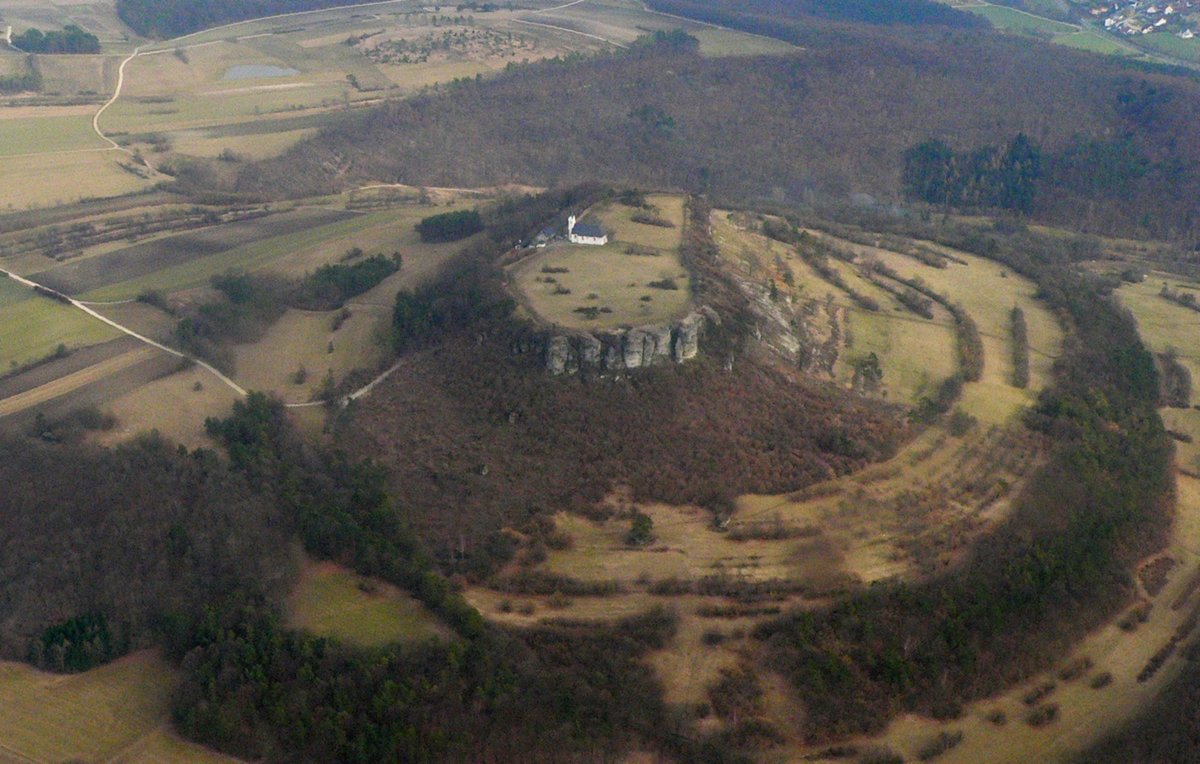
High above the village of Streitberg, the castle sits on a distinctive rock shoulder overlooking the Wiesent valley. It was a high mediaeval nobleman's castle, likely rising from the earth in the mid-12th century. Long before the stone walls were raised, the plateau held deeper secrets: archaeological traces of the Urnfield, late Hallstatt, early La Tène, early Roman Empire, and Great Migration periods exist on the plateau. The unusual size of the medieval castle and its deep ditches may indicate an early medieval hillfort.
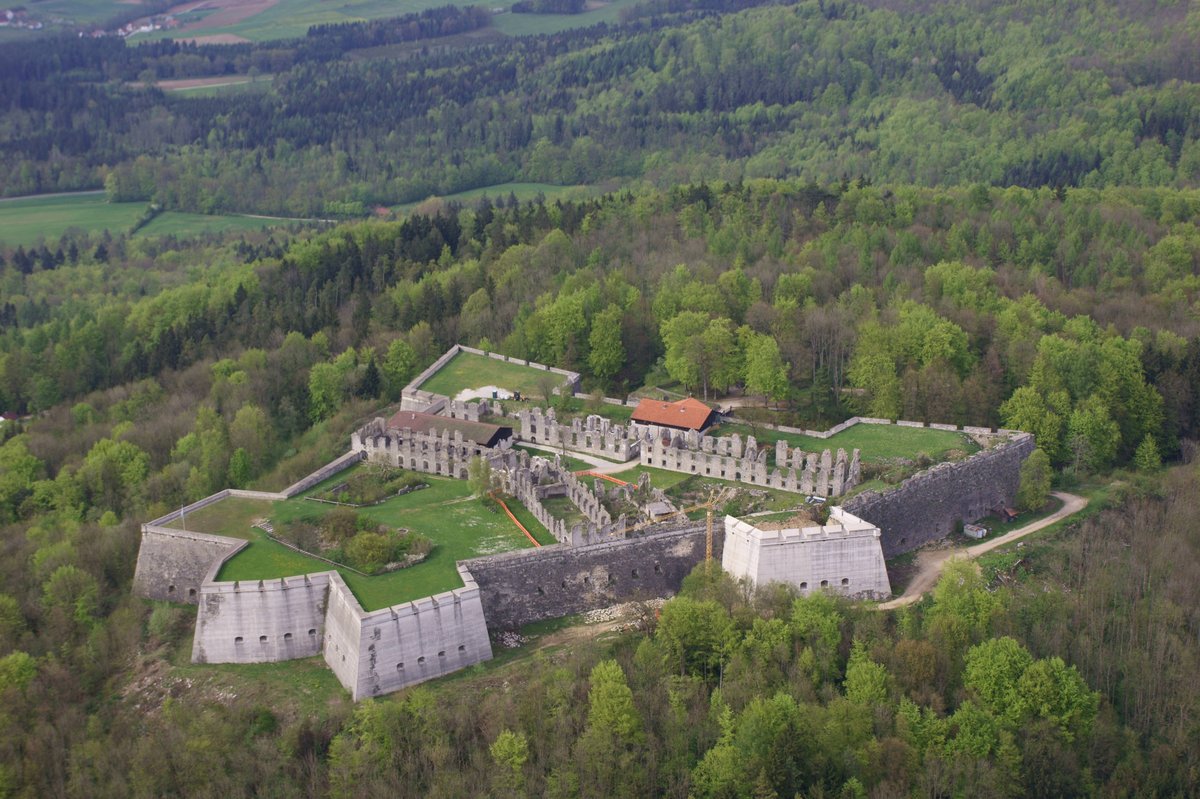
At its peak, the castle was a sprawling labyrinth of defense, measuring 140 by 200 metres. It was organized into three distinct areas, partitioned by deep neck ditches that carved into the landscape. A massive outer bailey was shielded by a moat 100 metres long and 7 metres deep. Behind this lay a towering shield wall, constructed around 1300, which stood as a primary barrier against invaders. The middle bailey was reinforced with two artillery roundels in the early 16th century, though the curtain walls between the roundels and the middle bailey gate are almost completely lost.
The western roundel bastion flanked the main approach road, while the eastern tower featured cross key embrasures - narrow slits designed for the use of crossbows and early arquebuses. By the time the mercenaries of Margrave Albert Alcibiades of Brandenburg-Kulmbach arrived in 1553, the castle had already seen centuries of use. They captured the site and set it ablaze, leaving it a scorched ruin that would remain in that state until the early 19th century, when residents of the valley began using the fortress as a quarry.
Even the very rock beneath the castle was harvested for marble between 1737 and 1743. It was not until the late 20th century that the site began to be reclaimed. After a period of neglect, the municipality of Streitberg initiated conservation efforts following the Second World War, and a comprehensive renovation of the ruins was finished in 2008.
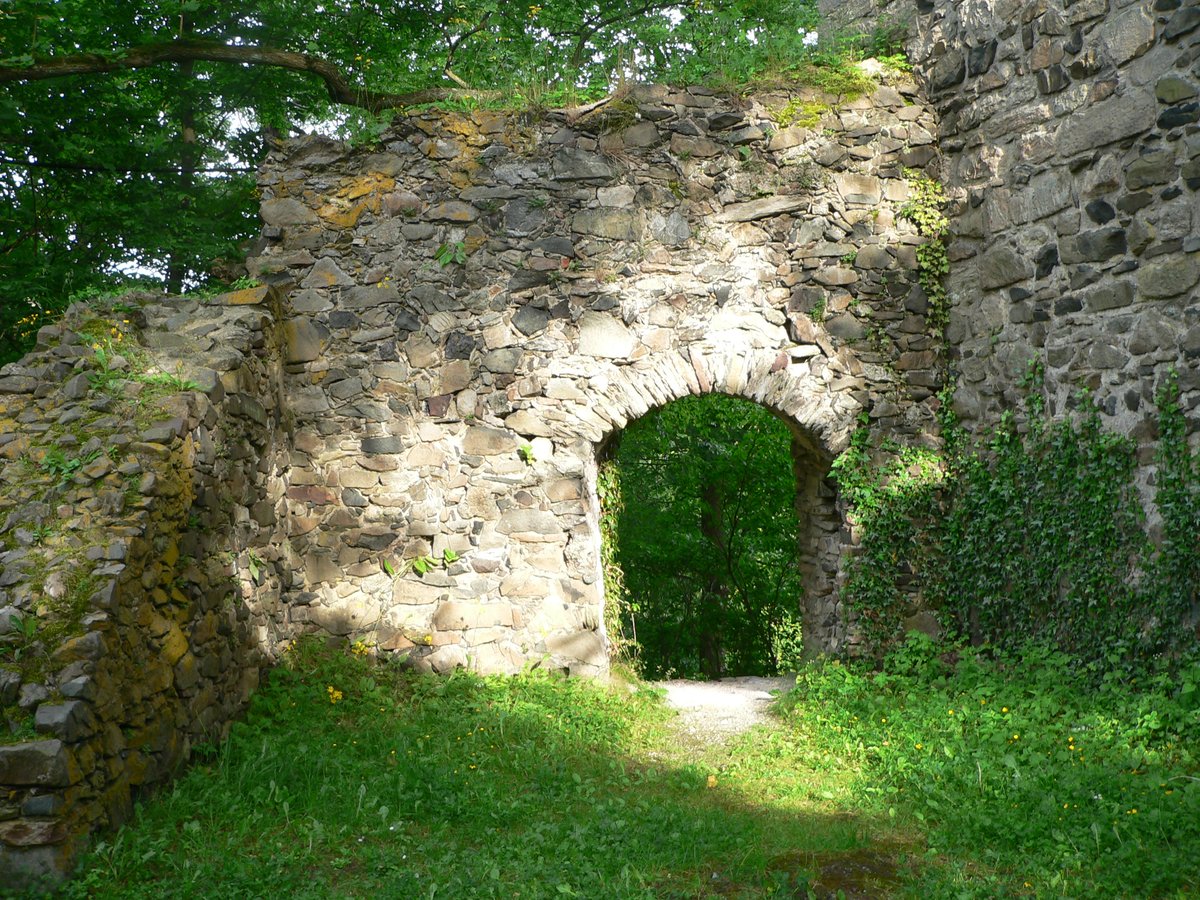
Today, the ruins are a public archaeological park where the silence of the valley meets the history of the high ground. The tower house remains, functioning as a viewing point for those who walk the trails from Streitberg or the surrounding plateau. You can wander freely through the shield walls and across the old moats, following the footprint of a castle that was once a titan of the Franconian Switzerland landscape.
Sources: Wikipedia, OpenStreetMap, Wikidata, Wikimedia Commons
Written by Aurora
Discuss this with the author and others
No comments yet. Be the first to start the conversation.