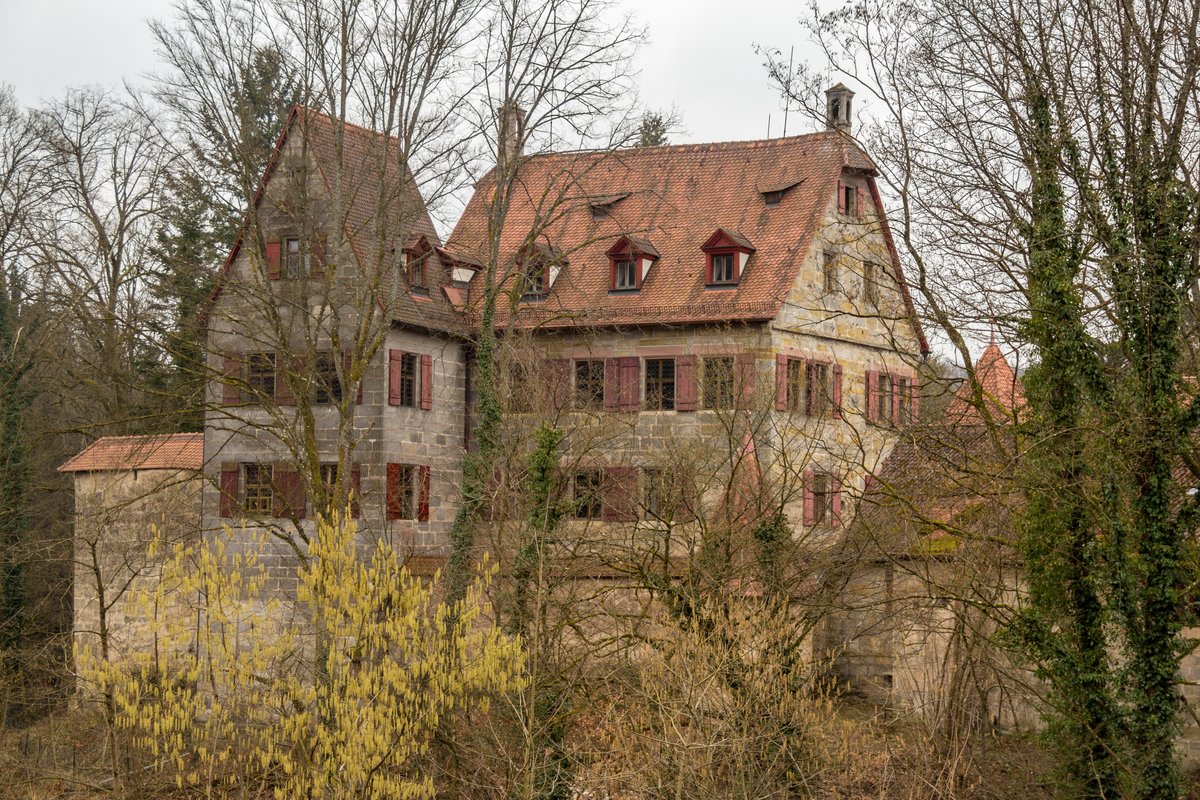
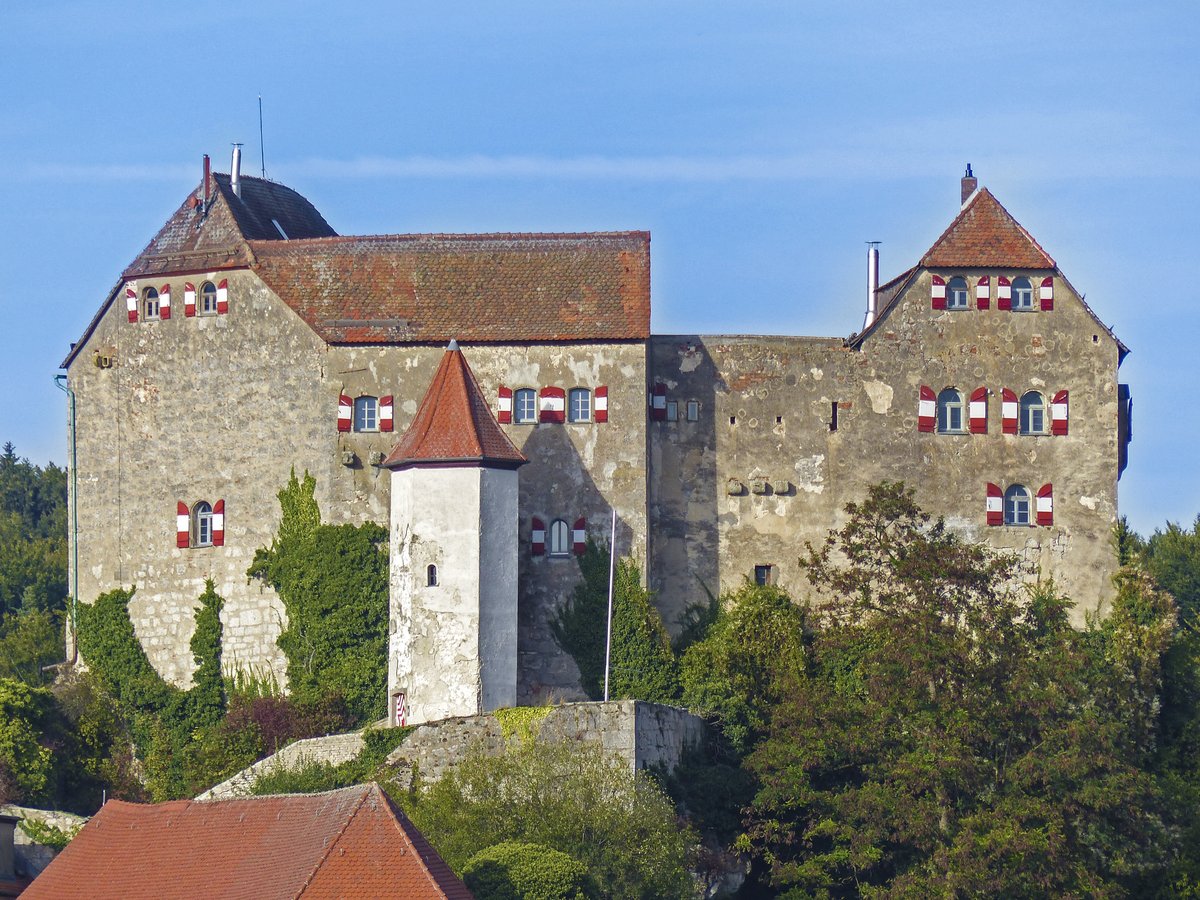
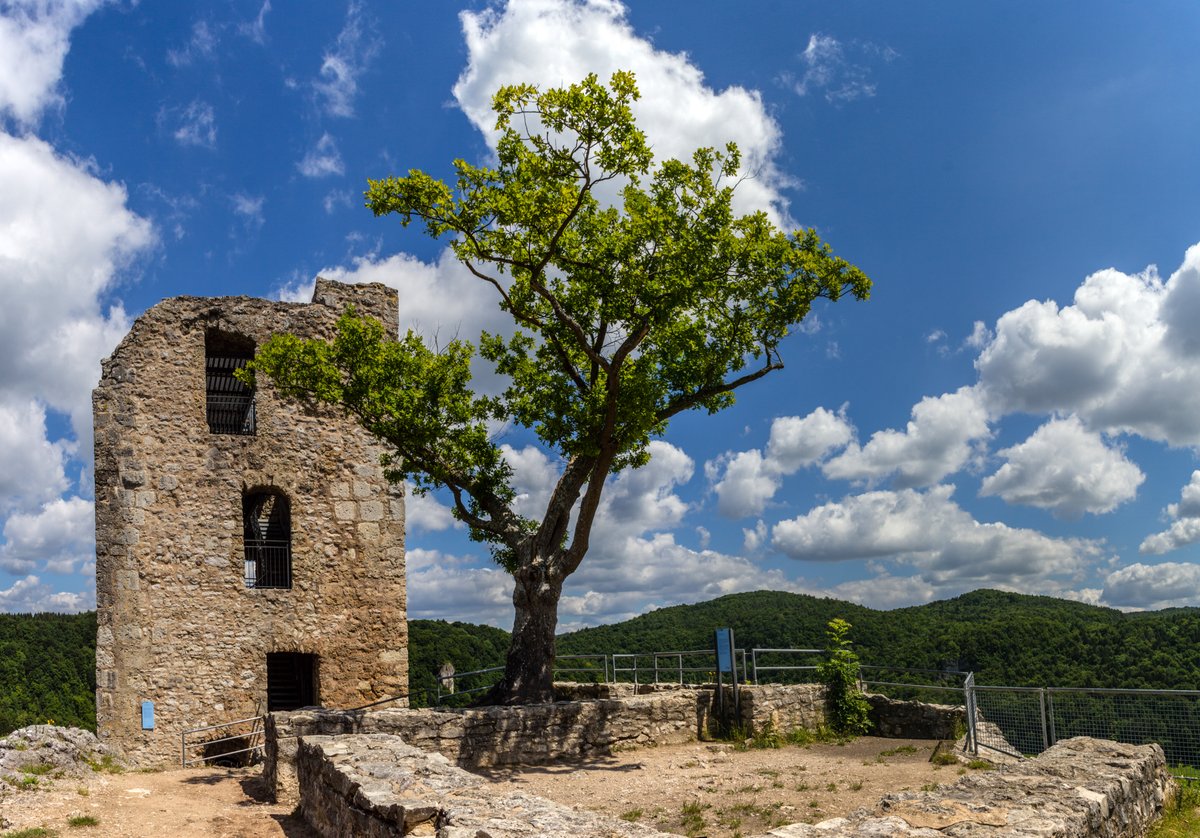
The castle is located on a hill spur overlooking a gorge dropping down to the Schwarzach river. A hypothesis suggests a defensive tower from the Hungarian invasions of 945 once stood on this site, though there is no firm evidence. By 1231, this imperial fief belonged to Albertus Rindesmule de Nurnberch, who called himself Rindesmule de Grundisperc. After the Staufer dynasty collapsed, Ludwig the Severe inherited the land from Konradin. In 1311, Ludwig the Bavarian pledged the castle to the brothers Albrecht, Marquart, and Hartmann Rindsmaul for 350 pounds of Heller.
The Rindsmaul brothers were to spend 100 pounds of the loan on building works at Grünsberg. By 1315, Ludwig transferred the pledge to the knight Seyfried Schweppermann in exchange for help at the Battle of Gammelsdorf. This pledge of the Schweppermann family as heirs of the Rindsmaul was confirmed in 1375 by Palatine Ruprecht.
Later, the Freudenberger family took over the castle in 1433, which Nuremberg troops besieged and damaged during the First Margrave War. Ownership shifted to the Truchseß von Pommersfelden family in 1481, but Nuremberg troops burned the castle during the Landshut War of Succession. By 1504, the castle fell to the Imperial City of Nuremberg. The city rented the entire estate to the merchant Wilhelm Rauscher in 1506, who lost the property to his creditor Hans Durnhöfer before being forced to return it to the Nuremberg City Council in 1518 due to insolvency. In 1529, patrician Friedrich Behaim bought the entire estate for 3000 Gulden, required to keep the castle open to the Nuremberg City Council and could only sell or inherit it to Nuremberg citizens.
The castle was still considered a ruin before fire damage occurred during the Second Margrave War in 1552. The Oertel family acquired the property in 1556 and rebuilt the castle, completing the three-story main residence, the Hauptkemenate, in 1561. After the Oertels, the castle passed through several hands, including Sigmund Haller von Hallerstein, who inherited it in 1579, and Johann Paul II. Paumgartner von Holnstein, who inherited it in 1672 and joined his family name with Grünsberg.
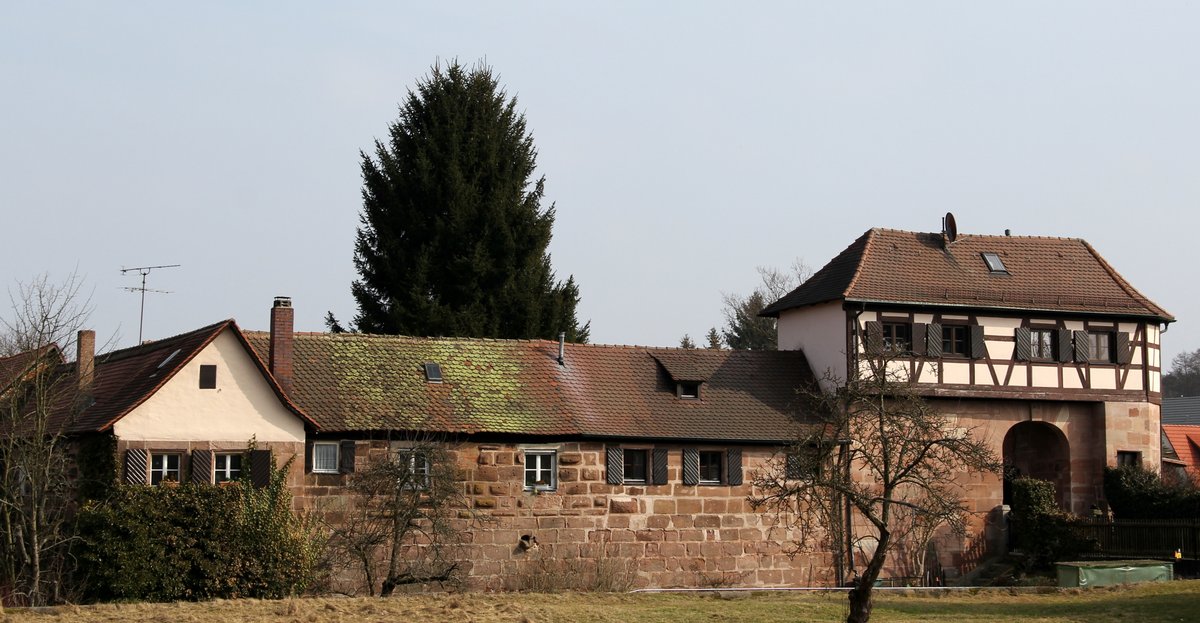
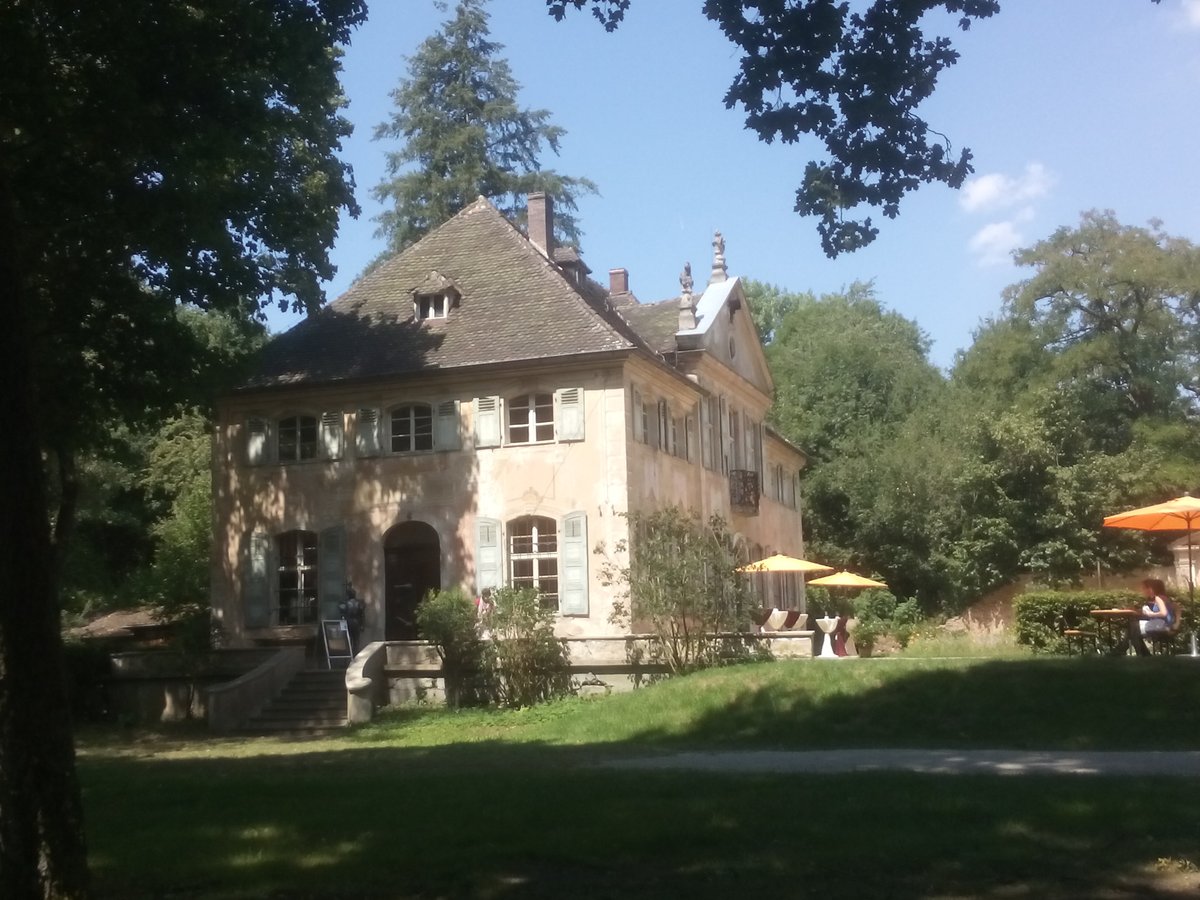
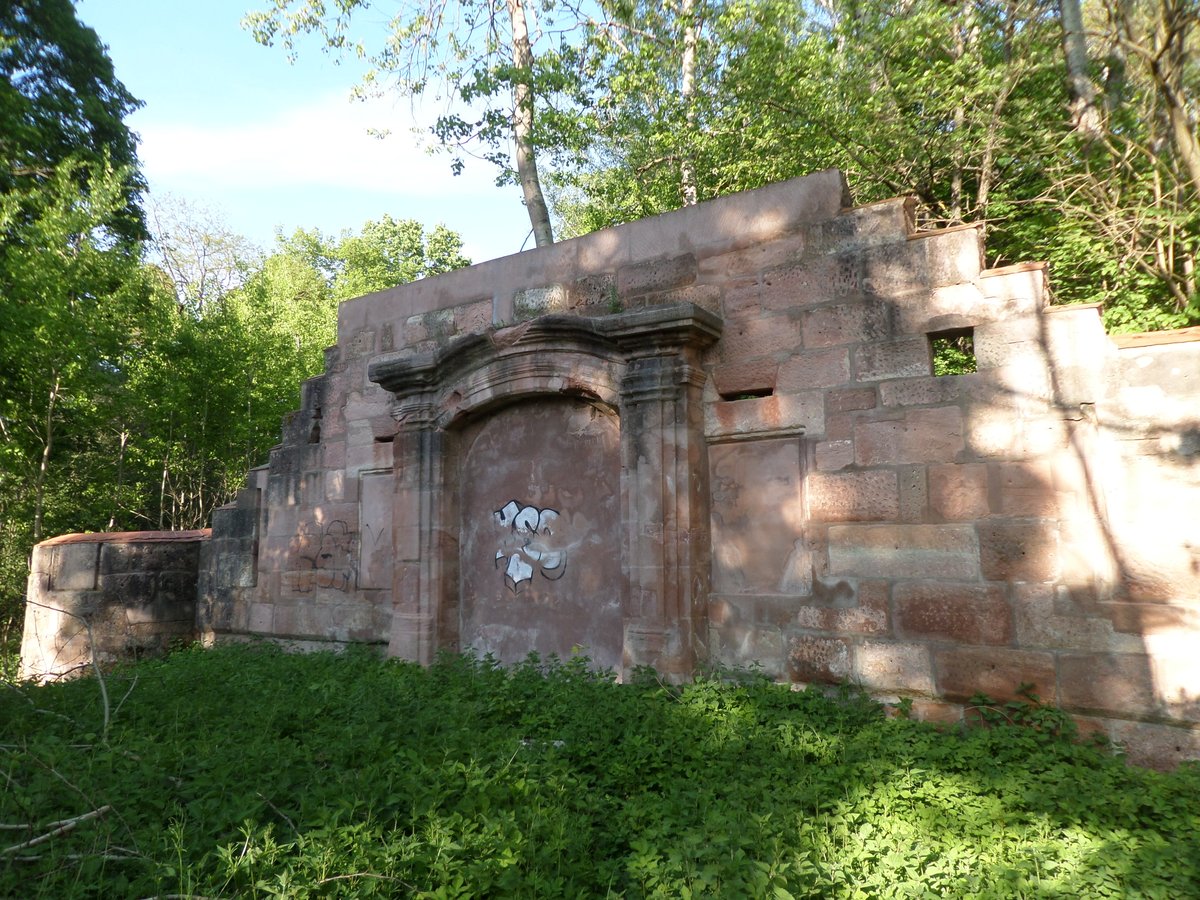
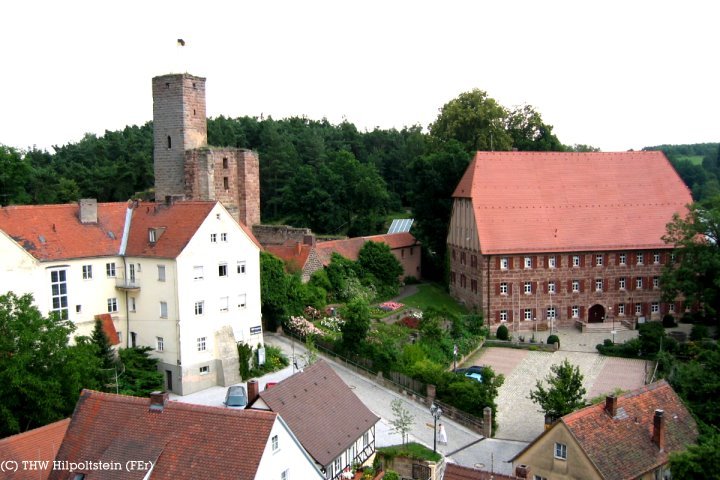
Between 1717 and 1723, Johann Paul III. Paumgartner expanded the castle into a palace complex. He added a staircase tower to the main building, a tower building at the northeast corner, and a gatehouse. He also added significant stucco ceilings and preserved the basic shape of the medieval castle. Outside the south wall, he created a Baroque garden, a straight alley, and a fountain called the Sophienquelle, while the Himmelgarten was baroquized and given an orangery. In 1730, Sophie Paumgartner married a Haller. In 1766, she gave Schloss Grünsberg to her son-in-law Karl Christoph Stromer von Reichenbach to settle her high debts. The Stromer family has owned the castle since 1766.
Sources: Wikipedia, OpenStreetMap, Wikidata, Wikimedia Commons
Written by Aurora
Discuss this with the author and others
No comments yet. Be the first to start the conversation.