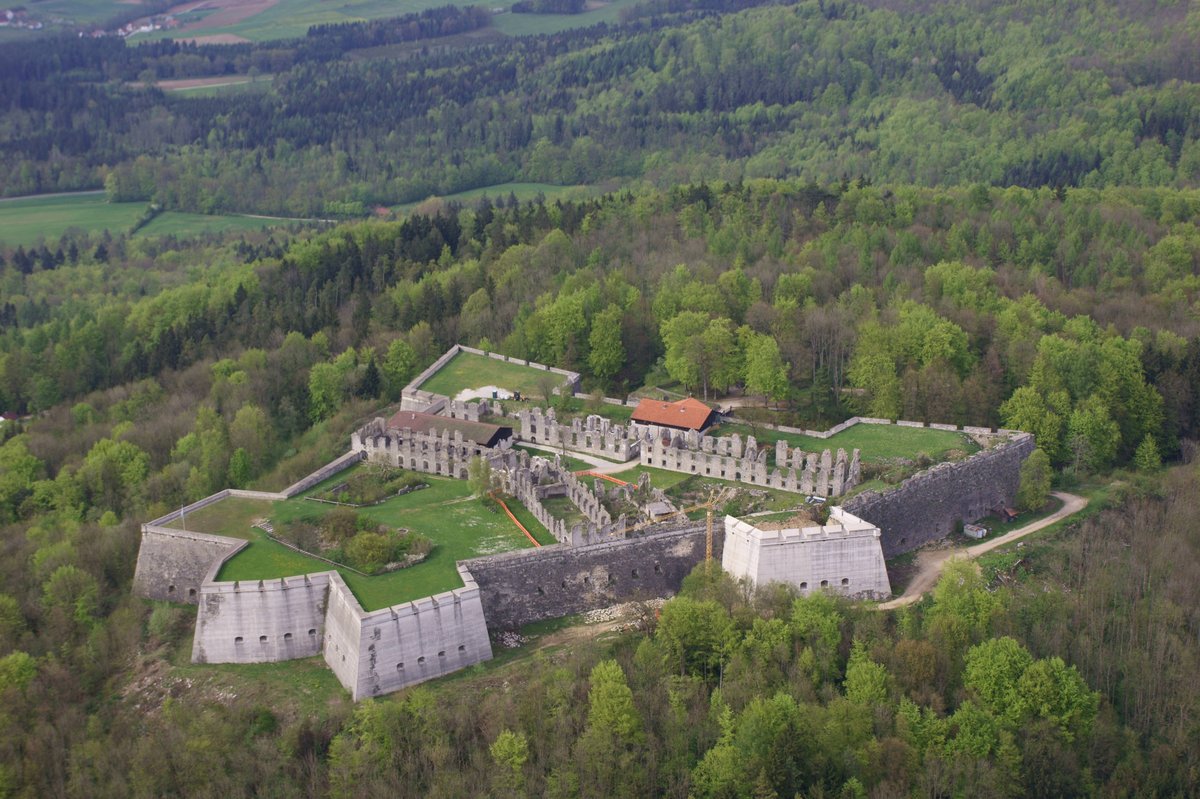
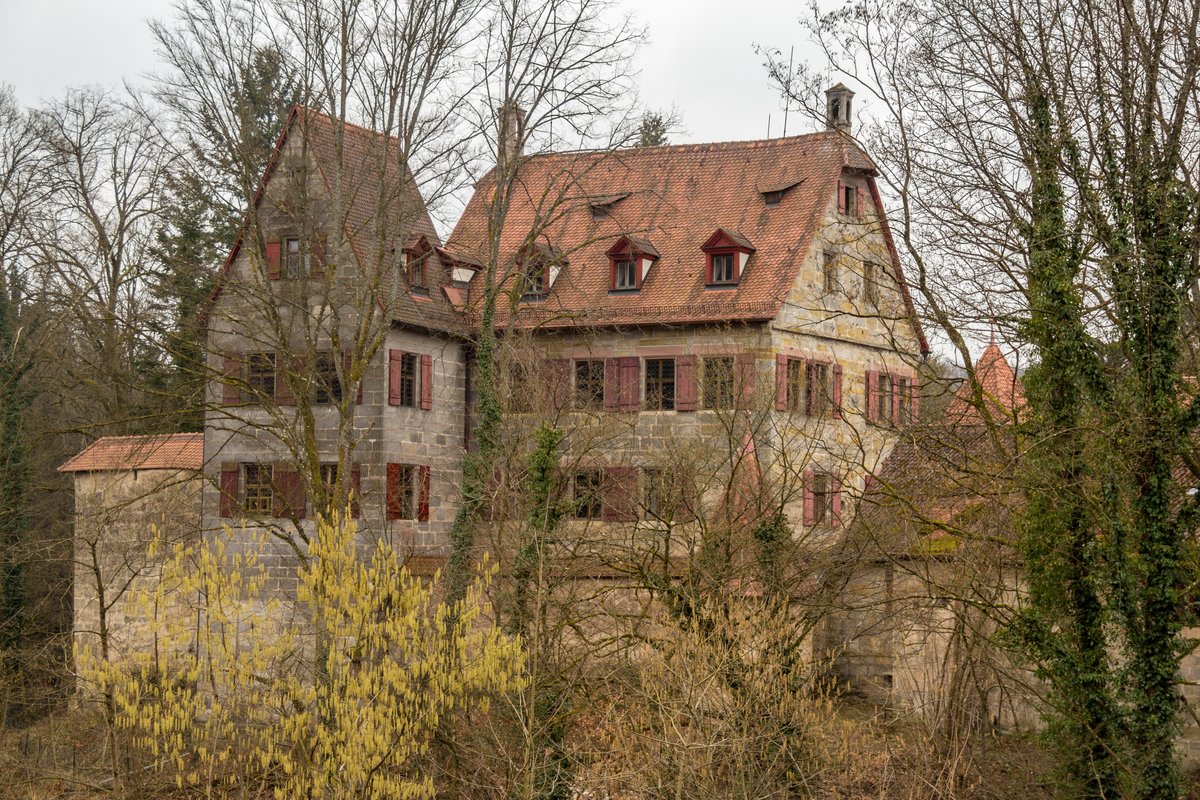
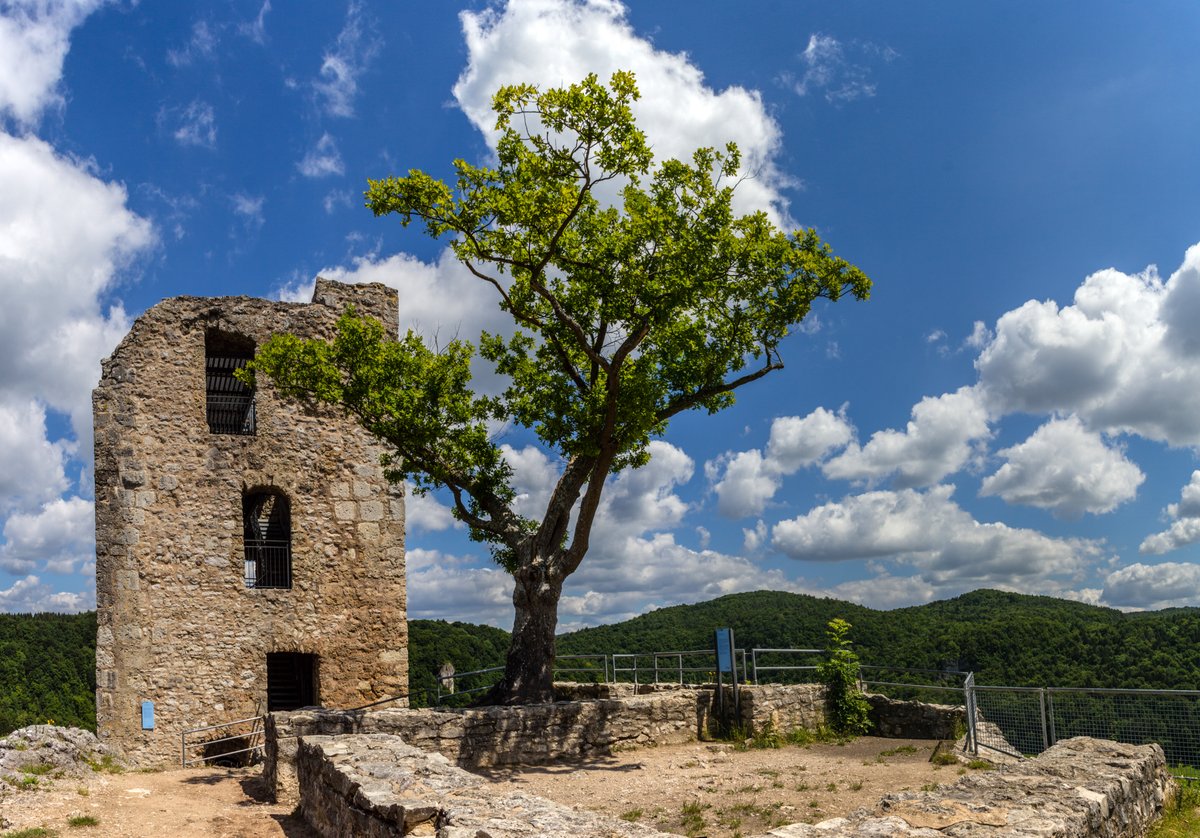
The hill near Schnaittach rises 588 metres into the Franconian Jura. At its peak sits the ruin of Rothenberg, a place where layers of stone and brick speak of shifting loyalties. It began as a fortification by Dietrich von Wildenstein between 1300 and 1330, a sturdy hold that eventually passed into the hands of Emperor Charles IV. He transformed it into a border castle to protect his Bohemian allodial estate.
By 1478, the castle underwent a metamorphosis into a Ganerbenburg, a joint-fief shared by a sprawling collective. Forty-four co-vassals joined forces with the town of Rothenberg and the market town of Schnaittach to hold the keys. They were an Einung - a strong alliance of noble families who managed the site as a mesne fief. While they were given relatively little property and few rights, the castle held several rights of patronage in the Nuremberg area. At one point, the castle was famously described as a wasp's nest, a prickly, defensive community so formidable that even princes feared to fall out with them.
The community of co-vassals nominated a burgrave, a position held by men like Heinz von Guttenberg in 1483 and Hans von Steinau in 1585. The site remained in this state until the 18th century, when the Bavarian Elector Charles VII decided to replace the old, slighted fortifications with a modern masterpiece. From 1729 to 1750, workers erected a Rococo fortress based on French prototypes, a geometric star-shaped design intended to eliminate blind spots.
This new fortress was a marvel of brickwork, with walls reaching sixteen metres high on all sides. The interior vaulting soared ten metres, housing two two-storey barrack buildings, an armoury, a garrison headquarters, and a church. It was a self-contained world where up to 400 soldiers lived with their families, supported by a protected water supply from a fortress well. The north side featured a gently rising glacis and a covered way, designed to make the main rampart difficult to shell from a distance.
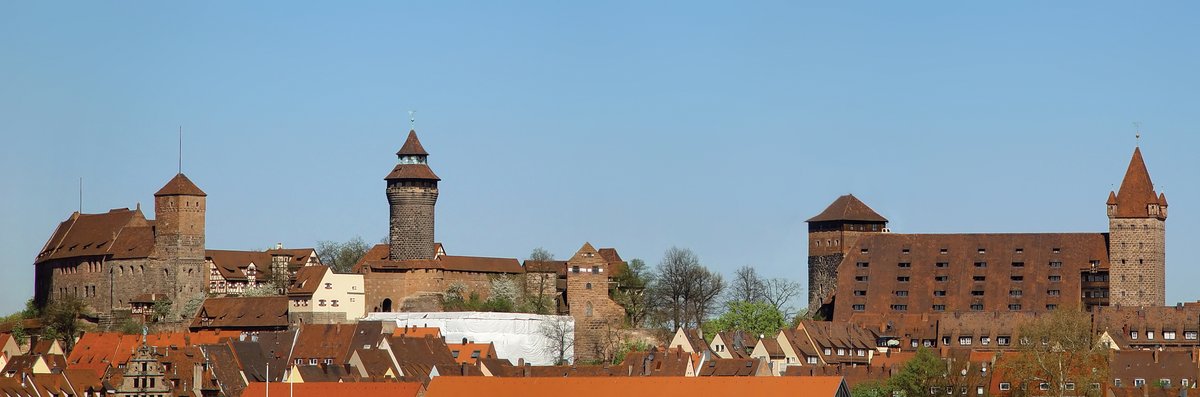
The fortress stood as a sentinel against the free imperial city of Nuremberg, which lay 25 kilometres away. It guarded the Bavarian border and the Electoral Bavarian enclave near Schnaittach until the geopolitical tides shifted. In 1806, Napoleon annexed Franconia to the Kingdom of Bavaria, rendering the border fortress superfluous to the army. It transitioned into a prison before the Bavarian Minister of War sold the entire inventory of the fortress, including doors and beams, in 1838. The fortress was abandoned and fell into ruins after that year.
Sources: Wikipedia, OpenStreetMap, Wikidata, Wikimedia Commons
Written by Aurora
Discuss this with the author and others
No comments yet. Be the first to start the conversation.