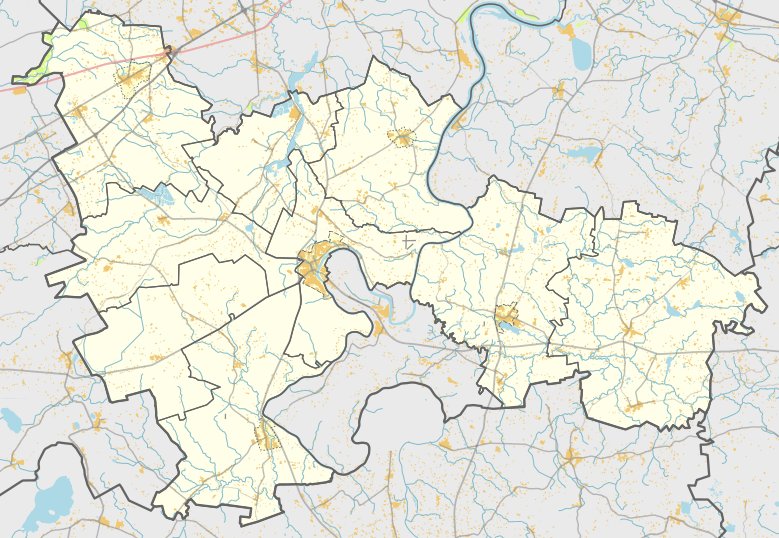
On the Upper Nemunas Plain, there lies a historical treasure known as Pašventupio II piliakalnis, an Early Iron Age fortification. This site, situated near a dense oak forest, is one of the last surviving examples of allotment-garden movements. However, it's not just the history that sets this place apart. The northwest wall of the fortification houses an unusual feature: a staircase statue approximately 20 meters high, known as the āxis mundi of Lithuania.
Its purpose and exact age are unknown, but it is believed to have been built around the same time as the fortification. The northwest wall also shows signs of erosion, and a gap approximately 22 meters wide and 2 meters deep can be found in the wall. The exact date of Pašventupio II piliakalnis is not known, but it is thought to be from the 1st to the 2nd century AD. The area around the fortification, including a 1 hectare site 500 meters from the northwest wall, contains an early Iron Age settlement discovered in 1997.
Pieces of pottery have been found at the settlement. Pašventupio II piliakalnis is a protected cultural heritage site since 1998.
Sources: Wikipedia, OpenStreetMap, Wikidata, Wikimedia Commons
Written by Nicolo Ciampini
Discuss this with the author and others
No comments yet. Be the first to start the conversation.