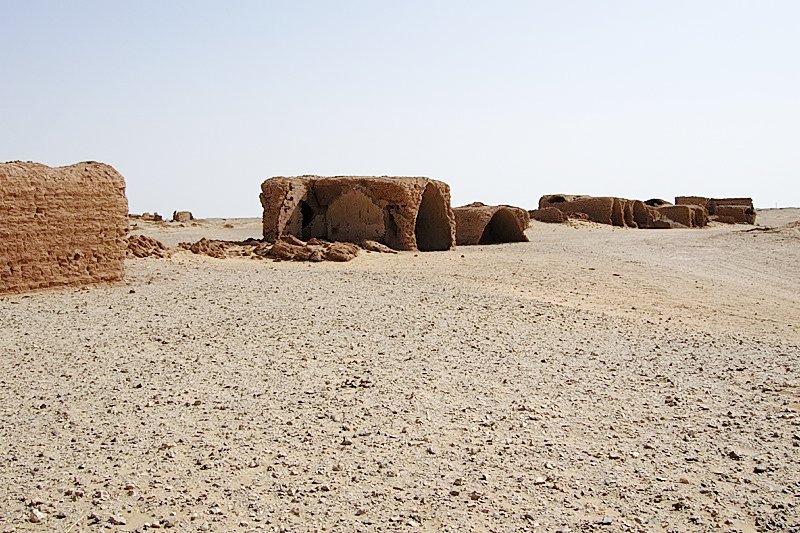

Ancient Kellis, now known as Ismant el-Kharab, was a village in Upper Egypt during the Hellenistic, Roman, and Byzantine periods. Located about 2.5 kilometers east-southeast of present-day Ismant in the Dakhleh Oasis, it sat about 11 kilometers northeast of the oasis capital, Mut. The village measured 1,050 meters long and 650 meters wide, built almost entirely of mud brick on a low terrace surrounded by fields.
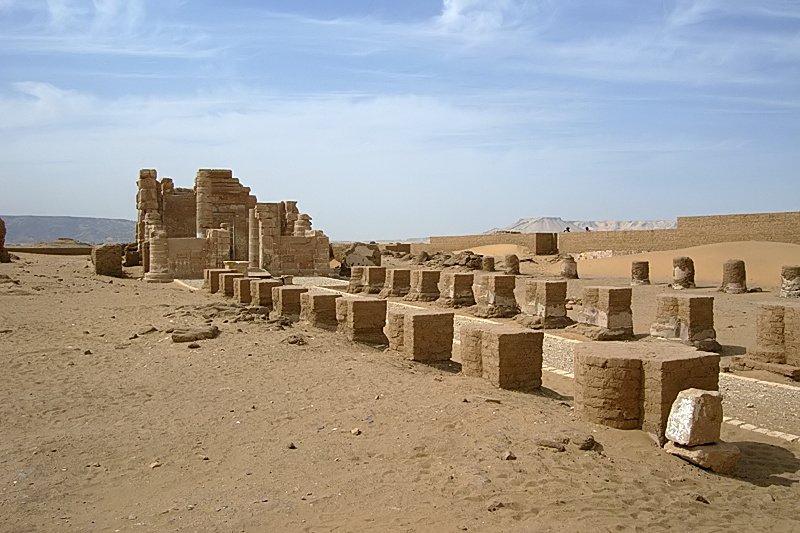
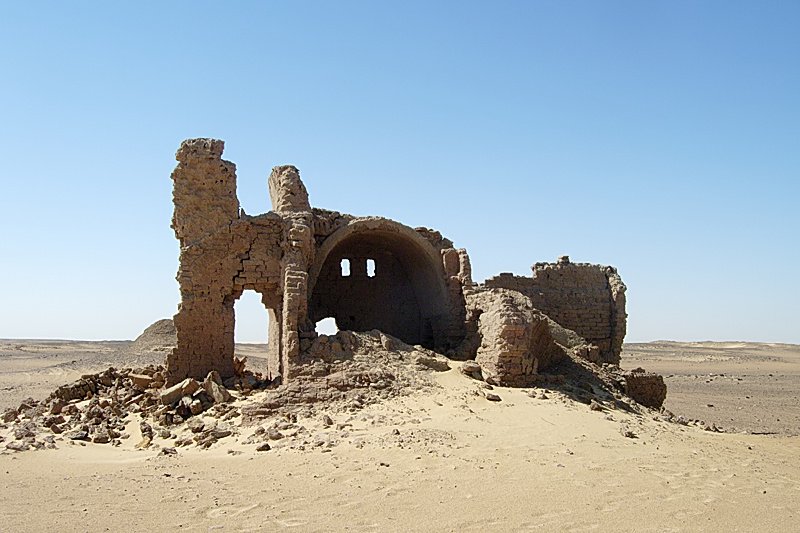
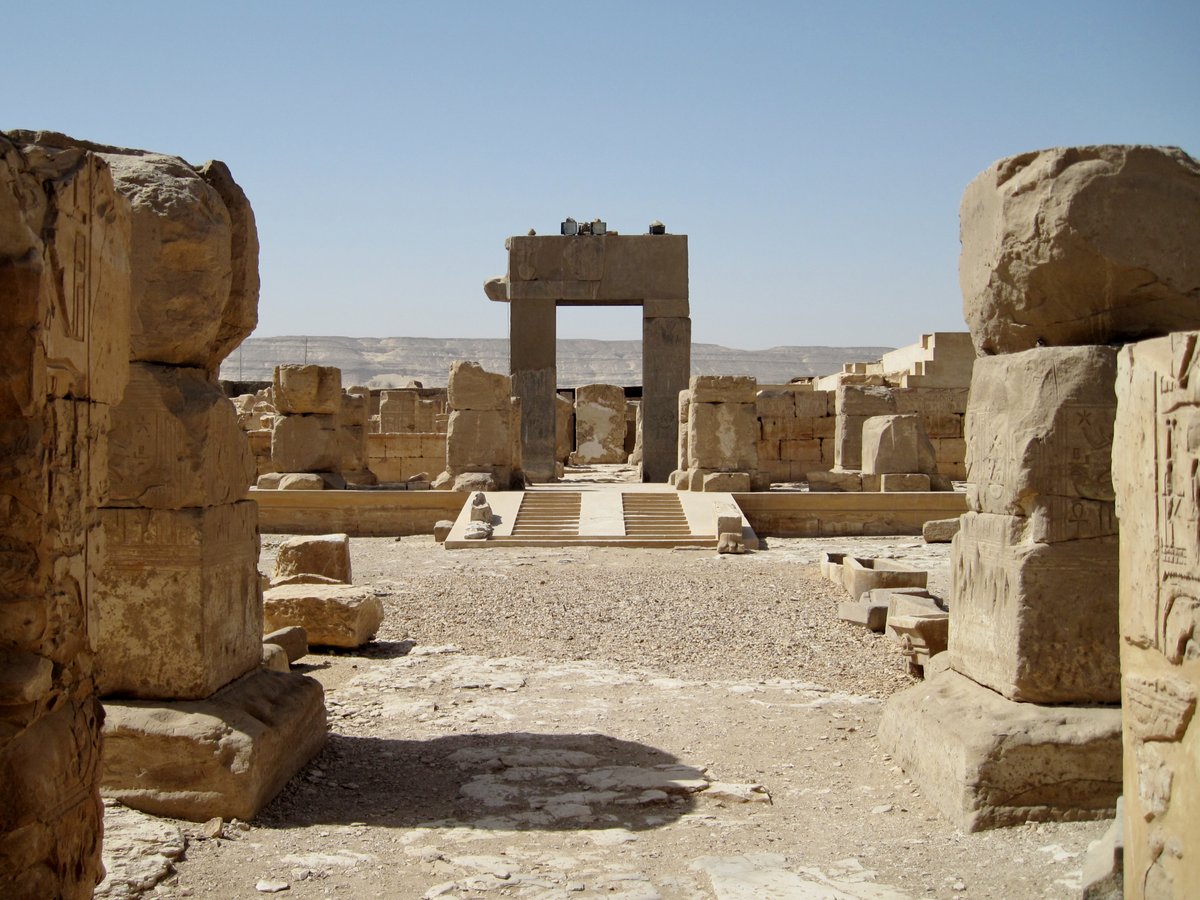
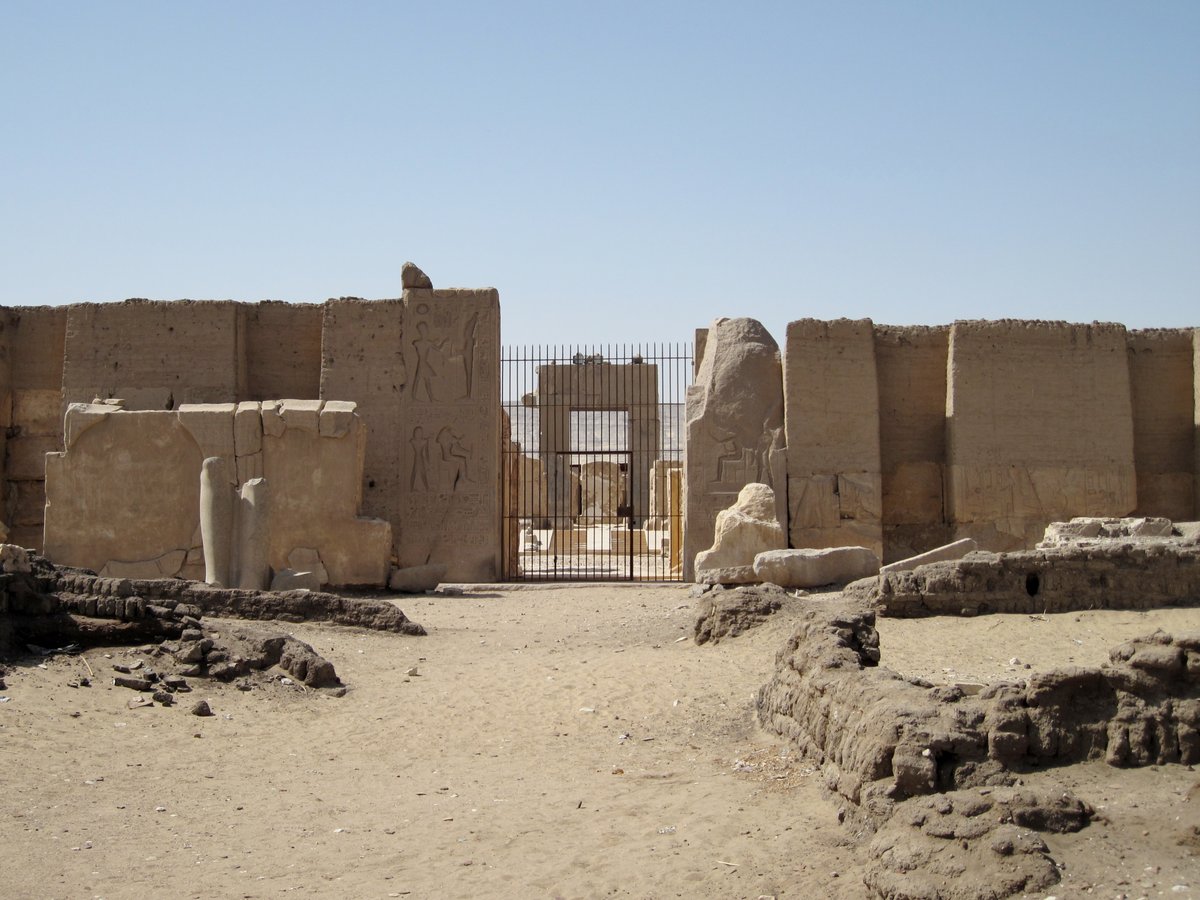
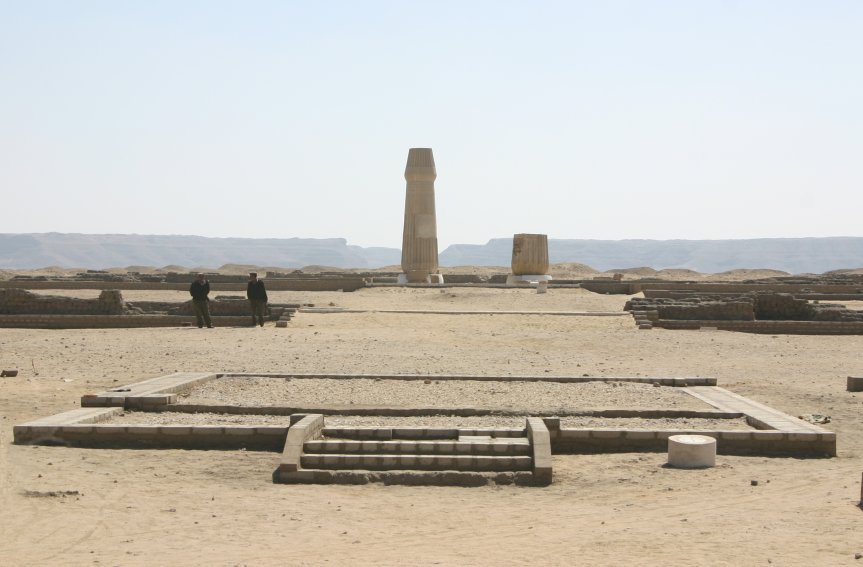
Residents of the village engaged in weaving, handcrafted pottery, and blacksmithing. The site contained the Temple of Tutu and three churches, including the Small East Church, which is the oldest known church building in Egypt. While the village was occupied starting in the late Ptolemaic Period, it was abandoned sometime after the year 392 and has remained mostly unoccupied since then, with the exception of a period in the 1940s when some Bedouin camped there.
Archaeological exploration of Kellis began in 1986, with funding from the Australian Research Council since 1991. Excavators have unearthed thousands of writing fragments, many pertaining to Manichaeism, as well as wooden books, glass vessels, tools, and domestic items. The site also contains cemeteries with mummies covered with masks and other cartonnage elements.
Sources: Wikipedia, OpenStreetMap, Wikidata, Wikimedia Commons
Written by Mutabor
Discuss this with the author and others
No comments yet. Be the first to start the conversation.