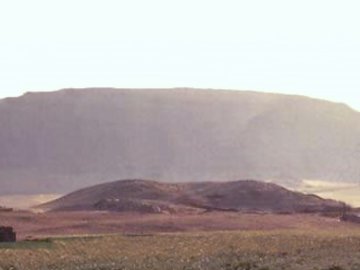

Ahmose I exercised full sovereignty over the whole country after his victory over the Hyksos, marking the beginning of the New Kingdom. To mark his rule, he raised a pyramid amidst the desert wastes of Abydos. It stood as the last royal pyramid to be built in Egypt, a final decree of stone before his successors decided not to be interred in pyramids.
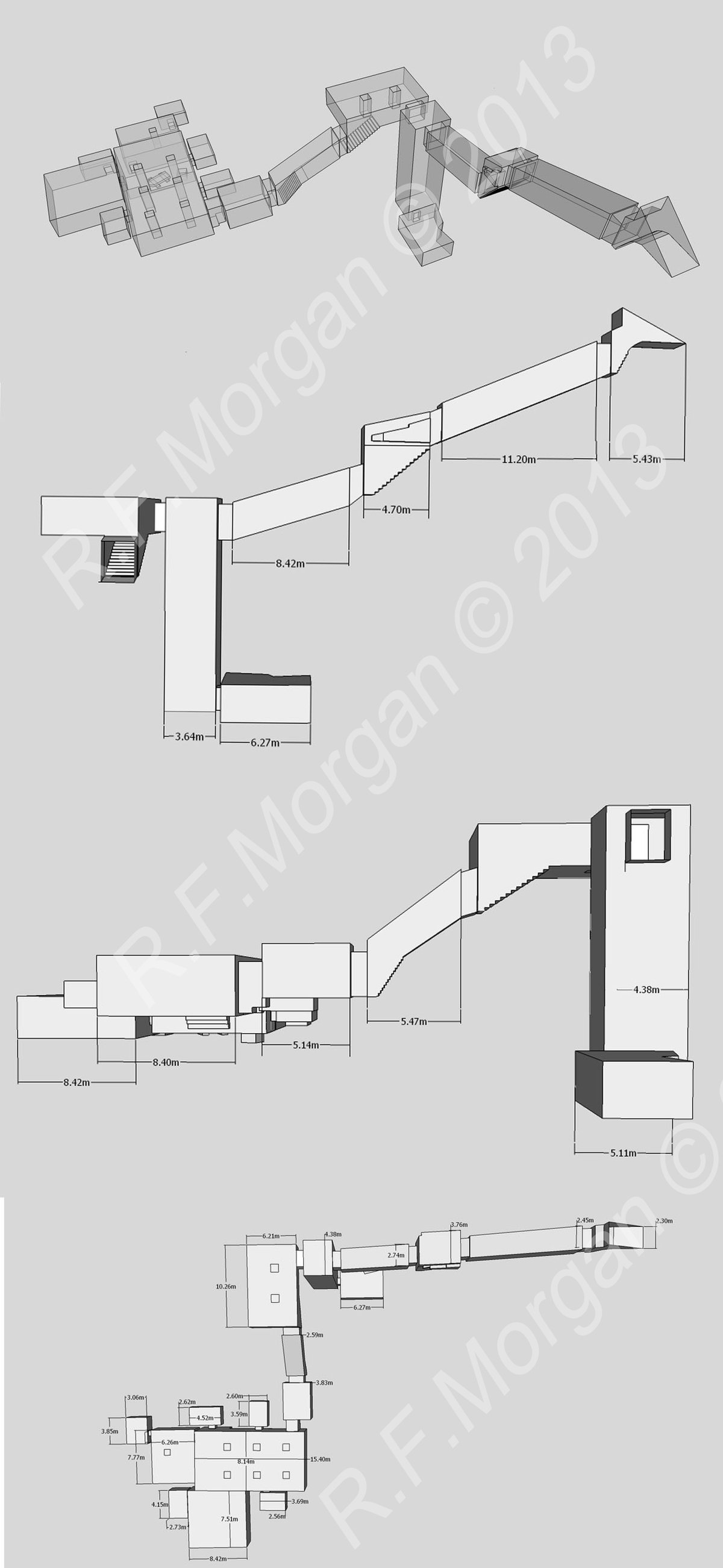
Yet this pyramid sheltered no secret vault for the king's bones. It was a cenotaph built for the departed who rested in distant earth, likely in Dra' Abu el-Naga'. Its sharp slopes once pierced the heavens in a cloak of fine limestone. Now, the hands of time have stripped the face away, leaving only a low hill of rubble and sand about 10 metres in height. The core material might have derived from excavation of the underground Grave of Osiris in the southern part of the complex.
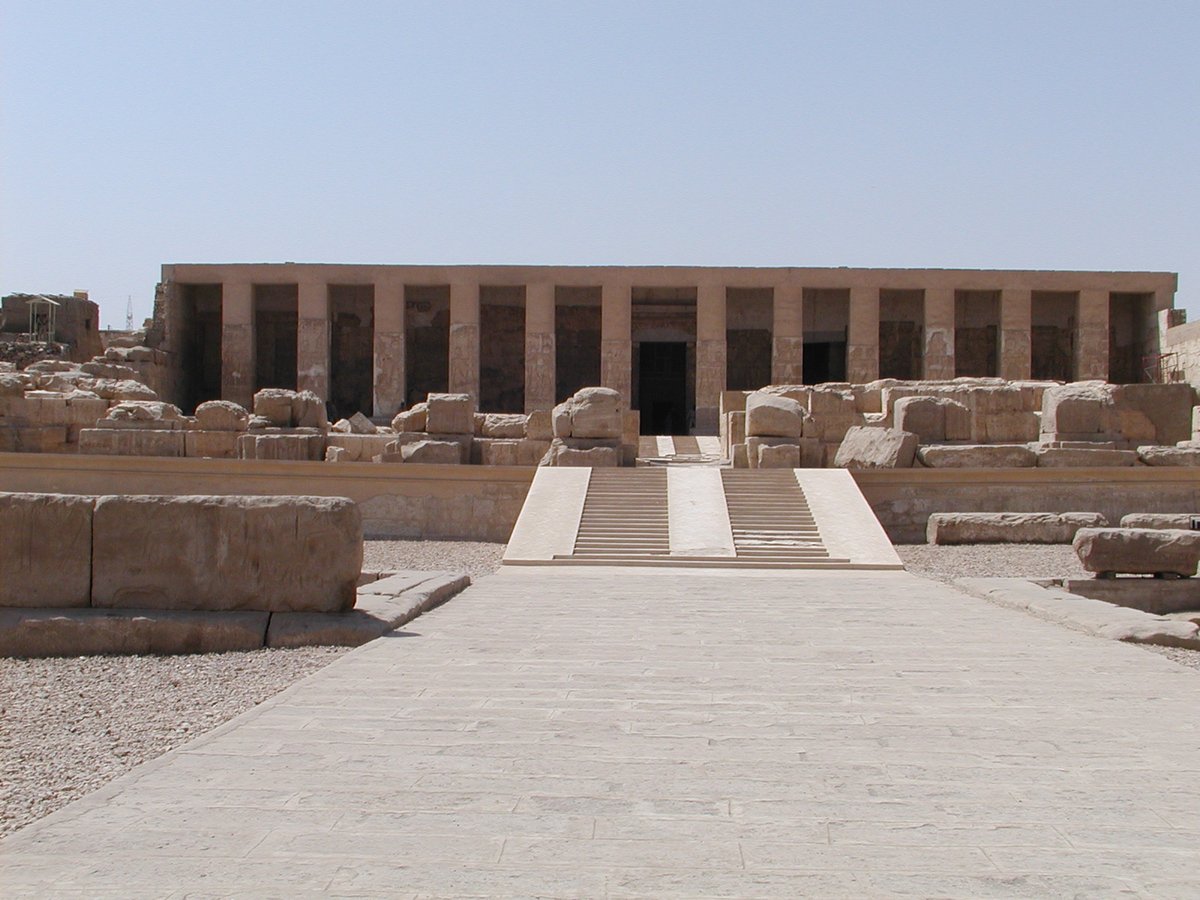
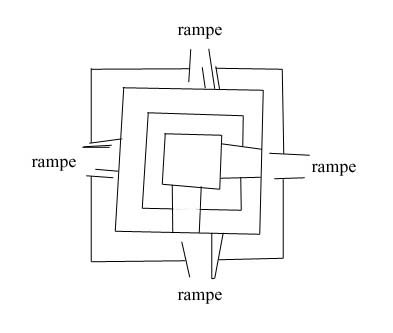
Nearby lies the pyramid of his grandmother, Tetisheri. She was a driving force in the efforts to reunify the country. Together, their monuments form a unique and stretched-out layout that differs fundamentally from all earlier pyramid complexes. The complex features a valley temple near the Nile floodplain, multiple temples surrounding the pyramid, a terrace temple, and a tomb of Osiris, all precisely aligned.
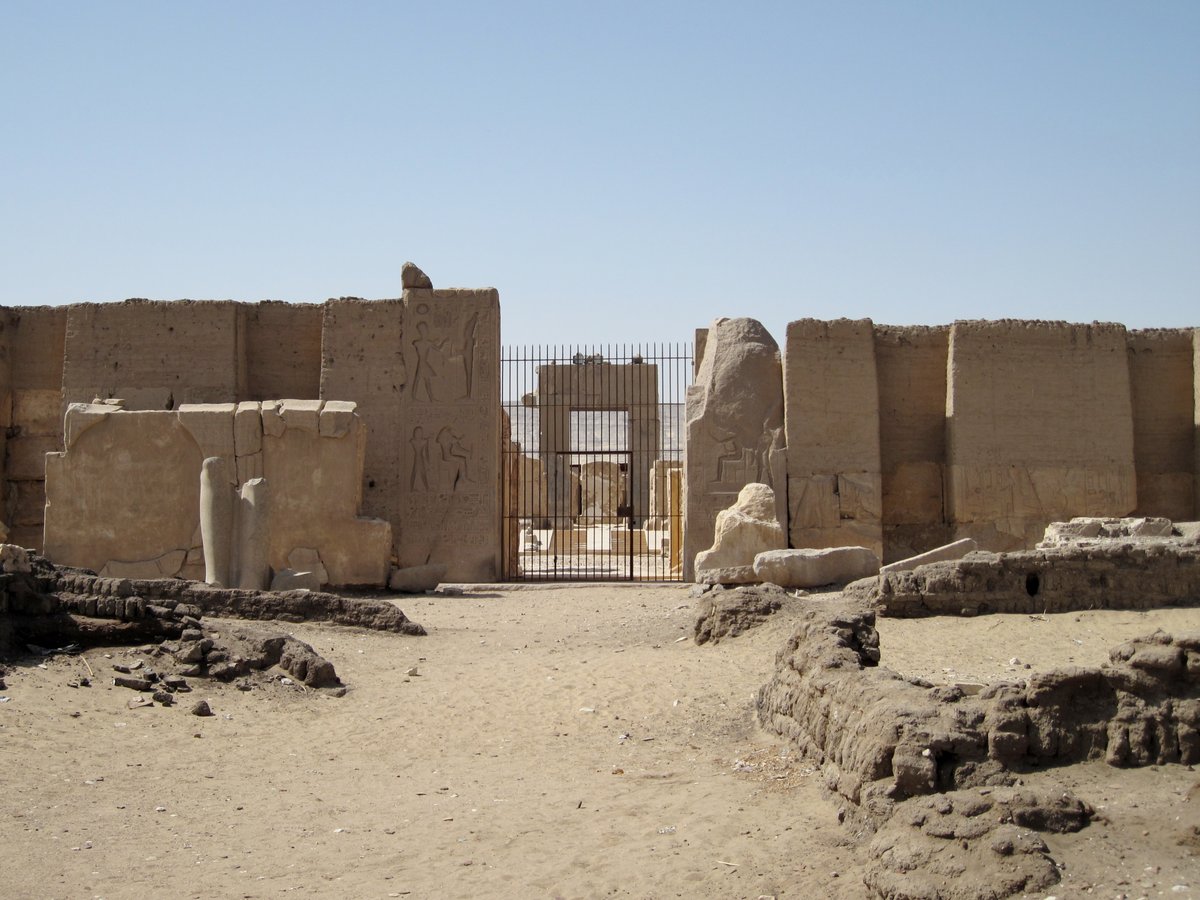
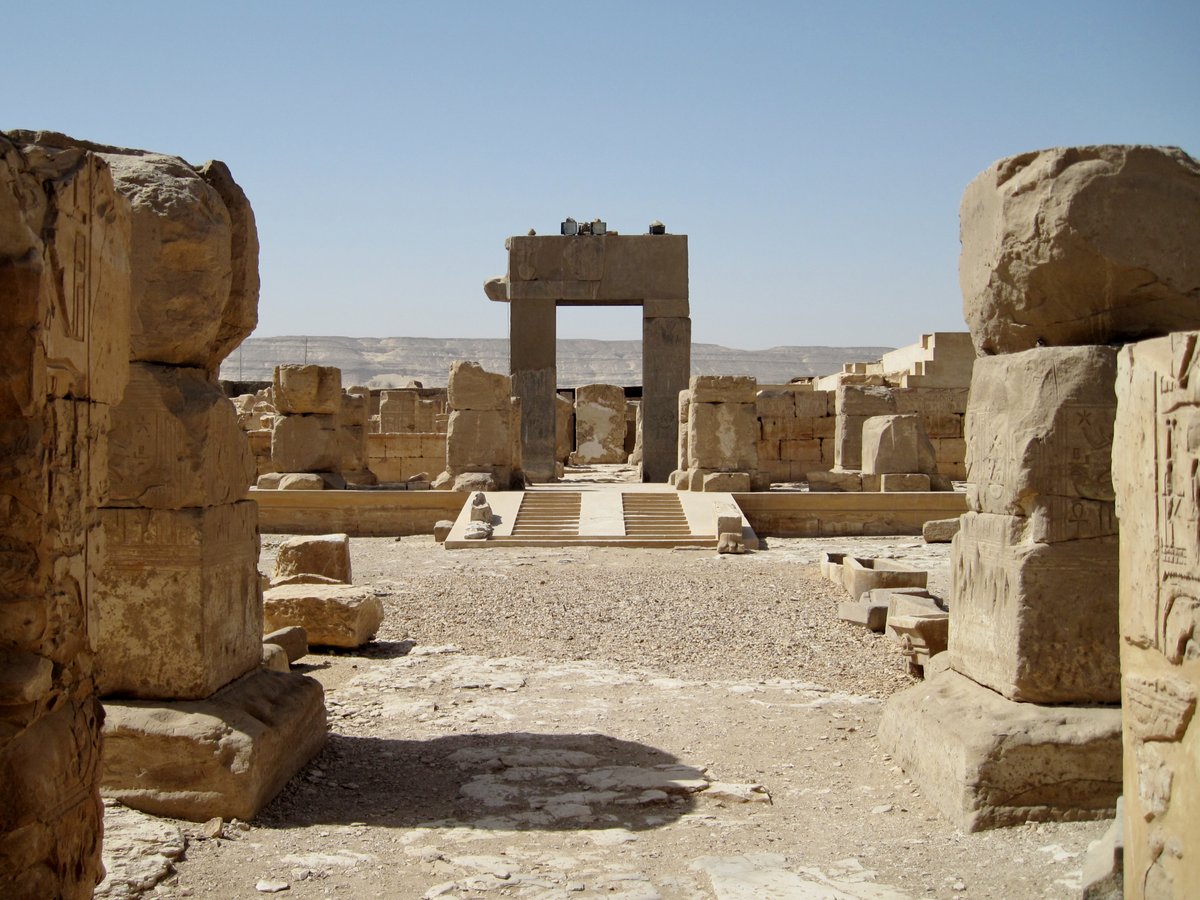
Today, the mound sits in a land of shifting dust. The limestone has vanished, and the core of sand and rubble has lost its coherence over time. It remains a sprawling complex of temples where the cult of Ahmose was honored for centuries, with a processional boat once used by the locals as an oracle of the deified king.
Sources: Wikipedia, OpenStreetMap, Wikidata, Wikimedia Commons
Written by Mutabor
Discuss this with the author and others
No comments yet. Be the first to start the conversation.