
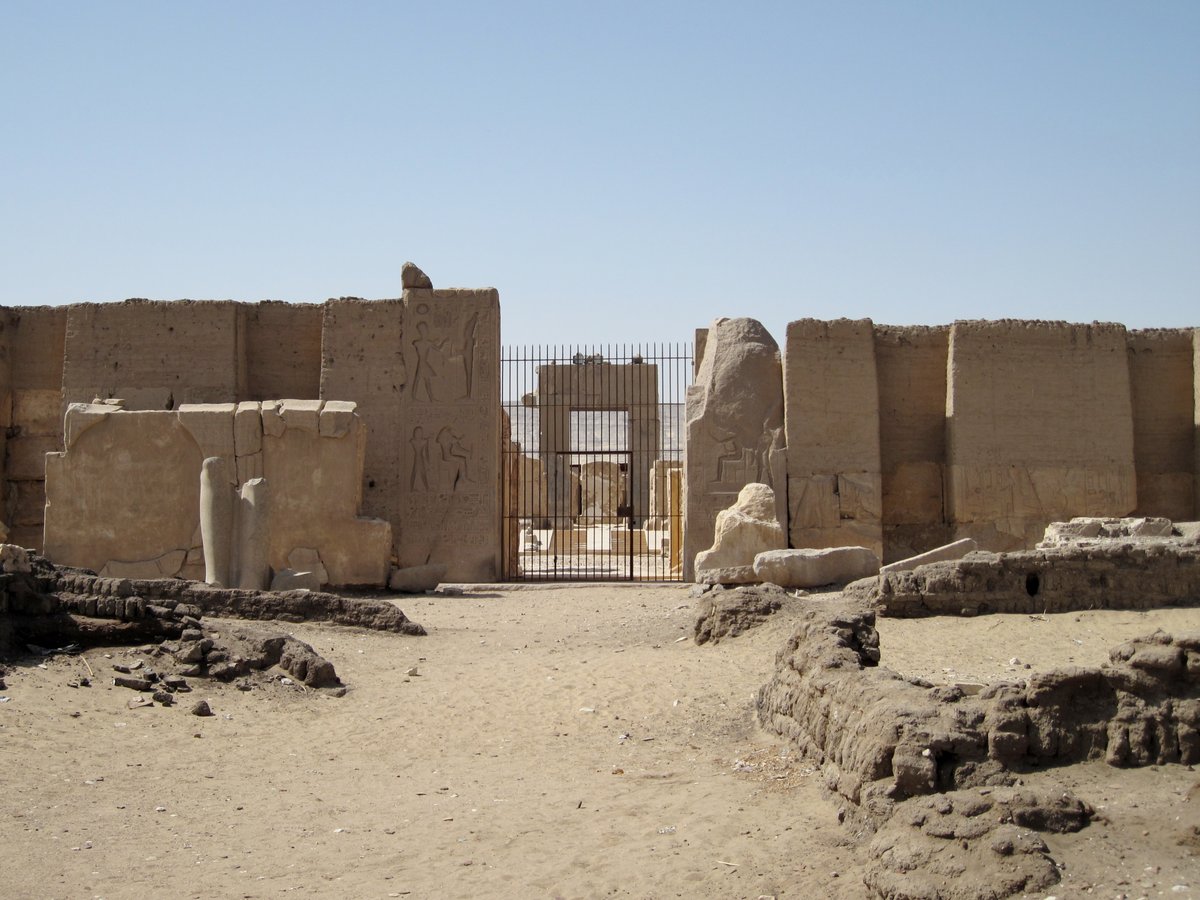
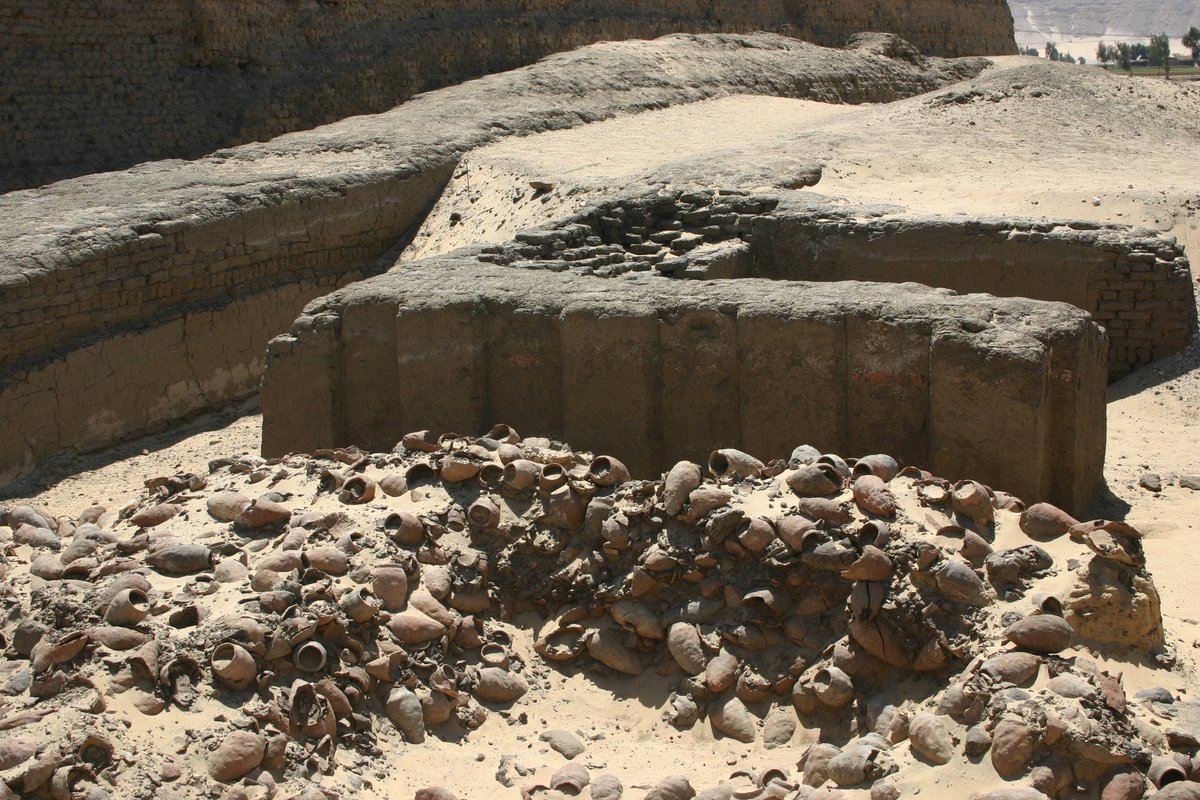
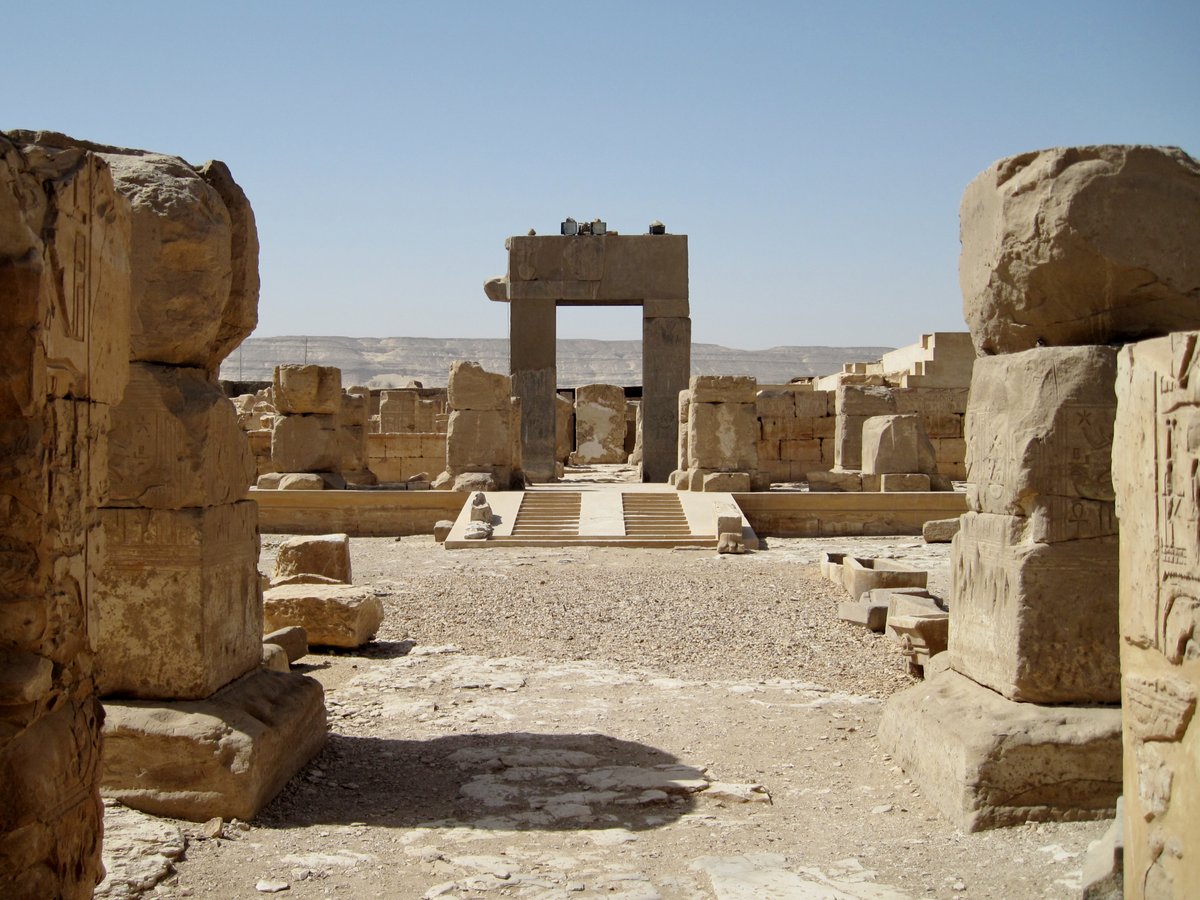
Located in the city of Abydos, the Temple of Seti I - also known as the Great Temple of Abydos - is a significant archaeological site from the 19th Dynasty of the New Kingdom. Construction began in the 13th century BC under Pharaoh Seti I, also known as Sethos. Because the work was not finished before his death, his son, Ramesses II, continued the construction and decoration, making changes to the design and adding his own inscriptions to commemorate the earlier pharaohs and the major gods of the Egyptian pantheon.
The temple follows a standard Ramesside layout with an L-shaped design constructed of limestone and sandstone, possibly brought from Gebel Silsila. It features two courts: the first court is entered through a pylon portraying Isis, Osiris, Ramesses, and Menereptah, and contains inscriptions of battle scenes and scenes of Seti. The second court features scenes of Ramesses interacting with the gods to commemorate his achievements as ruler. Other key features include the Gallery of the Kings, the Hall of Barques, and six barque chapels dedicated to gods including Osiris, Isis, Horus, Amen-Rem, Re-Harakti, and Ptah.
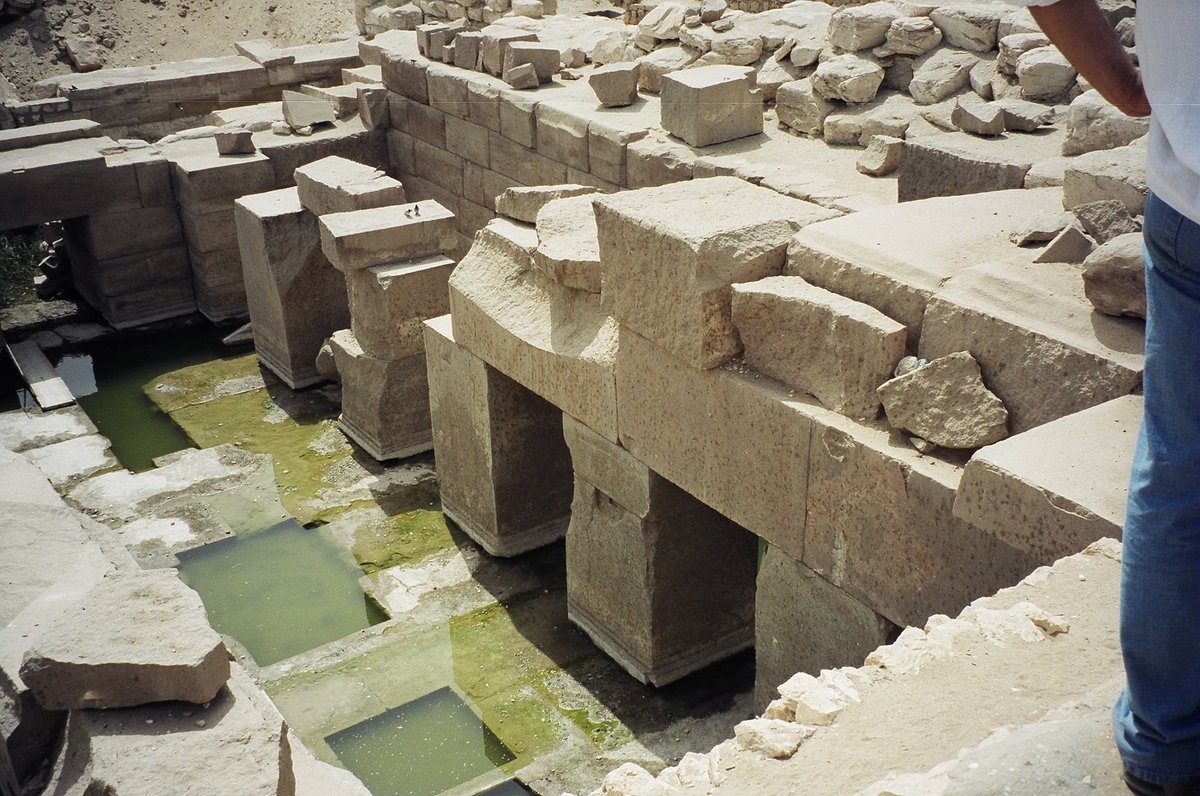
Beyond the chapels lies the Osireion, a rectangular complex measuring 57m by 13m consisting of eight rooms. It serves as a symbolic tomb for the god Osiris, containing a Cenotaph crafted in an 18th Dynasty tomb design. This area was linked via a staircase from the Osiris chapel. The temple also held significant economic power, as Seti I granted the temple special permission to mine gold in the Eastern Desert and Nubia, protections for which were recorded in the Kanais Decree and the Abydos Decree.
Sources: Wikipedia, OpenStreetMap, Wikidata, Wikimedia Commons
Written by Mutabor
Discuss this with the author and others
No comments yet. Be the first to start the conversation.