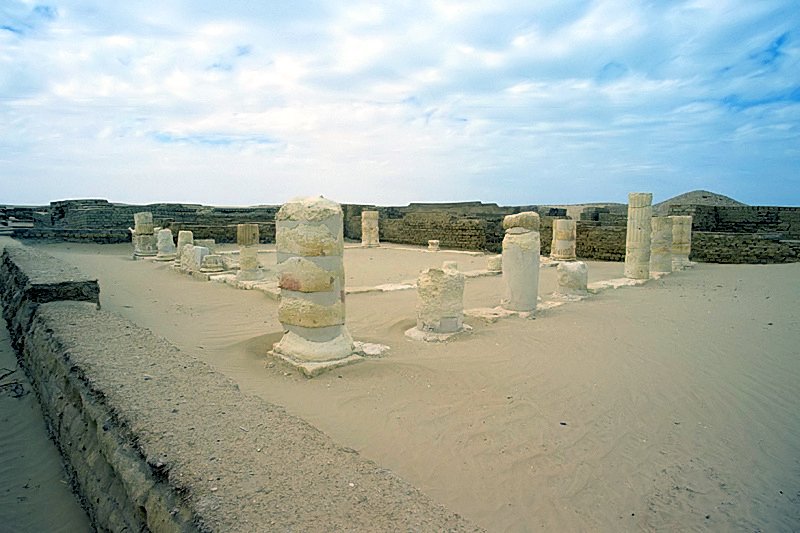

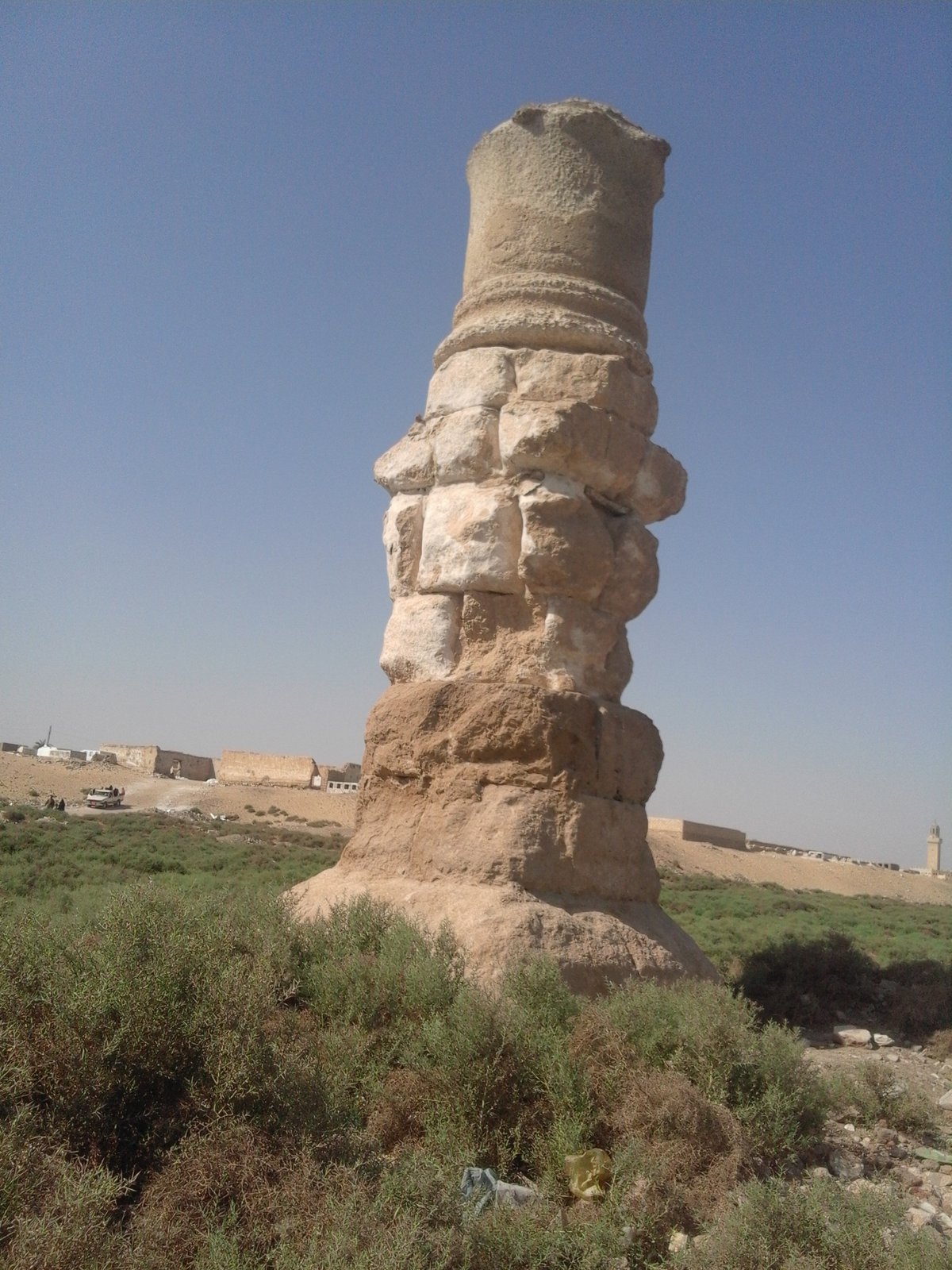
Founded in approximately 1800 BC by the Twelfth Dynasty king Amenemhat III, Tebtunis was a city and later town in Lower Egypt. Located at what is now Tell Umm el-Baragat in the Faiyum Governorate, the settlement flourished during the Ptolemaic Kingdom and became a rich regional center. It featured many Greek and Roman buildings and was later known as Toutōn in Coptic, becoming a major center for copying Coptic manuscripts in the Middle Ages.
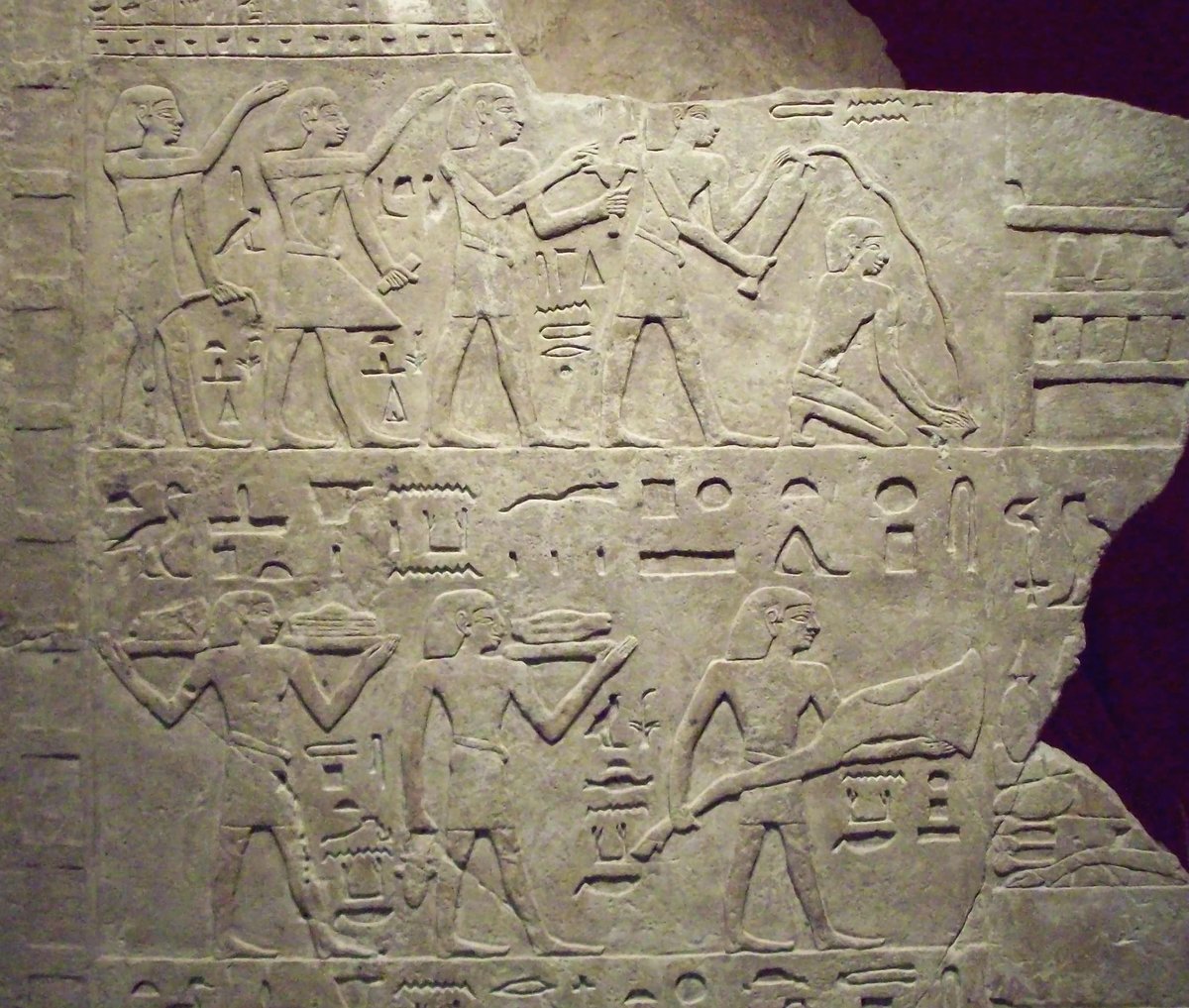
Tebtunis is famous for the many papyri in Demotic and Greek found there, which provide information about how people lived from day to day. One papyrus gives the minutes of a meeting of a group of priests, including names, the meeting's subject, and a date from the Ptolemaic period. Other documents provide insights into the life of the priests of the local main god, Soknebtunis, such as a petition from 71/72 AD regarding a dispute over the taxation of temple land holdings.
Among the findings are Egyptian astronomical and astrological texts, including copies of the Book of Nut, which originally described the mythological rebirth of sunrise. The local mythology in Greco-Roman times featured a distinctive equation of the Greek god Cronus with the Egyptian god Geb. This was expressed in local iconography by depicting Geb with attributes of Cronus, and the priests of the main temple identified themselves as priests of Soknebtunis-Geb in Egyptian texts and Soknebtunis-Cronus in Greek texts.
During the Middle Ages, the town of Toutōn produced at least thirteen existing Coptic manuscripts copied between AD 861 and 940. Today, the present village of Tuṯun is located about 2.5 miles northeast of Umm el-Baragat.
Sources: Wikipedia, OpenStreetMap, Wikidata, Wikimedia Commons
Written by Mutabor
Discuss this with the author and others
No comments yet. Be the first to start the conversation.