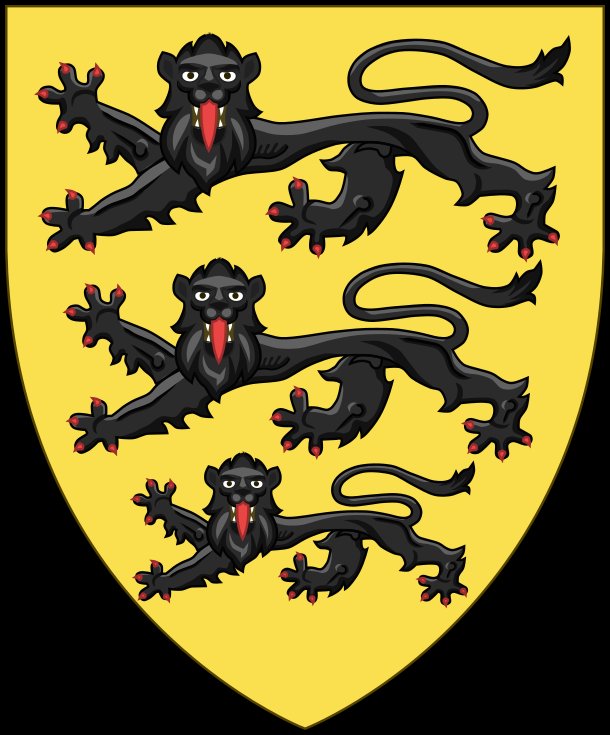
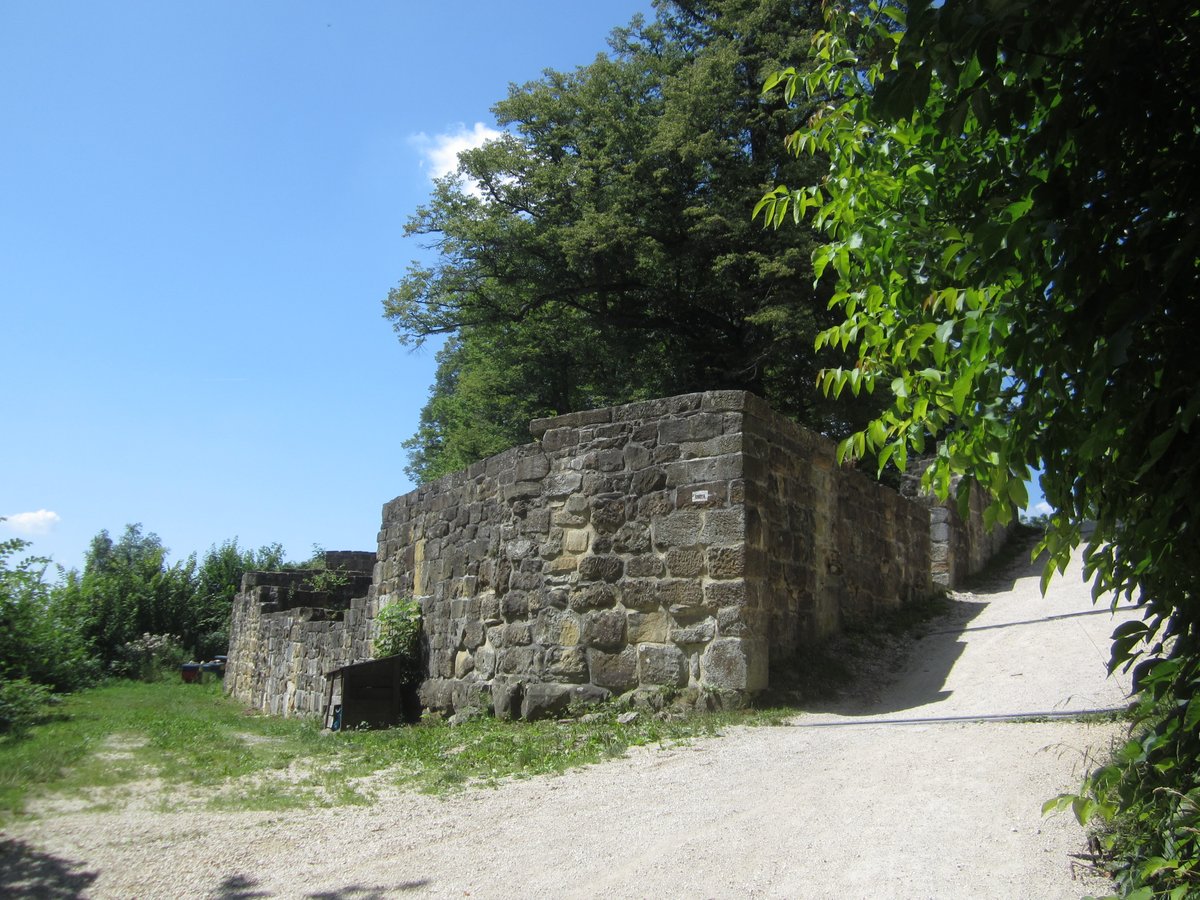
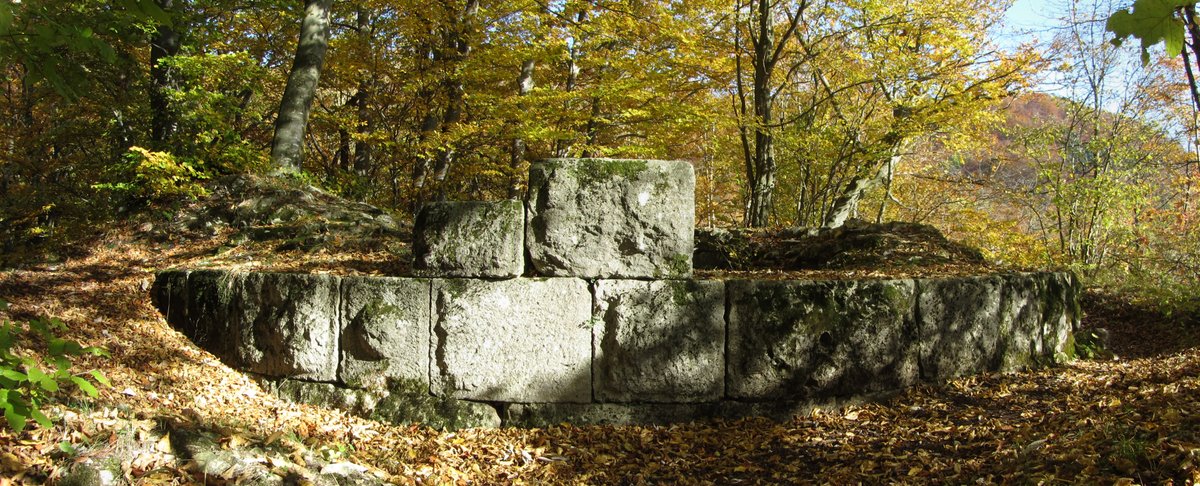
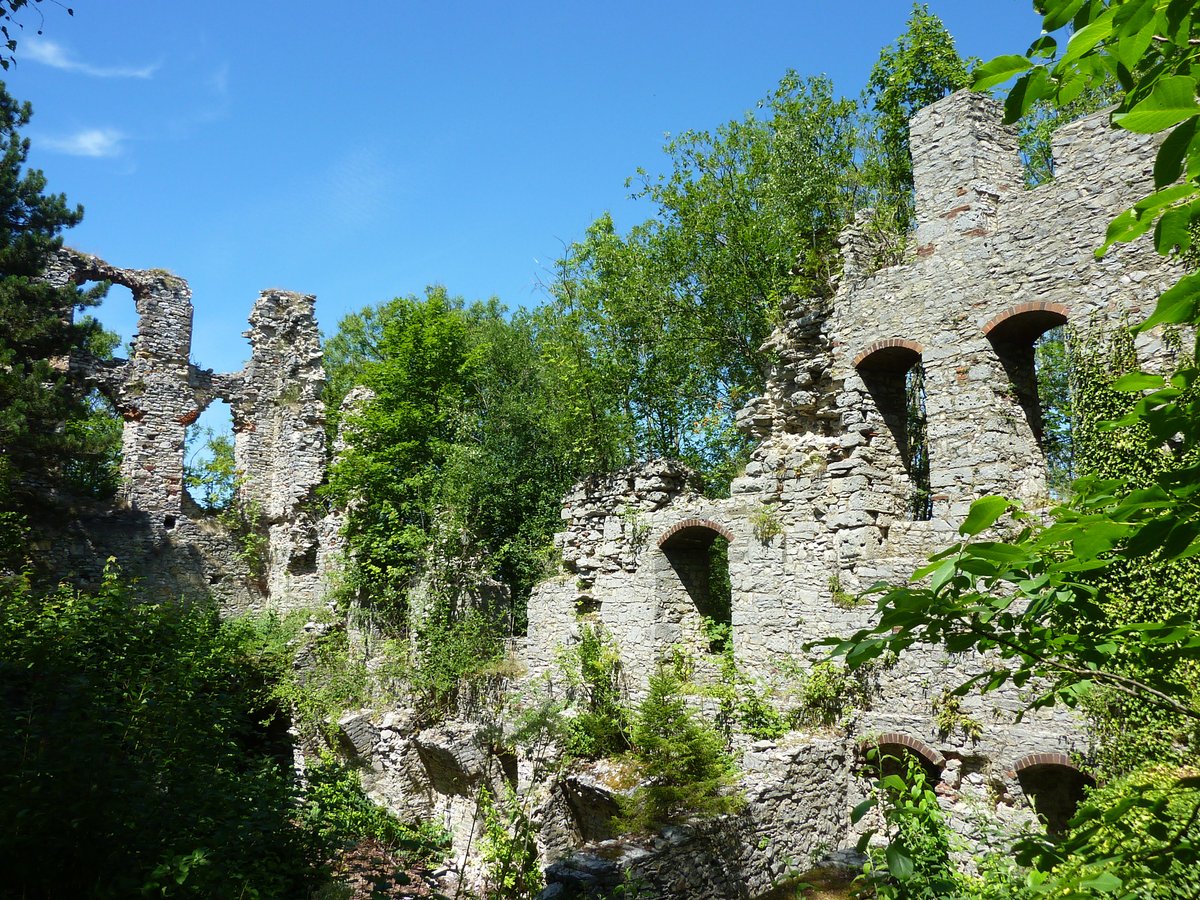
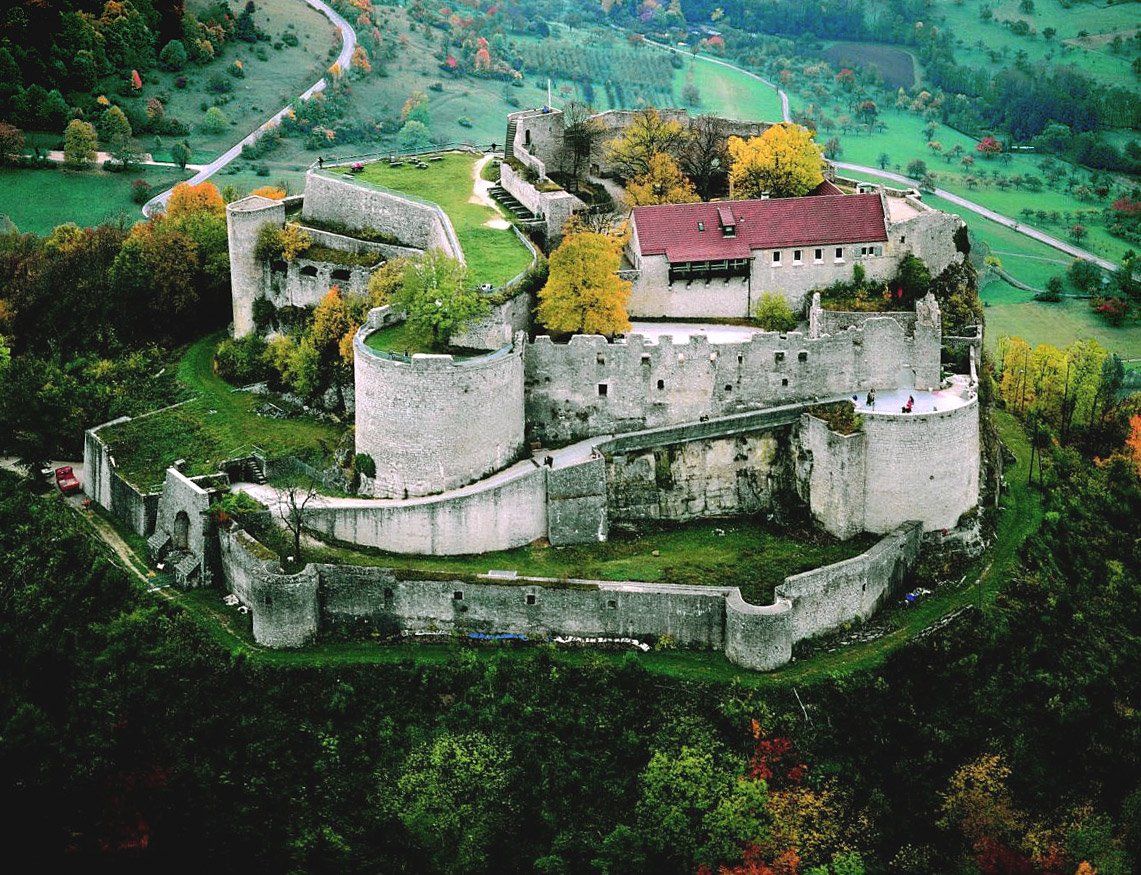
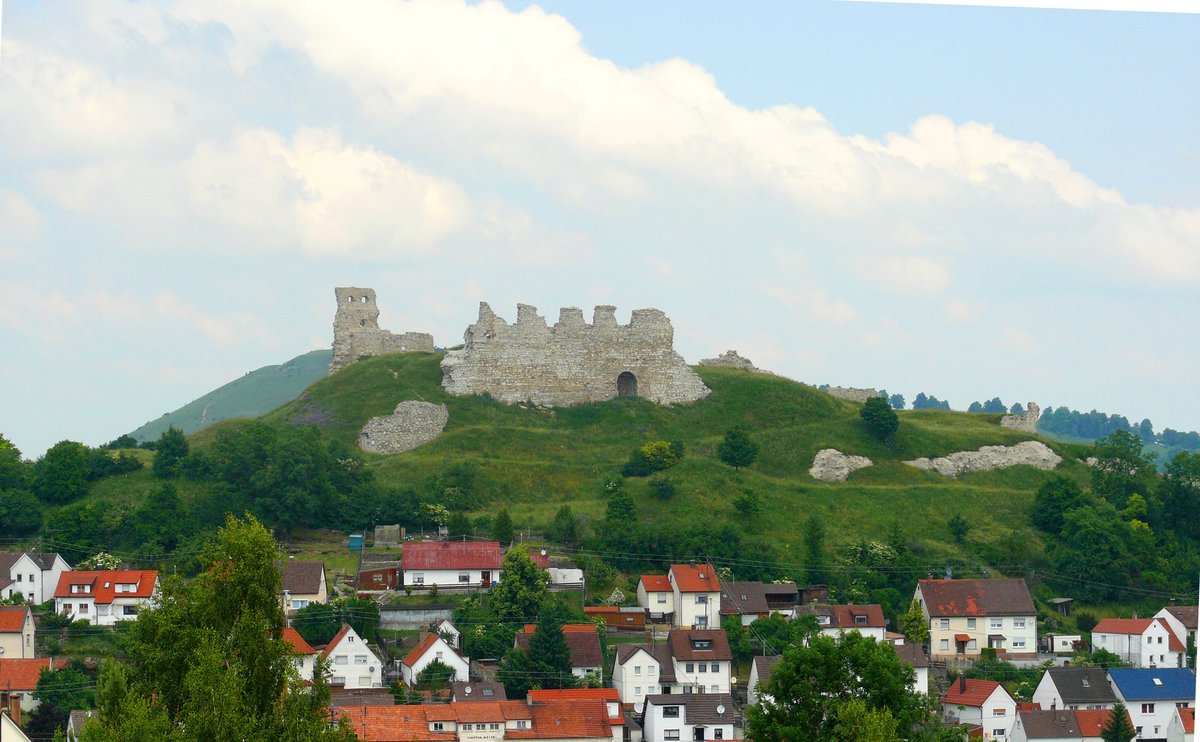
In the northern Swabian Jura, the hill of Staufen rises like a silent witness. It marks a lineage that once commanded the Holy Roman Empire. The name stems from Stauf, meaning chalice, a term used during the Middle Ages to describe pointed peaks in Swabia. Hohenstaufen emerged later in the 14th century to distinguish the high peak from a valley village. Historians added the prefix in the 19th century. For the 11th century people, it was simply the Staufen, where Duke Frederick I of Swabia acquired a castle in the latter half of that century.
The dynasty rose from Riesgau counts linked to the Bavarian Sieghardinger line. By the time Frederick I became Duke of Swabia in 1079, the family entered imperial politics. They allied with the king as Frederick I was engaged to the seventeen-year-old daughter of King Henry IV. Their ascent proved profound. The empire reached its greatest extent between 1155 and 1268. Frederick I ascended the throne in 1155, followed by Henry VI in 1191, and Frederick II in 1220. These men reigned over Germany, Italy, and Burgundy.
Records offer a tangle of spellings for the hill: Sthouf, Stophe, Stophen, Stoyphe, and Estufin. Early identities remained fluid as chroniclers linked the family to Waiblingen. One writer called them the royal lineage of the Waiblingens, a connection so strong that the Italian Ghibelline faction derived its name from that town. In Italy, the dynasty persists as Svevi. In 1247, Emperor Frederick II provided a personal touch by calling his house domus Stoffensis. Today, the Staufer-Denkmal memorial marks the legacy. The Jura hill remains a stone chalice holding the ghost of a vanished empire.
Sources: Wikipedia, OpenStreetMap, Wikidata, Wikimedia Commons

Written by Aurora
Discuss this with the author and others
No comments yet. Be the first to start the conversation.