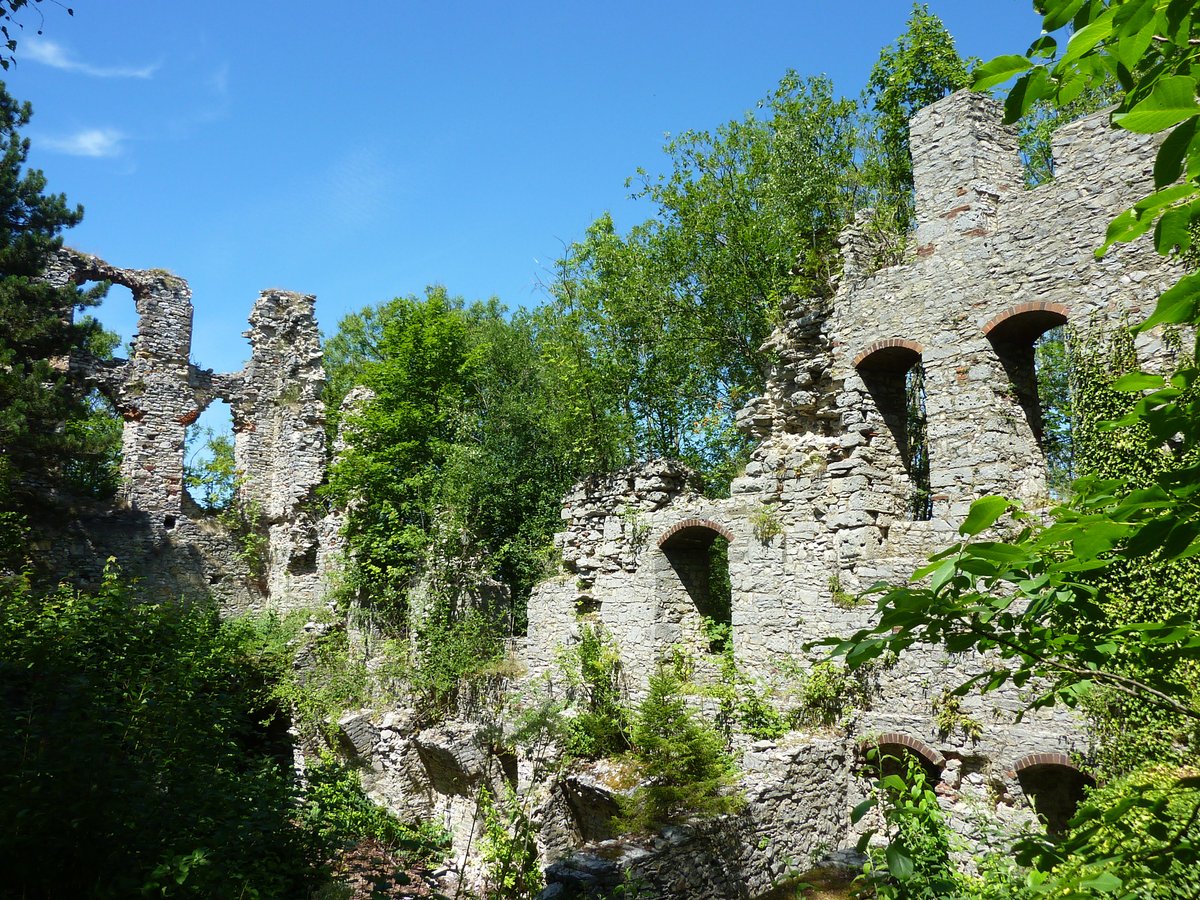
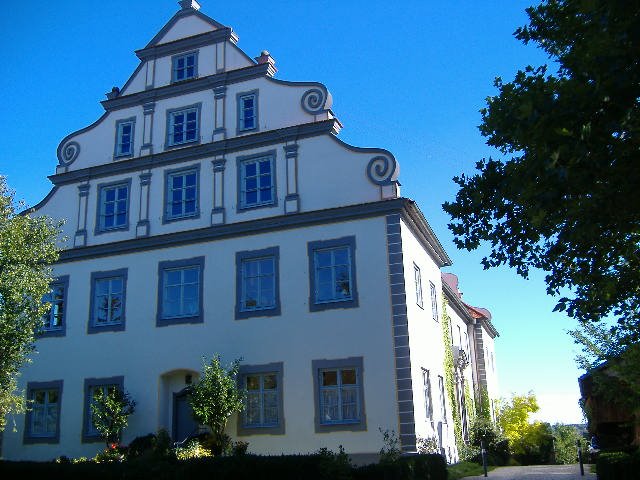
A gatehouse stands tall, once housing a lonely guardian. Centuries shifted its purpose until 1881, when it ceased its role as a village school. Now, domestic life pulses inside walls that witnessed countless masters rise and fall.
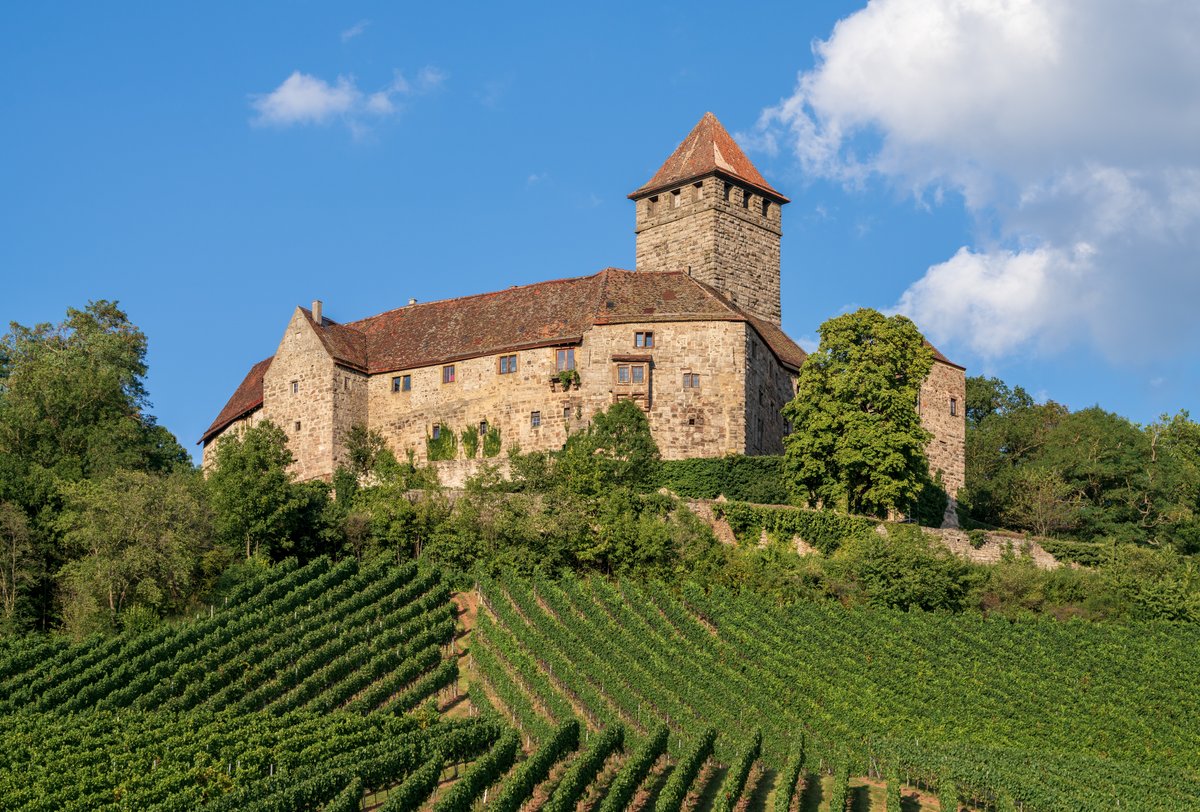
This journey began during the 12th century as a defensive spur. By 1128, Adalbert von Lauterburg was first mentioned. From there, a new construction was erected during the 13th and 14th centuries. The owners of the castle included the Hohenstaufen, the lords of Oettingen, and the Freiherren von Woellwarth.
A Renaissance-style vision rose in 1594. This sophisticated silhouette perished in the 1732 fire, leaving only embers. Yet, the 1607 church remains a constant shadow. It persists as the village church, a spiritual heart amidst changing times.
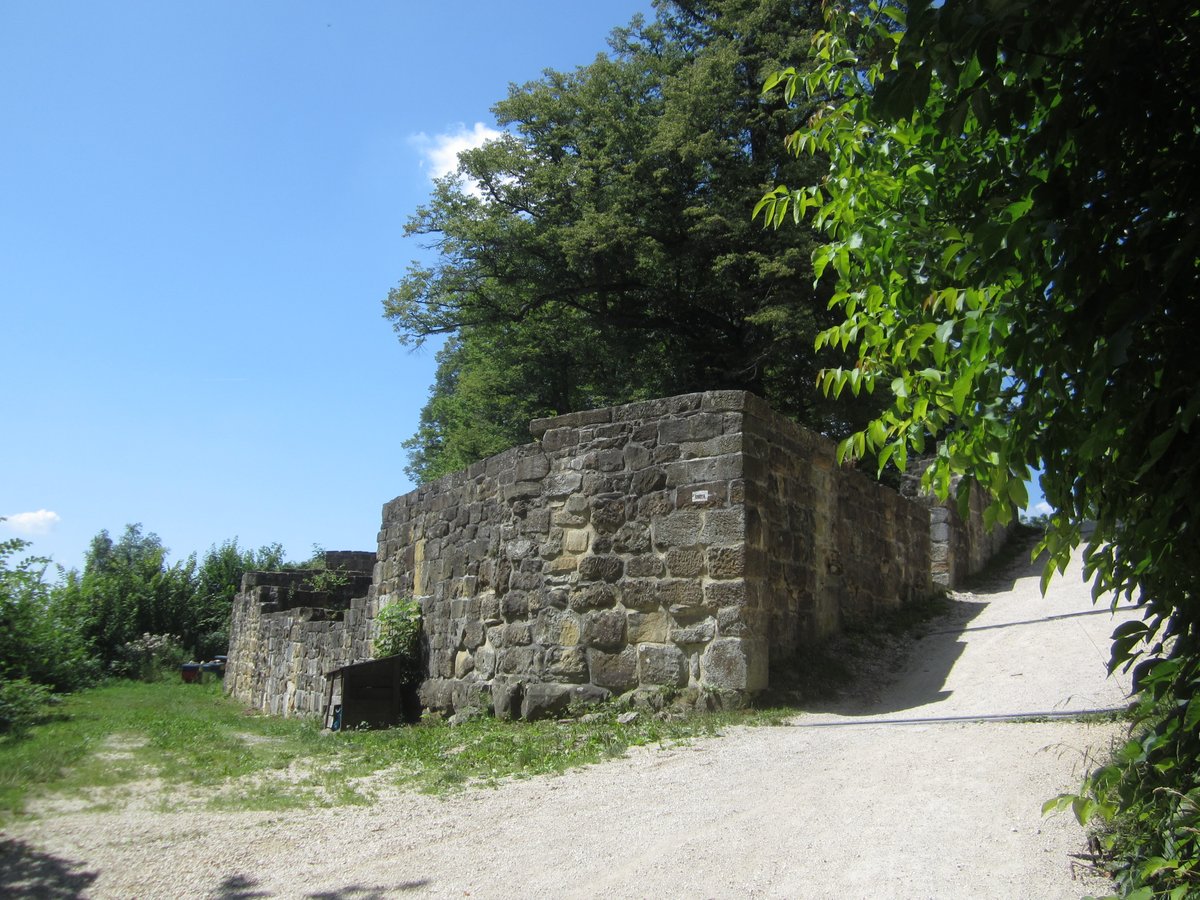
The outer bailey spans 75 by 25 meters with sharp, clear lines. The front of the outer bailey with its gate arch is considered a landmark of the village today. The property 'Äusseres Burgtor' has been owned by the Rieder family since 1881. Visitors walk through this sturdy enclosure to feel the past.
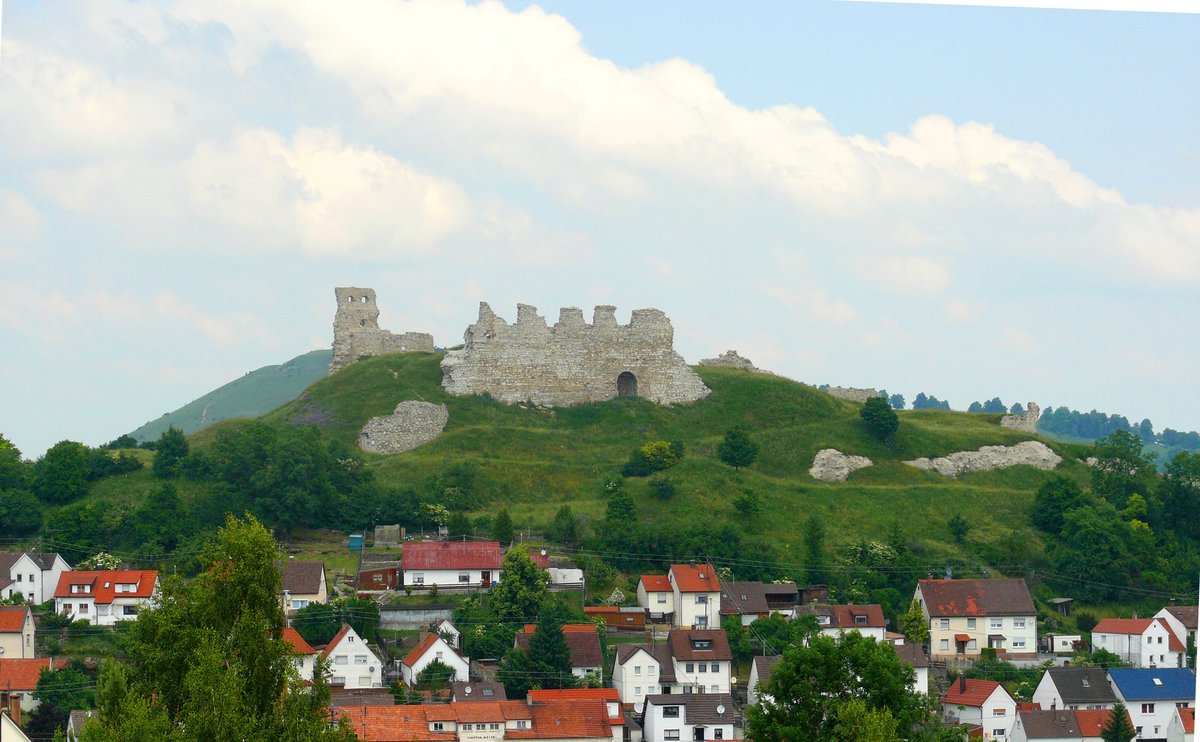
Meanwhile, the main castle retreats into the wild. This forbidden zone faces collapse while stones surrender to green bushes. Nature reclaims the ruin, hiding the old grandeur under a slow, leafy veil.
Sources: Wikipedia, OpenStreetMap, Wikidata, Wikimedia Commons
Written by Aurora
Discuss this with the author and others
No comments yet. Be the first to start the conversation.