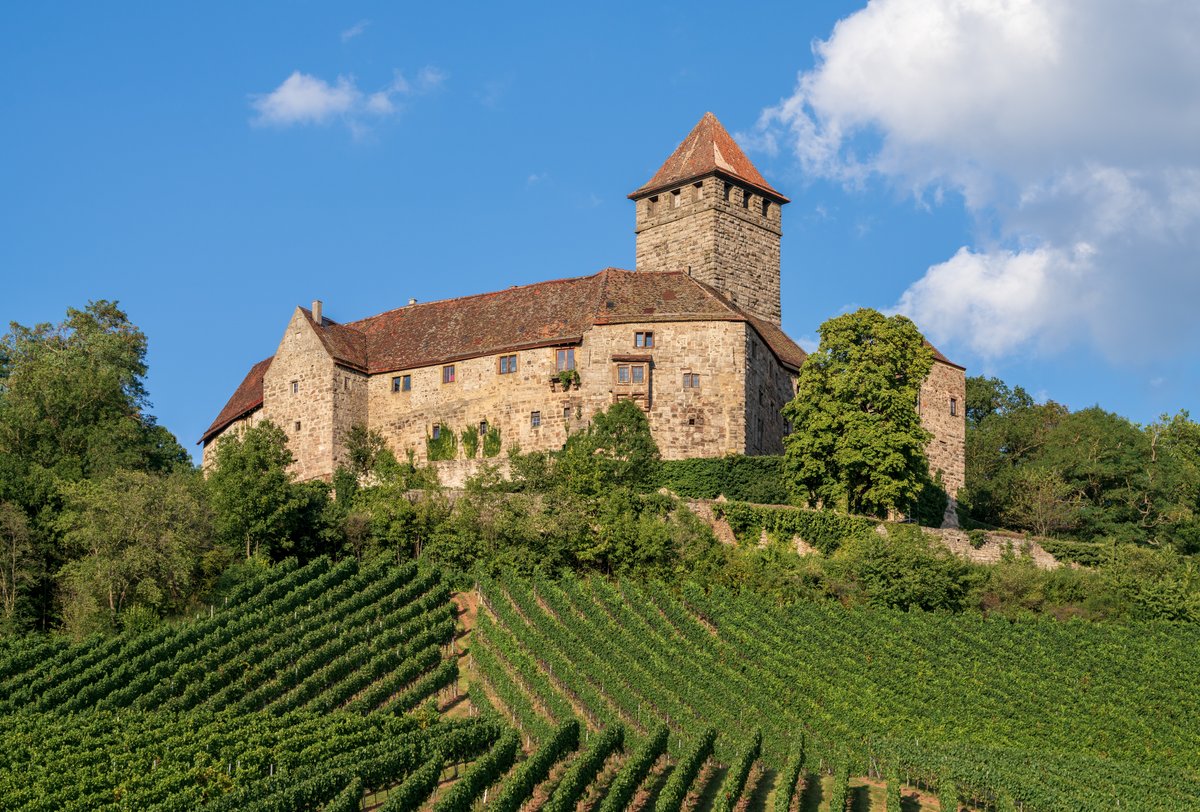
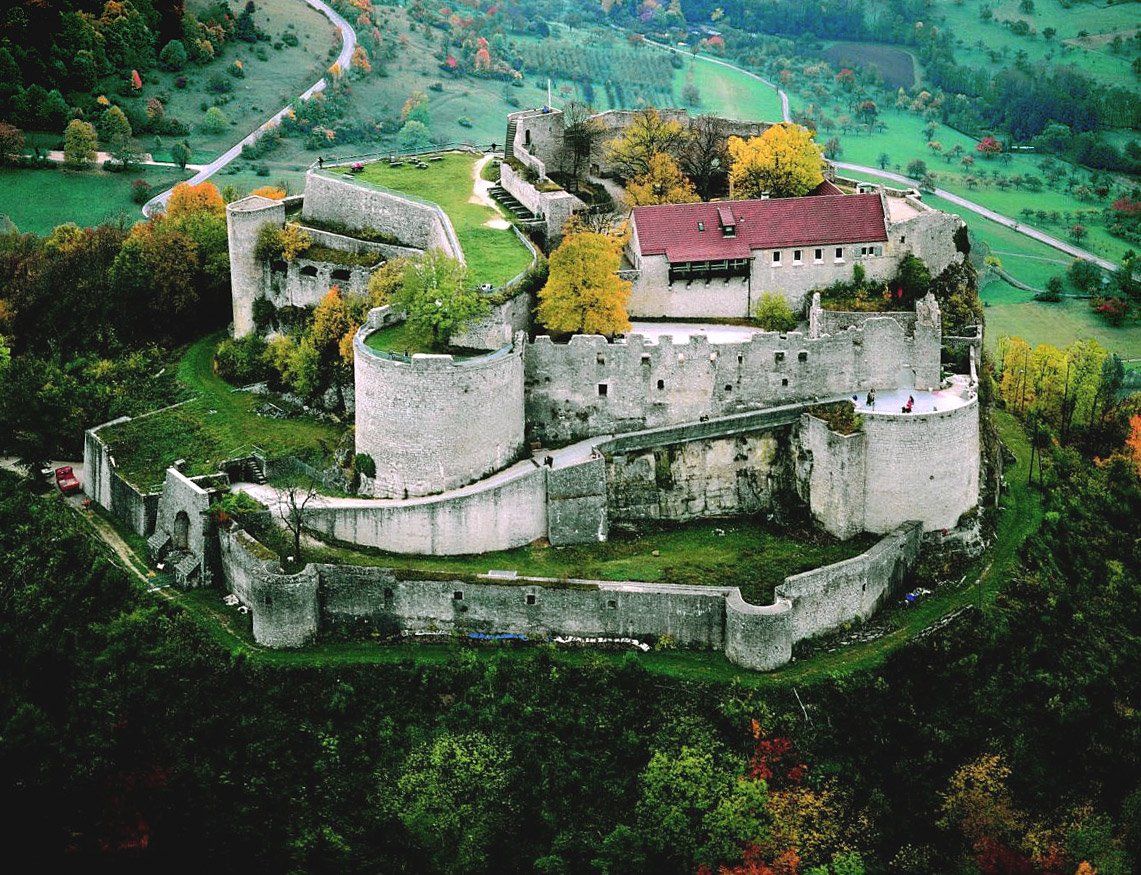
The walls of Burg Lichtenberg still bear the physical memory of 1945. These are not just marks of age but the pockmarks of around 20 tank shells that struck the stone within 20 minutes. Standing on a spur of the Löwensteiner Berge, the castle serves as a landmark of the Bottwartal, holding its ground against the machinery of the American advance.
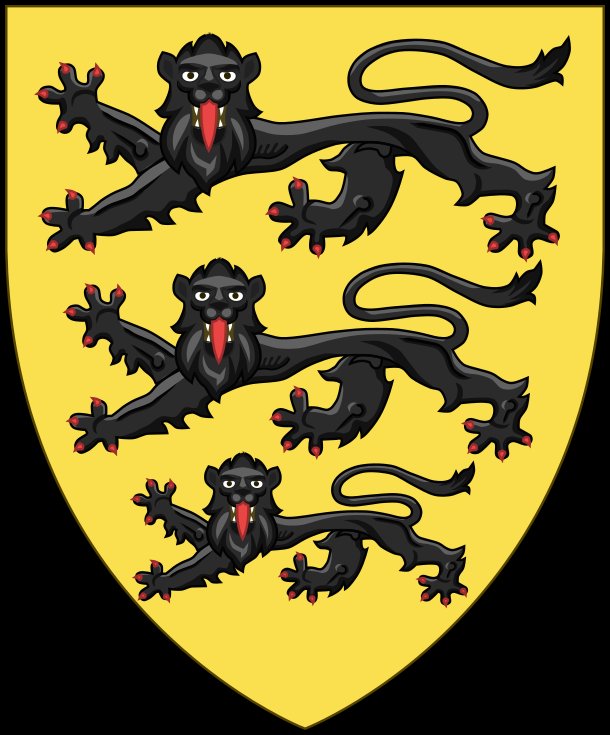
The castle belongs to the Staufer era, a period of high medieval power. Its first recorded lord, Albertus von Lichtenberg, appeared in a deed in 1197. For two centuries, the Lichtenberg family turned this hilltop into a seat of political influence. Hermann II. Hummel von Lichtenberg served as Chancellor to Emperor Ludwig the Bavarian and was Bishop of Würzburg from 1333 until his death in 1335. His brother, Albrecht, served as Imperial Marshal and fought in the Battle of Mühldorf am Inn, the last knightly battle on German soil.
By 1357, the Lichtenberg family's ownership of the castle ended, likely due to financial distress. Ownership shifted to the House of Württemberg in 1483, then to the Weiler family. The Weilers conducted major renovations at the end of the 15th century to improve living and supply areas, while the defensive structures were neglected. The castle survived the destruction of the Thirty Years' War, during which the nearby village was heavily destroyed while the castle remained largely untouched.
In April 1945, the Wehrmacht used Burg Lichtenberg for artillery observers as American tanks pushed toward the Beilsteiner Bahnhof. During this battle for Bottwartal, Baroness Marie Luise von Weiler climbed the tower and unfurled a Swedish flag. The Wehrmacht retreated after her actions, and the Americans took the Bottwartal.
Today, the castle remains inhabited. It features a late Romanesque Palas dating to around 1200, which is one of the best-preserved Staufer-era castles in Germany. While the castle maintains its private atmosphere, it houses a restaurant that is only open on special occasions.
A piece of its interior history is now far away. During the occupation, a winged altar was illegally removed from the castle chapel. The missing winged altar is currently on display at the Cloisters Museum in New York. Even with its missing treasures and the scars of tank fire, the stone remains a steady presence against the sky.
Sources: Wikipedia, OpenStreetMap, Wikidata, Wikimedia Commons



Written by Aurora
Discuss this with the author and others
No comments yet. Be the first to start the conversation.