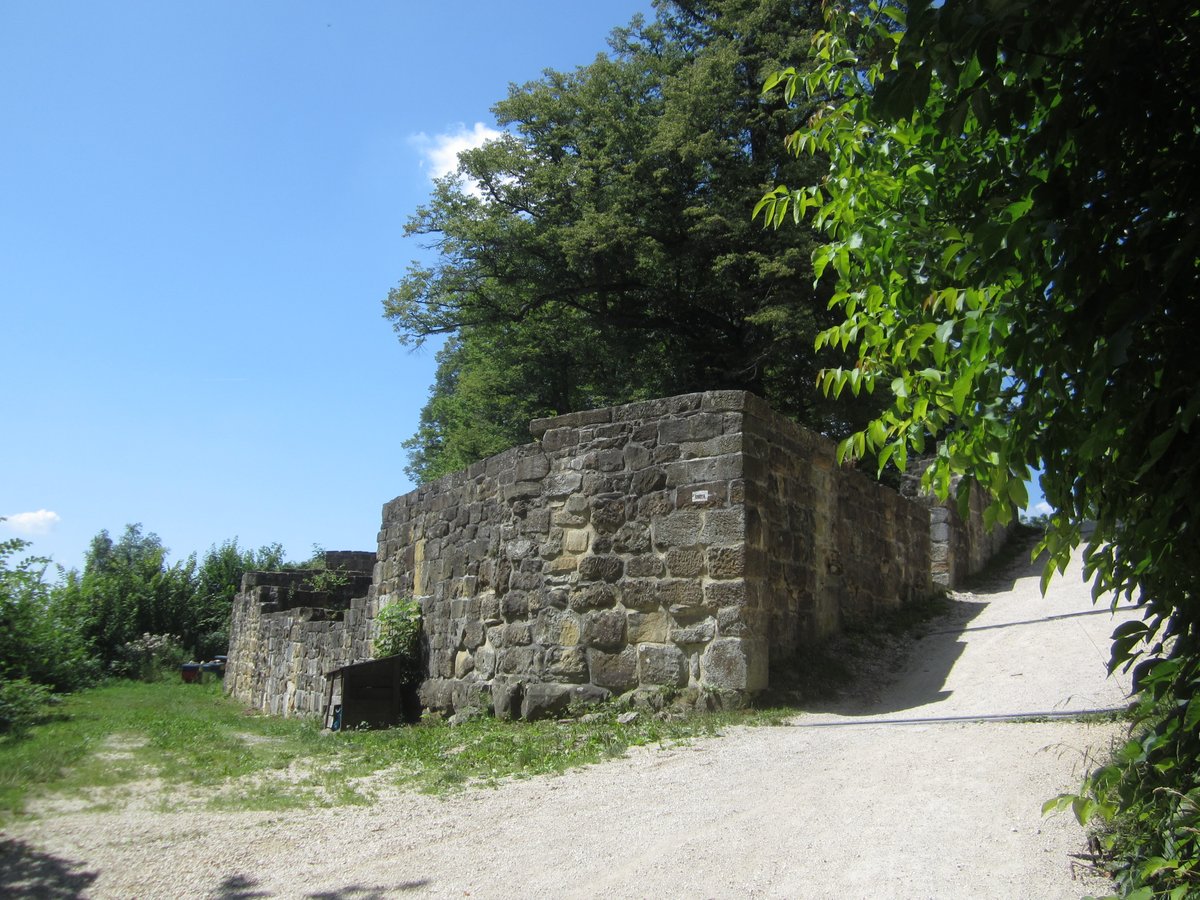
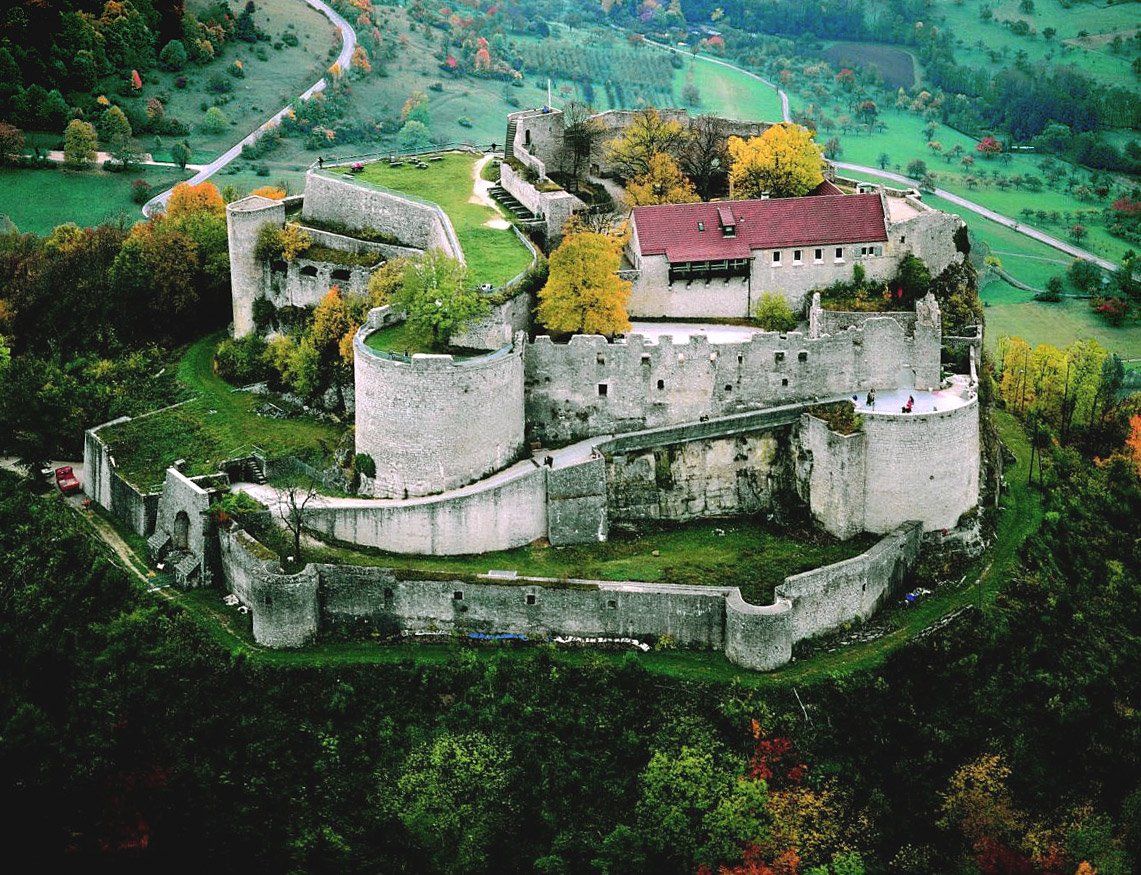
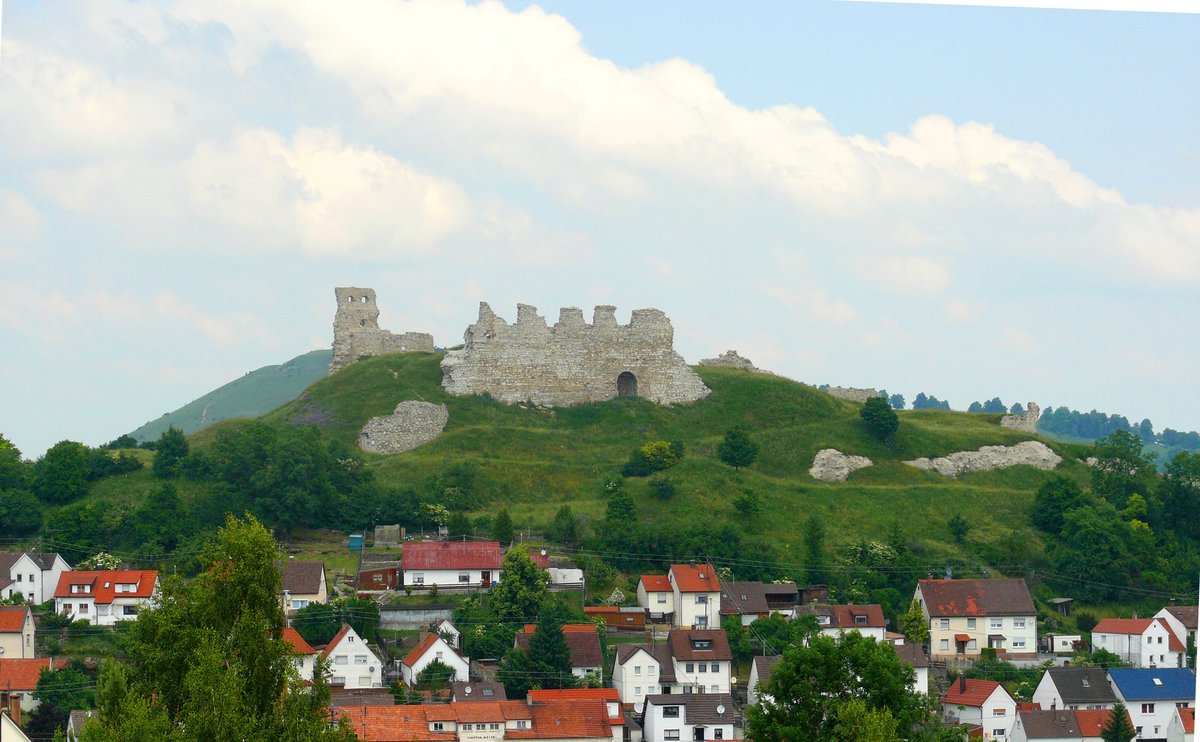
Between rivers Rems and Fils, land ascends 684 m from the sea. This peak, named Stauf for a drinking vessel, hosts Hohenstaufen Castle.
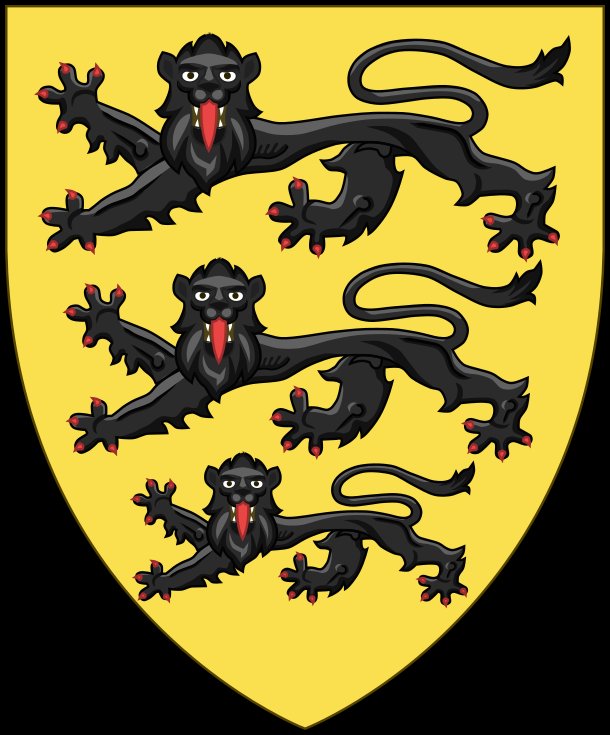
Frederick I initiated building around 1070 for family interests before becoming Duke of Swabia. From 1079 to 1268, Dukes of Swabia ruled here. Three emperors resided within these walls between 1155 and 1250. Barbarossa arrived in 1181, while Irene Angelina passed away inside during 1208.
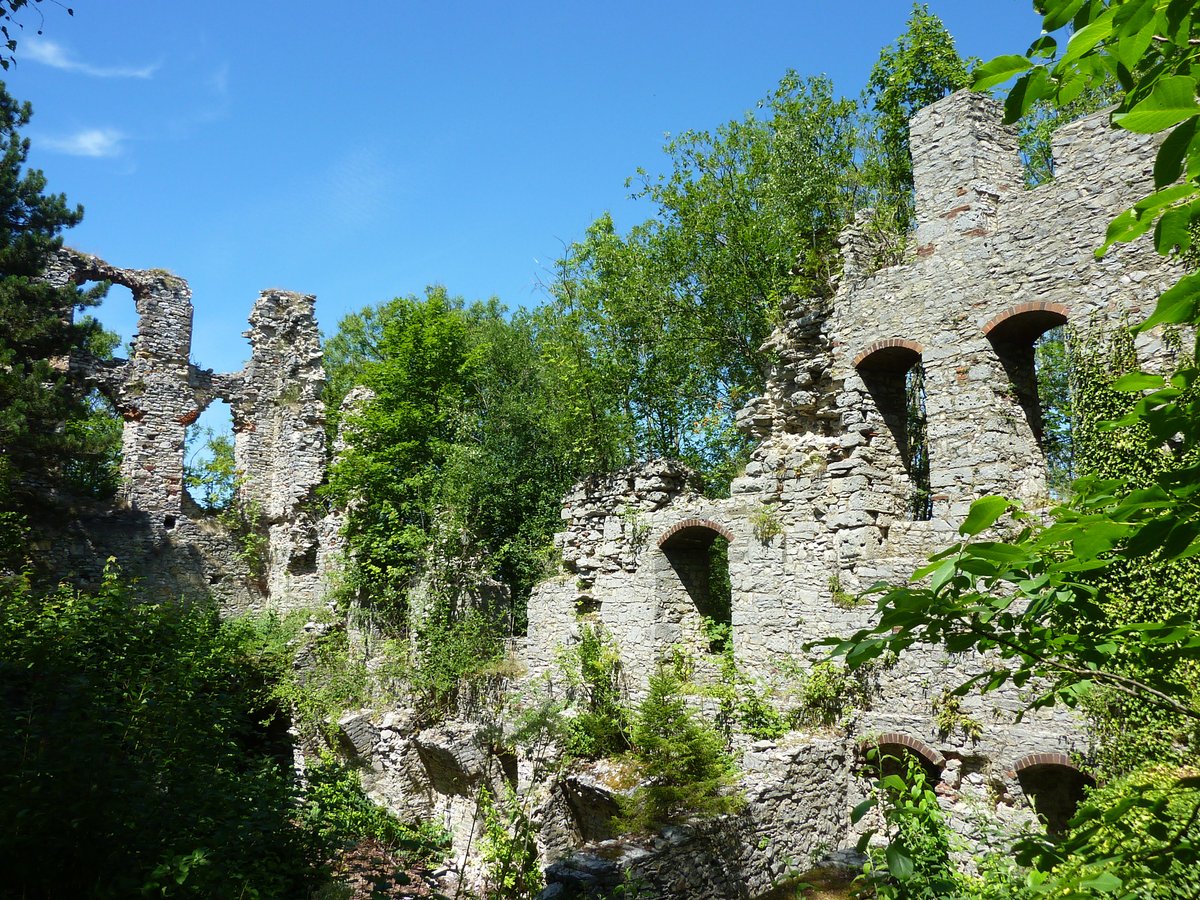
In 1268, Habsburg king Rudolf I claimed the site following the Hohenstaufen fall. The Counts of Württemberg and the Holy Roman Emperor contested the terrain until 1372, when Württemberg rulers seized possession. Duke Ulrich faced expulsion by the Swabian League in 1519. Staufer of Bloßenstaufen claimed the ruin as a Hohenstaufen descendant. A small force defended the spot until 1525, when peasants destroyed it. Stones from these remains built the Renaissance Göppingen Castle.
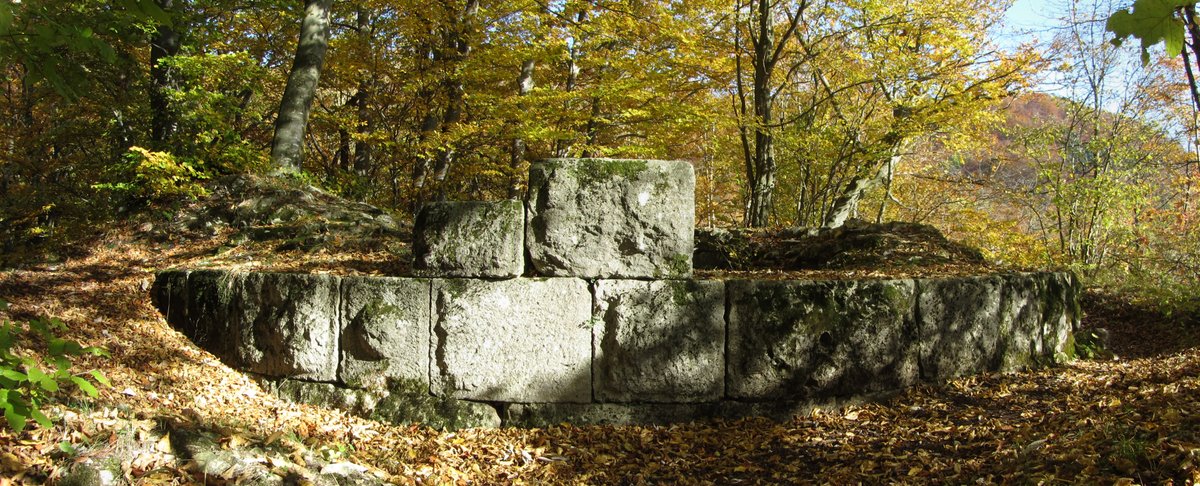
Since 1871, the German nation honors this monument. Walther Veeck dug excavations from 1936 to 1938. Further work occurred between 1967 and 1971 to secure foundations. The Stauferstele opened in 2002.
Sources: Wikipedia, OpenStreetMap, Wikidata, Wikimedia Commons
Written by Aurora
Discuss this with the author and others
No comments yet. Be the first to start the conversation.