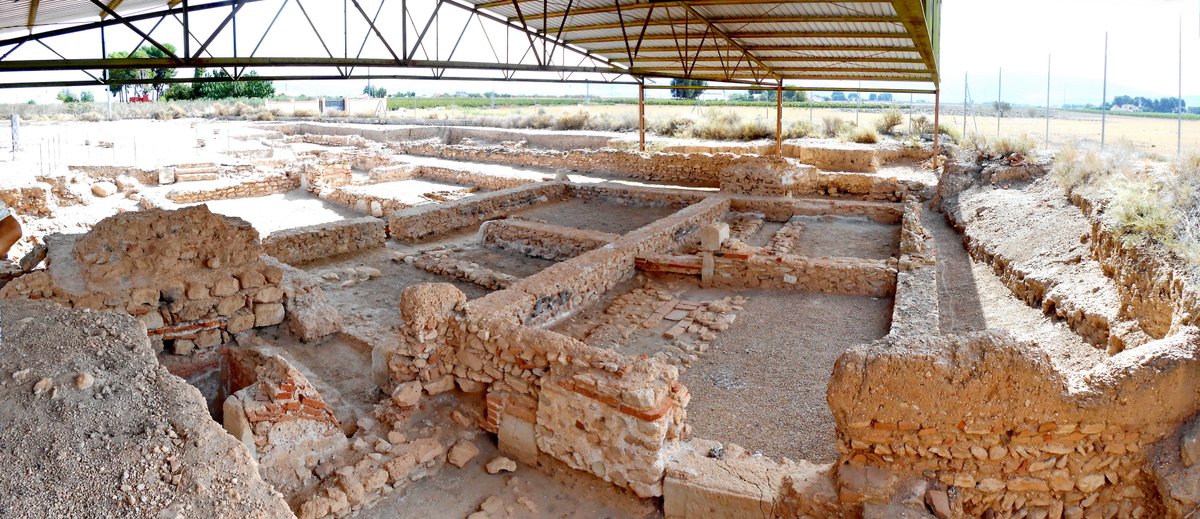

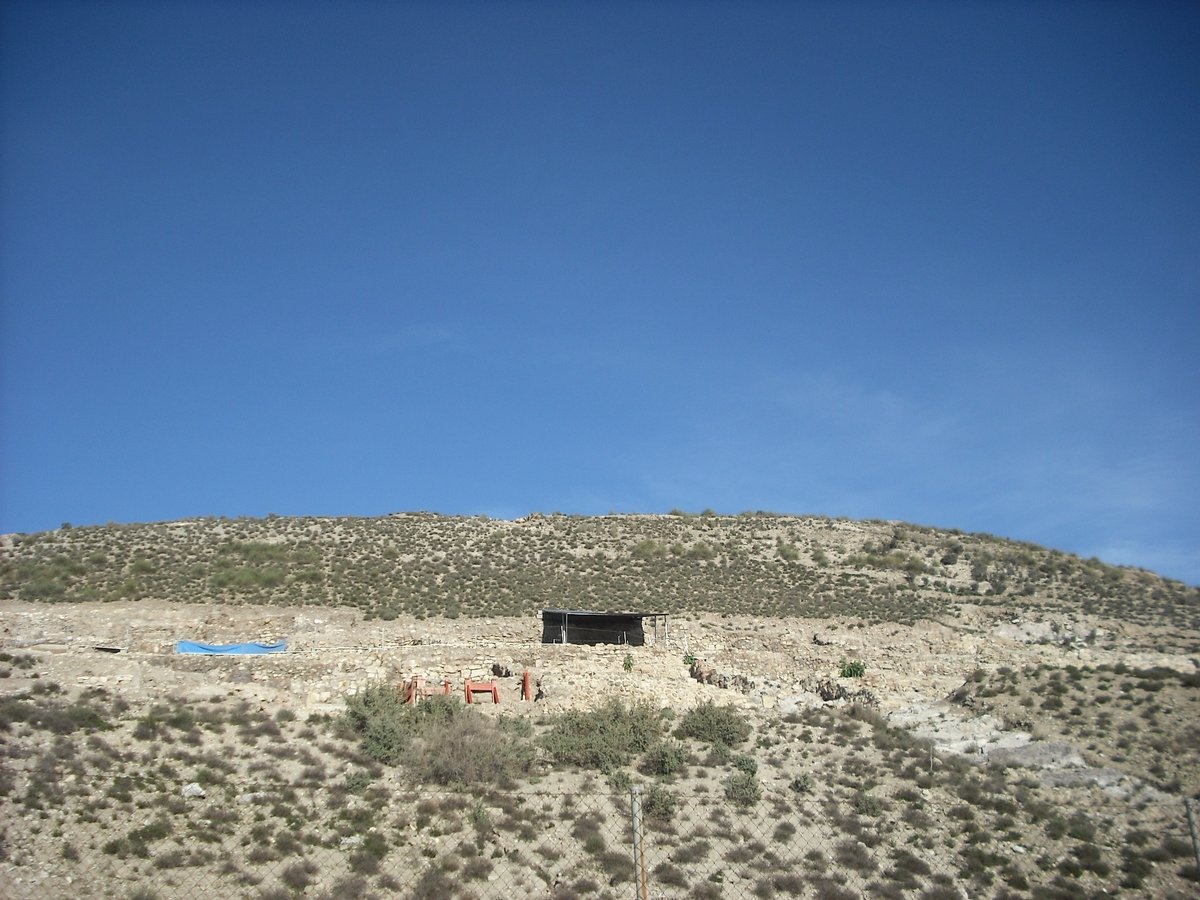
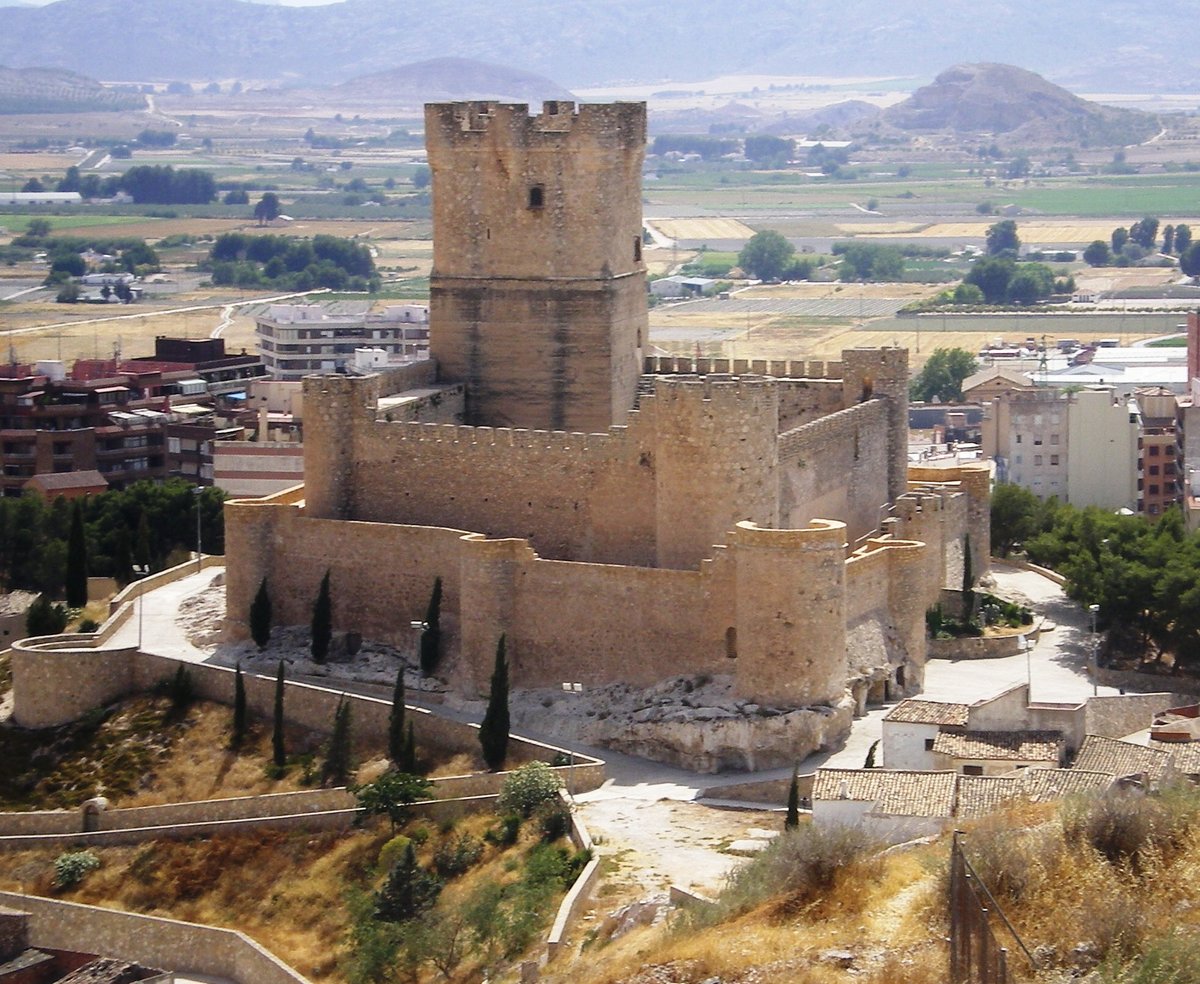
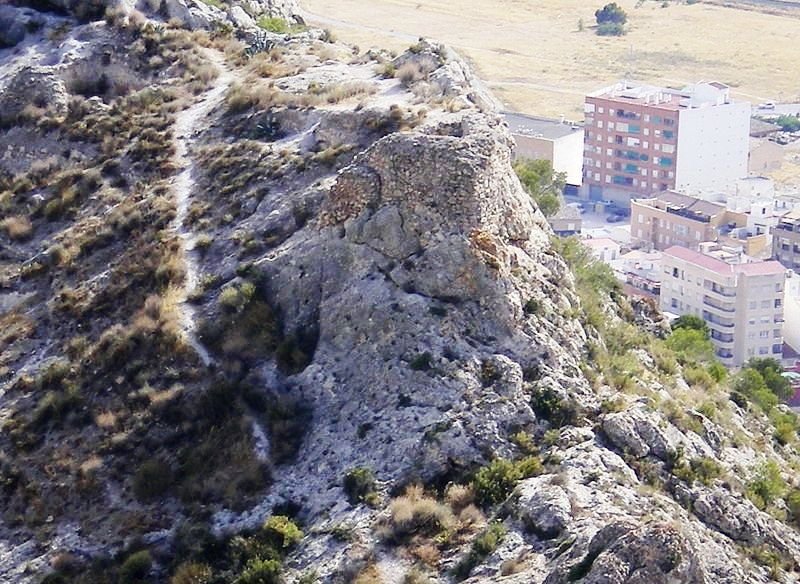
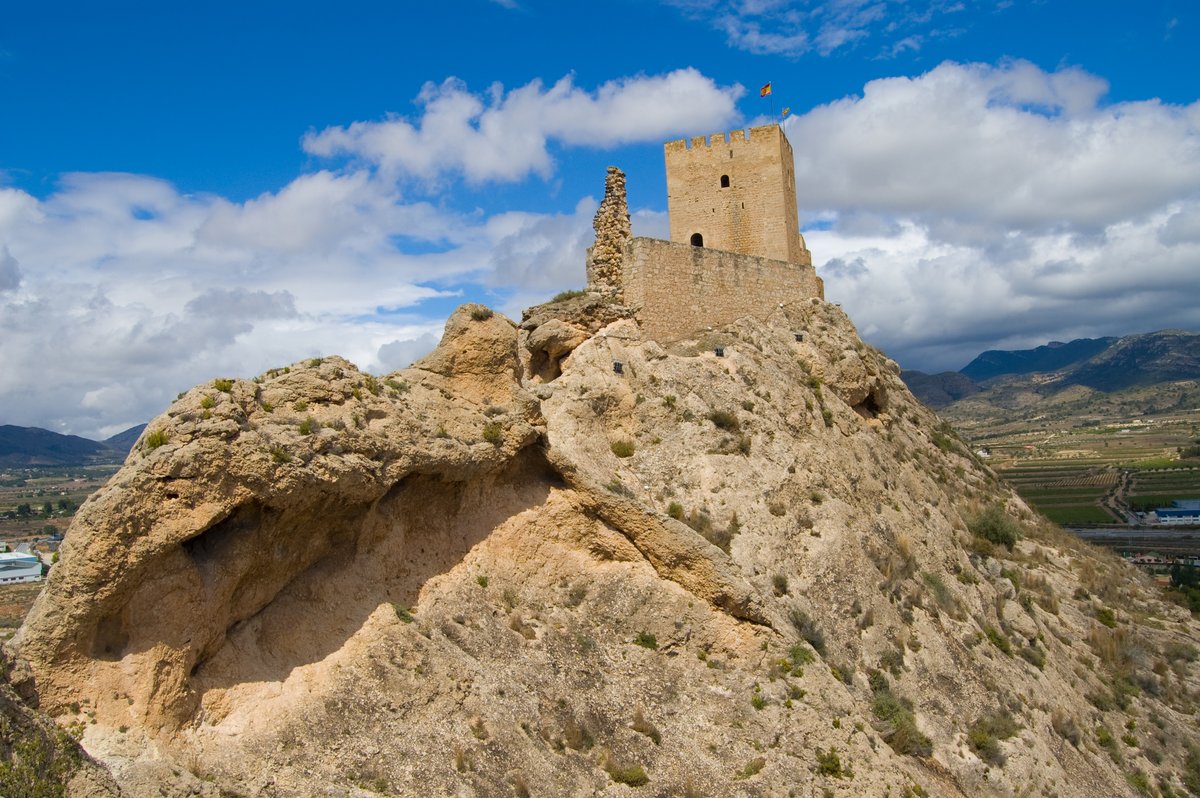
The villa at Los Torrejones was an agricultural operation dedicated to the cultivation of grapes and olives. Dating from the 1st century BC to the 4th century AD, the site is one of five rural villas found in the area - including Los Torrejones, El Pulpillo, Marisparza, Casa de la Ermita, and Fuente del Pinar - which cover approximately more than 4 square kilometers. The site shows evidence of occupation starting from the Iberian period in the 5th and 4th centuries BC until the 13th century.
Archaeological studies show a population increase during the first two centuries AD, followed by structural renovations in the 4th century. The villa was abandoned in the 5th century AD. During the Islamic period in the 11th and 12th centuries, walls were constructed in part of the villa using traditional tapial techniques. The site remained inhabited until the 13th century.
In 2014, a group of archaeologists led by Liborio Ruiz Molina discovered a remarkably well-preserved marble bust of an emperor from the 2nd century. The find took place in a room that likely served as a space for cultural functions and a cult dedicated to the emperor. This discovery followed decades of excavations that uncovered mosaics, columns, and stone basins associated with Roman thermal baths.
Today, the bust is on public display in the Museo Arqueológico Municipal de Yecla. The site contains various rooms for owners and laborers, alongside fragments of Roman ceramics and marble reliefs.
Sources: Wikipedia, OpenStreetMap, Wikidata, Wikimedia Commons
Written by Nicolo Ciampini
Discuss this with the author and others
No comments yet. Be the first to start the conversation.