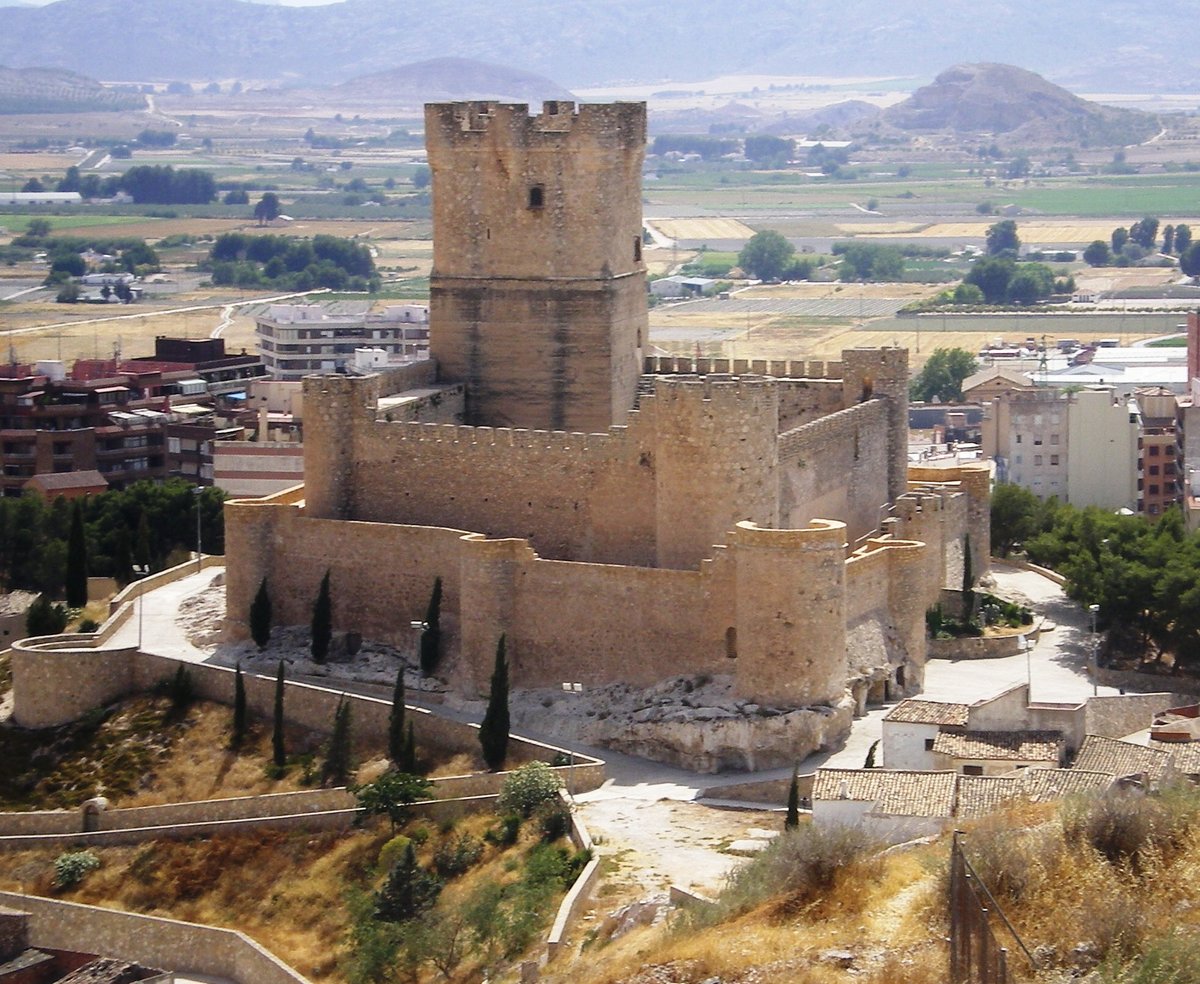

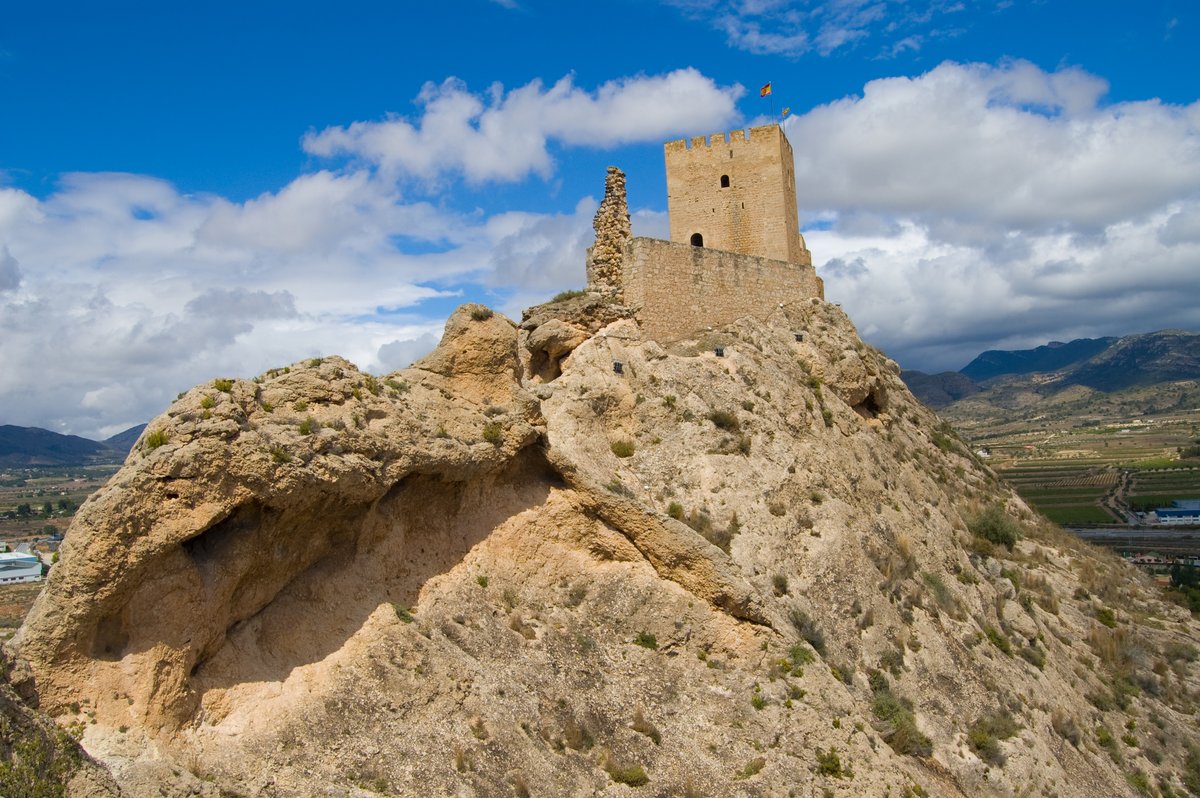
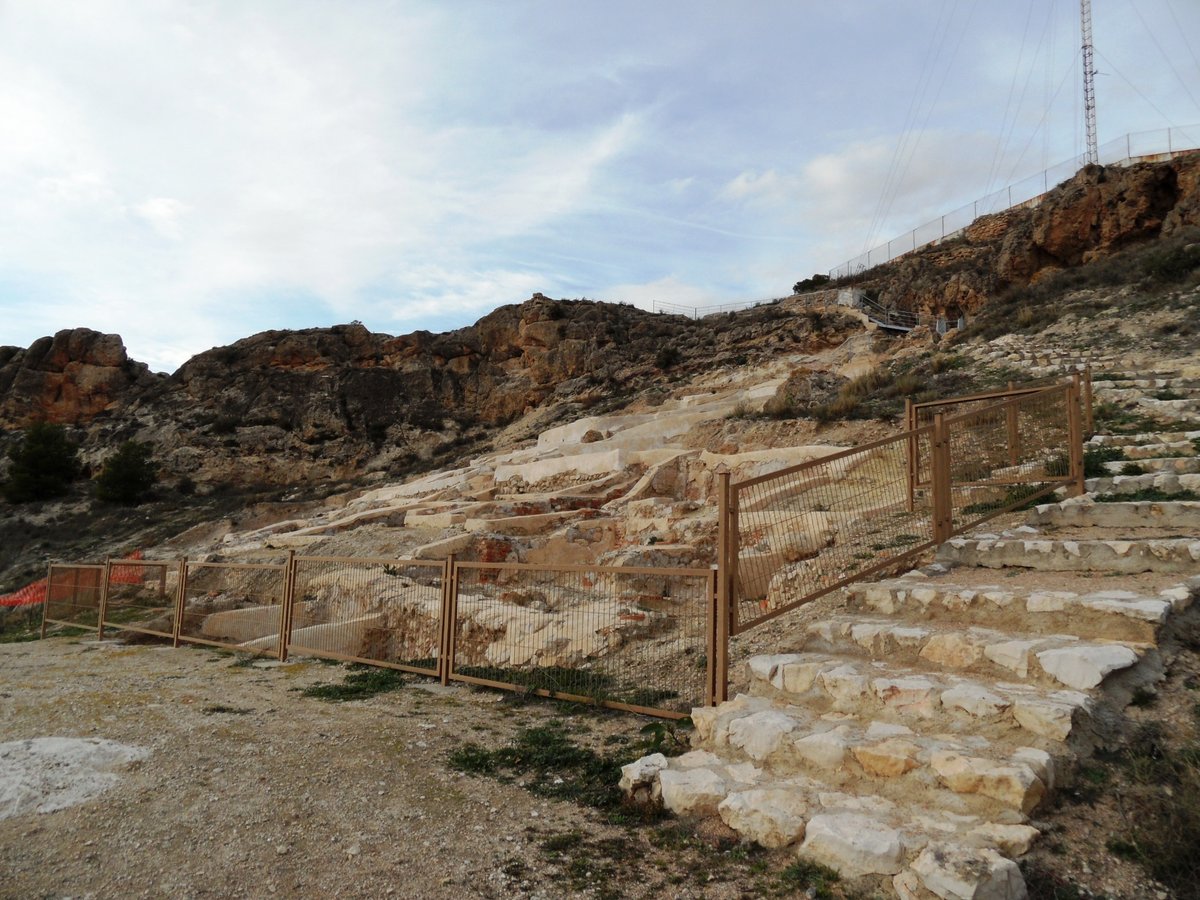
Perched upon a spur of the Sierra de la Villa, the Atalaya Castle stood as a guardian of the former frontier between Castile and the Kingdom of Aragon. We can trace its roots back to Arab records from 1172, marking its role as a primary stronghold for the Islamic emirate of Iberia. Its defensive prowess is evidenced by the fact that the fortification resisted three different sieges laid by James I of Aragon until it eventually yielded to an army led by the knights of the Order of Calatrava and almogavar mercenaries.
Ownership of this site reveals a fascinating history of shifting power and strategic fortification. The Order of Calatrava held the keys before it passed to Infante Manuel, who made reforms to improve the security of the fortress to defend his fiancée, the princess Constanza of Aragon. Following a local rebellion in 1476, the era of the Marquesses concluded and the crown took possession. The fortress later provided sanctuary for viceroy Diego Mendoza during the Revolt of the Brotherhoods and demonstrated its staying power again by enduring an eight-day siege by Austrian troops during the War of Spanish Succession.
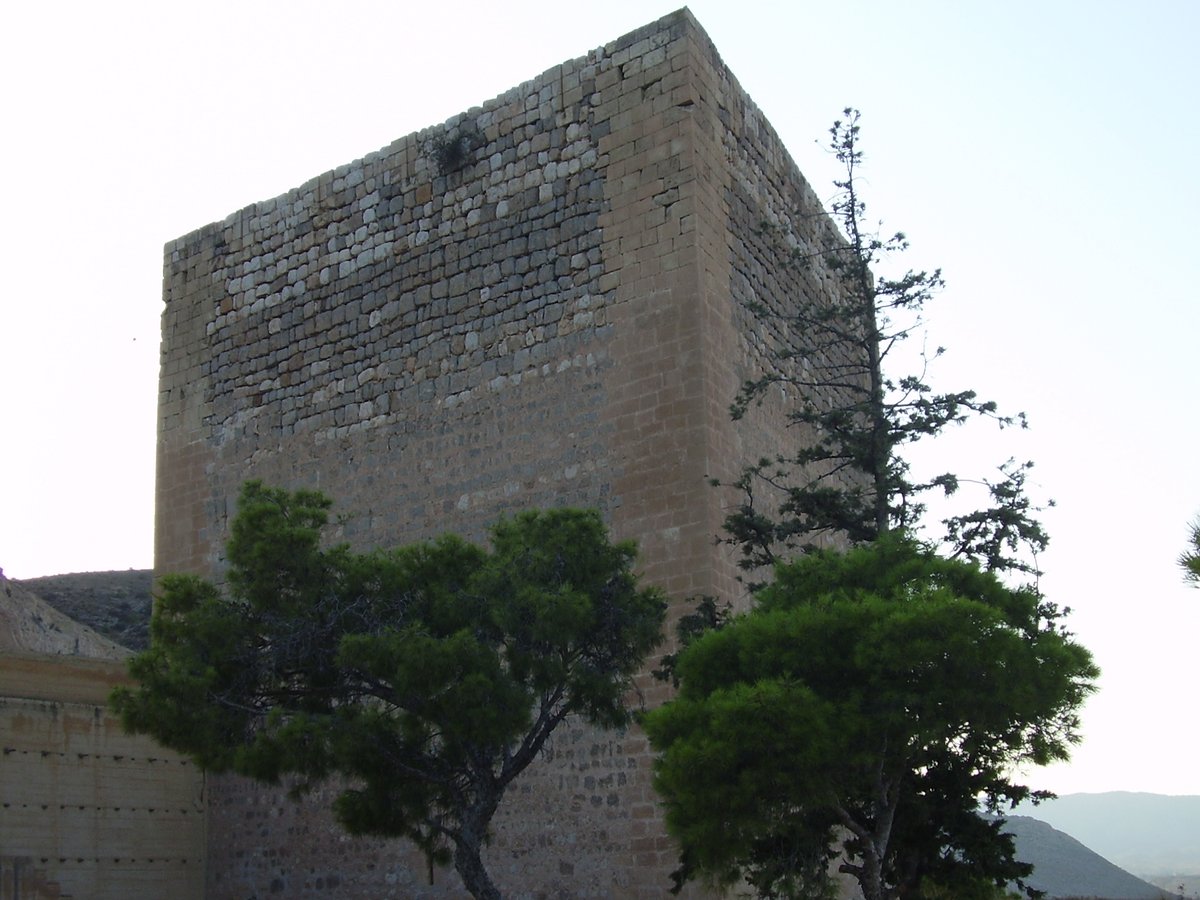
Stepping inside invites us to examine the structural evolution of the keep, which is higher than the other fortifications. The lower sections reflect Almohad construction techniques using rammed earth, while a 7 by 7 m hall preserves an Almohad ceiling from the 12th century. Visitors can observe a reproduction of a graffitied khamsa in the stairs, though the original piece is in the Villena Museum. Since its restoration in 1958, the site remains a Historical-Artistic Monument and serves as the centre of the yearly Moros y Cristianos festival.
Sources: Wikipedia, OpenStreetMap, Wikidata, Wikimedia Commons
Written by Nik Frost
Discuss this with the author and others
No comments yet. Be the first to start the conversation.