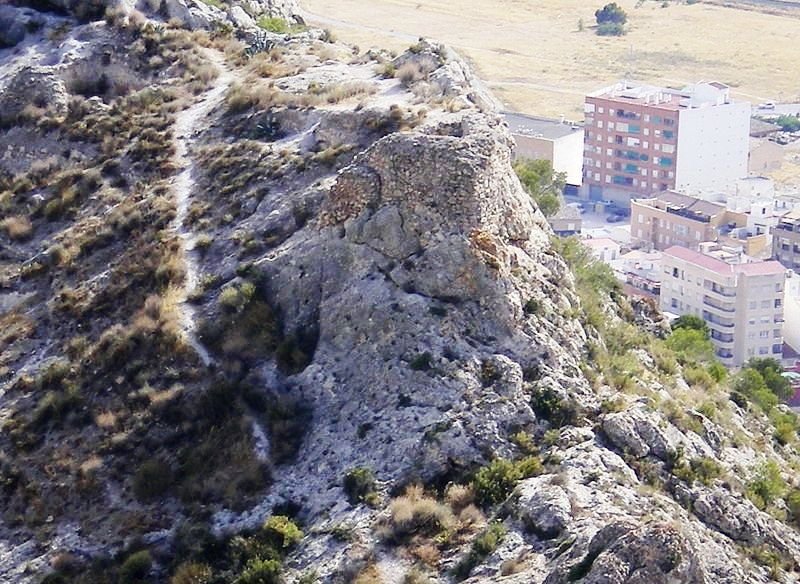

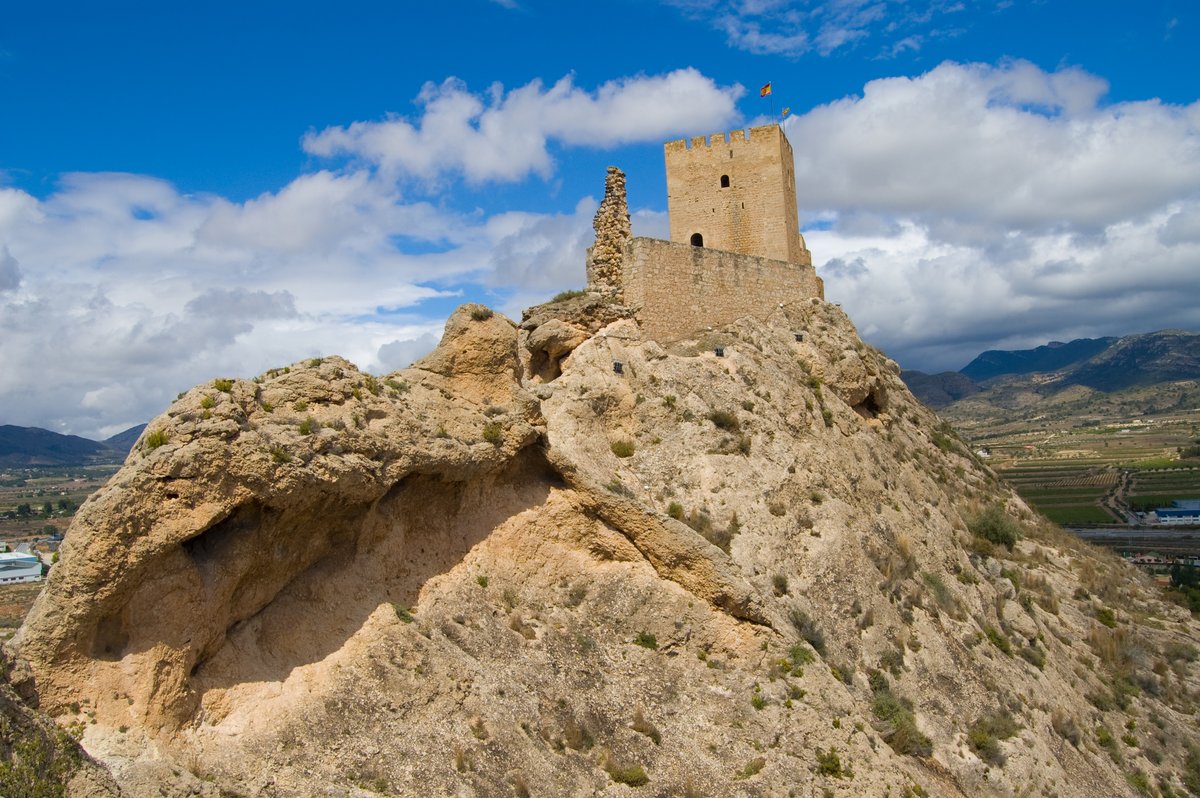
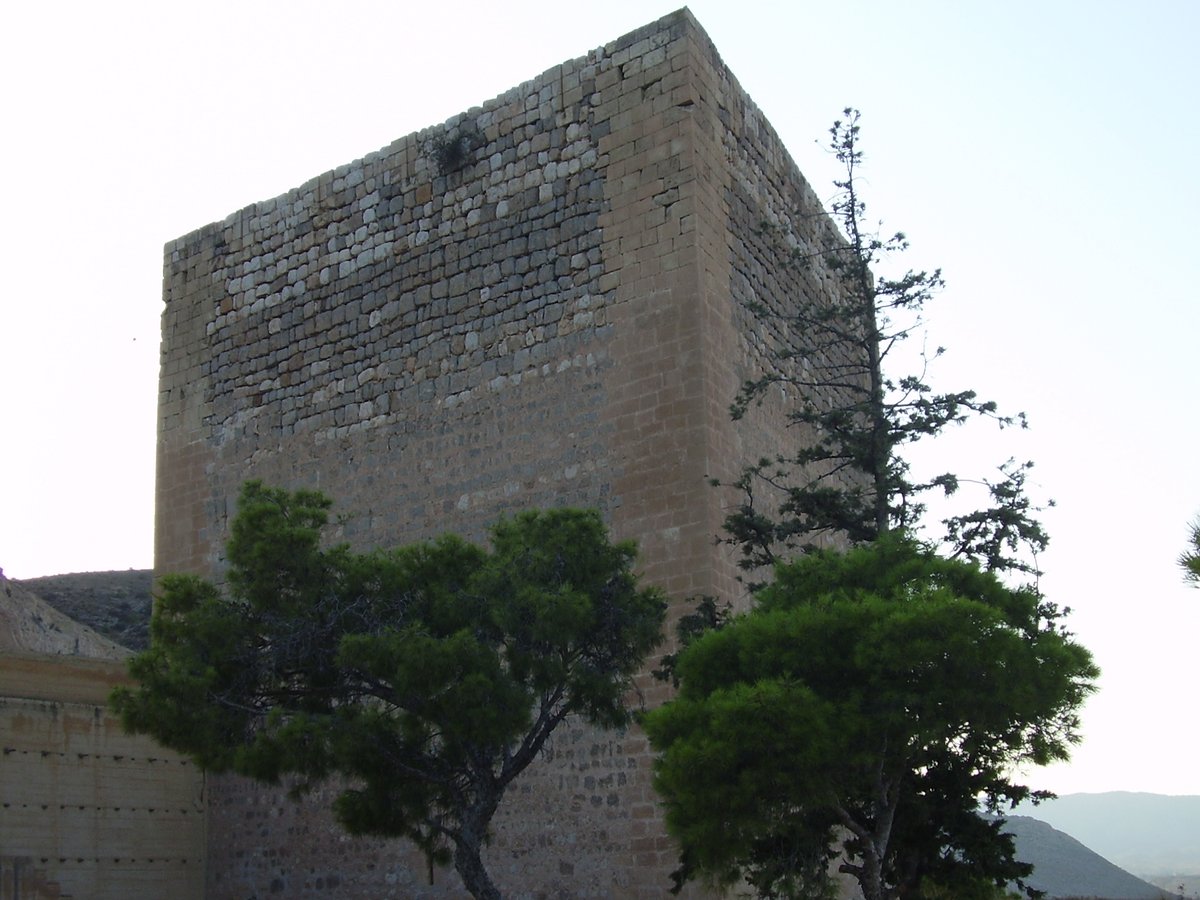
Within the ruins of the Castillo de Salvatierra, known as El Castillico, a game of Mancala remains carved into the rock. This pastime has Islamic origins and is preserved in the stonework of the south tower, also known as the keep. The keep features walls up to three meters thick, built of tapial and masonry.
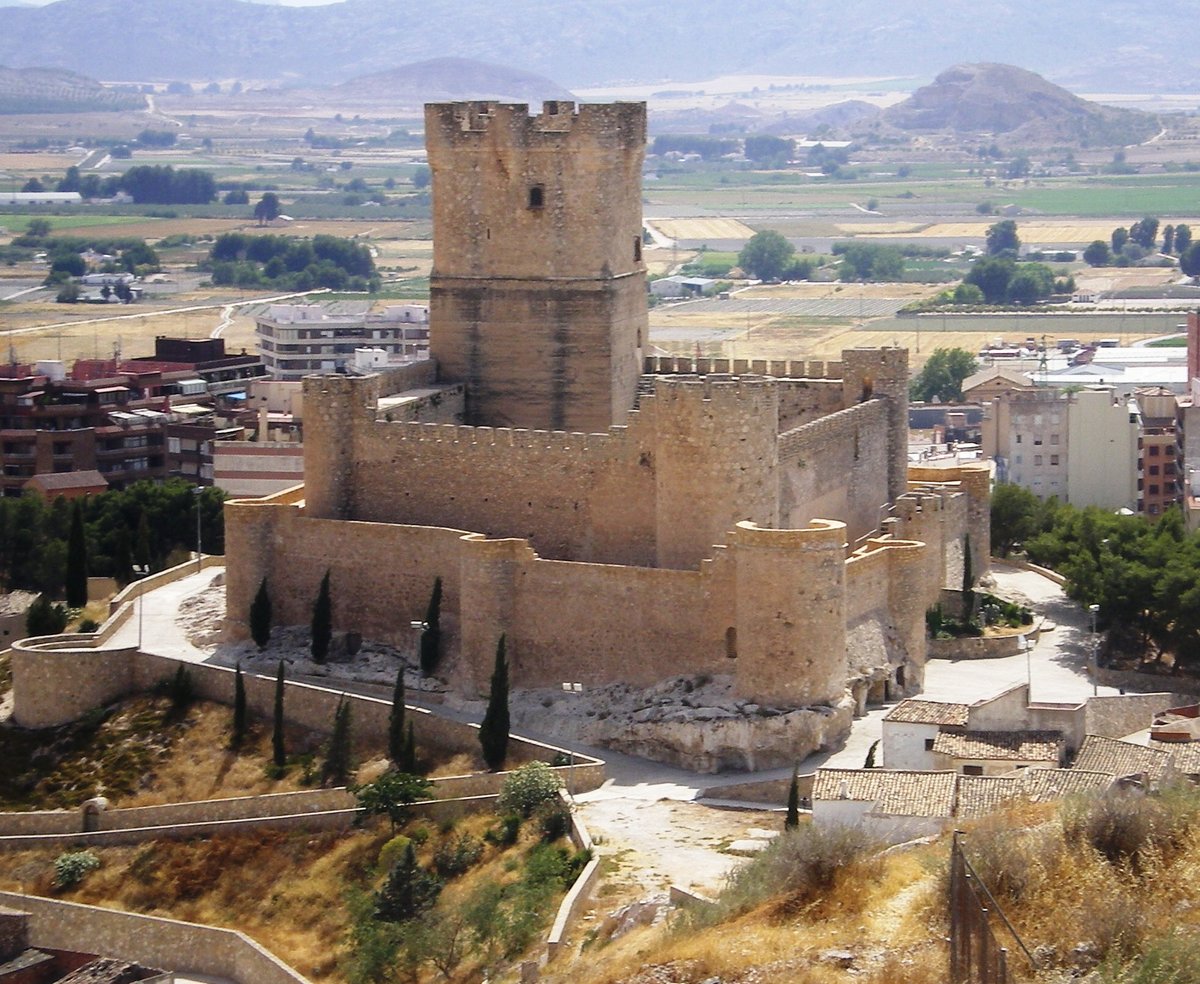
Positioned on a ridge in the Sierra de la Villa, the fortress served as a strategic lookout. Construction began in the 10th century and it remained in use through the Almohad period. It was abandoned in the 14th century in favor of the Castillo de la Atalaya. From its location, the valleys of Biar, Benejama, and Villena, as well as the towns of Yecla and Caudete, can be seen.
Archaeological research conducted in 1951 confirmed that the site contains remains from prehistoric, ancient, and medieval periods. The architecture shows a clear division between the upper alcazaba and the lower albacara, with a long stretch of masonry wall delimiting the eastern side. Builders used mortar and medium stones to construct its rectangular layout, which measures 50 meters in length and five meters in width.
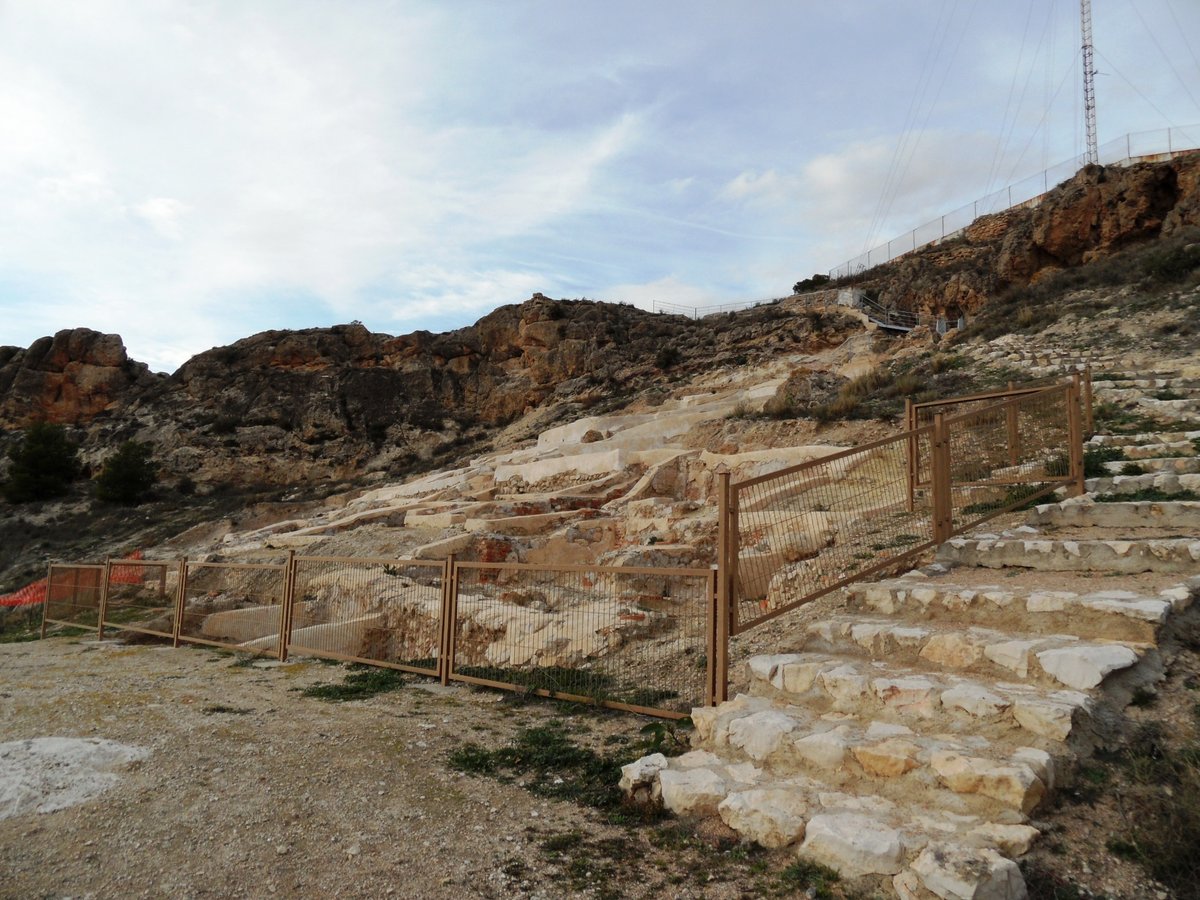
Visitors today can see a small part of the remaining structure, including an ancient cistern and water collection channels carved into the rock. The site, which was declared a monument of cultural interest in 1985, preserves these features alongside stairs built directly into the natural stone.
Sources: Wikipedia, OpenStreetMap, Wikidata, Wikimedia Commons
Written by Nik Frost
Discuss this with the author and others
No comments yet. Be the first to start the conversation.