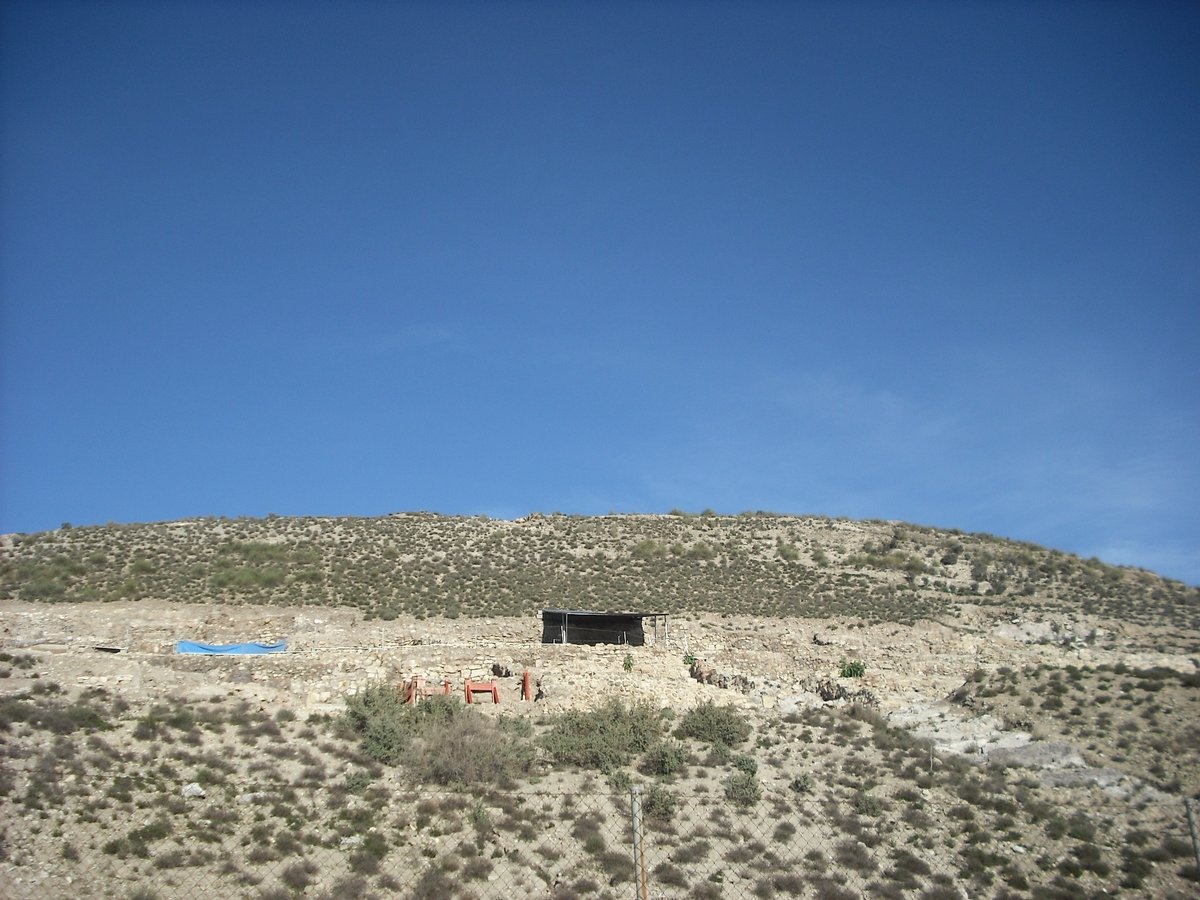

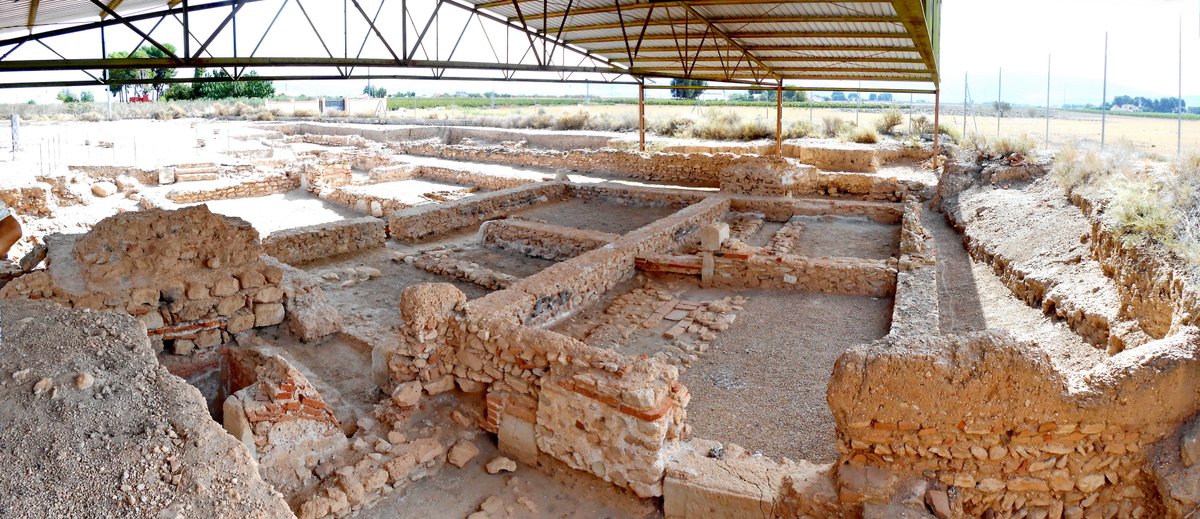
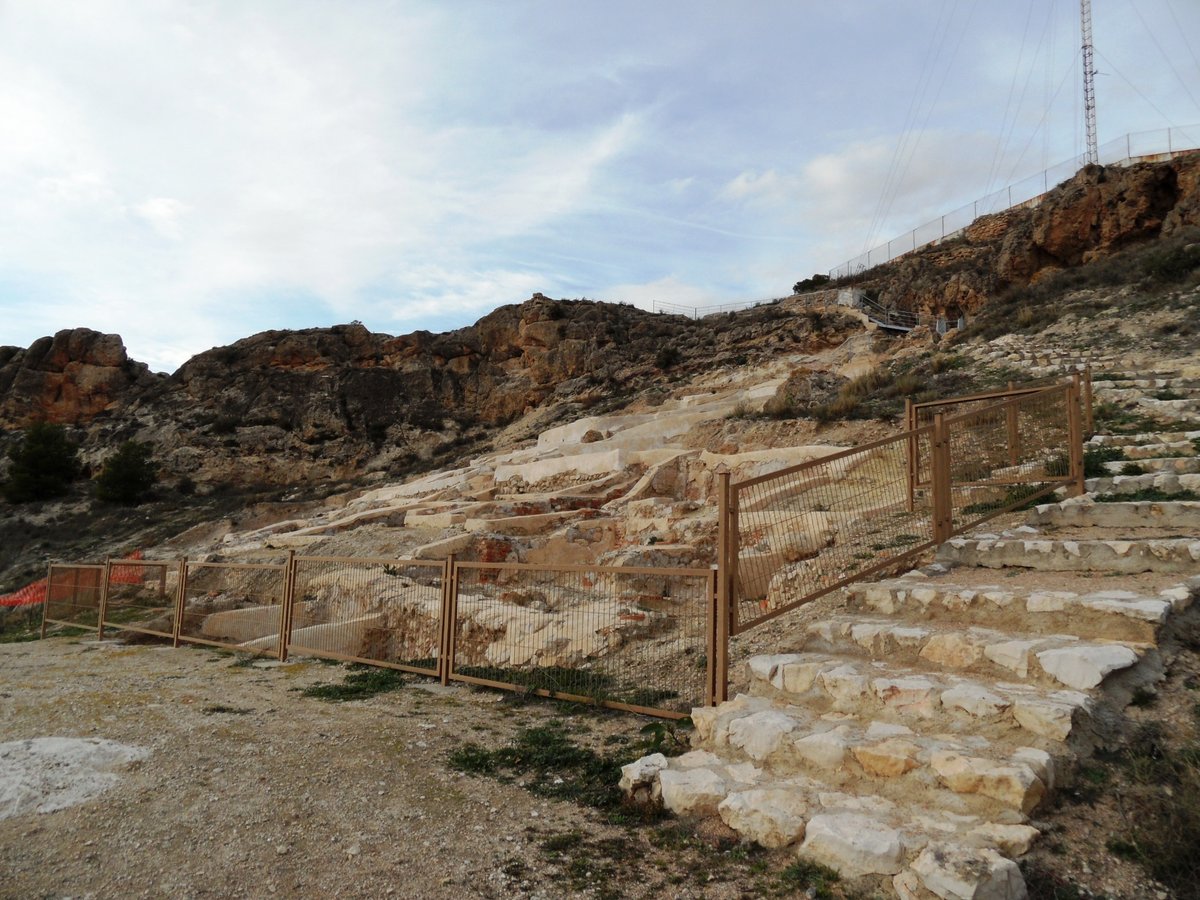
We have discovered a warp-weighted loom and 48 clay weights buried within the soil of Cabezo Redondo. This find is vital because organic components like wood and plant fibers typically vanish over the millennia. By examining these carbonized remains, researchers can now begin to reconstruct the technical structure of ancient weaving.
This settlement functioned as an Argaric regional capital from 1500 to 1100 BC. The layout and population density indicate it was a major center for residents from smaller villages surrounding the Villena Lagoon. Although gypsum quarries destroyed portions of the area in the 19th century, archaeologist José María Soler began systematic studies in 1959 after discovering several metal objects including gold, silver, and copper.
A 2008 excavation of the loom recovered fragments indicating that prehistoric looms were vertical, with weights used for tensioning. Experts from the Universities of Alicante, Valencia, and Granada are mapping how prehistoric workers controlled tension by analyzing the placement of charred timber and clay weights. This investigation reveals the scale of their production.
We now maintain the location as a designated Cultural Heritage Site. While the famous gold and silver personal adornments are housed in the Archaeological Museum of Villena, we continue to protect and study the industrial landscape on this hillside. There is much more to learn from these remains.
Sources: Wikipedia, OpenStreetMap, Wikidata, Wikimedia Commons
Written by Nik Frost
Discuss this with the author and others
No comments yet. Be the first to start the conversation.