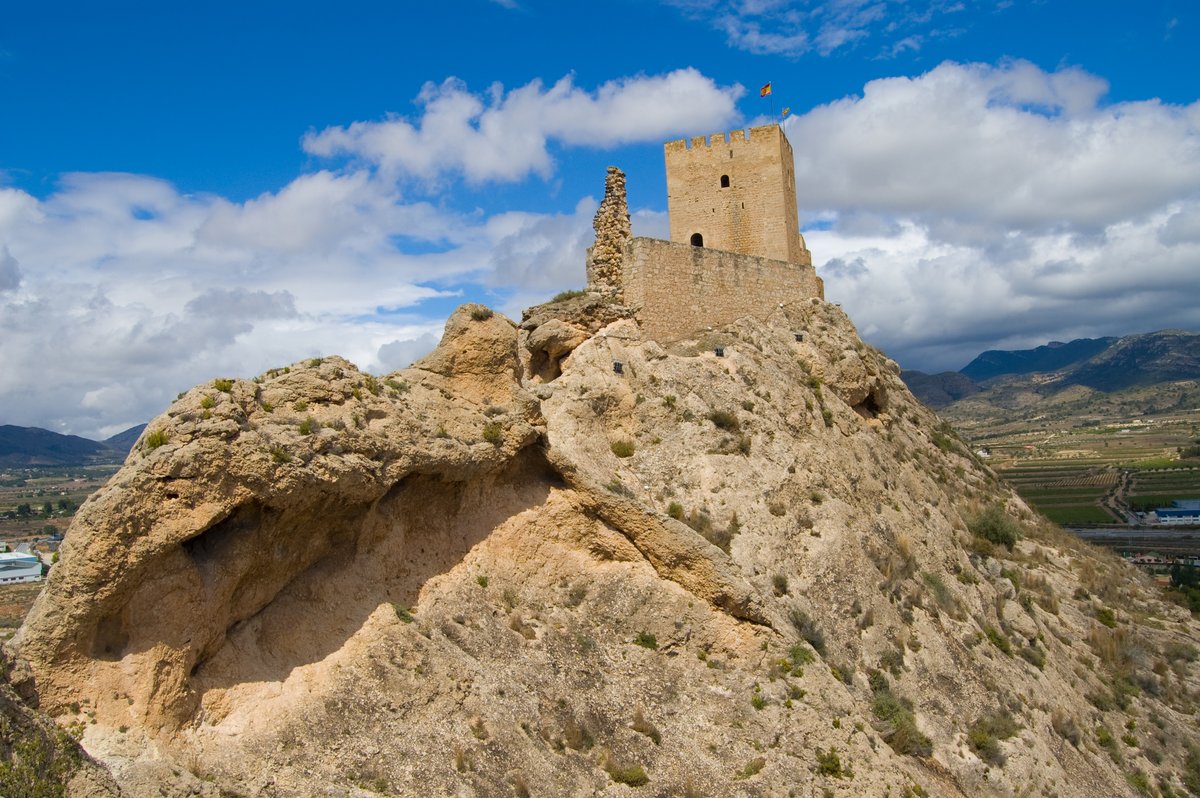

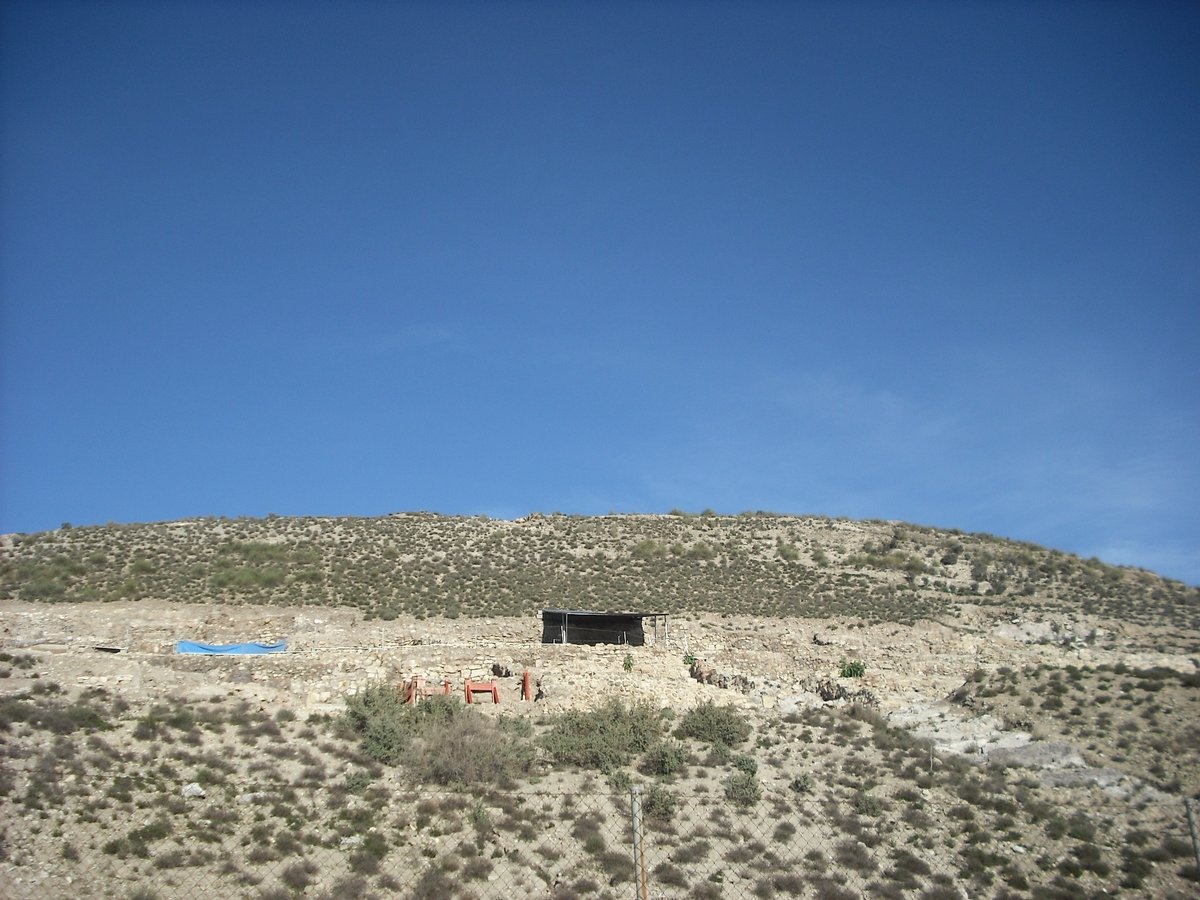
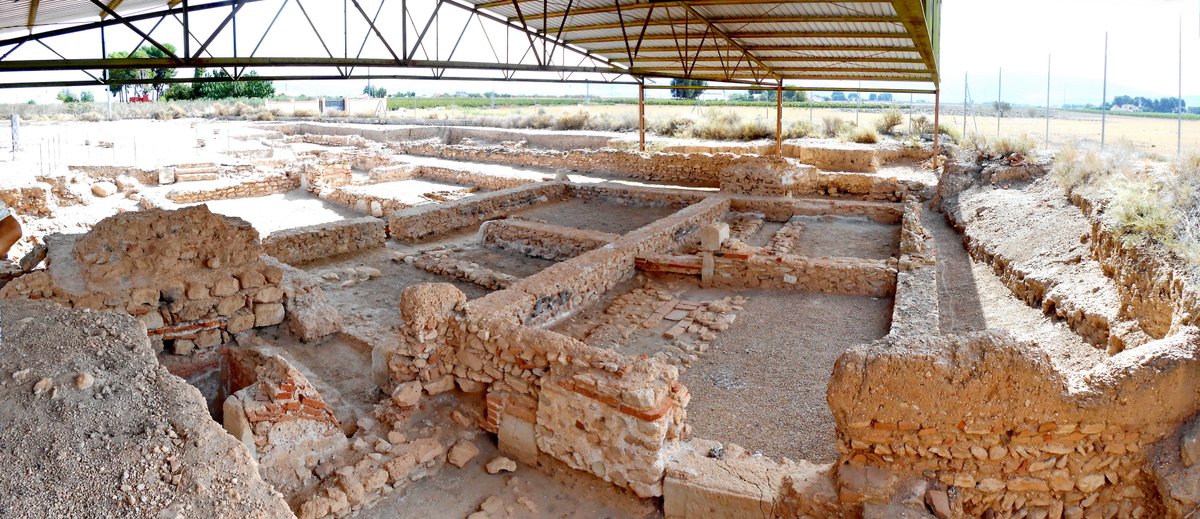
Sitting 524 meters above the Vinalopó valley between Elda and Villena, Sax Castle sits on a steep rock. It is a Bien de Interés Cultural categorized as a monument. The oldest remains found on the rock are Iberian and Roman, though the current fortress is of Almohad origin, likely from the Almohad period. It was one of the three great fortresses of the Alto Vinalopó, forming part of a defensive line along with the fortresses of Villena and Biar.
In 1239, Ramón Folch, the vizcount of Cardona, attempted to conquer the fortress without success. By the end of that year, it was taken by knights sent by the Commander of Alcañiz. It later became part of the lordship of Villena before being incorporated into the state in 1480. During the War of Spanish Succession, the garrison supported the House of Anjou but withdrew after being besieged by the troops of Charles de Austria. In 1764, Charles III appointed the Duke of Arcos as the castle's alderman, and it passed to the Duke of Maqueda in 1782. It has been municipal property since 1980 and is currently fully restored.
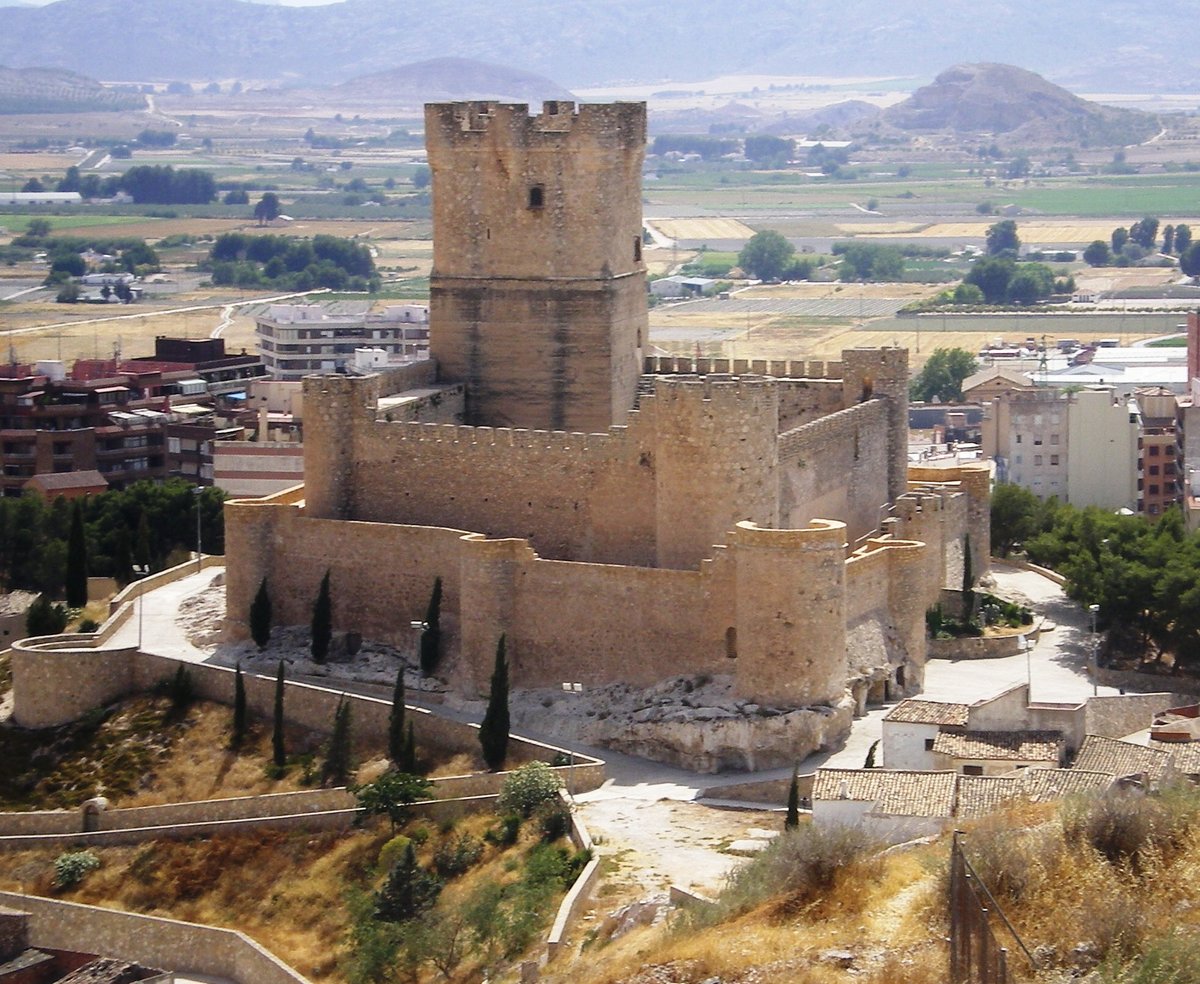
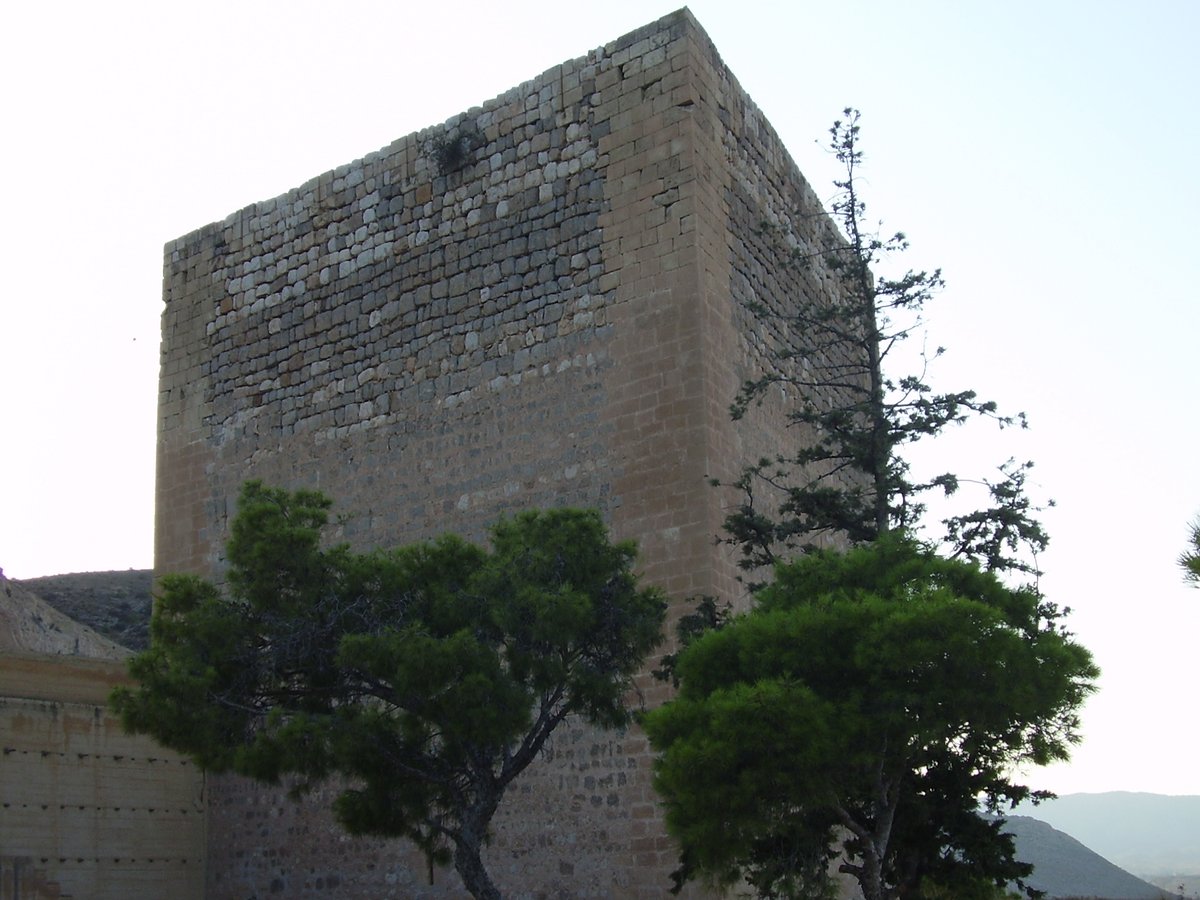
The castle occupies an elongated hill, which is inaccessible from the western side, meaning the only access is from the northwest. The irregular layout consists of two areas: an outer barbican for defending bridges and entrances, and a large walled body that once contained a large dormitory. The main rectangular tower features walls up to 2 meters thick and housed an armory with a crenelated terrace accessed via pointed arched stairs. The first and second floors have pointed barrel vaults, with embrasures in the second and third levels.
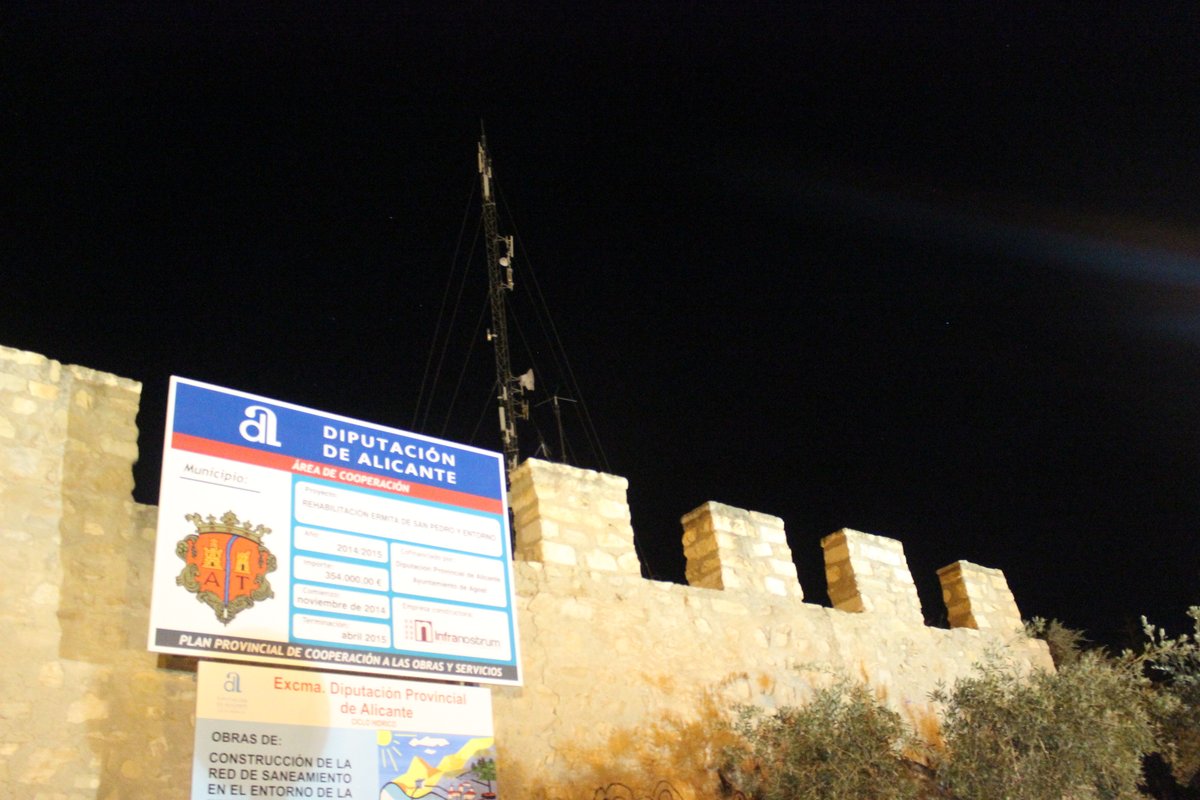
Other defensive works were built into the cliffside to protect the main gate. A drawbridge once provided access to the keep, which has since disappeared. A large cistern sits next to the tower. The current structure is believed to date from the 14th century, with the northern section being the oldest part and the keep being the newest. A set of stairs was added a few years ago to allow visitors to climb and view the site from the side of the cliff.
Sources: Wikipedia, OpenStreetMap, Wikidata, Wikimedia Commons
Written by Nicolo Ciampini
Discuss this with the author and others
No comments yet. Be the first to start the conversation.