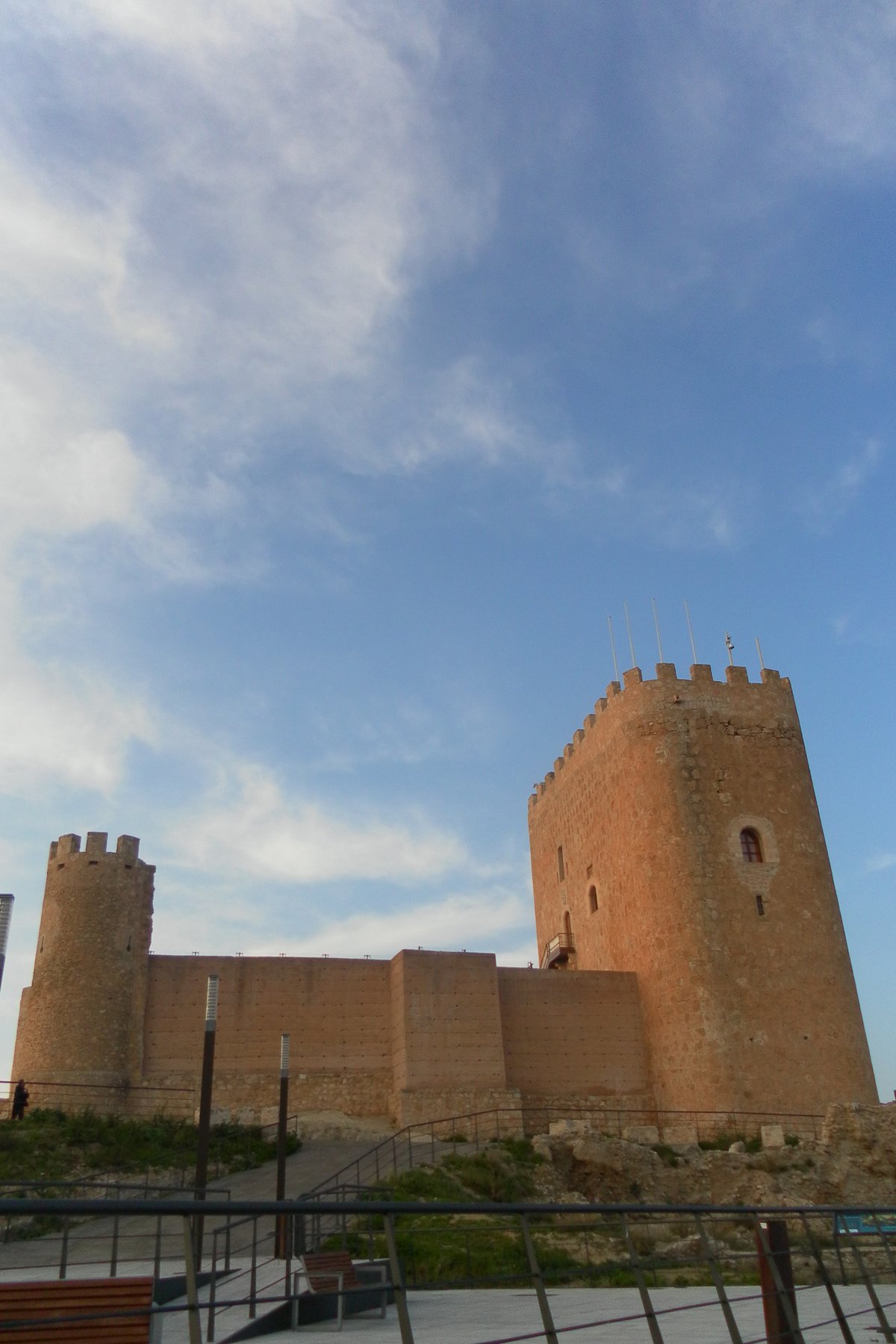

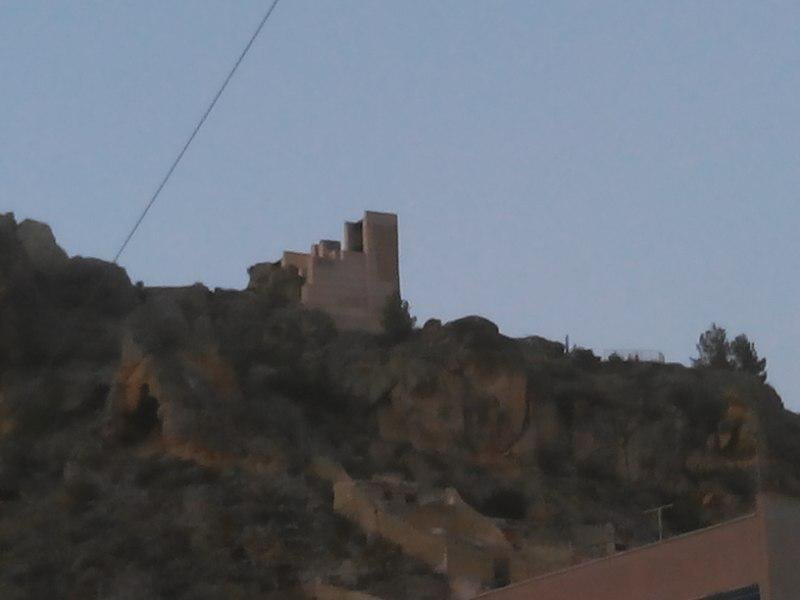
The Castillo de Jumilla is a medieval fortress in the municipality of Jumilla, located in the Region of Murcia. It sits on a hill overlooking the town, serving as one of its most characteristic symbols. The site has seen a succession of settlements since Prehistory. While the current structure is primarily medieval, it contains elements from different periods of the Iberian Peninsula.
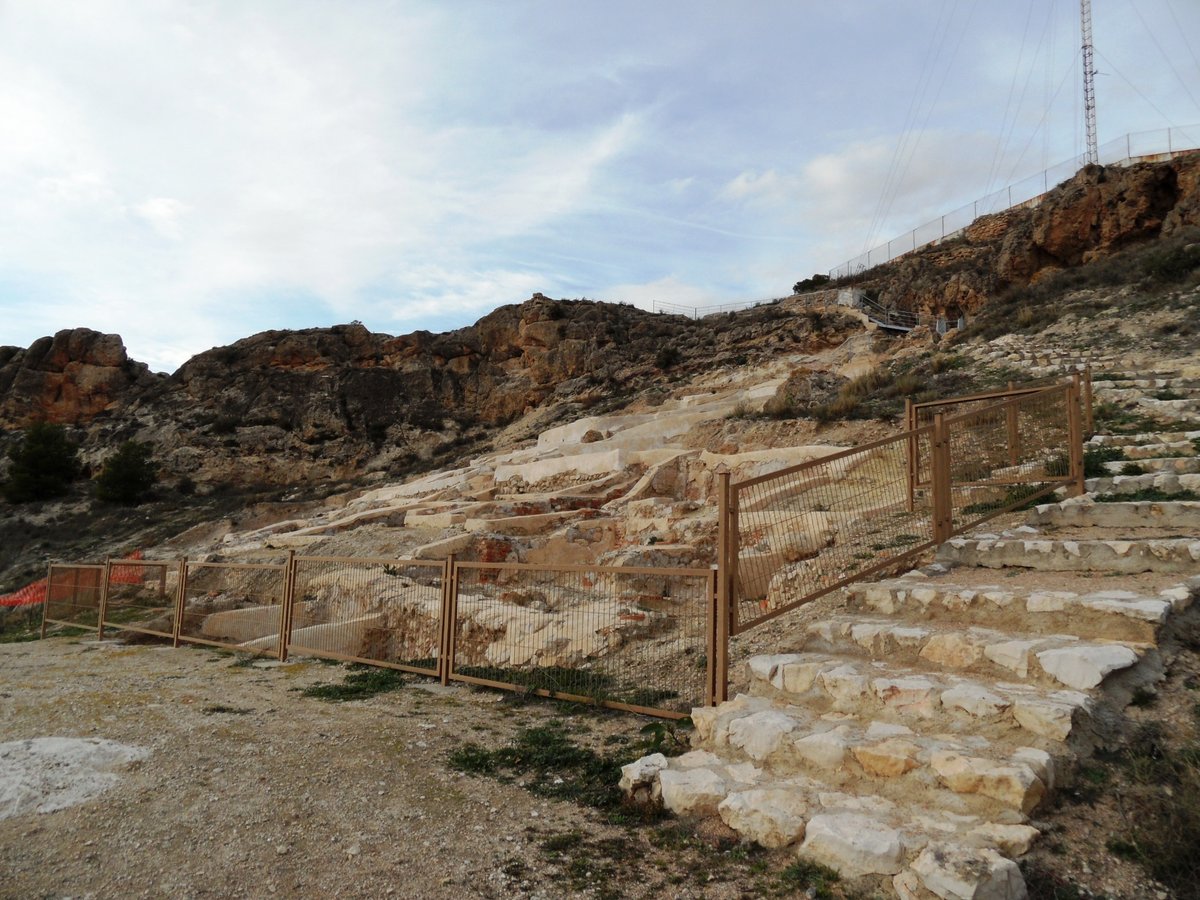
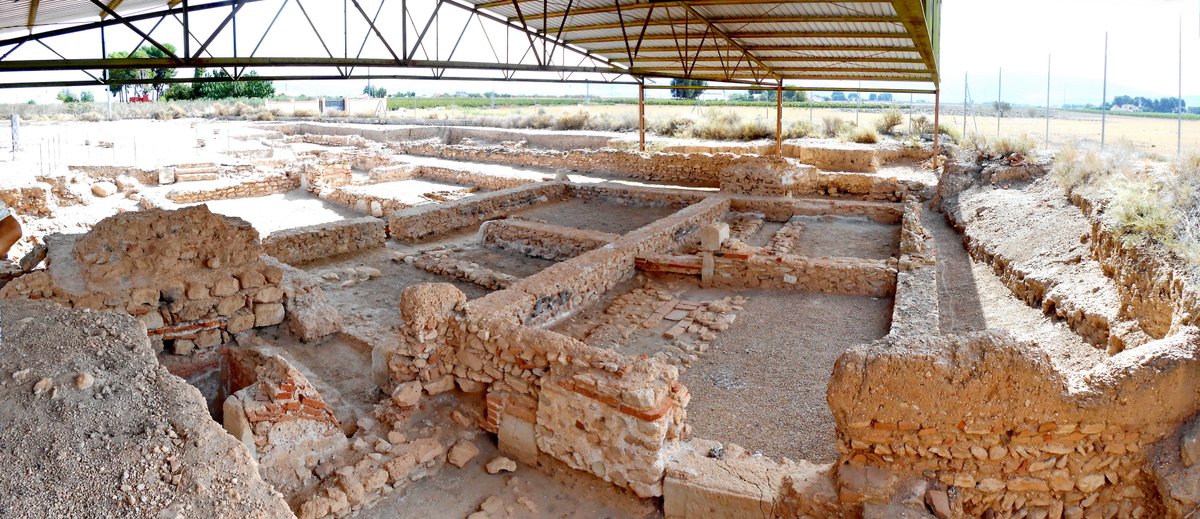
Early fortifications on the site date back to the Iron Age when Iberians settled there and built a large fortified town. Later, the Romans took possession and fortified the hill, constructing a section of a wall that still remains today. Archaeological remains include "sigillata" ceramics from the 1st century. In April 713, the fortress began to be constructed over these old Roman ruins, and the settlement remained until 1243, when the treaty of Alcaraz saw it integrated into the territory of Castile.
Following these shifts, the castle was part of the territory of Valencia by 1304 according to the sentence of Torrellas. In 1358, Pedro I of Castile conquered the castle and granted the town the privileges of Carta Puebla, as well as the current coat of arms of the city. The fortress was significantly modified in 1461 by the Marquis of Villena, who built the three floors, basement, and terrace that exist today.
The castle is currently recognized as a Bien de Interés Cultural. This status provides a legal framework for the protection of the site, which is listed in the General Register of Assets of Cultural Interest.
Sources: Wikipedia, OpenStreetMap, Wikidata, Wikimedia Commons

Written by Nicolo Ciampini
Discuss this with the author and others
No comments yet. Be the first to start the conversation.