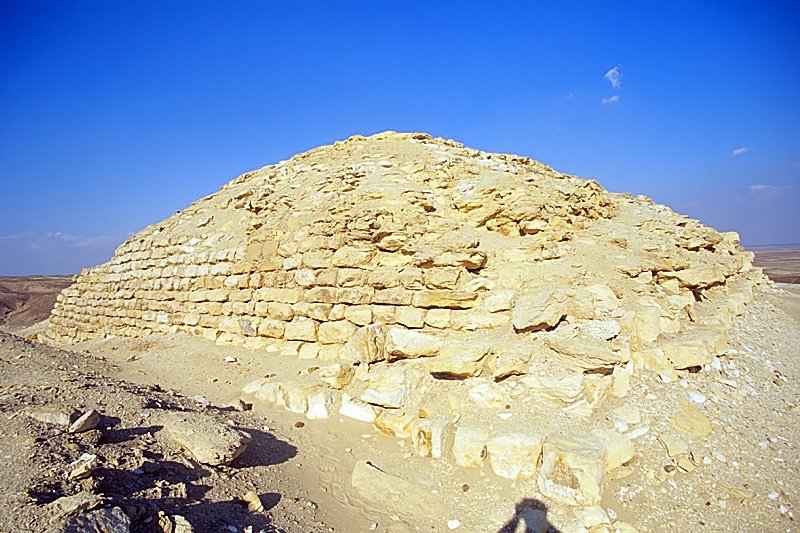

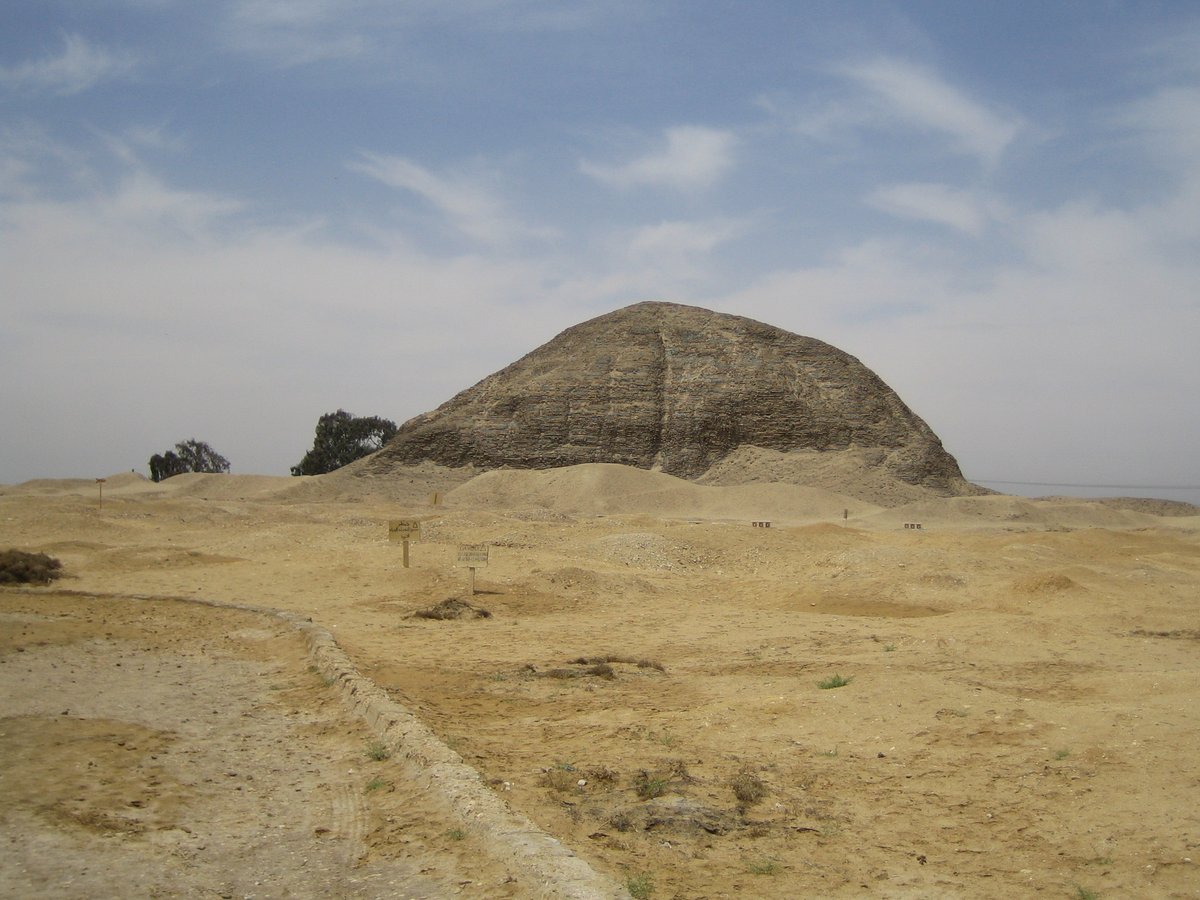
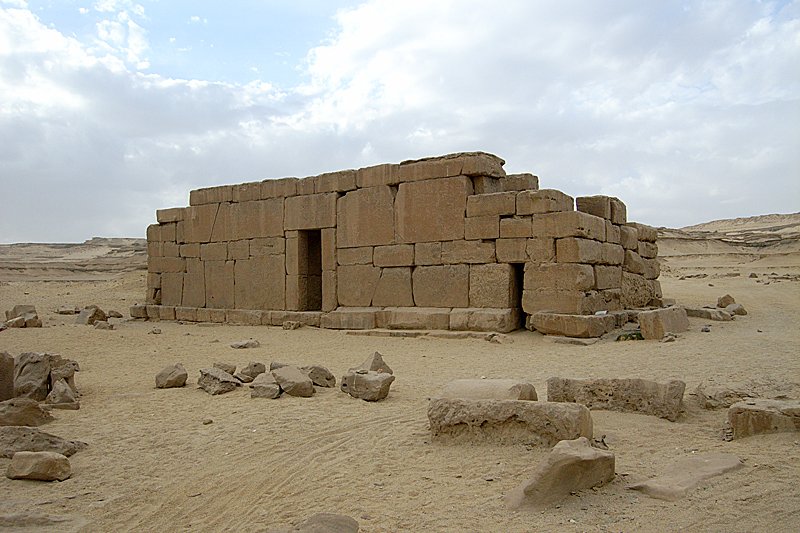
Located on an outcrop between the Faiyum Oasis and the Nile Valley, the Pyramid of Seila is one of seven small step pyramids built far from the major centers of Egypt. Discovered by Flinders Petrie in 1889 or 1890, the structure stands about 6.5-6.8 meters tall today. It was built using local limestone with a mixture of Nile mud and sand used for mortar. The pyramid is not oriented exactly to the cardinal directions, diverging about 12° to the northwest to remain parallel to the course of the Nile.
The pyramid originally had four steps and consisted of three layers which encased an inner core. While its purpose remains unclear, some scholars suggest it may have been a representation of the primeval mound, a symbol of political and religious unity, or a monument commemorating royal wives. Because there is no burial chamber, some have suggested it may have been the original tomb of Queen Hetepheres I, though this is considered unlikely.
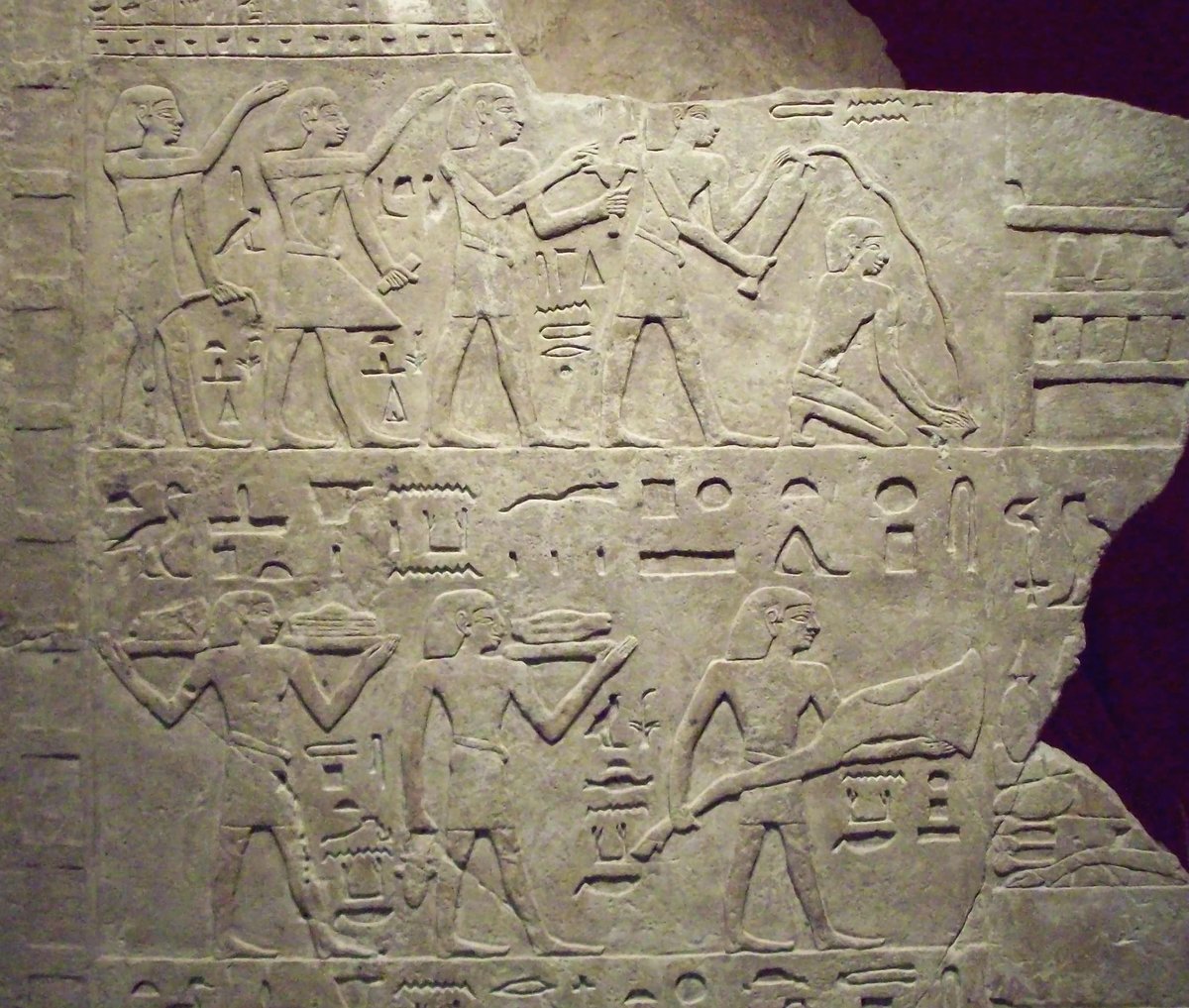
In 1987, fragments of an offering table, two steles, and the remains of a causeway were found on the east side of the pyramid. One of the steles bore the name Snefru, which may indicate that he was the builder. Egyptologists generally consider this structure and six others to have been part of a unified project.
Sources: Wikipedia, OpenStreetMap, Wikidata, Wikimedia Commons
Written by Mutabor
Discuss this with the author and others
No comments yet. Be the first to start the conversation.