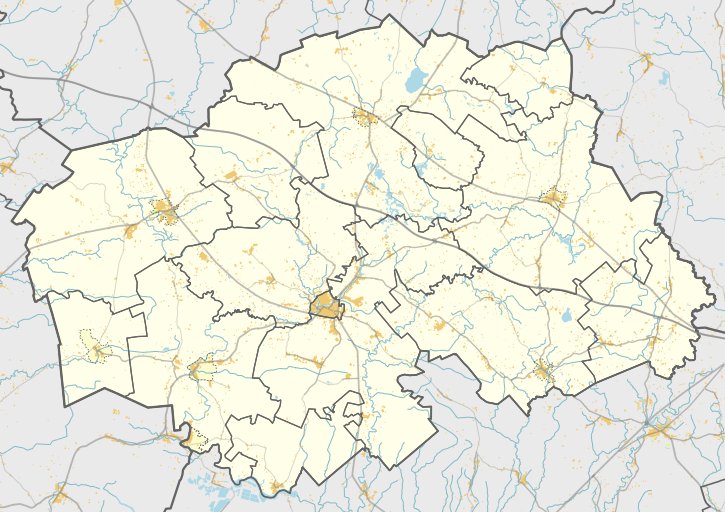

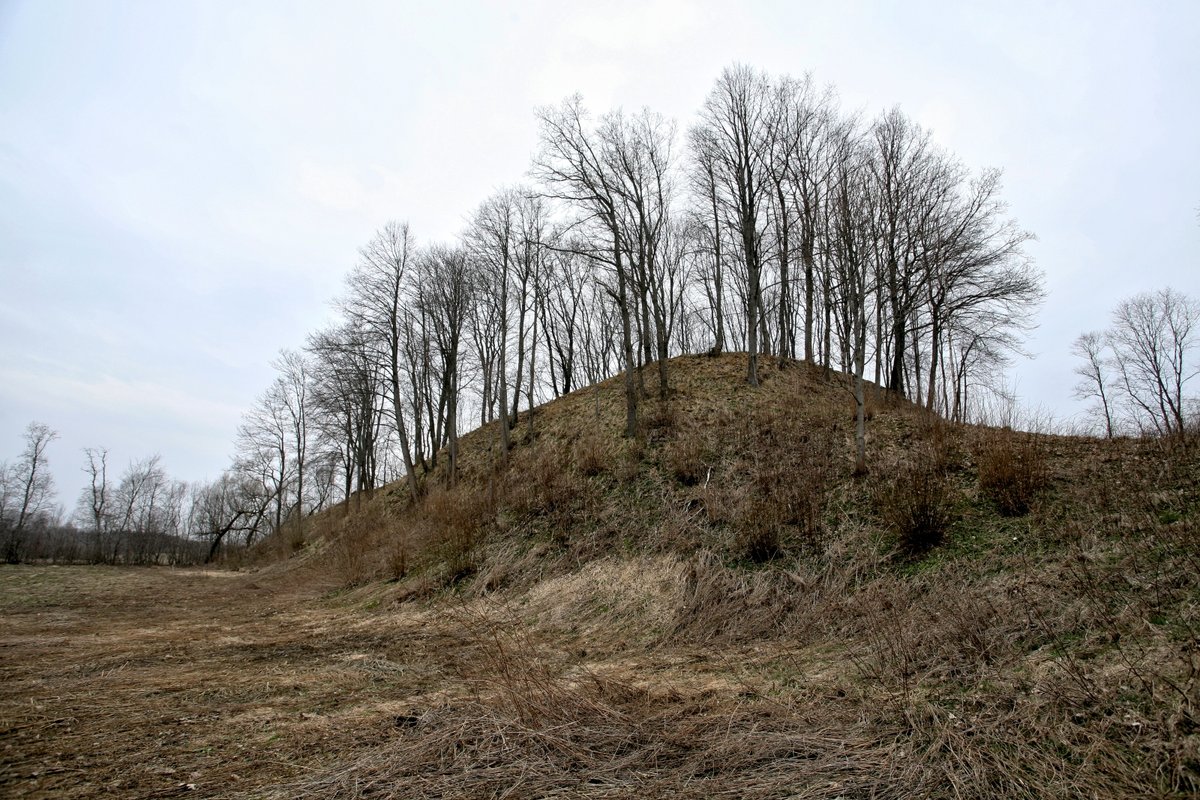
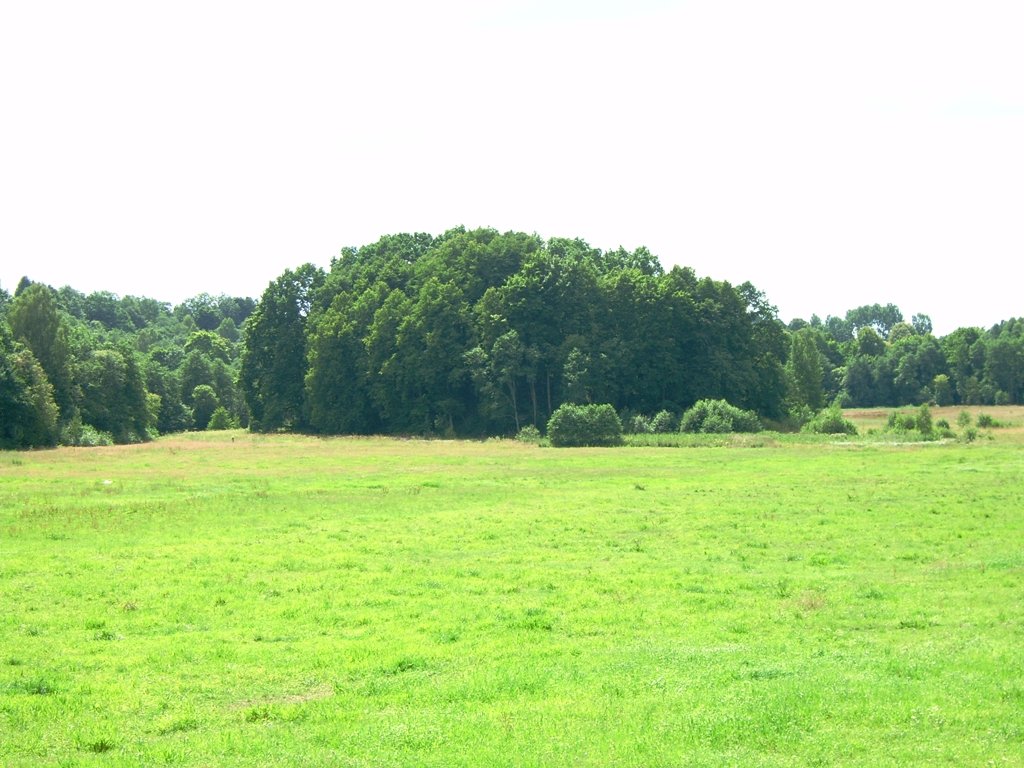
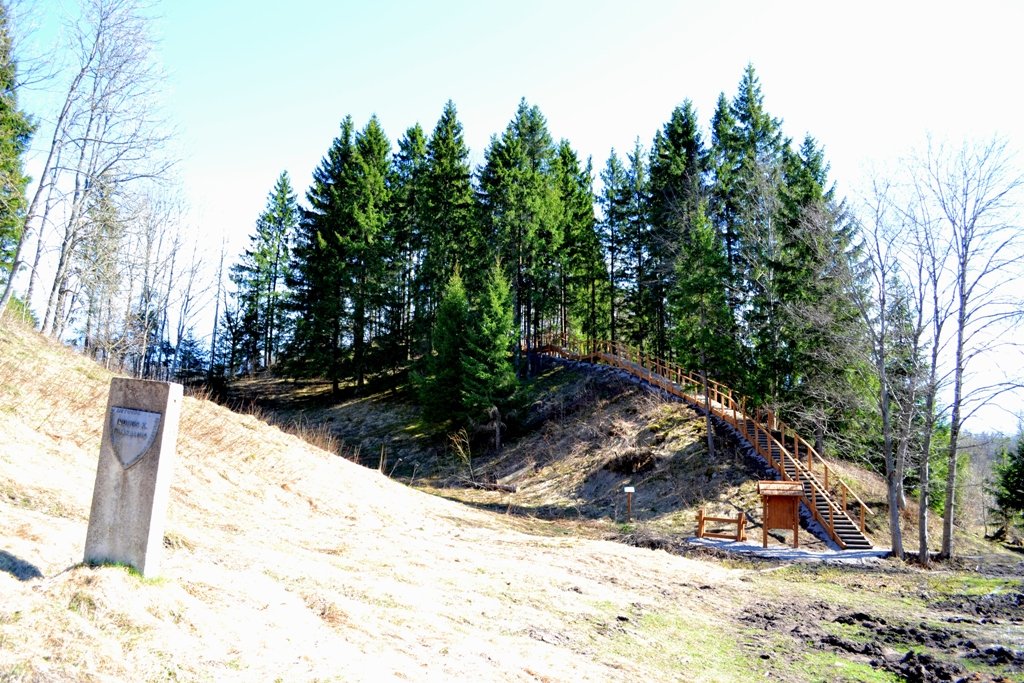
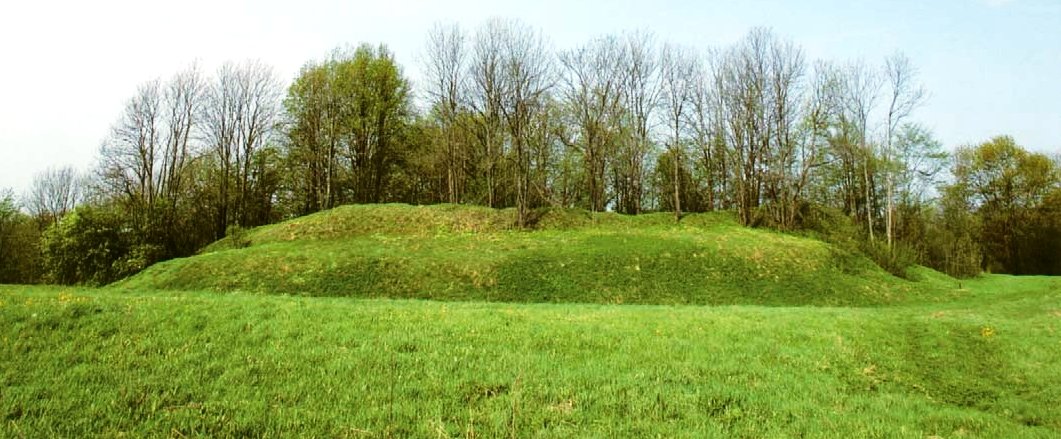
Gegužių Piliakalnis, also known as Bliūdkalnis or Galvyčių piliakalnis, is an archaeological hillfort located in the village of Gegužkalnis near Lake Lingiai. The site is characterized by its long and narrow hills with eastern and western slopes standing about 20 meters high, descending into swampy valleys. A ditch and a 4-5 meter high embankment separate the hillfort from another part of the hill to the north, behind which lies a second ditch 3 meters deep.
The courtyard of the hillfort is oval-shaped and measures 31 by 10 meters. In 1930, a filled embankment still surrounded the courtyard, which made the area appear depressed. By 1934, the hillfort had been leveled, parts of it excavated, and the embankment cleared.
Archaeological research on the site was conducted by Liudvikas Kšivickis in the 20th century, followed by archaeological surveys by the Institute of Lithuanian History in 1961.
It is believed that a wooden castle of the Samogitians (Geguse) once stood on the hillfort. This structure was reportedly burned down in the winter of 1329 by the armies of the Teutonic Order and the knights of King John of Bohemia.
Sources: Wikipedia, OpenStreetMap, Wikidata, Wikimedia Commons

Written by Nicolo Ciampini
Discuss this with the author and others
No comments yet. Be the first to start the conversation.