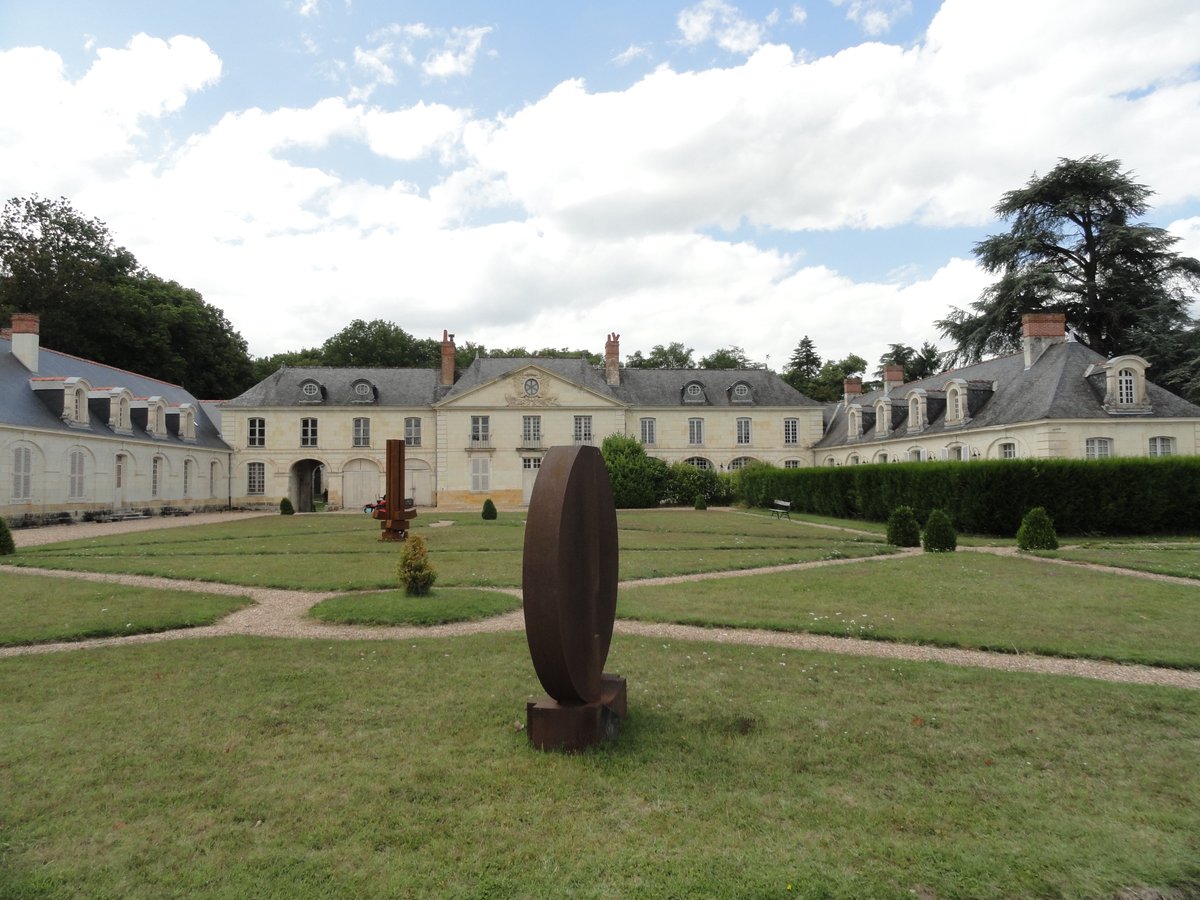

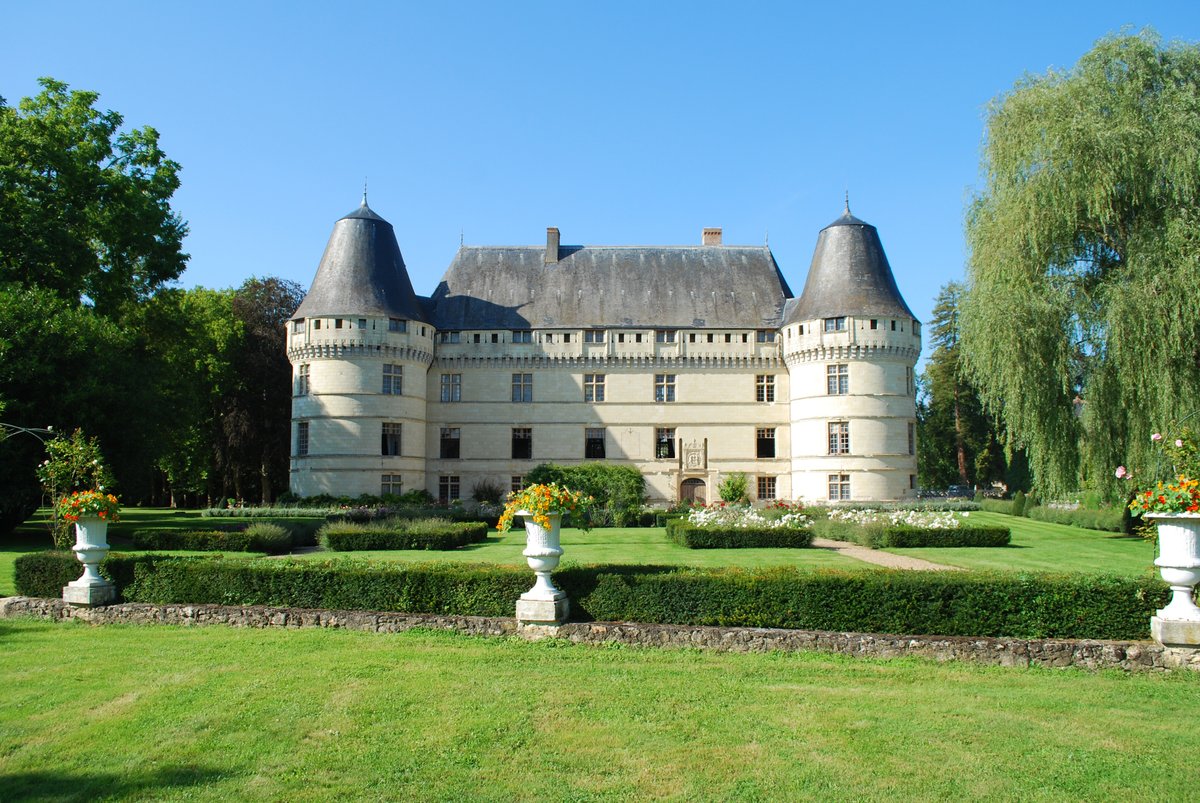
In 1757, Louis XV ordered Marc-Pierre Voyer to resign his post and retire to his land at les Ormes. This followed an assassination attempt in January, for which Madame de Pompadour held Voyer responsible. Louis XV told him to spend his fortune on embellishing the castle, park, and gardens rather than on politics. Voyer spent the next seven years of his exile undertaking a total reconstruction and extension of the castle with the architect Pierre Meusnier.
During this period, Voyer expanded the estate significantly, adding the Pussort wing and his own wing, known as the wing of the Clock. His association with the arts and intellect was well-known; Diderot and d'Alembert dedicated their Encyclopédie to him, and the castle hosted famous guests including Voltaire.
Voyer's son, Marc-René, continued to develop the property in the years following his father's death. He increased the domain from 215 to 910 hectares and introduced new crops like clover and sainfoin in 1766. He also oversaw the completion of the reconstruction started by his father, hiring the architect Charles De Wailly to build the central body of the castle.
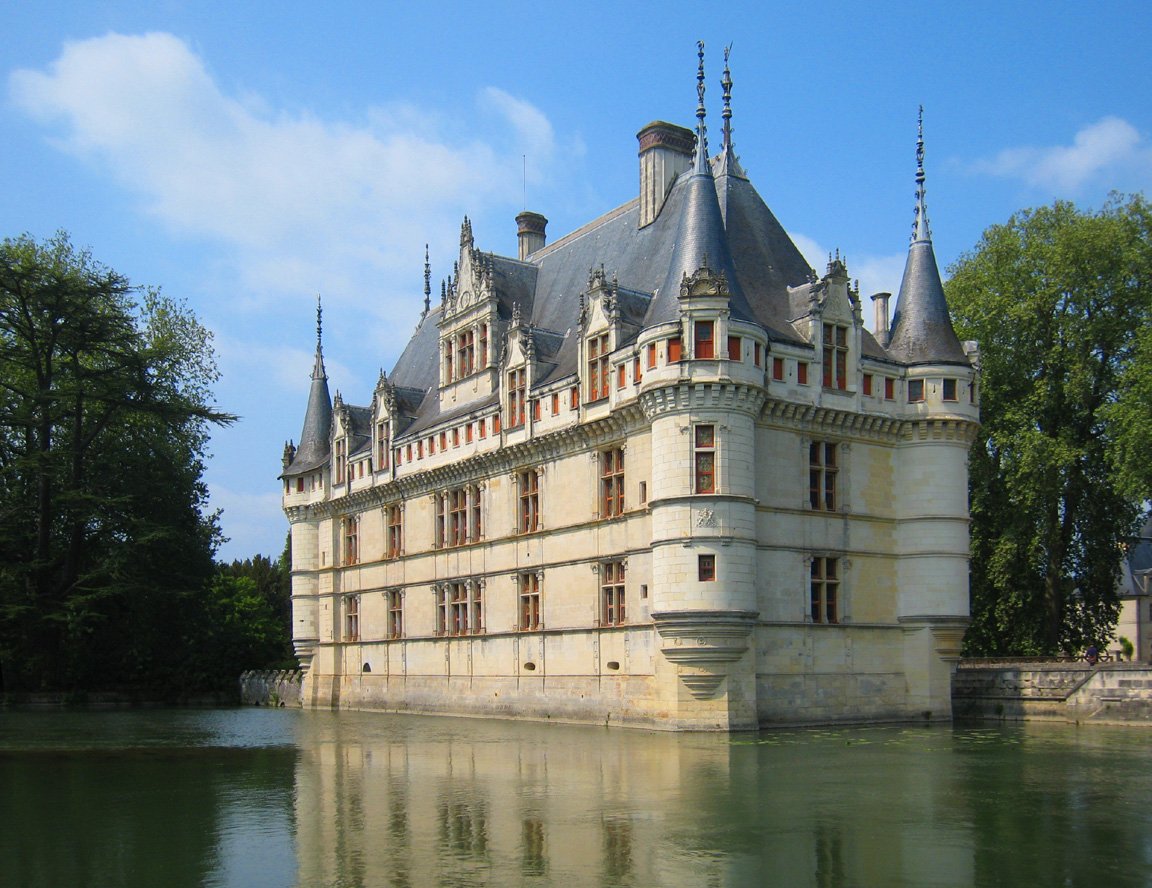
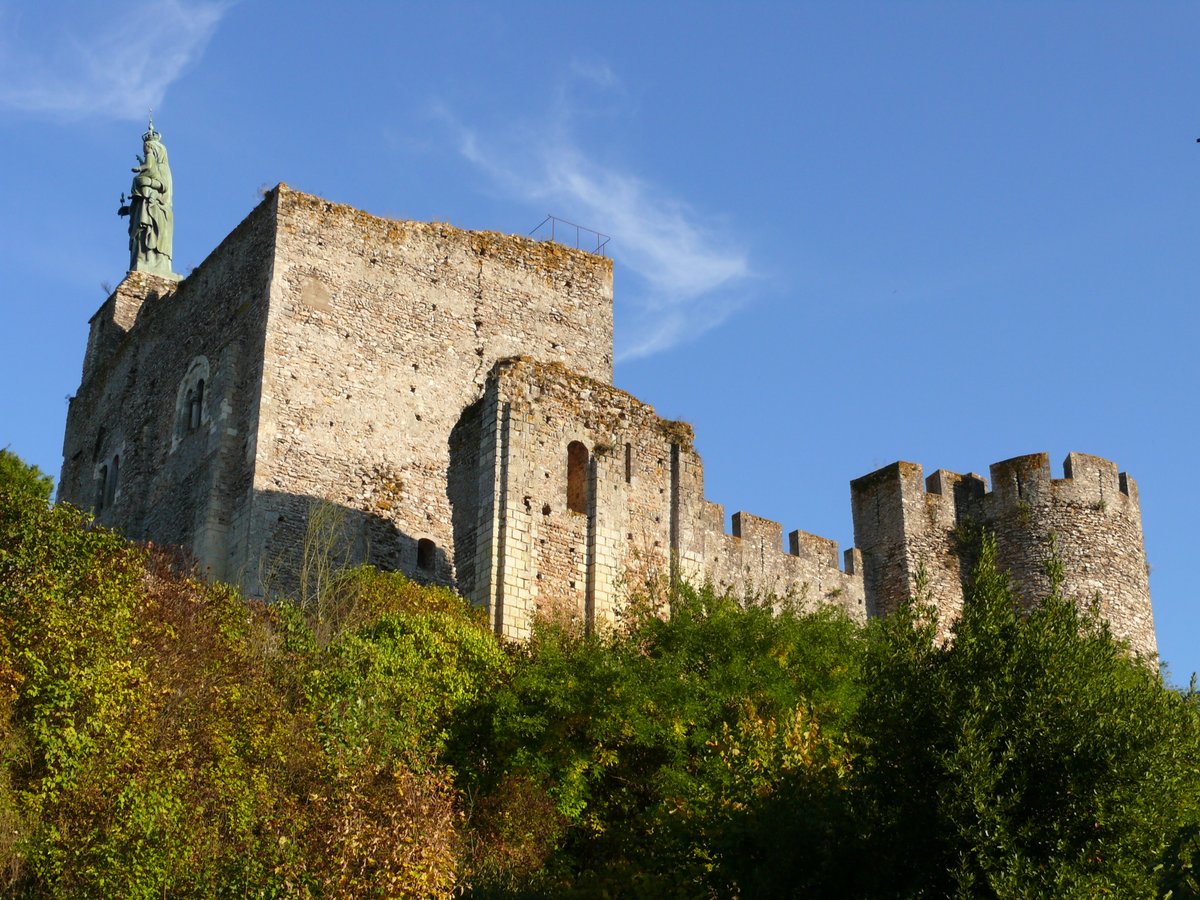
Today, the Château des Ormes stands as a testament to this period of architectural expansion. Located on the RN 10 between Tours and Poitiers, the estate remains a significant site of heritage, reflecting the transition from the Pussort era to the grand designs of the Voyer d'Argenson family.
Sources: Wikipedia, OpenStreetMap, Wikidata, Wikimedia Commons
Written by Nicolo Ciampini
Discuss this with the author and others
No comments yet. Be the first to start the conversation.