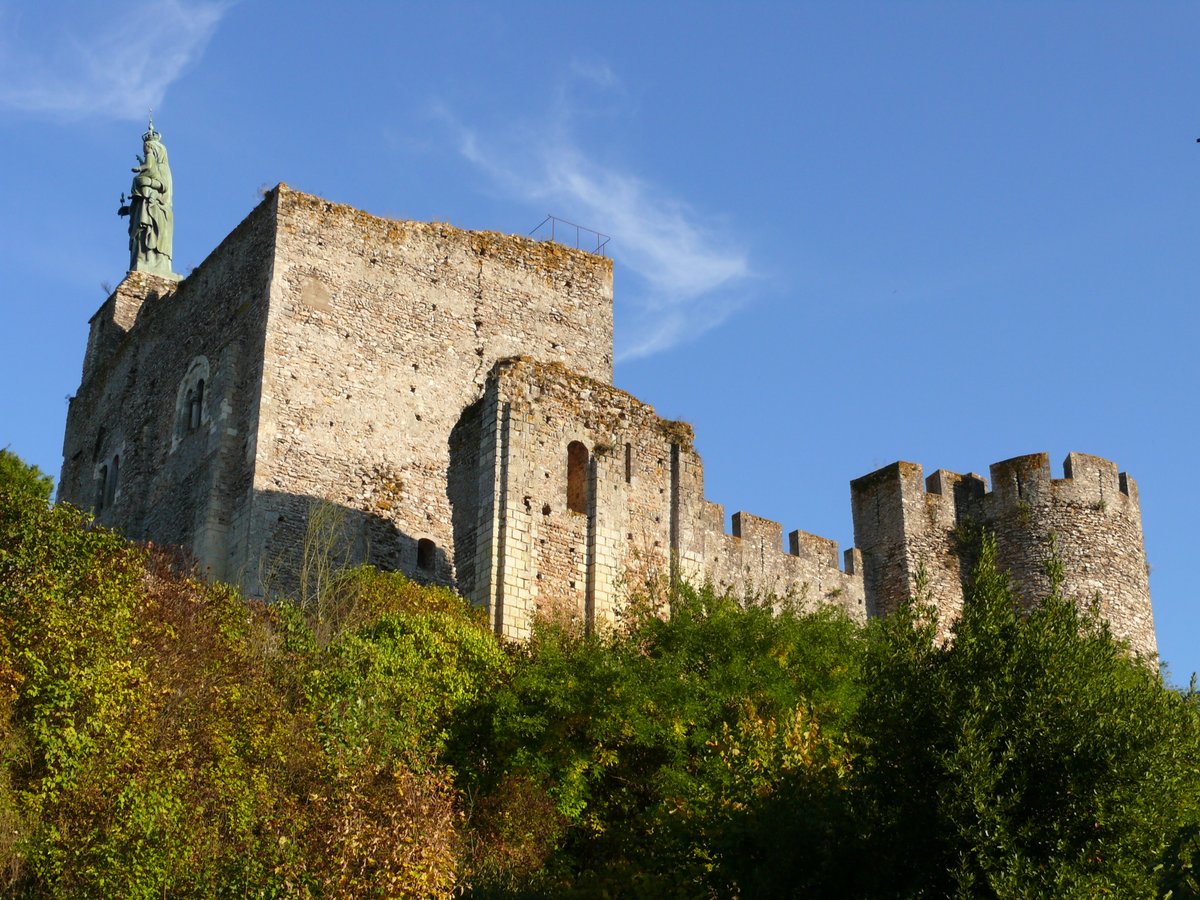

In the 16th century, the construction of the keep was attributed to Julius Caesar. At that time, large ancient constructions were generally considered the work of the Romans. However, the tower was actually part of the power struggle between the houses of Blois and Anjou in this part of Touraine. The development of the site is believed to have begun in the late 10th or early 11th century with the construction of a keep, which is generally attributed to Fulk Nerra.
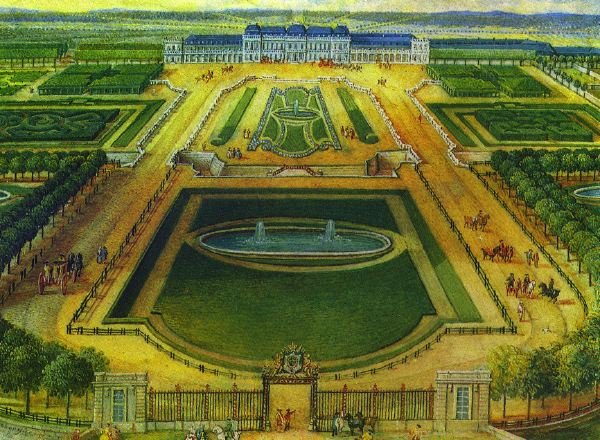
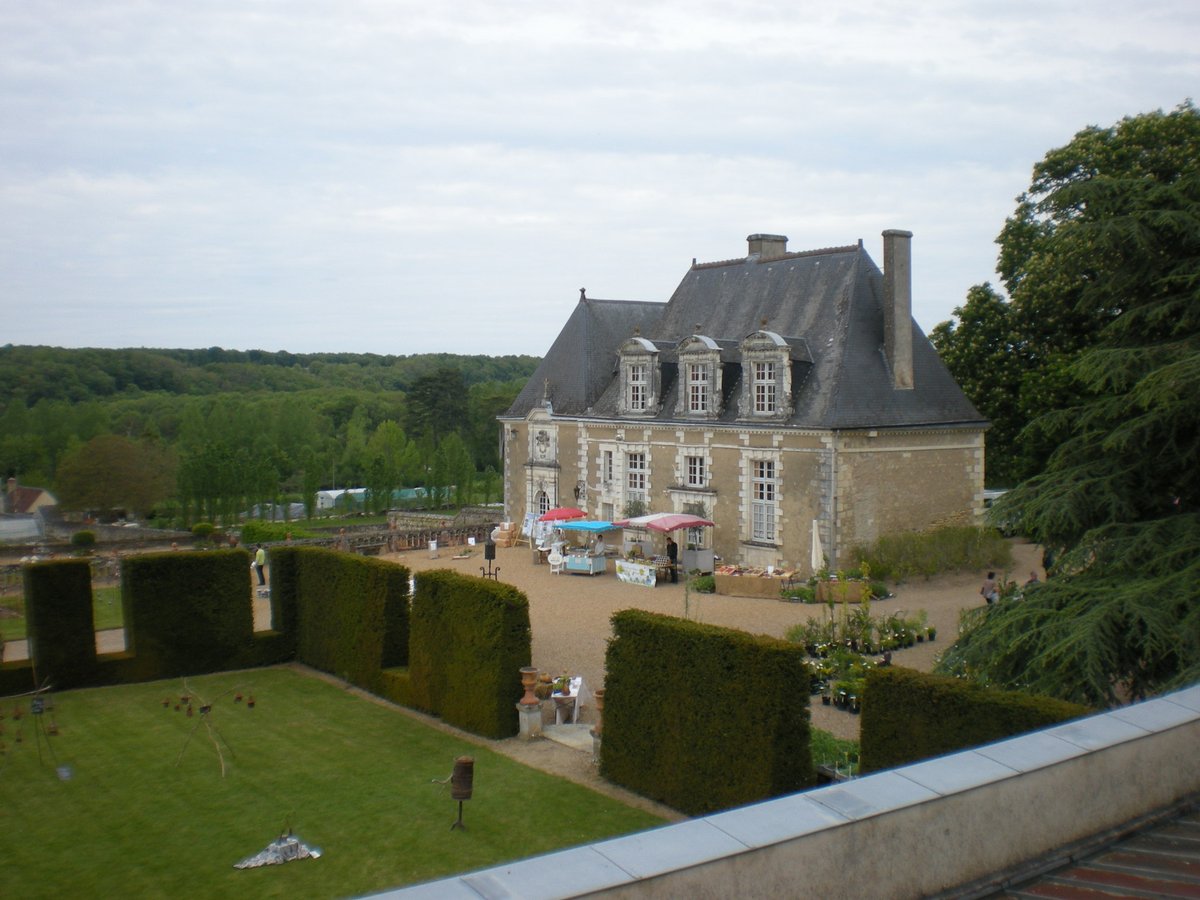
The keep was situated on a rocky promontory overlooking the Indre valley, controlling both land and river routes. Subsequent developments included an outwork, a curtain wall, and two enclosures erected between the early 11th and 15th centuries. A Renaissance castle was constructed in the 15th century, and notable figures including Louis VII, Louis XI, Catherine de' Medici, and Henry of Navarre resided there for varying periods. The castle was ultimately destroyed a little more than three centuries later due to extensive dilapidation while uninhabited.
Today, the keep still stands at a height of 28 meters and remains the most significant feature of the site open to the public. However, the ongoing collapse of the hillside is causing concern due to its potential impact on the stability of the promontory's edge and the houses constructed on the lower slopes. The site is protected as a historic monument, and the keep was first designated as such by a decree on 28 October 1926.
Determining the precise chronology of the medieval period remains a challenge because the site is poorly documented by written sources. Because there are no wooden remains at Montbazon, archaeologists cannot employ a dendrochronological approach to date the structures. Researchers must rely on architectural analysis and comparisons to nearby sites like Loches and Langeais, leaving the absolute chronology of the construction phases open to discussion.
Sources: Wikipedia, OpenStreetMap, Wikidata, Wikimedia Commons
Written by Nicolo Ciampini
Discuss this with the author and others
No comments yet. Be the first to start the conversation.