All collections

Every collection on Reveal.World, grouped by the language it is written in.

Kronstadt: History, Legends, and Attractions

Kronstadt: History, Legends, and Attractions

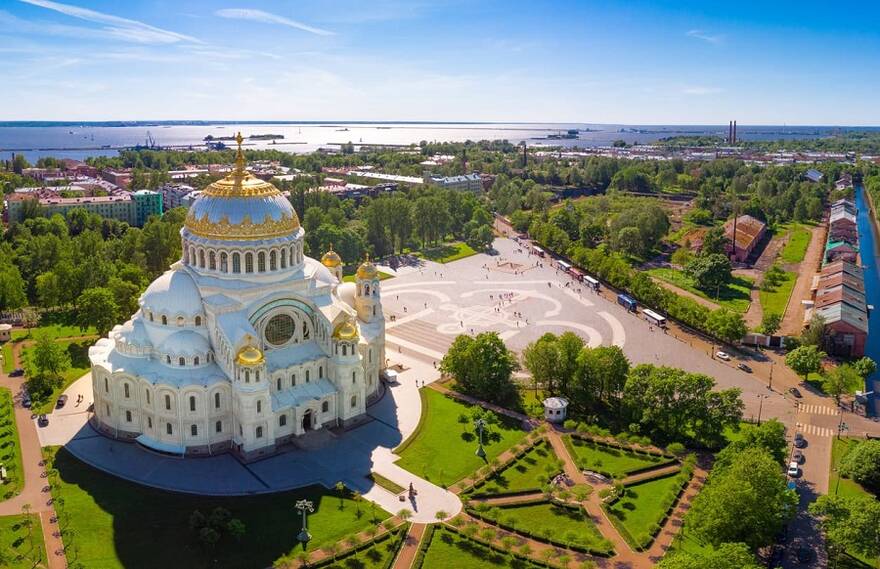
On October 4, 1724, on the way to Kotlin Island, Peter I "made a drawing of the Kotlin fortress," and after lunch on the island, he "outlined the site of the fortress with small trenches." On October 6, a strong wind blew, and the tide flooded the site of the new fortress's foundation. On October 7, despite the rain, the laying ceremony took place: first, there was a prayer service with the blessing of water, during which the fortress was named Kronstadt. After the prayer service, His Excellency himself laid three sods, then Her Majesty the Empress laid three sods. After that, everyone else laid one sod each, and when all were laid, His Excellency cut a corner off, as if to make a bulwark, and cannon fire was fired from Kronshlot; then soldiers and sailors began carrying and laying sod. When they laid it lengthwise to the designated place and eight sods wide, a cellar was laid there by the soldiers and sailors, and the distinguished gentlemen were offered a glass of good Burgundy. On November 3, 1724, Vice Admiral P. I. Sivers was appointed the chief commander of Kronstadt. Under his command, construction of the new fortress began. The fortress plan envisaged the creation of bastions connected by curtains. On the south side of the island, the fortress walls closed onto the walls of the harbors under construction. The western front of the fortress consisted of six bastions named after the regiments that built them: Preobrazhensky, Semyonovsky, Ingermanland, Lefortovsky, Butyrsky, Morskoy, and a moat crossing the entire island and separated from the bay by dams.

Russia: Accidents and Technogenic Disasters

Russia: Accidents and Technogenic Disasters

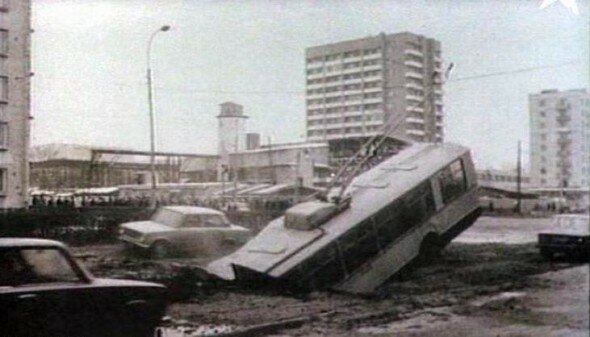
Accidents and hazardous natural phenomena, disasters, natural or other calamities that have resulted in human casualties, harm to health or the environment, significant material losses, and disruption of living conditions. These are emergency events of a technological nature, caused by structural, production, technological, or operational reasons, or due to accidental external impacts, involving damage, malfunction, or destruction of technical devices or structures, as well as major industrial or transportation accidents.

Russia: Lost Monuments

Russia: Lost Monuments

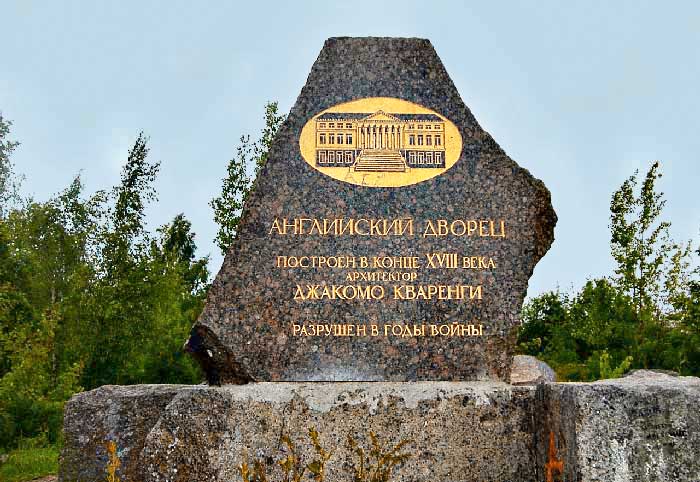
In place of many architectural monuments, only fragments remain that will never regain their former appearance. Which historical buildings will we never be able to see as they once were, and what stands in their place now?
St. Petersburg of Alexander Blok

St. Petersburg of Alexander Blok

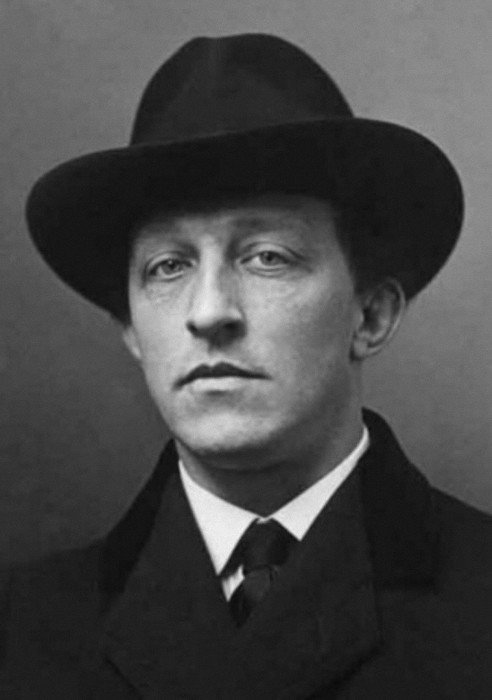
Alexandra Blok was called a genius of Silver Age poetry and a guiding star for aspiring writers. The poet was a favorite among women: gray-eyed, with beautifully curved lips, thick hair, and an expression frozen in thoughtfulness, he could captivate anyone if he wished. However, his calling lay elsewhere. We remember what Alexander Blok was like and take a walk through his addresses in Petersburg.
Industrial Cyprus

Industrial Cyprus

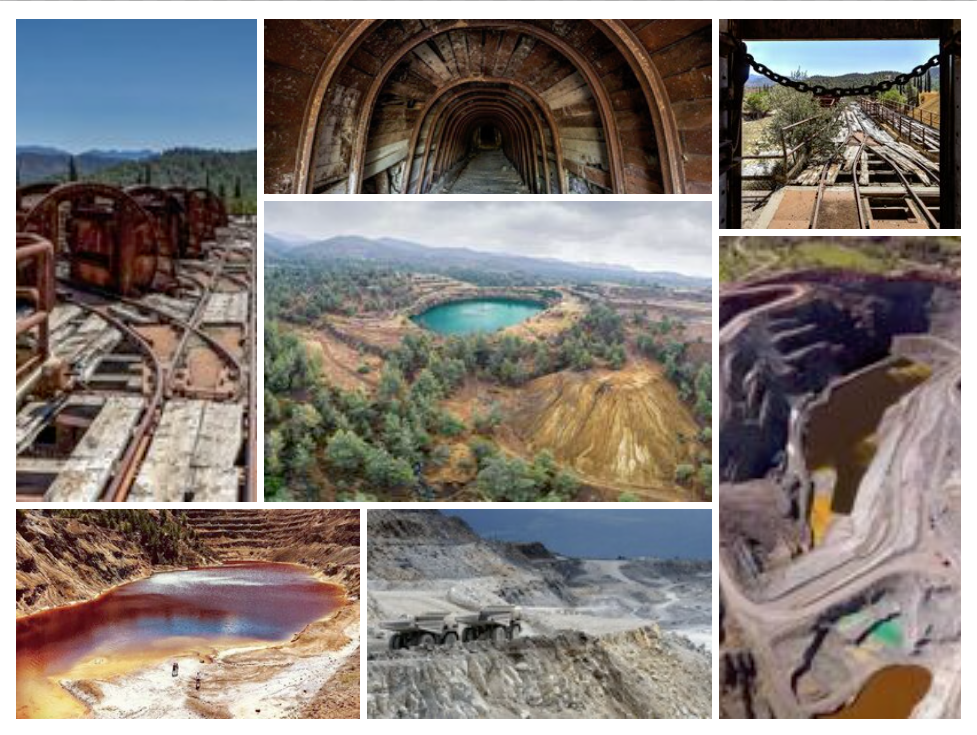
The name, Cyprus, derives from the ancient Greek word for the precious copper deposits that were already being mined and traded as early as 3000 BC.The ancient Cypriots were not only experienced miners but also skillful metallurgists. Since then the mining industry of Cyprus was active in the production of minerals of copper, iron pyrite, gold, chromites as well as asbestos fibers. Since 1979 the mining industry of Cyprus is in recession because of the exhaustion of the known large and rich copper and iron pyrite ore bodies and the increase of the production cost without proportional increase in the international sale prices of metals. Today there are about 25 abandoned sulphite mines around the Troodos Mountain. Some of the mines are partly restored for purposes of access, prevention of the acidic drainages and reduction of the visual disturbance.

Visby medieval wall walk

Visby medieval wall walk

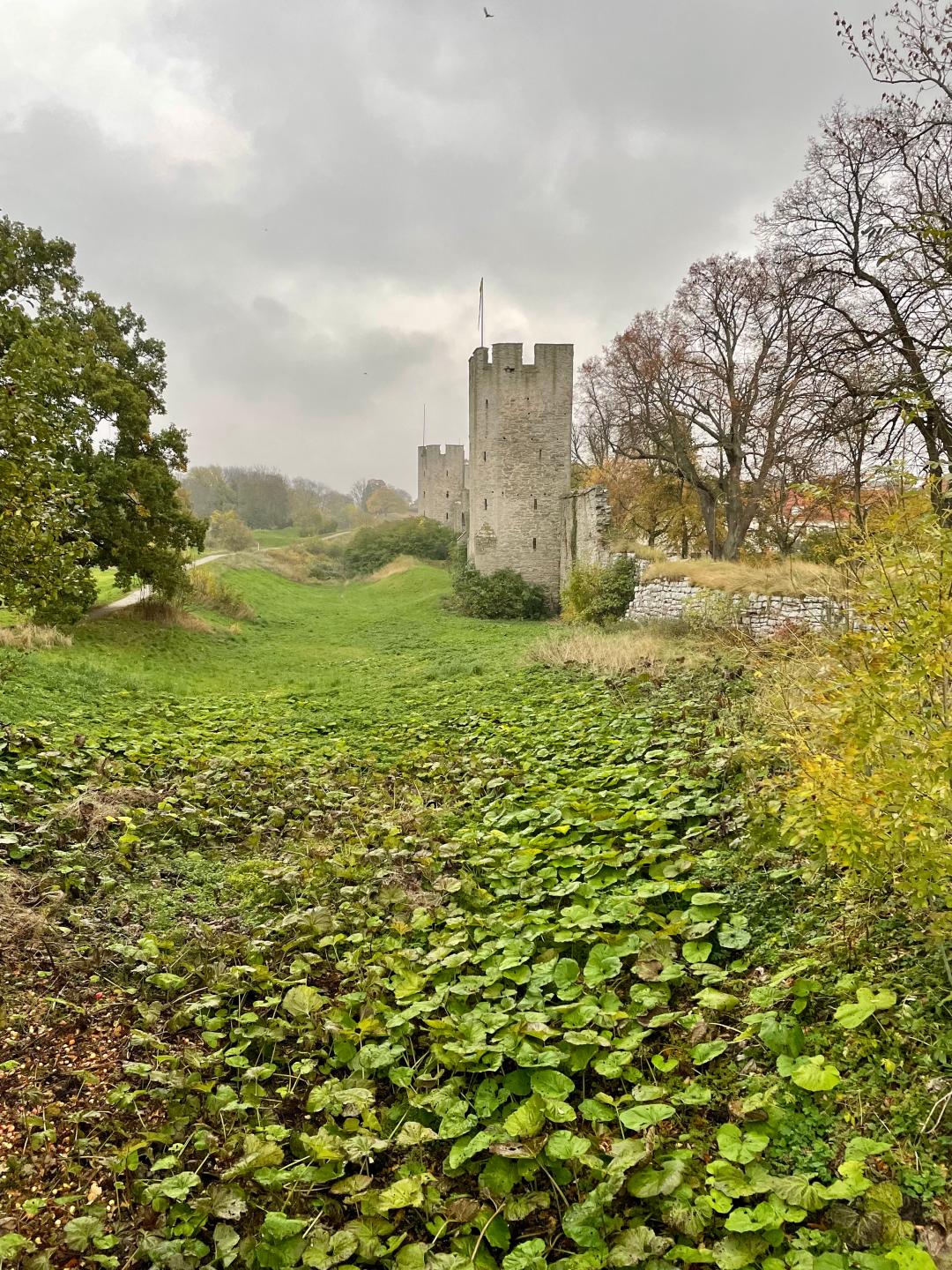
Take a walk back in time along the strongest, most extensive, and best preserved medieval city wall in Scandinavia - Visby City Defense Wall. Approximately 3.44 km of its original 3.6 km still stands. Of the 29 large and 22 smaller towers, 27 large and 9 small remain. This is the most complete guide with 40 stops which will tell you much more than the guidebooks and information boards. The best way is to follow the wall from the outside. We suggest starting from the medieval harbor area and the Sea Wall and walking clockwise. But you can start at any other point. Just bear in mind that there is no wall between the Sail Tower and the Large Beach Gate and you will need to find your way between these two points through the town streets. But do not worry, this can be a pleasant adventure on its own. Sources: Wikipedia, Region Gotland information boards, Riksantikvarieämbetet och kampanjen Rädda Visby Ringmur, https://www.mittvisby.se/
Big names and small island

Big names and small island

Find out some places on the island which are keeping memories of famous people. Not every celebrity would remember these episodes but you could try to get connected to their lives through this collection.

Petersburg: Bridges, Their Stories and Legends

Petersburg: Bridges, Their Stories and Legends

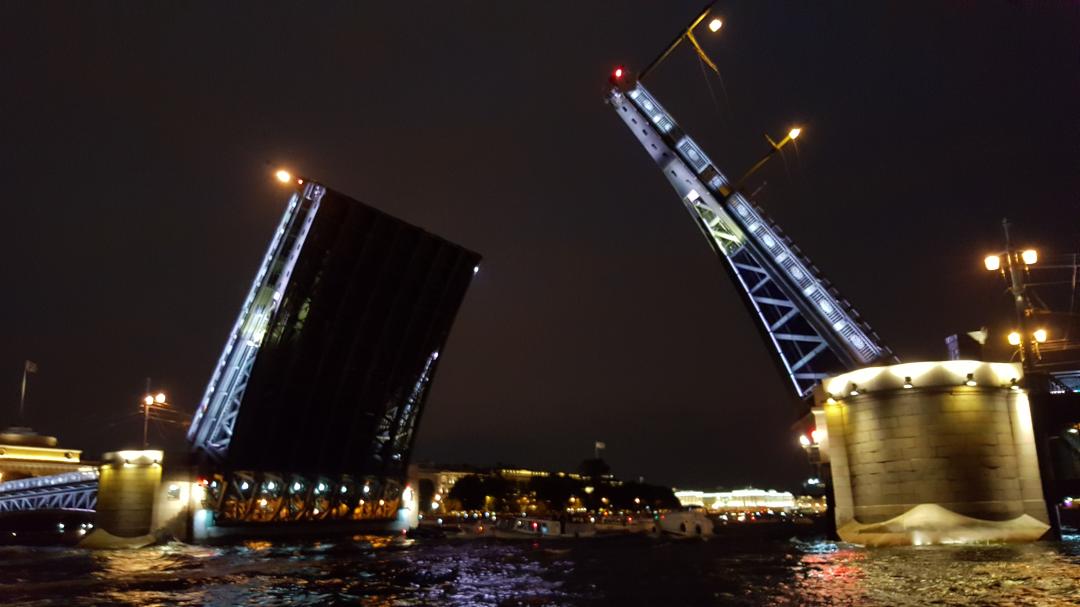
Saint Petersburg is not called the Northern Venice for nothing. Peter I dreamed of turning it into a Russian Venice or Amsterdam, believing that citizens would travel along the waterways by ferries, boats, and floating crossings—and not without reason, as the total length of rivers and canals in Saint Petersburg is about 300 km. However, Peter’s city became a city of bridges, and it is the drawbridge that has become one of the symbols of Saint Petersburg; bridges have become an integral part of the city. There are 342 of them in the city. These are the world-famous drawbridges over the Neva, pedestrian and automobile bridges over rivers and canals, as well as small bridges in the suburbs and parks. Each bridge has its own unique architectural appearance, its own history, and its own structural features.

Petersburg and Ingria: Swedish Influence and Legacy

Petersburg and Ingria: Swedish Influence and Legacy

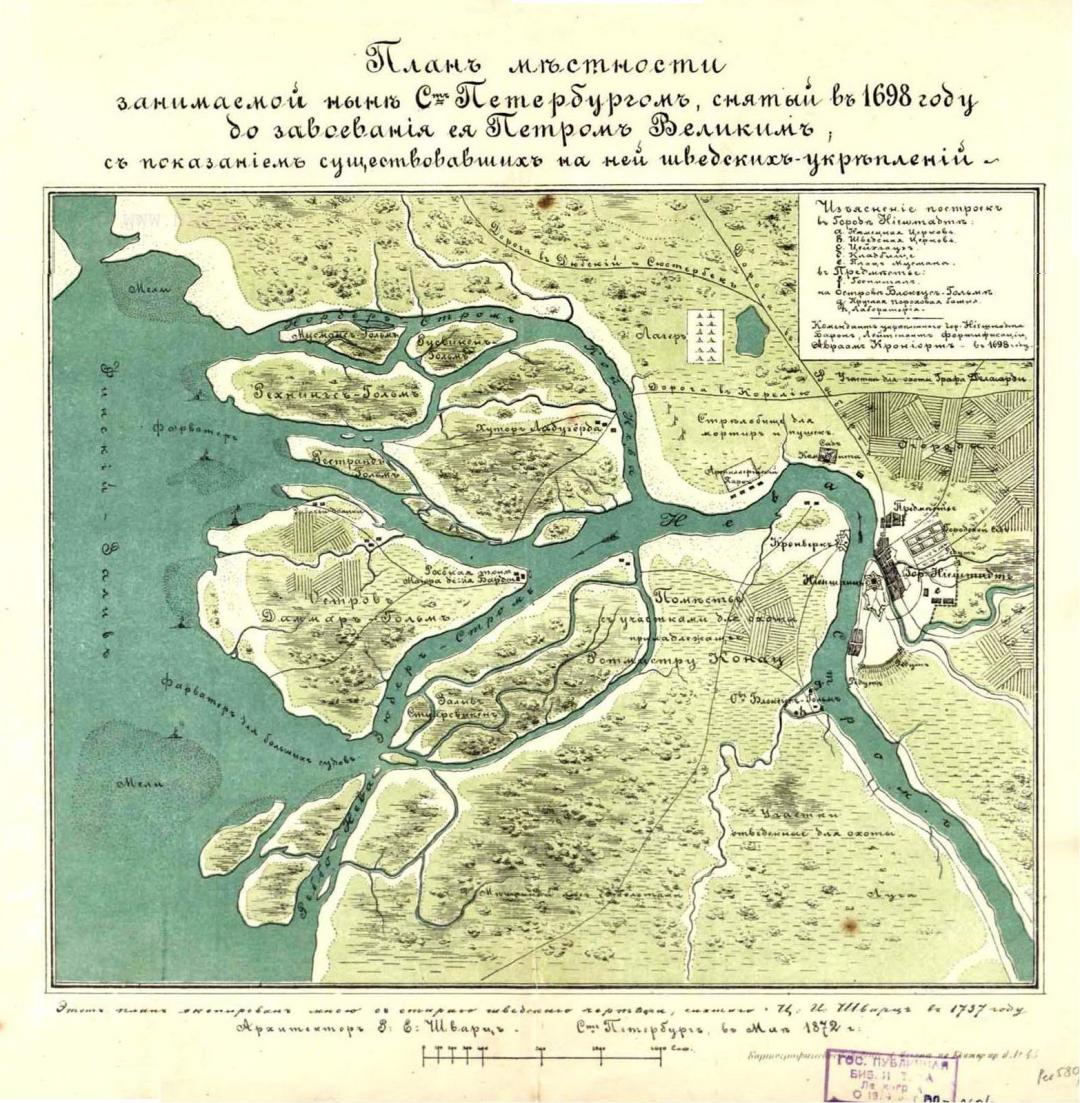
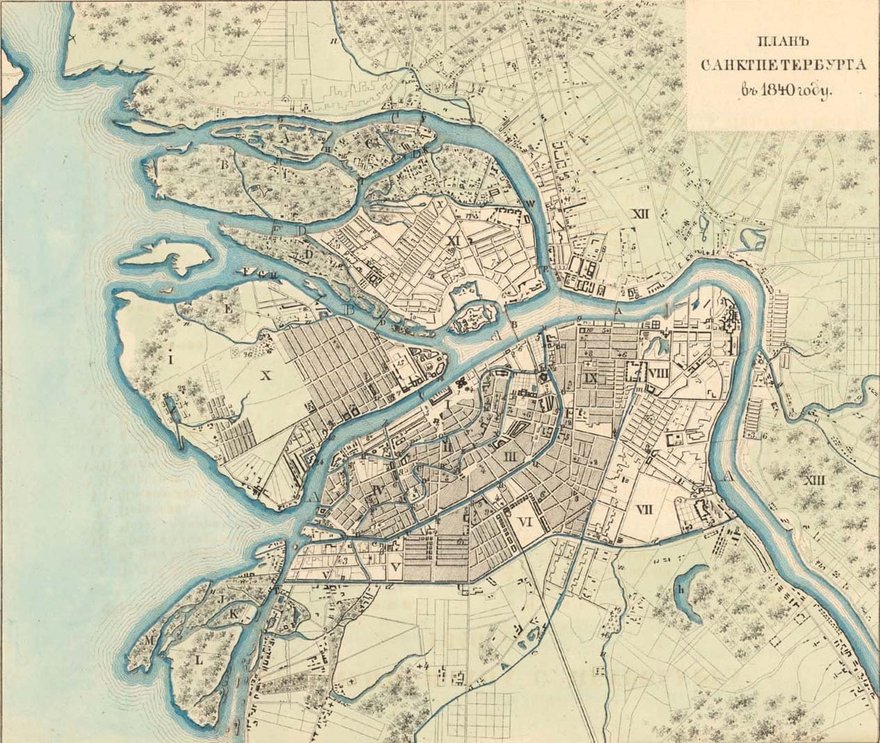
Saint Petersburg and its suburbs did not arise out of nowhere. At least since the mid-15th century and for centuries, there were about 1,000 settlements constantly located on the territory corresponding to modern St. Petersburg. The layout of modern Saint Petersburg and its suburban area is largely based on a stable system of settlements and roads that existed for centuries. Many pre-Petersburg roads became city streets, and ancient settlements were the original foundation for the creation of urban suburbs, quarters, and estates. Saint Petersburg was created based on the preceding system of settlement, which existed steadily during Swedish and even pre-Swedish times. In the immediate vicinity of Nien (Nyen) at the end of the 17th century, hundreds of settlements were located. For example, in the delta of the Neva alone, there were more than 120 settlements of various sizes. Swedish cartographic materials allow us to reconstruct a branched network of roads, a dense system of settlements, and even the exact outlines of developed lands. The majority of settlements were located along the banks of the Neva, its channels and tributaries, along state highways and local roads, as well as in groups (or "nests") on elevated places, creating a branched network. From Noteborg to Nien, settlements formed a continuous chain along both banks of the Neva, especially frequently located from the mouth of the Izhora River to the alignment of the spit of Vasilyevsky Island. The settlement and land development zones marked on Swedish maps correspond well with the mosaic and local nature of the placement of "islands" of fertile land among swamps and taiga. Saint Petersburg, one of the few largest cities in the world, has an exact founding date. Yet at the same time, Saint Petersburg absorbed the historical genetic memory of more than a millennium of continuous development of the Prinevye territories. Careful study of archival materials made it clear that Saint Petersburg was not a city created on an uninhabited, deserted place. And Sweden played a very significant role both in the prehistory and directly in the history of Saint Petersburg, both as a direct competitor for the right to own these territories and as a people. According to the 2010 census, only 50 Swedes were registered in Petersburg. It is hard to call them a diaspora, and even harder to find them in a city of five million. However, it is necessary to tell about the Petersburg Swedes, since they are the indigenous inhabitants of the Northern capital, and their talented representatives made a considerable contribution to Petersburg culture. In the 17th century, Swedes in Russia were called Svea Germans, or Sveas. But gradually the Russians adopted the German variant of the name of the people — Swedes. In the mid-19th century, almost 5% of the foreigners living in our city were Swedes (5.3 thousand out of 117 thousand). History has preserved the names of Swedish prisoners of war who performed important and complex work during the initial period of Saint Petersburg’s construction. Yagan Starkin treated the craftsmen of the Construction Office. Lars Lin, with 13 compatriots and 10 Russian carpenters, built the spire of the Peter and Paul Cathedral in 1717 (the construction supervisors noted the skill and courage of the Swedes when lifting large beams onto the dome and the spire of the bell tower of the Church of Peter and Paul). "Password" Karl Vridrik in 1716 worked "with letters and drawings." Chamber Junker Bergholtz, who lived in the city from 1721 to 1725, wrote in his diary: “We entered a long and wide alley paved with stone and justly called a prospect (Nevsky Prospect – editor’s note), because its end is almost not visible. It was laid out only a few years ago and exclusively by the hands of Swedish prisoners... It is extraordinarily beautiful in its enormous length and the cleanliness in which the Swedish prisoners keep it.” Since then, Swedes have built houses, churches, and made a significant contribution to the culture and science of our city. They were members of the Academy of Sciences of the Russian Empire. Thanks to the Swedish-Petersburg astronomer Lexell, for example, the planet Uranus was discovered (he mathematically proved that it was not a comet but a planet). Another of his compatriots, Oskar Backlund, for a long time headed the imperial observatory in Pulkovo and observed Encke’s comet — for his discoveries in astronomy, this comet was named Encke-Backlund. A large part of the life of the famous Swedish inventor, manufacturer, and creator of dynamite Albert Nobel also passed in our city. In 1991, an unusual monument to Nobel was opened on the Petrograd Embankment — in the form of a fantastic iron tree, whose twisted branches symbolize a peaceful explosion (after all, the invention of dynamite was originally intended for peaceful purposes — for mining, blasting, and earthworks). The son of a fashionable Swedish tailor, Fyodor Lidval, became a famous Russian architect. He built about thirty houses in Petersburg in the style of Northern Modernism (the Astoria Hotel, the Tolstoy House on the Fontanka, the Azov-Don Bank building on Bolshaya Morskaya Street, and others). And much more inseparably connects Saint Petersburg, Ingria, and Sweden.

Imperial Parks of Peterhof

Imperial Parks of Peterhof

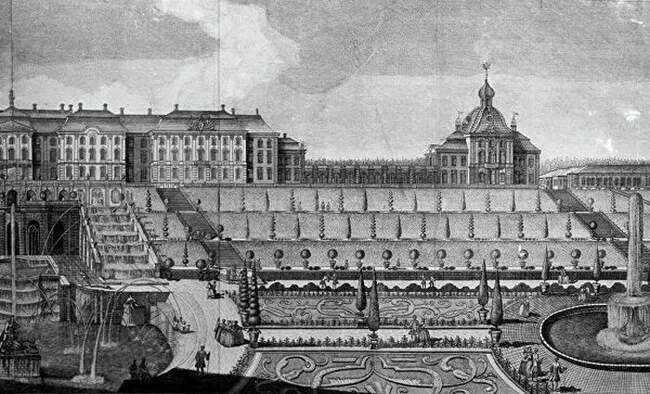
For the first time, Peterhof is mentioned in Peter I's "Campaign Journal" as early as September 1705. According to legend, its origin is owed to Peter’s wife, Catherine Alekseevna. Peter, concerned with the construction of the Kronstadt fortress, which was meant to protect the newly built Saint Petersburg from enemy invasion by sea, often visited Kotlin Island. Since these trips were made by sea, which posed a constant danger—especially during stormy autumn weather—Catherine supposedly persuaded Peter to build a roadside house, a travel palace, or, as they called it at the time, "travel chambers" on the shore of the Gulf of Finland opposite the island, where one could wait out bad weather. These chambers were allegedly built on the edge of the Factory Canal, opposite the original Znamenskaya Church of the future Peterhof. According to legend, the great Peter, visiting Peterhof later, attended this church and even sang in the choir loft. Peterhof comprises several palace and park ensembles that developed over two centuries. The "Lower Park," "Upper Garden," and "English Park" are ensembles that evolved in the 18th century. "Alexandria," "Colonist Park," "Meadow Park," "Alexandrine Park," "Sergievka," and "Own Dacha" are ensembles from the 19th century. Sources: https://peterhofmuseum.ru/
Petersburg: Neo-Gothic

Petersburg: Neo-Gothic

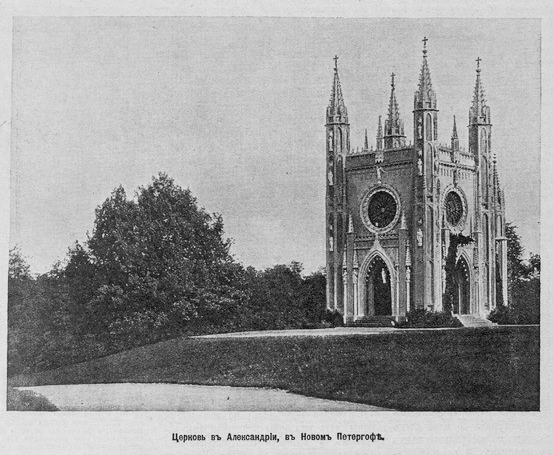
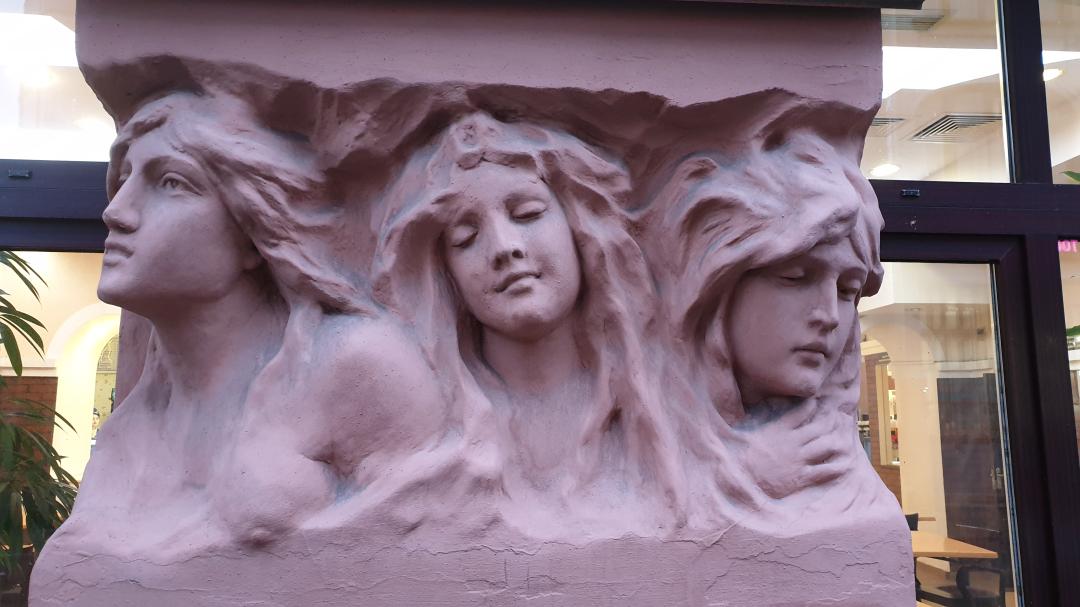
Pointed arches, tall slender turrets, wrought iron spires, tall windows, stained glass – all of this is the mysterious and majestic Gothic style. In the mid-18th century, after a prolonged period dominated by Classicism, Europe suddenly made a sharp turn toward Romanticism. Gothic castles and cathedrals of the 12th-13th centuries abruptly became models to emulate in construction, although not long before they had been considered old-fashioned and tasteless. At the end of the 19th century, during the Art Nouveau era in Russia, pseudo-Gothic buildings experienced a revival. Architects and patrons of the Russian Empire noticed new trends, but the country had no native historical Gothic architecture. Therefore, Russian and foreign architects working in St. Petersburg began borrowing features of medieval European Gothic architecture. Initially, individual elements were used, and then entire majestic carved facades were created. It was during these years that the buildings of the famous architect Yuri Felten, a student of the great Rastrelli, appeared. He was able to combine Gothic features of European architecture with traditional Russian elements in construction. This is how Russian Gothic, or pseudo-Gothic, came into being.
Petersburg: Unusual and Interesting Houses

Petersburg: Unusual and Interesting Houses

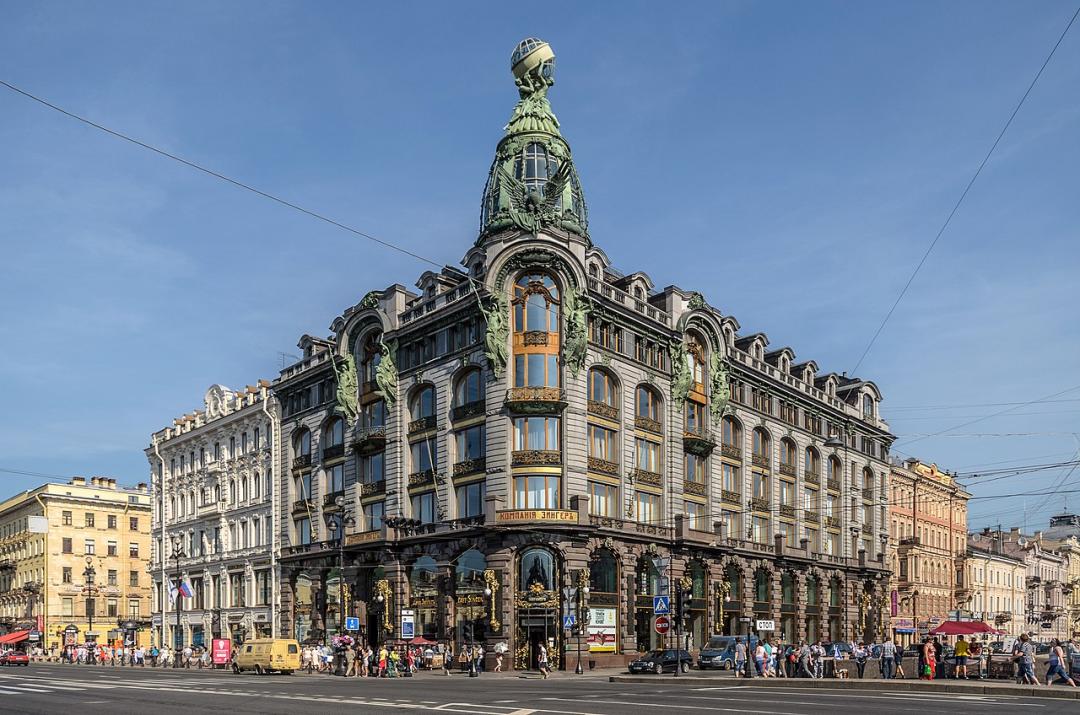
Saint Petersburg is famous worldwide for its exquisite historical and classical architecture, magnificent palaces, mansions, and churches. But literally nearby, there can be buildings that seem to break away from the overall concept of the street with their very unusual shapes or unconventional facade designs.
Petersburg: A Walk on Vasilievsky Island

Petersburg: A Walk on Vasilievsky Island

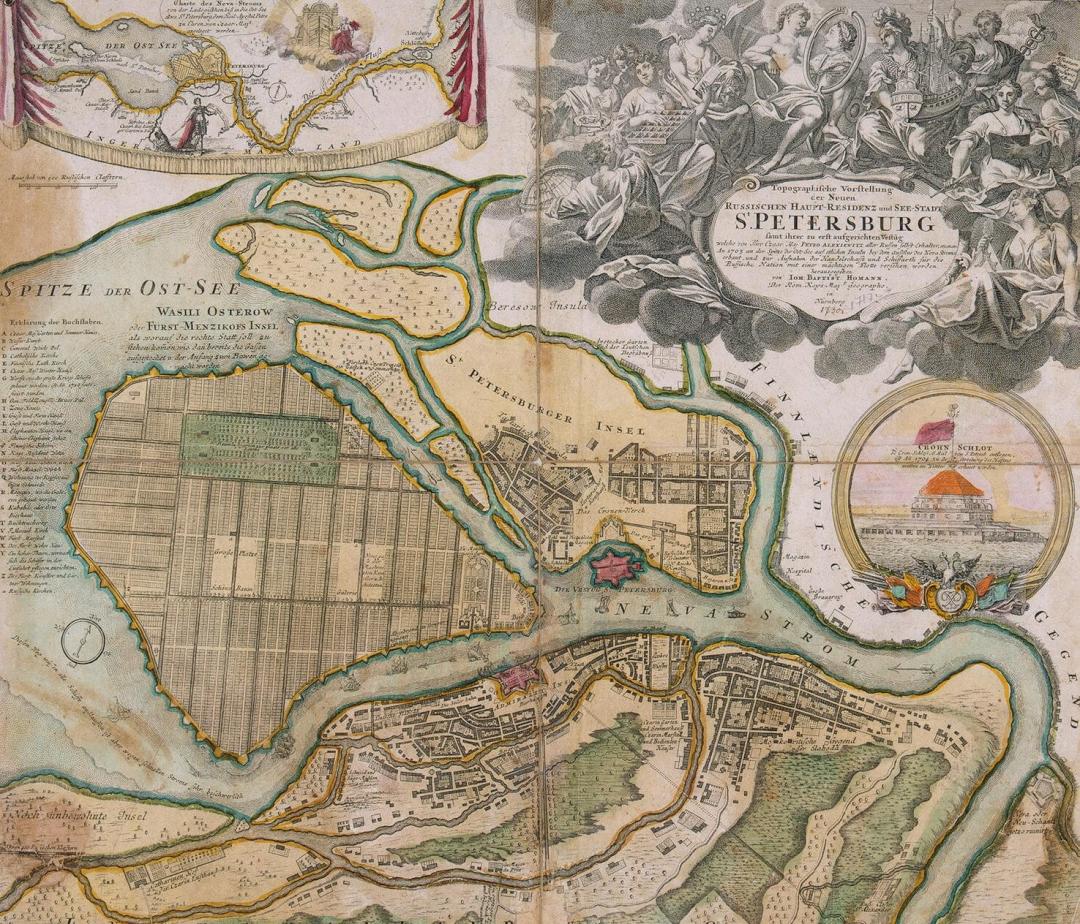
Vasilyevsky Island is one of the most amazing places in Saint Petersburg — both geographically and historically-cultural. On this seemingly small piece of land, in all its diversity, with all its ups and downs, the history of the Russian state is reflected, starting from the Petrine era. Every corner of Vasilyevsky Island is literally imbued with the spirit of those glorious years. Peter the Great, enchanted by the beauty of these places, even wanted to create something like Venice here, but the emperor’s plan, due to a number of objective circumstances, was never destined to come true. Even if you step onto its soil for the first time, you will never get lost: the linear layout is impeccable, and this brilliant simplicity cannot but inspire admiration. It is, more than any other district of the Northern capital, full of myths and mysteries. It is often called the “island of unsolved secrets,” behind the veil of which tourists, coming here in large numbers from all over Russia and other countries of the world, try to peek. The beauty, uniqueness, and magnetic charm of Vasilyevsky Island have been reflected in many works. It is enough to recall the immortal lines of Joseph Brodsky: “I do not want to choose a country or a parish. I will come to Vasilyevsky Island to die. I will not find your dark blue facade in the dark, Between the faded lines, I will fall onto the asphalt.”
Tsoi is alive!

Tsoi is alive!

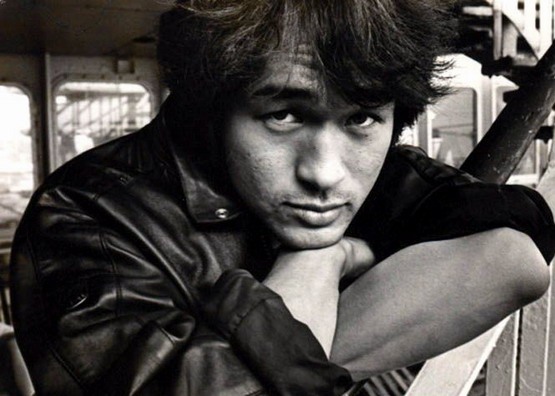
On August 15, 1990, Viktor Tsoi passed away — an important figure in Russian rock, the leader of the band "Kino," and a key figure for many generations. Perhaps none of our stars had or have as many fans and imitators.
Lithuania: Chernobyl quest

Lithuania: Chernobyl quest

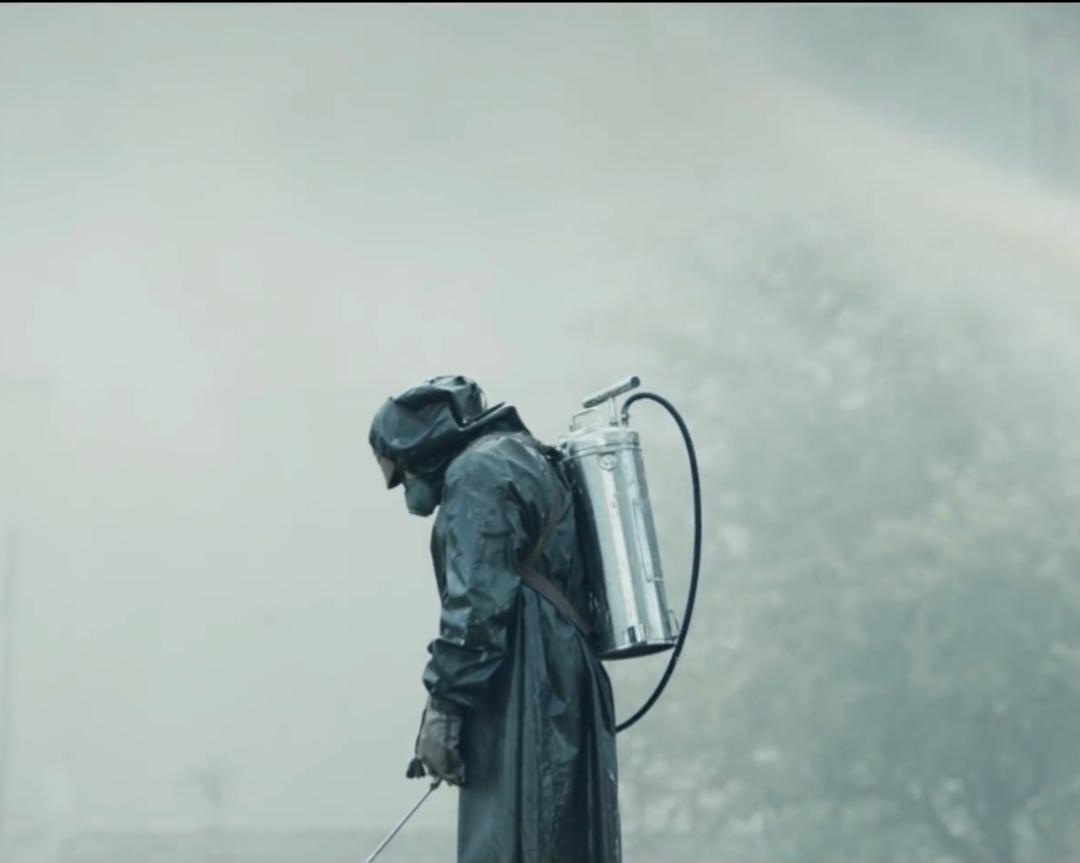
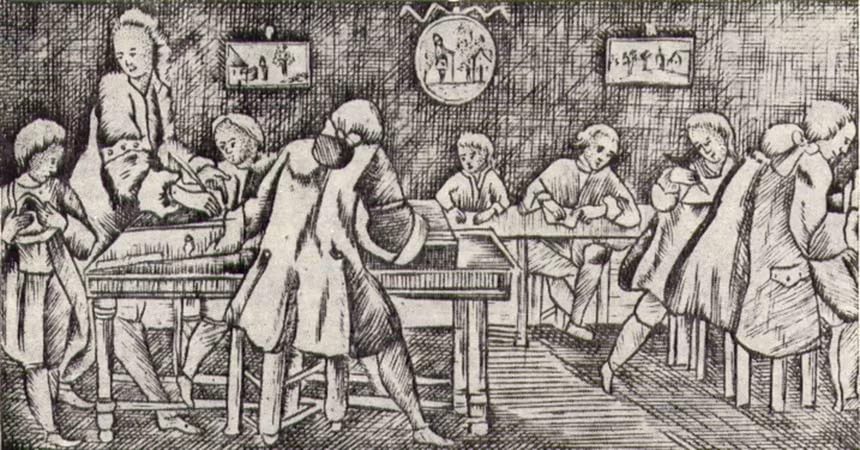
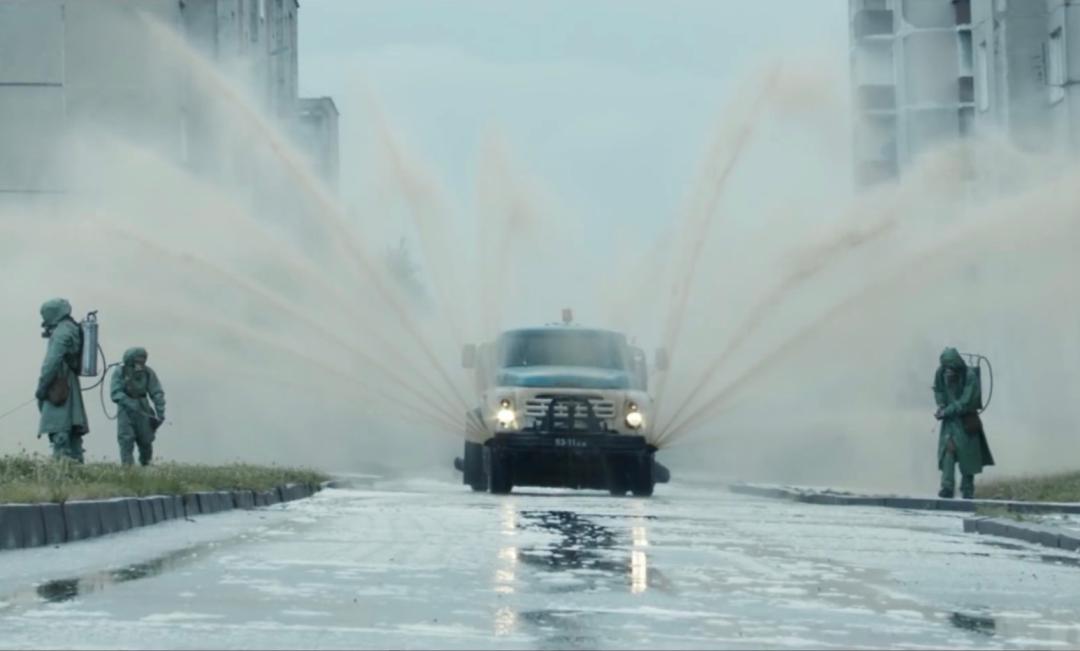
Most of the world-famous HBO series Chernobyl was filmed in Lithuania. So, if you want to see Chernobyl you no longer need to go to Ukraine! The nuclear power plant, the city of Pripyat, even Moscow scenes - almost everything was created in Lithuania. This collection will guide you through HBO filming locations in Kaunas, Vilnius and Ignalina. How many will you recognize? Screenshot: HBO Chernobyl (2019) Official Trailer
Vilnius: HBO's Chernobyl filming locations

Vilnius: HBO's Chernobyl filming locations

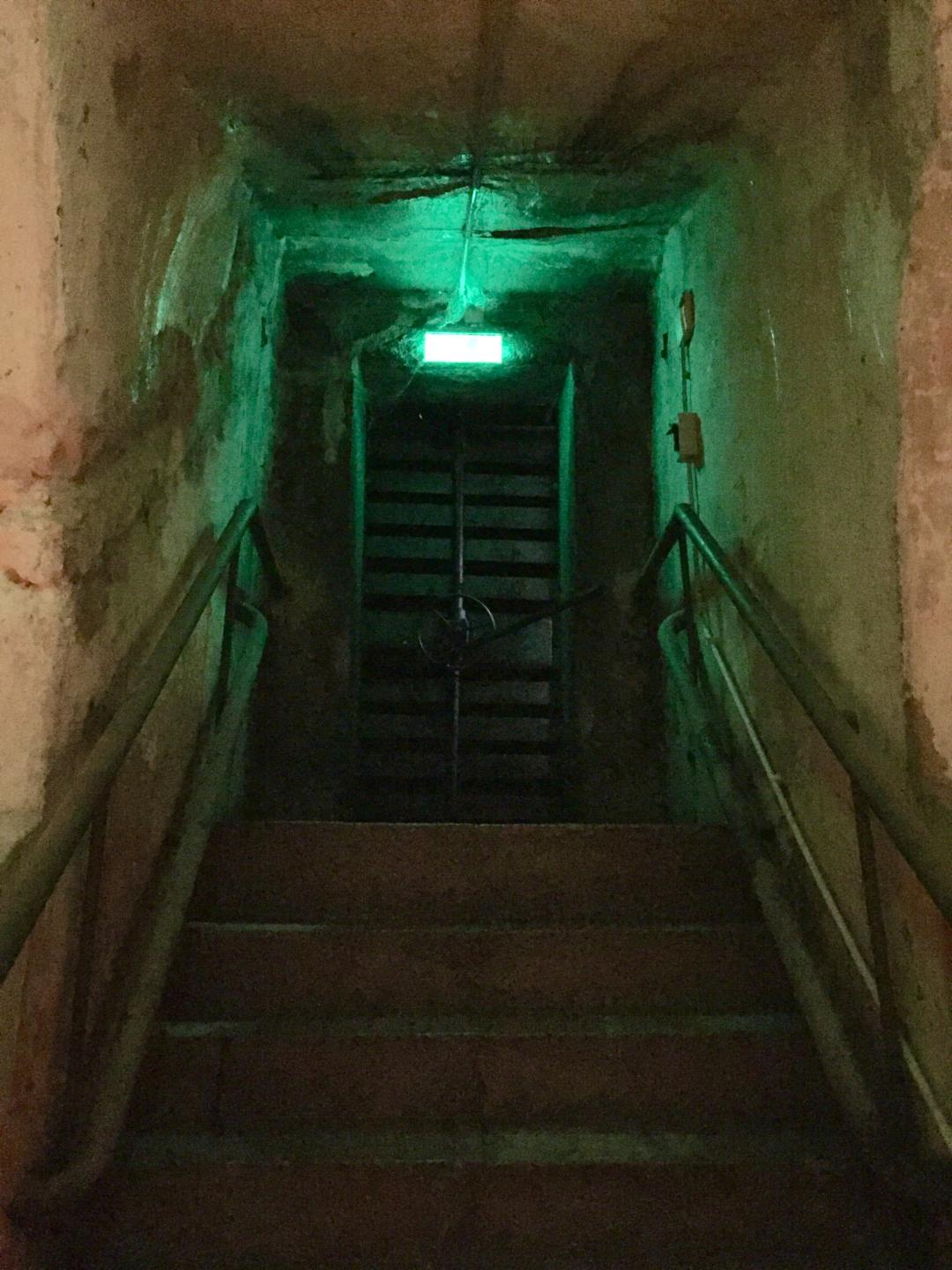
Most of the world-famous HBO series Chernobyl was filmed in Lithuania. So, if you want to see Chernobyl you no longer need to go to Ukraine! The nuclear power plant, Pripyat, even Moscow scenes - almost everything was created in Lithuania. Curious about other Chernobyl locations in Lithuania? Check-out collection “Lithuania: Chernobyl quest” (https://api.reveal.world/collection/1152) Screenshot: HBO Chernobyl (2019) Official Trailer
Andrei Tarkovsky

Andrei Tarkovsky

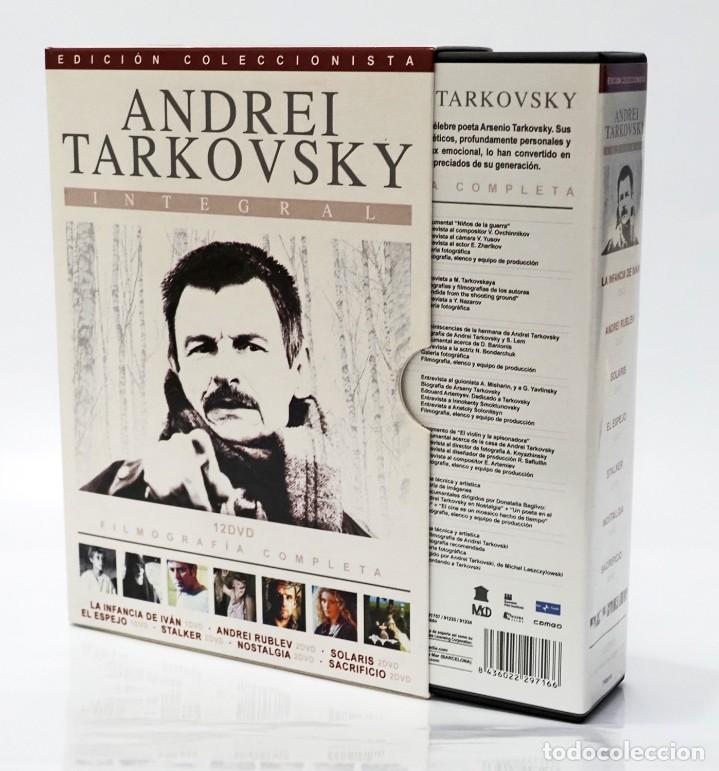
A small collection of places which Andrei Tarkovsky, one of the greatest and most influential filmmakers in the world, chose for his movies Stalker, The Sacrifice and Nostalghia.

Border Fortresses: The Empire's Secret Prisons

Border Fortresses: The Empire's Secret Prisons

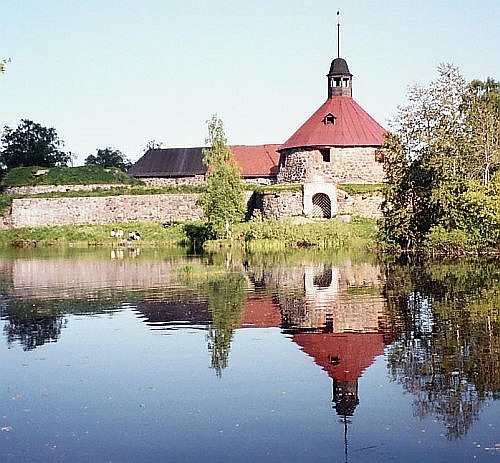
The Northwest of Russia is a special region. For centuries, Northwestern Rus lived under the threat of enemy invasions, and its task was to defend its borders and establish outposts on conquered territories. It was for this purpose that fortresses began to be built. The fortresses of the Northwest played a huge role in the historical life of the country and at the same time represented magnificent works of architecture. These stone sentinels can tell us a lot of interesting things about the past of our country, about the art of architects, and about fierce battles.

Petersburg: Interesting Toponyms

Petersburg: Interesting Toponyms

Throughout our entire lives, from the moment of birth until the very end, various geographical names accompany us. Geographical names do not arise out of "thin air": by noticing certain features of the terrain and nature, the people living nearby named them, emphasizing their distinctive characteristics. Over time, the peoples living in a particular region changed, but the names remained and were used by those who came to replace them. Any toponym for historical science is not simply the name of a geographical object, but a historical trace on the map, which has its own origin story, linguistic roots, and semantic meaning.
Neorussian Style in Architecture

Neorussian Style in Architecture

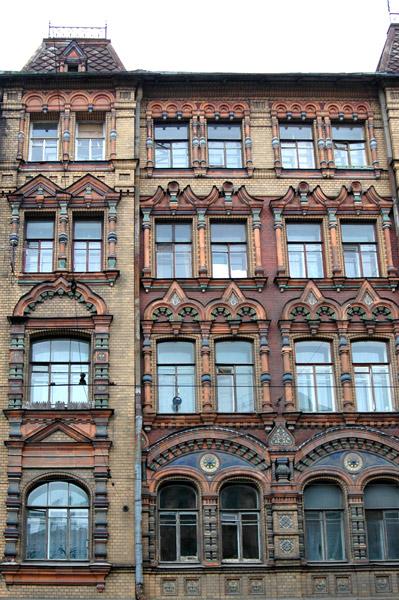
This direction in architecture became widespread at the end of the 19th and the beginning of the 20th centuries and is characterized by a turn to motifs of ancient Russian architecture with the aim of reviving national traditions and the distinctiveness of Russian culture. Its distinction from the closely related "Russian" (or "pseudo-Russian") style of the same period lies in moving away from crude copying and even borrowing of elements in favor of generalizing forms and subtle stylization of prototypes.

Imperial Parks: Pavlovsk

Imperial Parks: Pavlovsk

Pavlovsk Park is a unique monument of landscape art from the late 18th to early 19th century. Together with the Pavlovsk Palace, it forms a unified artistic palace and park ensemble. Its history begins with the founding of Pavlovsk in 1777. Initially, it was forest land used for royal hunts. With the appearance of the first modest wooden palaces, Paullust and Mariental, small gardens began to be created around them on the hilly banks of the Slavyanka River. Gazebos, bridges, ruins, and flower beds were typical features of a Russian estate. The transformation of the forest into a park began with the arrival of Charles Cameron, who created a project for a new landscape park on the banks of the Slavyanka River, which serves as the park’s connecting artery. It was in the second half of the 18th century that the fashion for landscape parks appeared in Europe. It first took hold in England, which is why such parks are called English parks. Using Pavlovsk as an example, Cameron was the first to develop the ideas and principles of the new landscape architecture. Since the future park was a forested area, work began with clearing glades. Under Cameron, almost all the main park compositions emerged — the Palace District, the Great Star, the Slavyanka River Valley, the Menagerie, and the White Birch. A large, wide clearing, which was designed as the Triple Linden Alley, became the defining feature of the Palace District adjacent to the palace. Here, Cameron employed the technique of formal planning, a vivid example of which is the Private Garden and the Aviary Section. Later, architects V. Brenna, A.N. Voronikhin, and K.I. Rossi, without changing Cameron’s plan for these districts, made their own additions and enriched their overall character. https://pavlovskmuseum.ru/about/park/
Imperial Parks of Oranienbaum and Surroundings

Imperial Parks of Oranienbaum and Surroundings

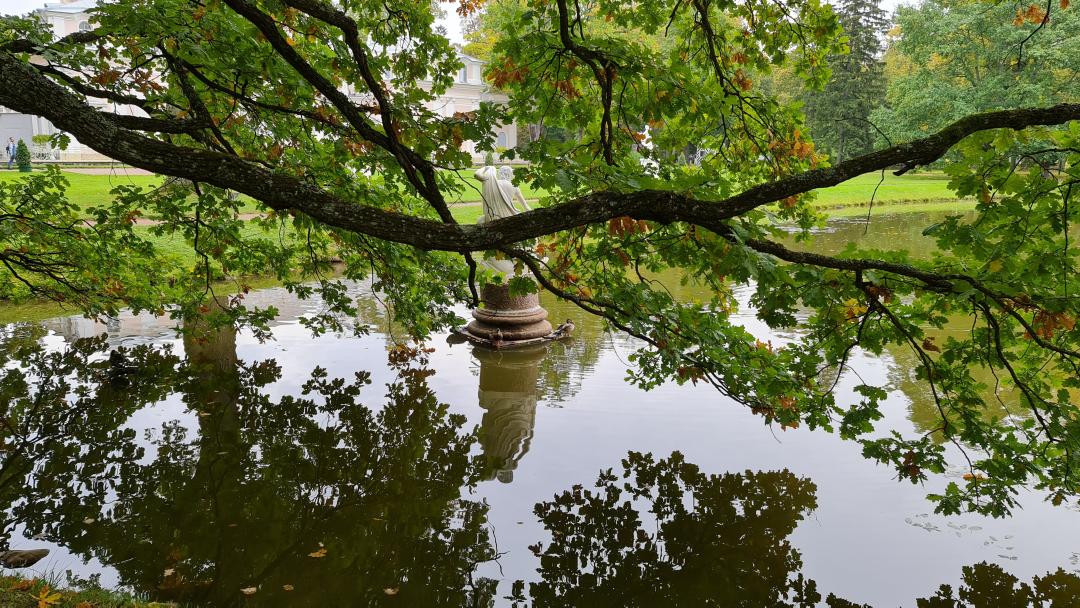
The splendid suburb of St. Petersburg — Oranienbaum and the nearby estates, where the lush vegetation of wild nature perfectly blends with the unique architecture of palaces and pavilions — are places where Russian emperors and their close associates loved to rest in their official and private residences. Oranienbaum is the only suburb of St. Petersburg that was not occupied by the Nazis during the Great Patriotic War, and therefore was not subjected to destruction. The damaged but not destroyed palace-museums of the city of Lomonosov have preserved the decorative decor of the 18th century in all its authenticity and uniqueness.

Petersburg: Famous Duels

Petersburg: Famous Duels

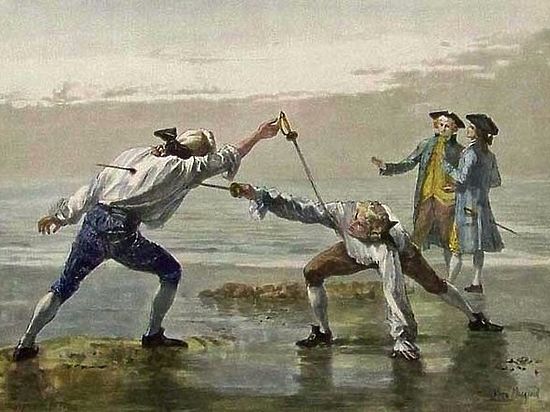
The northern capital is known worldwide for its architecture. However, the list of these attractions can also be supplemented by the numerous duels of Petersburg, which took place here between great people.

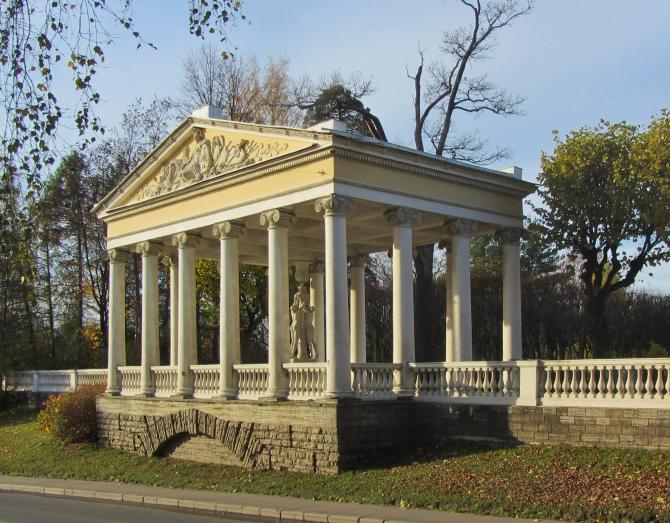
Petersburg: Egyptian Motifs

Petersburg: Egyptian Motifs

At the beginning of the 19th century, Europe was swept by a wave of genuine Egyptomania, which also reached St. Petersburg.
Vyborg and Surroundings

Vyborg and Surroundings

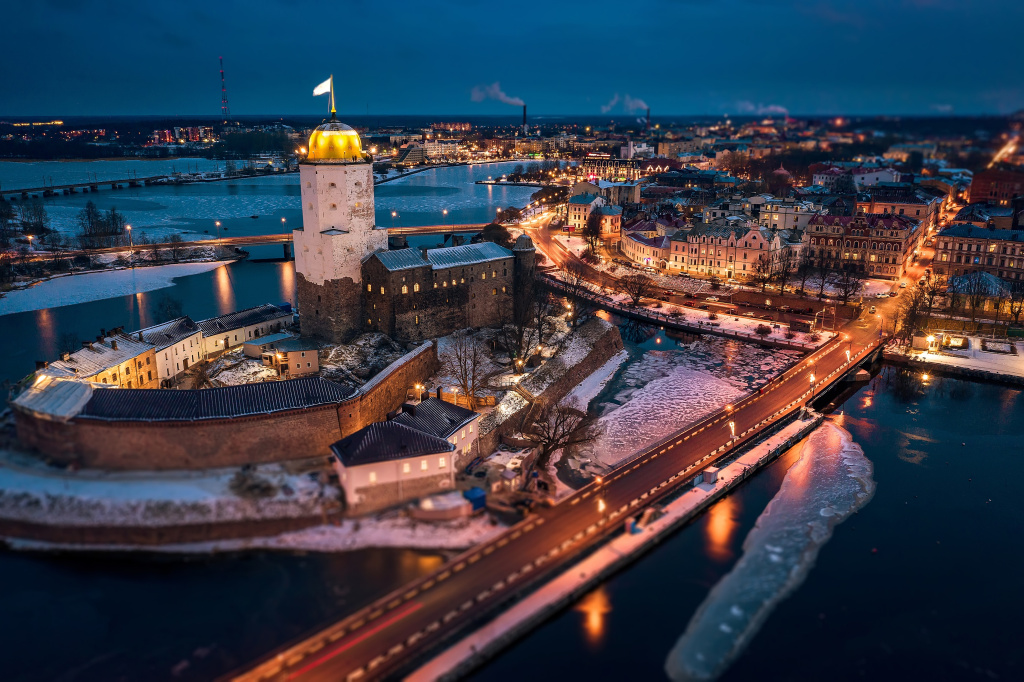
Vyborg, the only European medieval city in Russia, with a history spanning over eight centuries, cannot help but have mysterious stories about its past.
Not-so-ancient Greece

Not-so-ancient Greece

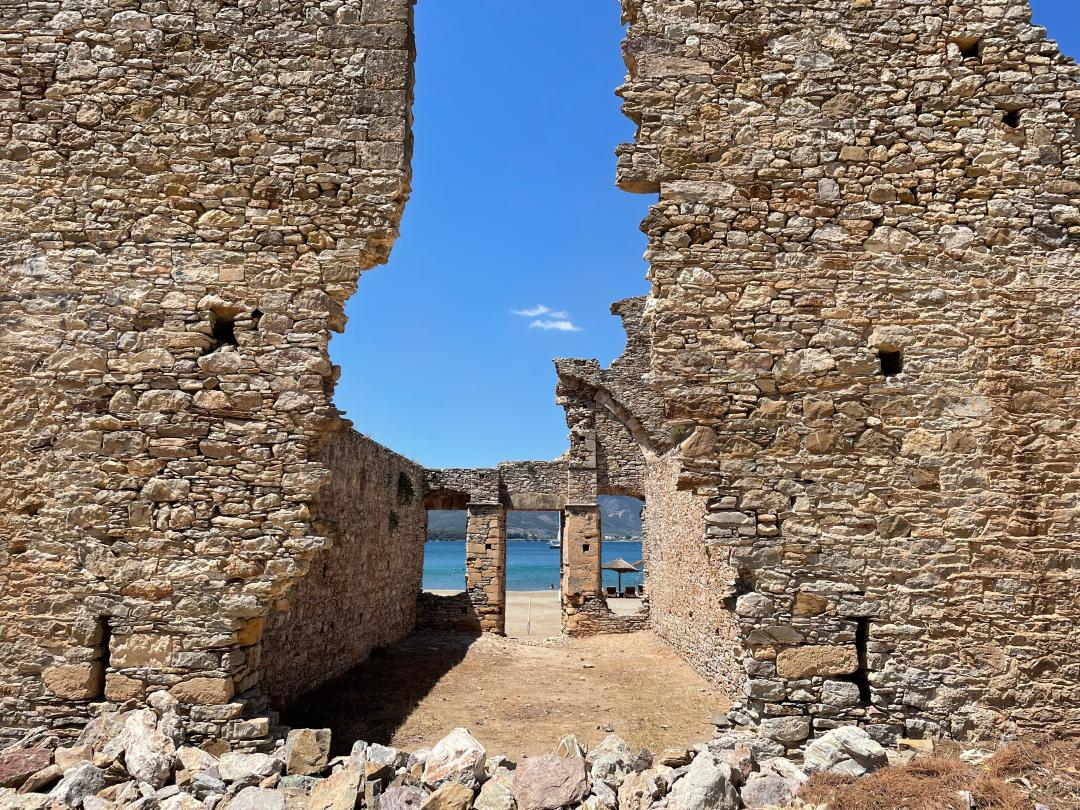
A collection of non-trivial sites in Greece for a curious traveller. Places that the usual guidebooks will not tell you about, from movie and book locations to abandoned mines and military bases. The locations are scattered across various islands.

John Fowels, Nicholas Urfe and The Magus

John Fowels, Nicholas Urfe and The Magus

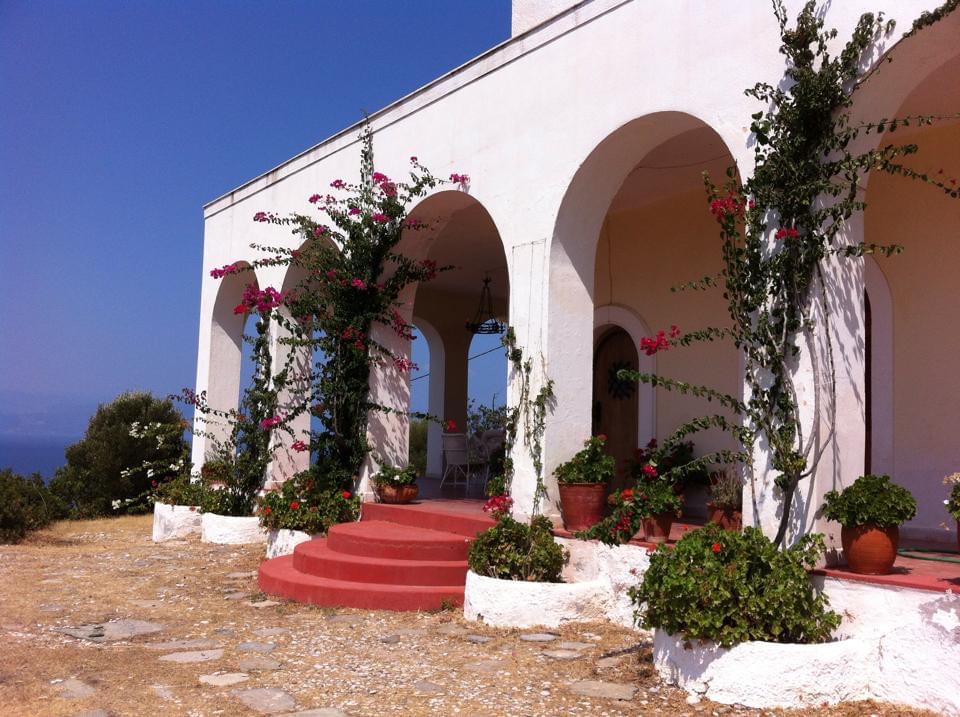
Have you read The Magus by John Folwes? Would you like to see Villa Bourani? Here is your chance! Follow in the footsteps of Nicholas Urfe and John Fowels himself on the beautiful island of Phraxos - or Spetses, as it is called in real life.
Great Writers: Joseph Brodsky (Petersburg and the Whole World)

Great Writers: Joseph Brodsky (Petersburg and the Whole World)

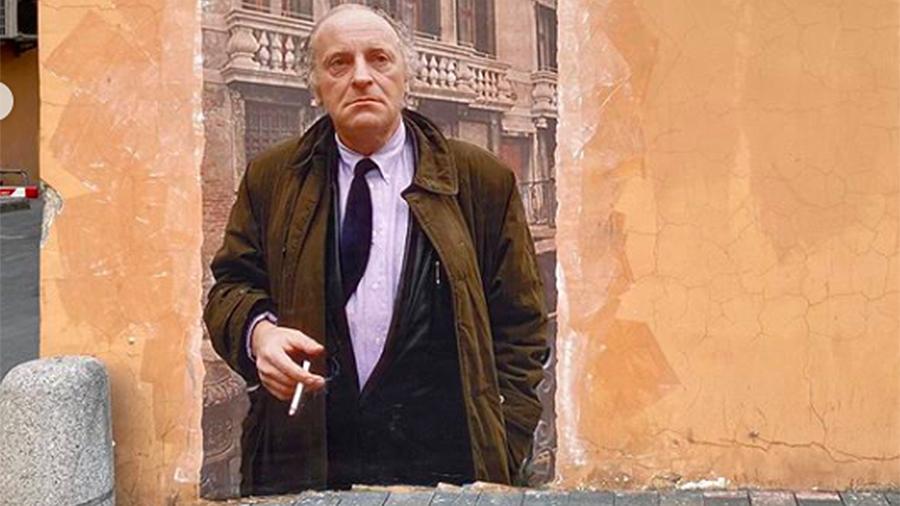
Judge: So, what is your profession? Brodsky: Poet. Poet-translator. Judge: And who recognized you as a poet? Who counted you among poets? Brodsky: No one. (Without hesitation). And who counted me among the human race? Judge: Did you study for this? Brodsky: Study what? Judge: To be a poet? Didn’t you try to graduate from a university where they prepare... where they teach... Brodsky: I didn’t think that was something education provides. Judge: Then what is it? Brodsky: I think it’s... (hesitantly)... from God...
Imperial Parks of Petersburg

Imperial Parks of Petersburg

The magnificent palace and park ensembles of Petersburg, Peterhof, Tsarskoye Selo, Pavlovsk, and Gatchina are the country's calling card.
St. Petersburg of Mikhail Shemyakin

St. Petersburg of Mikhail Shemyakin

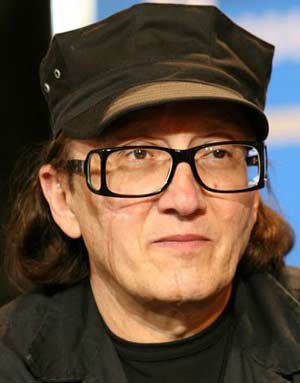
The range in which Mikhail Shemyakin works is quite broad: from drawing to monumental sculpture, theater, and cinema. The themes of his creativity are also diverse: from theatrical grotesque to metaphysical explorations.
Federico Fellini's Rome

Federico Fellini's Rome

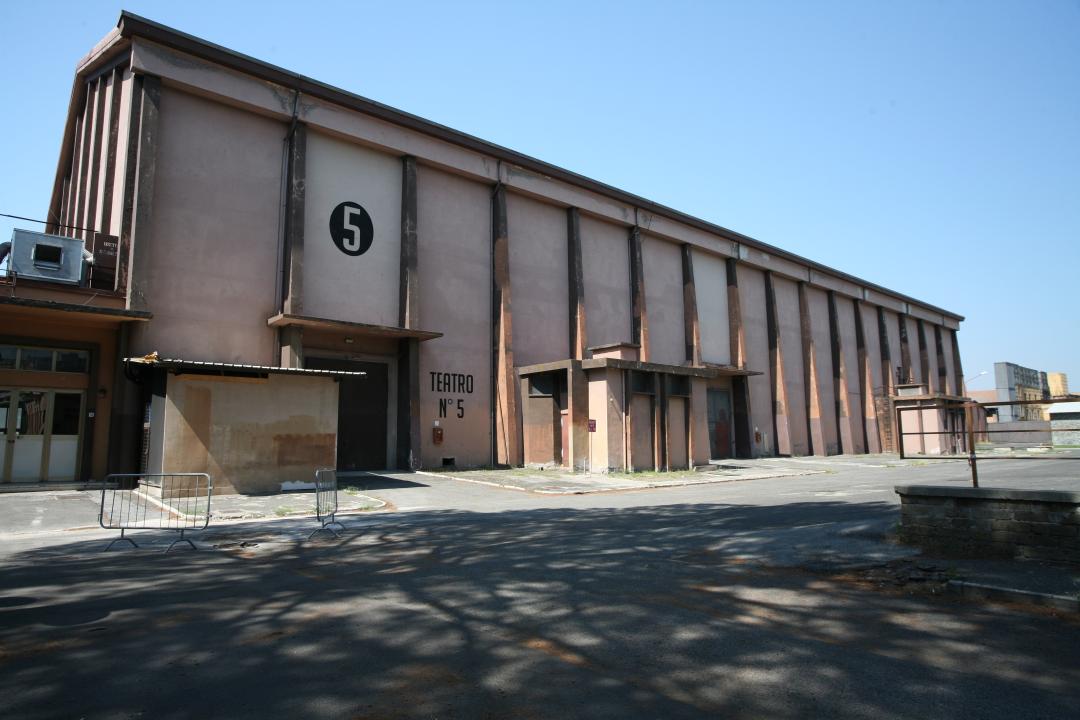
This collection reveals some of the places in Rome associated with the legendary film director. A must see for Fellini fans! Fellini moved from Rimini to Rome when he was 19, and lived and worked there for over 50 years. It has become his home, his family, his city. In his own words, “Rome is a mother, and the best mother one could wish, she is indifferent. It's a mother who has too many children, so she can't dedicate herself to you, nor does she ask anything of you. She doesn't expect anything. But hers is a warm indifference, entangling, that calms you at once, that spares you every kind of dependence or feelings too direct and compromising. She leaves you to yourself, but keeps you company.” (“As Fellini Sees Rome: A City of Desolation, Fossilized Ruins, and Children”, by Federico Fellini, The New York Times, 03.06.1973).
Federico Fellini’s Rimini

Federico Fellini’s Rimini

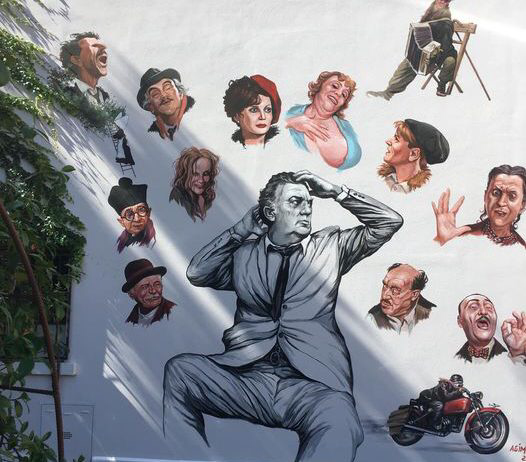
This collection reveals some of the places in Rimini associated with the legendary film director. A must see for Fellini fans! Rimini is a small enchanting seaside town where Fellini was born. A town which he moved from when he was 19 but which he never really left. A town which he came back to over and over again, and whose images he used frequently in his films. "Rimini is everywhere in Fellini's cinema, the countryside in his films is Rimini's countryside, the sea in all Fellini's films is Rimini's sea" (Marco Leonetti of the Rimini Cinematheque, “Fellini's birthplace Rimini marks centenary of maestro's death”, France24, 20.01.2020). If you want to visit all places at once, it will be a long walk of about 10 km one way. It can easily be split in two walks: points 1-10 (about 4 km) and points 11-13 (about 3,5 km). Alternatively, use the car/taxi for the last part of the route. Photo: http://www.societadeborg.it/
Italy with Federico Fellini

Italy with Federico Fellini

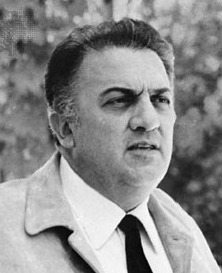
This collection reveals the places in Rimini and Rome associated with the legendary film director. A must see for all Fellini fans! The life and works of Federico Fellini are closely connected with two places in Italy. The first one is Rimini, a small enchanting seaside town where Fellini was born. A town which he moved from when he was 19 but which he never really left. A town which he came back to over and over again, and whose images he used frequently in his films. The second one is Rome of course, the grand city where Fellini lived and worked for over 50 years. Follow in his footsteps!
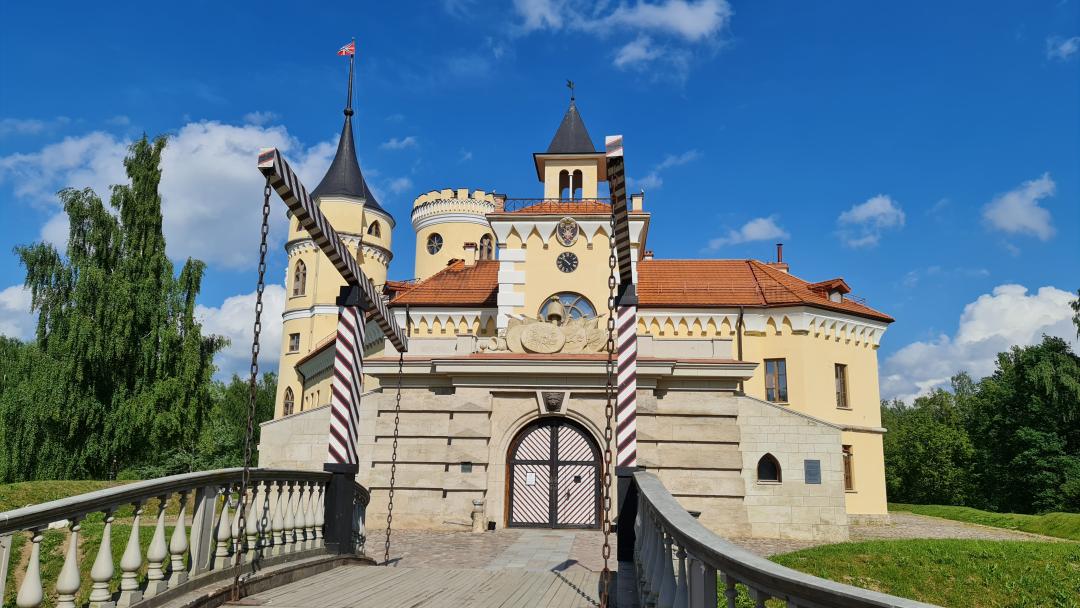
Petersburg, Suburbs: The Secrets of Pavlovsk

Petersburg, Suburbs: The Secrets of Pavlovsk

Located 25 kilometers from Saint Petersburg, by the Slavyanka and Tyzva rivers, is Pavlovsk, once one of the residences of Emperor Paul and Empress Maria Feodorovna. These lands were gifted by Catherine II to her son, Tsarevich Paul Petrovich, in honor of the birth of the heir — the future Emperor Alexander I. In 1778, two small wooden palaces were built here – Paullust (Paul’s Joy) and Mariental (Maria’s Valley).

Petersburg: In the Footsteps of the Masons

Petersburg: In the Footsteps of the Masons

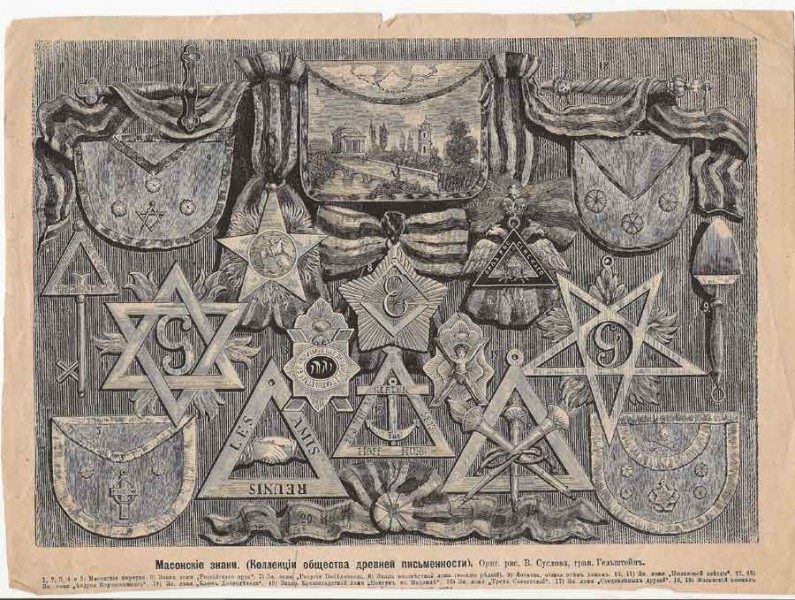
The fascination with Freemasonry has left a significant mark on Russian history and is reflected in the architecture of the Northern capital. There are many places here associated with the Freemasons.
Denmark street: British music hub

Denmark street: British music hub

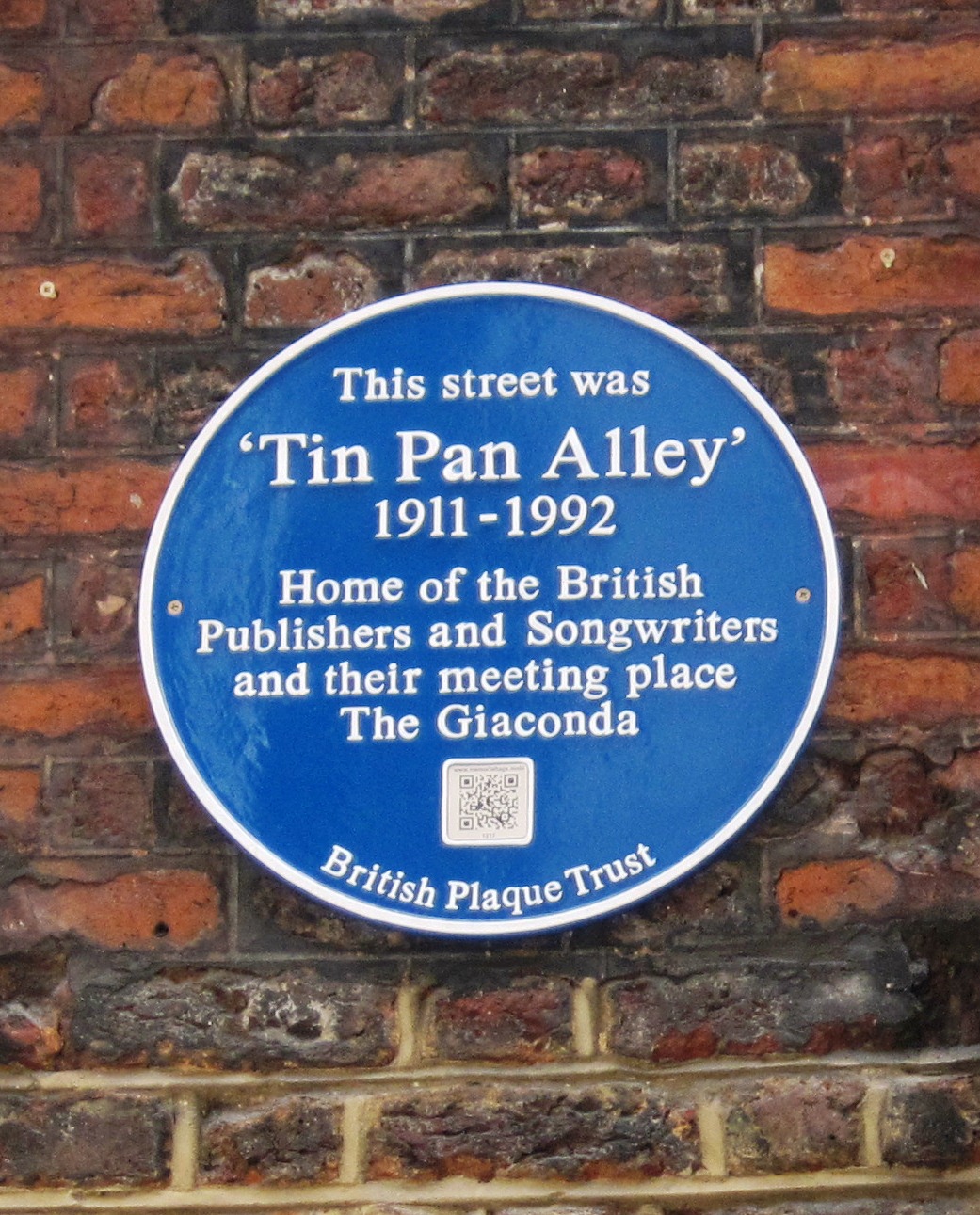
There are very few places in the world that have been as important for the music industry as Denmark Street has been. No wonder it was nicknamed “Britain’s Tin Pan Alley”, after New York’s famous Tin Pan Alley - the center of composing, lyric writing, and music publishing in the late 19th and early 20th century. Denmark Street on the edge of London's West End was developed in the late 17th century and named after Prince George of Denmark. Since the 1950s it has been the epicentre of British music. First came the music publishers, then the recording studios, followed by music and guitar shops. The amount of music created, played, recorded, bought and sold on this tiny spot is phenomenal. In 2014, a blue plaque was unveiled commemorating the importance of Denmark Street for the music industry. Take this short walk to see, among other things, where The Rolling Stones recorded, where David Bowie and the Small Faces socialised, where Elton John and Bernie Taupin wrote songs and where the Sex Pistols lived. Sources: Wikipedia, https://www.regentsounds.com , https://www.classicrocktourlondon.com/, http://www.peermusic.uk/ , https://www.nme.com/, https://whatpub.com , https://rosemorris.com/, https://www.wunjoguitars.com , https://www.chateaudenmark.com/journal/no-21-25-across-time
St. Petersburg of Nikolai Gumilev

St. Petersburg of Nikolai Gumilev

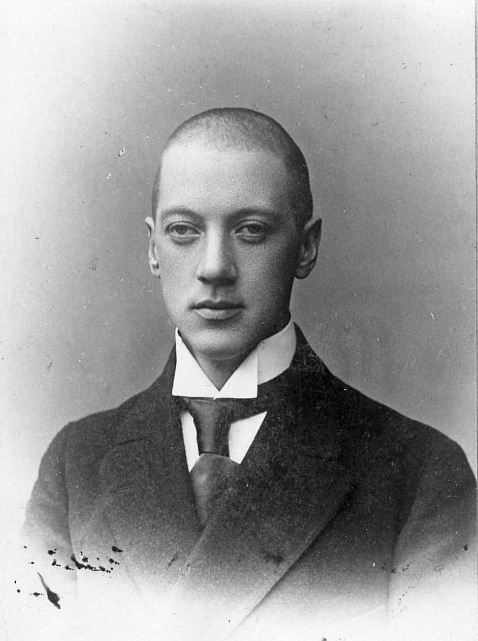
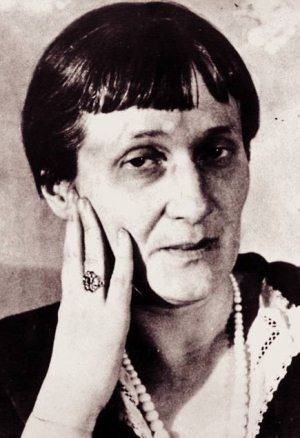
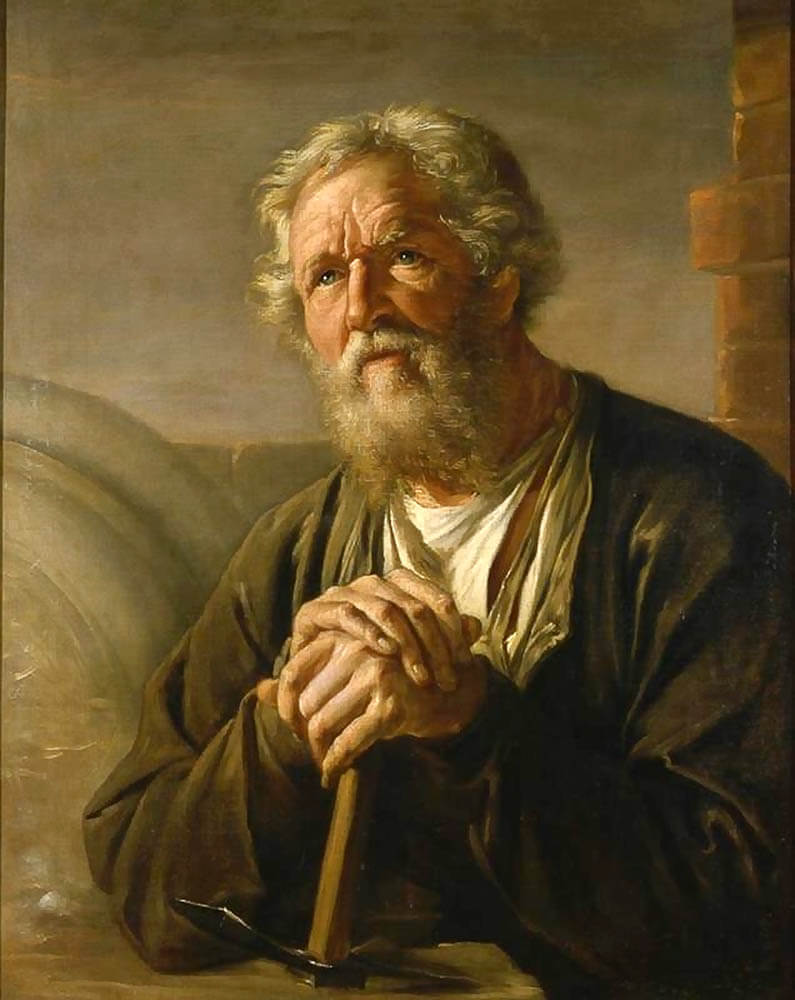
Nikolay Stepanovich Gumilyov, a Russian poet of the Silver Age, founder of the Acmeism school, prose writer, translator, and literary critic. The first husband of Anna Akhmatova, father of Lev Gumilyov. He undertook two expeditions to eastern and northeastern Africa in 1909 and 1913. On August 28, 1921, he was executed by firing squad on charges of participating in the anti-Soviet conspiracy of the "Petrograd Combat Organization of Tagantsev."