
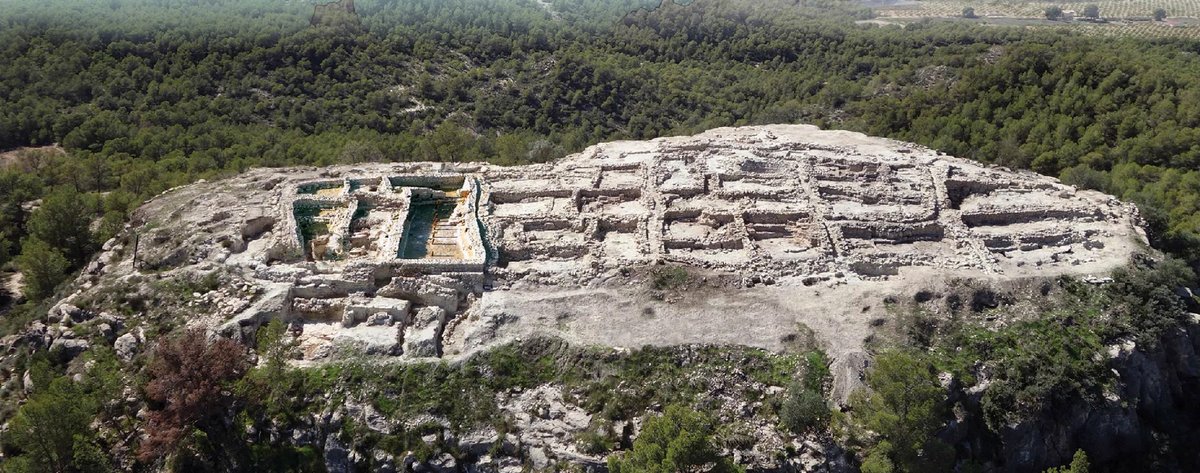
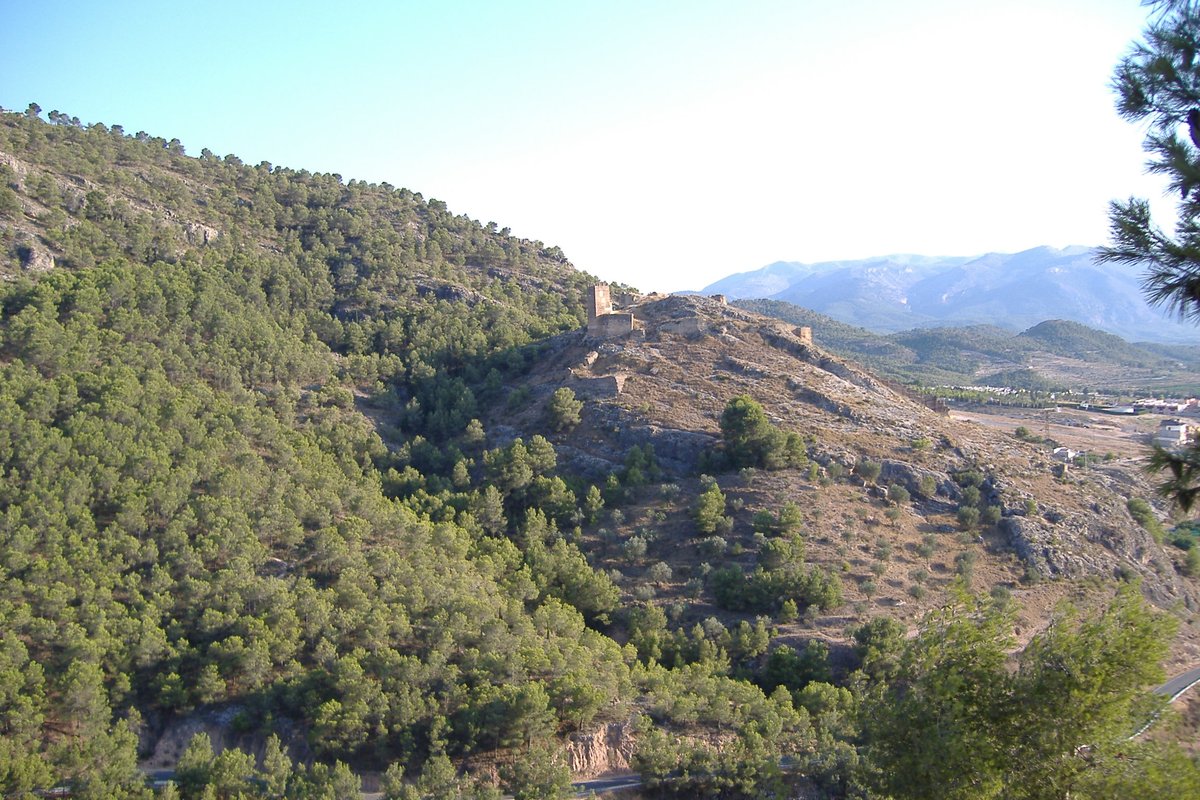
High up on a 913-metre peak in the pedanía of Coy, the site of El Cerro de las Viñas has hosted settlements from the Epipaleolithic, Neolithic, Copper, Bronze, and Medieval periods. The site features two distinct sections of walls. The first wall, located in the highest part of the settlement, functioned like an acropolis or fortified citadel as a final bastion, while a second lower enclosure defended a larger area more exposed to outside attacks.
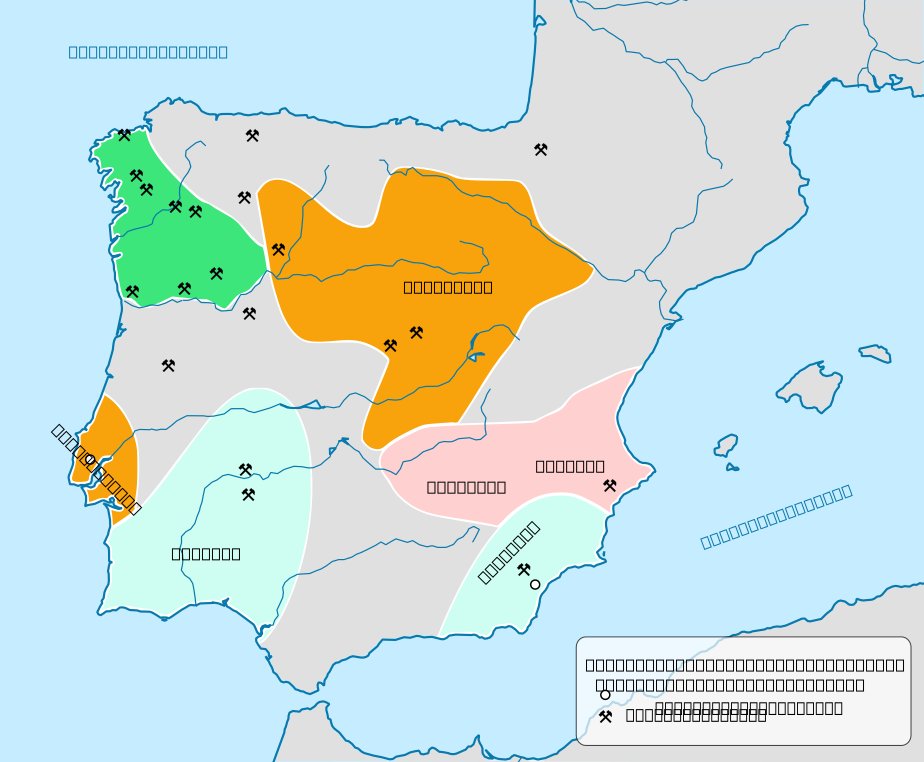
The site holds a significant archaeological record of the Argaric culture between 2000 and 1000 BC. Research conducted by teams from the universities of Murcia and Barcelona has revealed much about the inhabitants. In this culture, the dead were often buried individually, in pairs, or in triples, usually within the perimeter of the hill settlement or under the houses. One notable find was a woman named Julianna, discovered in the northeast corner of a house; she is noted for having a deer antler with oil lamps on her kitchen ceiling.
Among the most striking finds in the dirt of the settlement is the remains of a woman between 25-26 years old. In 1996, a camper named Julia spotted a fragment of a femur in a trench directed by Dr. María Luz Tudela. The remains belonged to a woman who died during a dystocios birth, representing the oldest such case until that time, and corresponds to the Bronze Age Argaric culture. The discovery was made through a collaborative effort by several archaeologists and medical experts.
Sources: Wikipedia, OpenStreetMap, Wikidata, Wikimedia Commons
Written by Nicolo Ciampini
Discuss this with the author and others
No comments yet. Be the first to start the conversation.