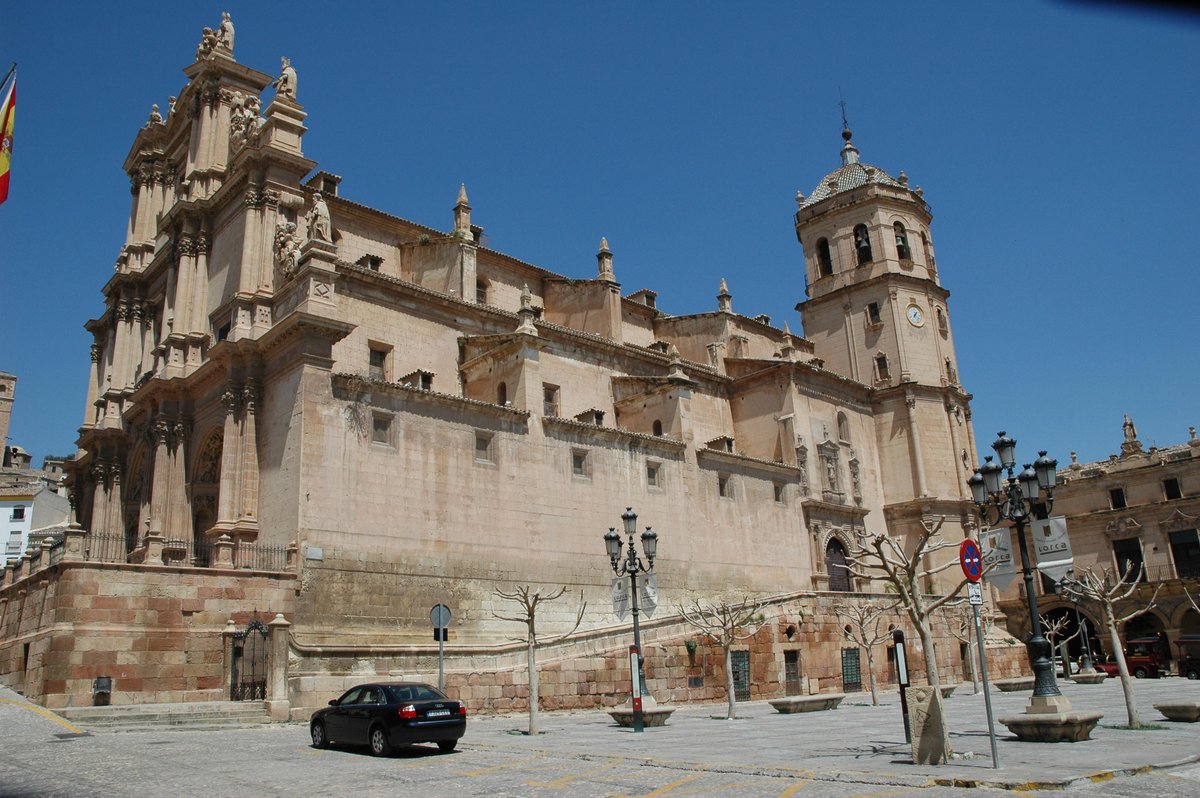

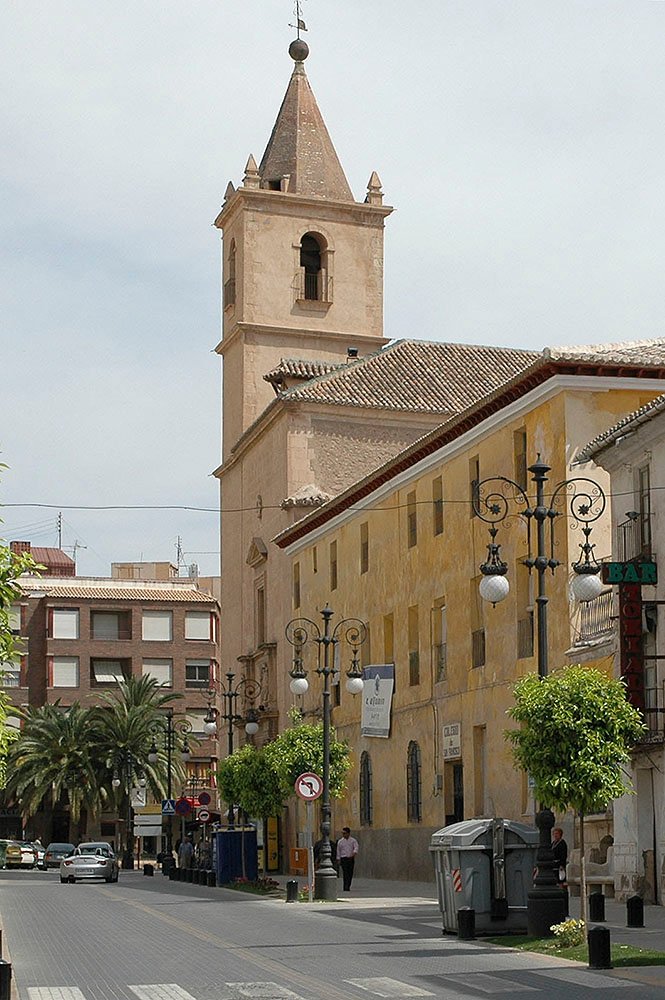
Construction on the Colegiata de San Patricio started in 1533, but it took nearly 250 years to finish. This prolonged timeline was caused by a mix of financial ruin, legal bickering over burial rights, and several outbreaks of the bubonic plague, as well as earthquakes that hindered progress throughout the 17th century.
The project was largely driven by the local bourgeoisie, who aimed to enhance the city's prestige by commissioning a building with cathedral-like grandeur. While popular belief holds that the plans came directly from Rome with the papal bull, comparisons with the nearby Cathedral of Murcia suggest otherwise. It is likely that the architect was already working in southeastern Spain, with historian Joaquín Espín Rael identifying Jerónimo Quijano as the likely master builder.
The result is a building with a complex architectural history. The interior features Gothic-style ribbed vaults in the ambulatory and chapels, alternating with Renaissance-style vaults in the Sacristy and Main Chapel, inspired by Andrés de Vandelvira. The massive Baroque façade, finished in the early 1700s by José de Vallés, remains one of the three monumental Baroque façades in the Region of Murcia.
Today, the Collegiate Church remains a cornerstone of the Plaza de España. It stands as a massive, slow-moving monument to human persistence, reflecting the changing architectural tastes and shifting budgets of the centuries it took to complete.
Sources: Wikipedia, OpenStreetMap, Wikidata, Wikimedia Commons
Written by Nicolo Ciampini
Discuss this with the author and others
No comments yet. Be the first to start the conversation.