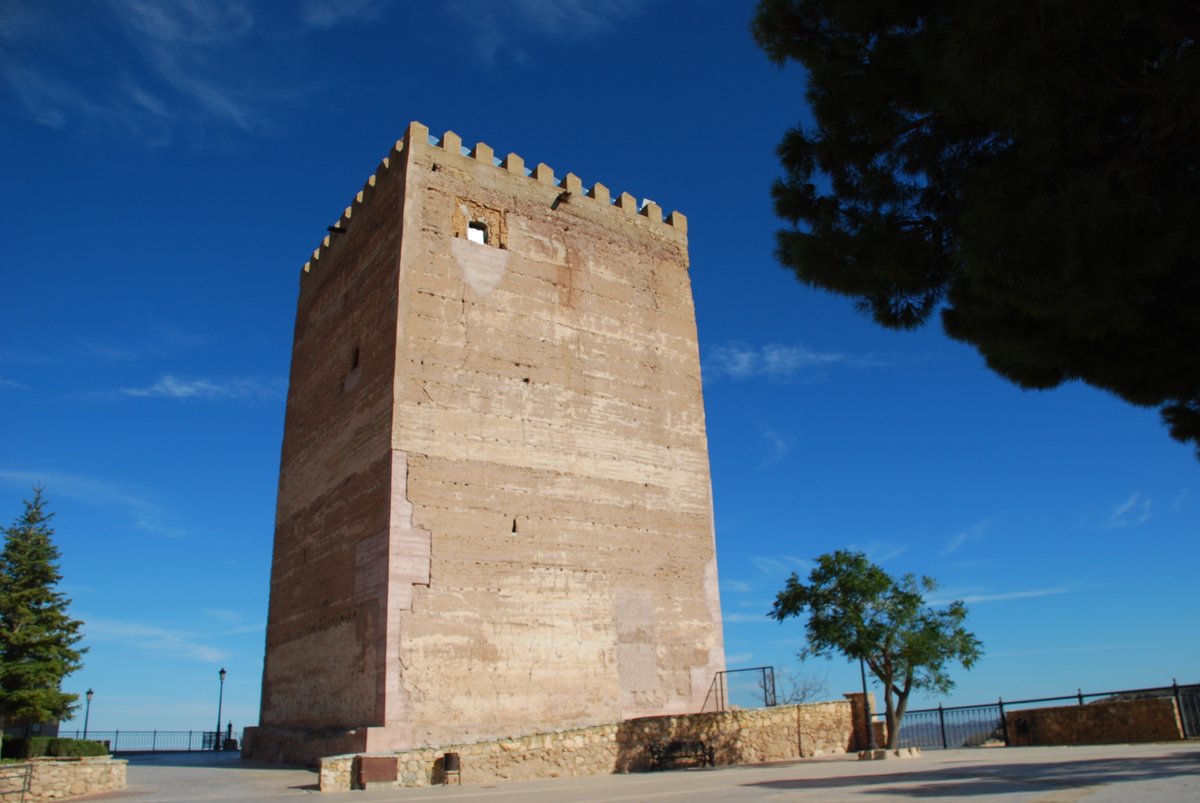

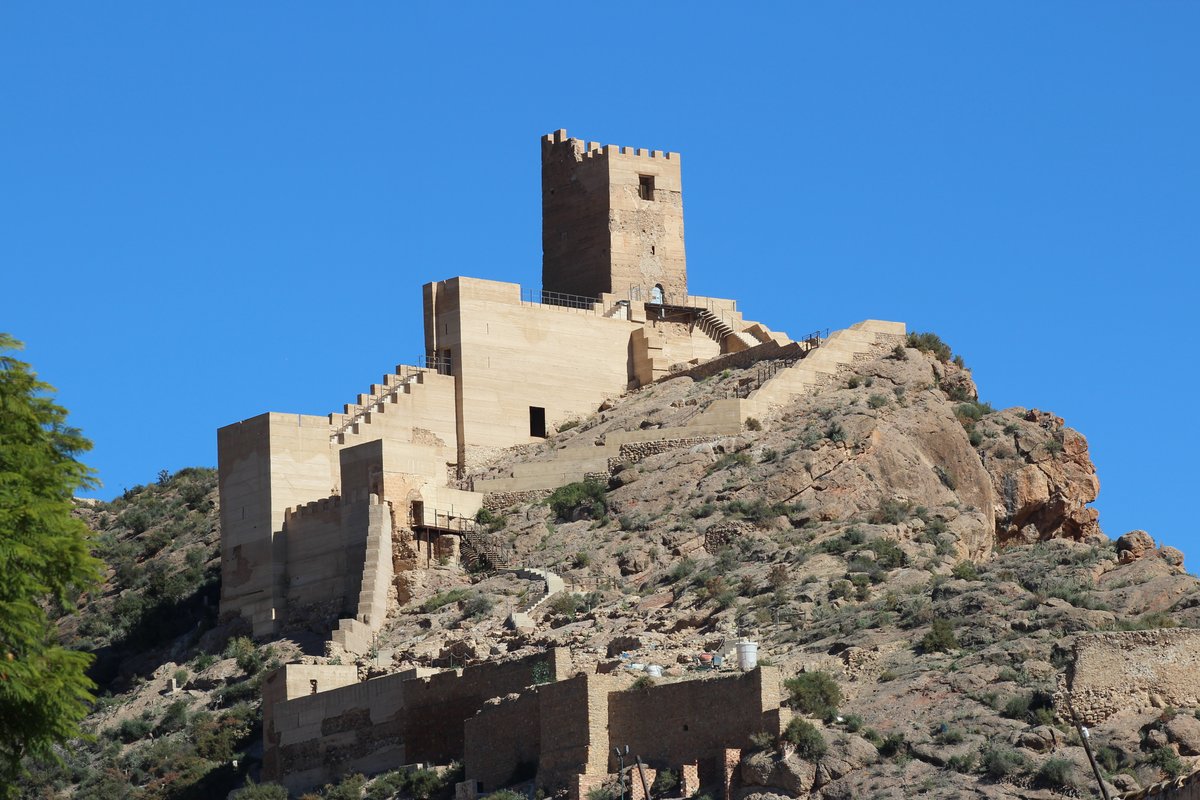
The fortress in Aledo, a village in Murcia, is a medieval structure of Andalusian origin that was later conquered by Christian troops. Its most prominent remaining structure is the keep, known as La Calahorra, which was rehabilitated and inaugurated in 2008. The fortress has been designated as a Bien de interés cultural since June 25, 1985.
Historical records place Aledo in the late 9th century, with the Arab villa becoming fortified around the 10th century. In 1086, Castilian troops took the castle under the command of the noble García Jiménez. Using Aledo as a bastion, these forces launched offensives to the southeast, controlling the Guadalentín valley and communication routes between the Mediterranean and the Meseta. In 1088, the Islamic side besieged the fortress but failed to expel the Castilians until 1092, thanks to support from Almoravid warriors. That same year, a raid directed by Alfonso VI rescued the survivors of the siege.
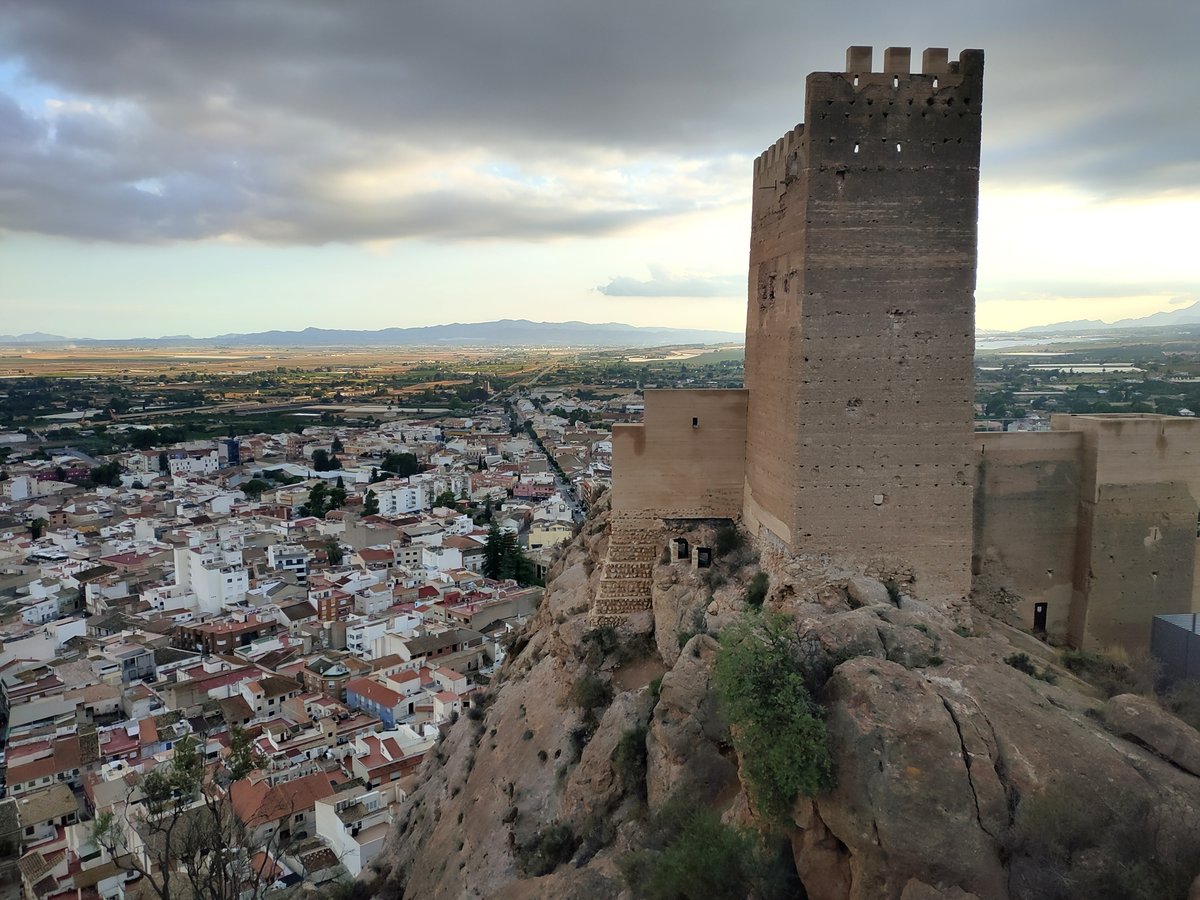
Following the Treaty of Alcaraz in 1243, Castilian troops returned to Aledo. In 1257, Alfonso X delivered the village to the Order of Santiago. During the 13th and 14th centuries, the keep was built. Because the Kingdom of Murcia was a frontier territory, Aledo served as an important defensive enclave on the border with the Emirate of Granada. The fortress eventually lost its strategic function following the fall of Granada.
The keep features a square floor plan with three levels connected by a staircase. The third level retains windows with pointed arches, while the other floors have small slits. The top is finished with a row of rectangular battlements. The Arabic origins of the fortress are visible in the thick tapial walls, which give the building its characteristic reddish tone. The basement contains several tunnels and passages leading toward the river.
The rest of the defensive complex has mostly disappeared, with only a few remains scattered across the terrain. Today, the keep serves as the tourist office for Aledo. The ground floor contains a cistern with two barrel-vaulted naves, while the upper floors feature brick vaulted structures.
Sources: Wikipedia, OpenStreetMap, Wikidata, Wikimedia Commons
Written by Nicolo Ciampini
Discuss this with the author and others
No comments yet. Be the first to start the conversation.