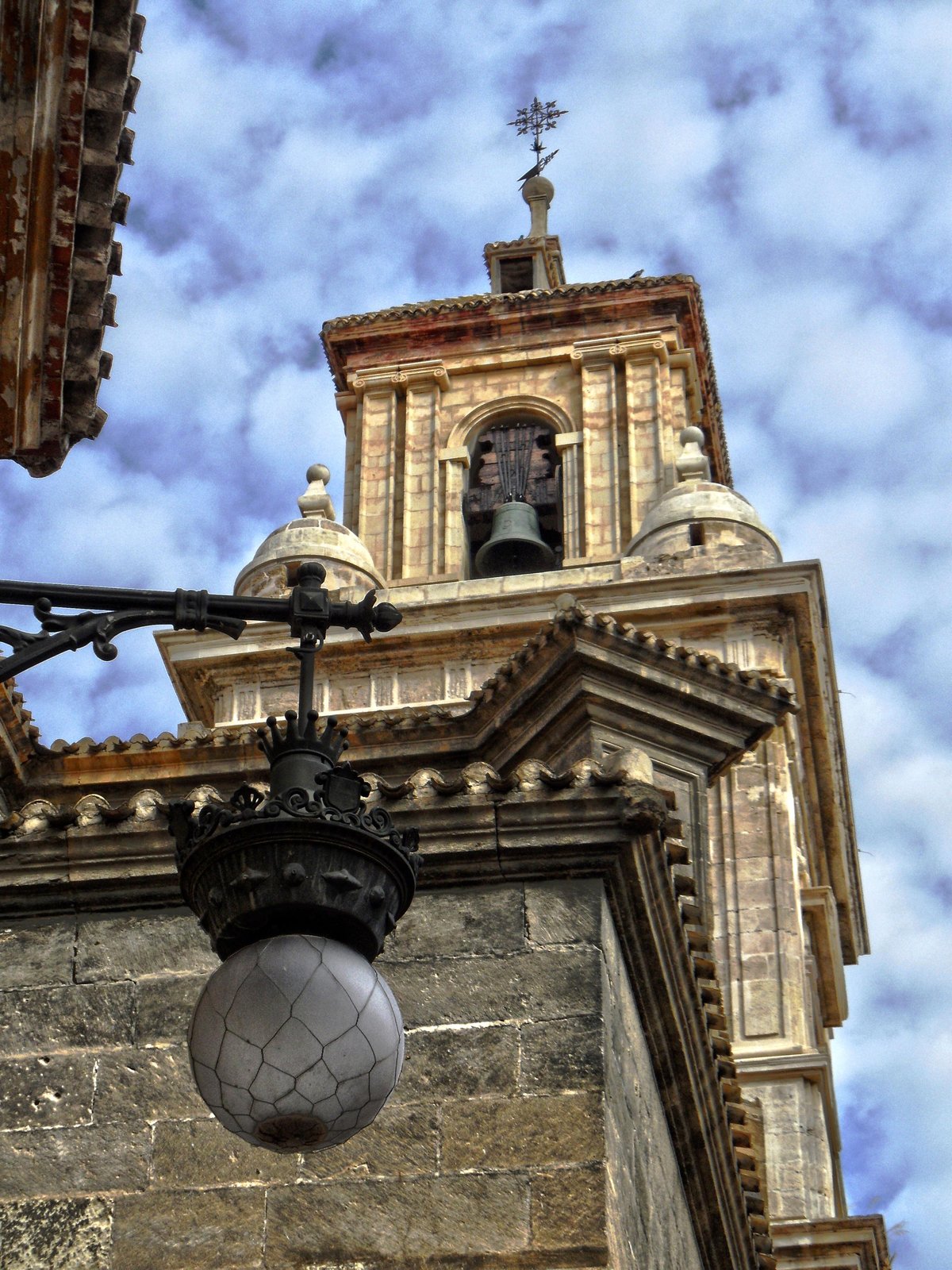

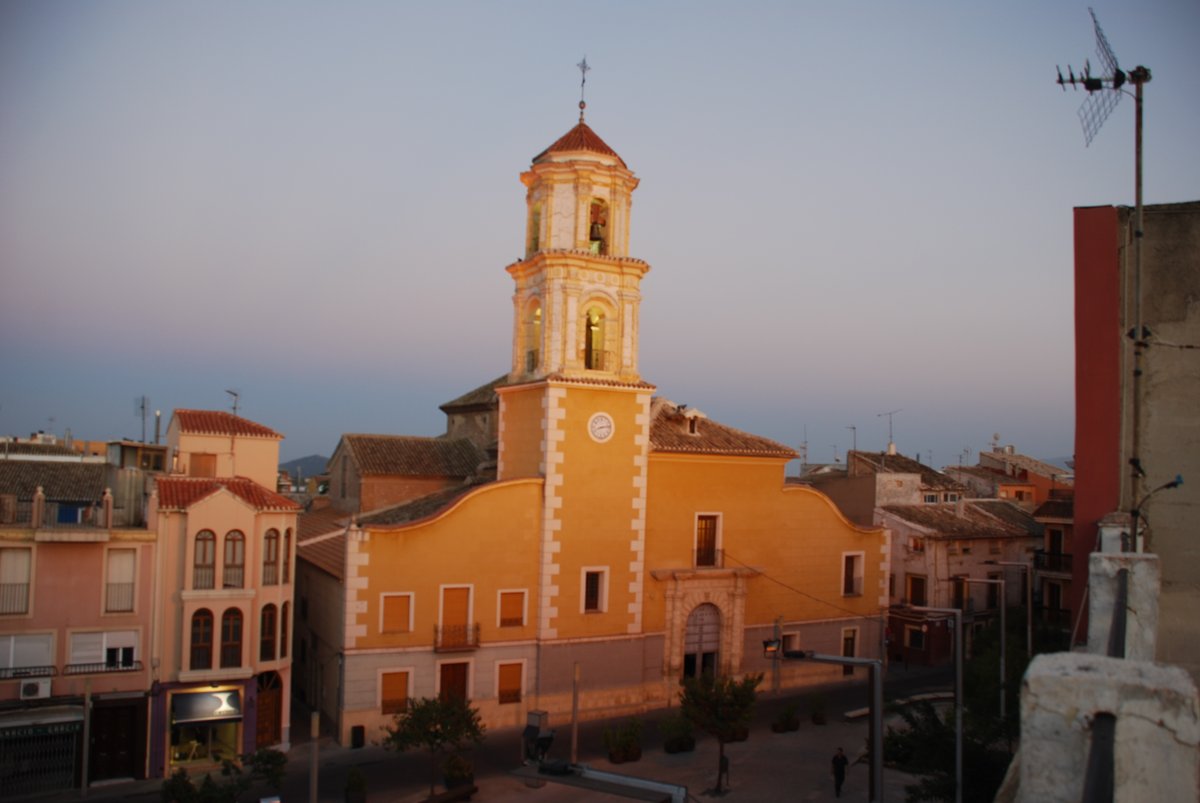
Iglesia Parroquial de El Salvador is located at Calle Mayor 2 in Caravaca de la Cruz, within the historic center of the city. The current building began construction in 1526, reflecting the demographic and urban growth of Caravaca during the 16th century. The site previously housed a medieval church that became the Church of la Soledad in the 16th century, while the first parish was a small hermitage called Santa María la Real or del Castillo, located inside the alcázar.
The medieval church was built by 1344 when Caravaca passed to the Order of Santiago. It was a Gothic building that underwent a series of expansion works between 1498 and 1507. In 1526, following a routine inspection, the visitors of the Order of Santiago proposed building a new parish church outside the walled enclosure, which was required to have three naves with their arches and danzas. On December 27, 1573, the Santísimo Sacramento was moved from the current Soledad to El Salvador, and the new temple was inaugurated.
The lateral portico, which became the main entrance due to the unfinished state of the church, features a unique Renaissance design with a triumphal arch shape. The first body was completed in 1573 by Pedro de Antequera, featuring a semicircular arch and a series of Jonic pilasters and semicolumns. The second body, completed in 1655 and 1657 by Juan Garzón Soriano, features a central niche in the shape of a triumphal arch containing a Baroque image of El Salvador, flanked by two Jonic columns.
Sources: Wikipedia, OpenStreetMap, Wikidata, Wikimedia Commons
Written by Nicolo Ciampini
Discuss this with the author and others
No comments yet. Be the first to start the conversation.