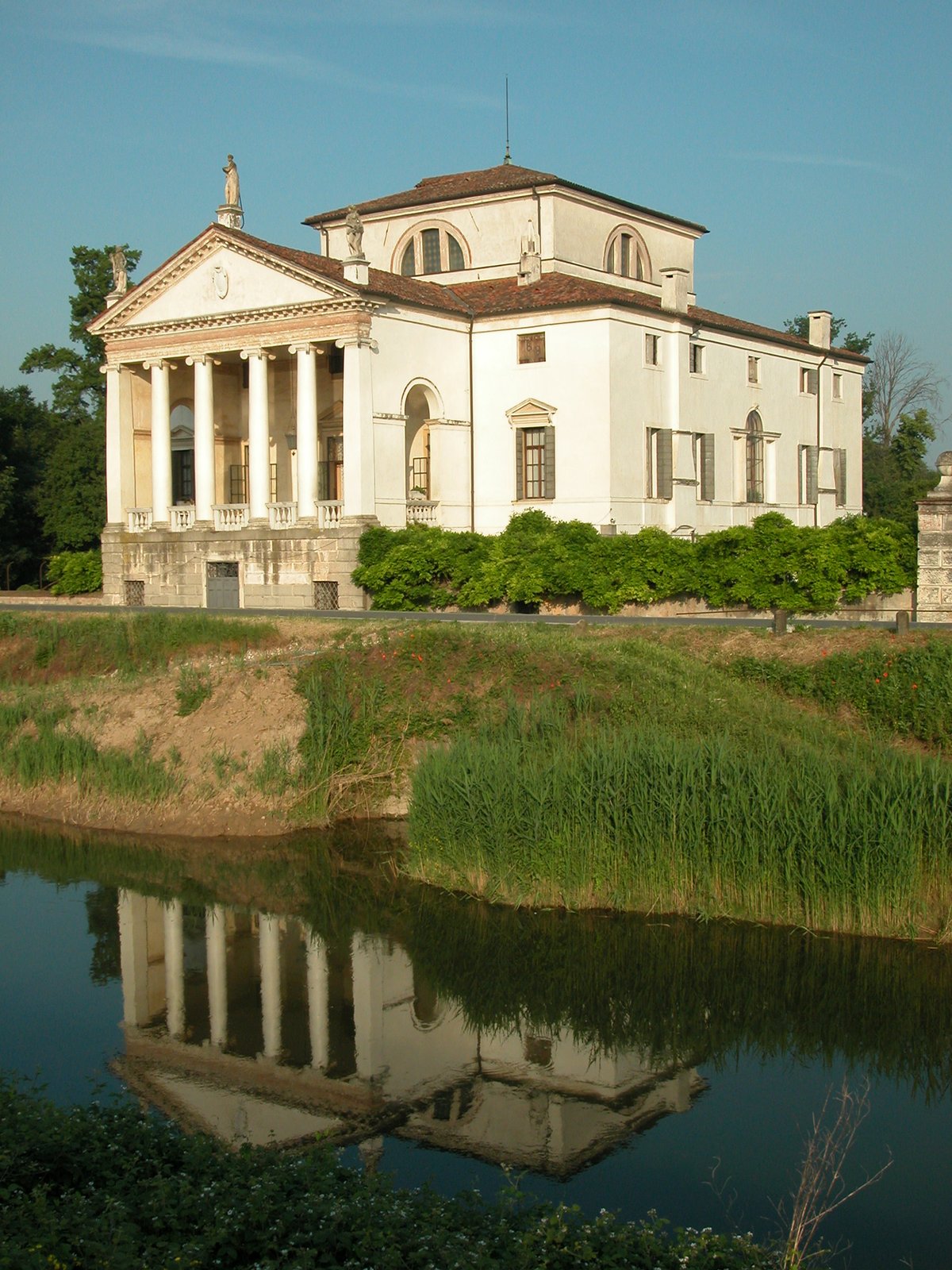

Villa Molin was designed for Nicolò Molin, a Venetian nobleman who wanted a summer escape from the city heat. He hired Vincenzo Scamozzi, who was first among Venetian architects in the terraferma since the death of Palladio in 1580. The result is a perfectly square building with a heavy Ionic portico facing the Canale di Battaglia. It mimics the style of the Villa Rotonda but stays distinct with its central sala and Greek cross layout.
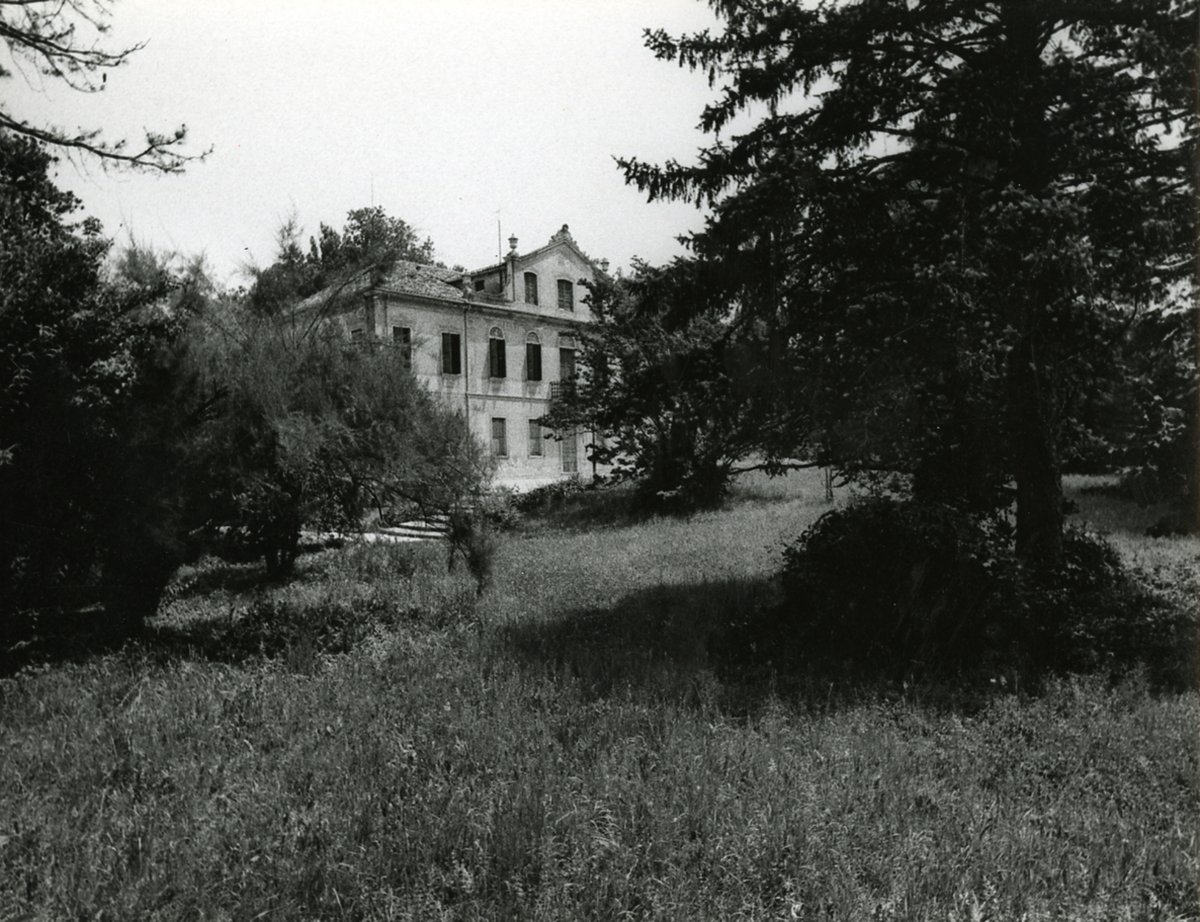
History likes to throw curveballs at quiet houses. After falling into the hands of various heirs and spending some time as a humble farmhouse, the villa became a military command headquarters during World War I. It was the site of preliminary negotiations that led to the signing of the Austrian-Italian Armistice of Villa Giusti on 11 March 1918. It is a unique legacy for a summer retreat, but then again, history is rarely orderly.
Today, the house stands on Via Ponte della Cagna. You can find the grand exterior staircase added later by Michele Dondi dall' Orologio and the formal gardens replanted in 1955. The villa features an articulated central reception space and vestibules that give onto intimate spaces in a series of cubes and rectangles characteristic of cinquecento villa floor plans.
Sources: Wikipedia, OpenStreetMap, Wikidata, Wikimedia Commons
Written by Nicolo Ciampini
Discuss this with the author and others
No comments yet. Be the first to start the conversation.