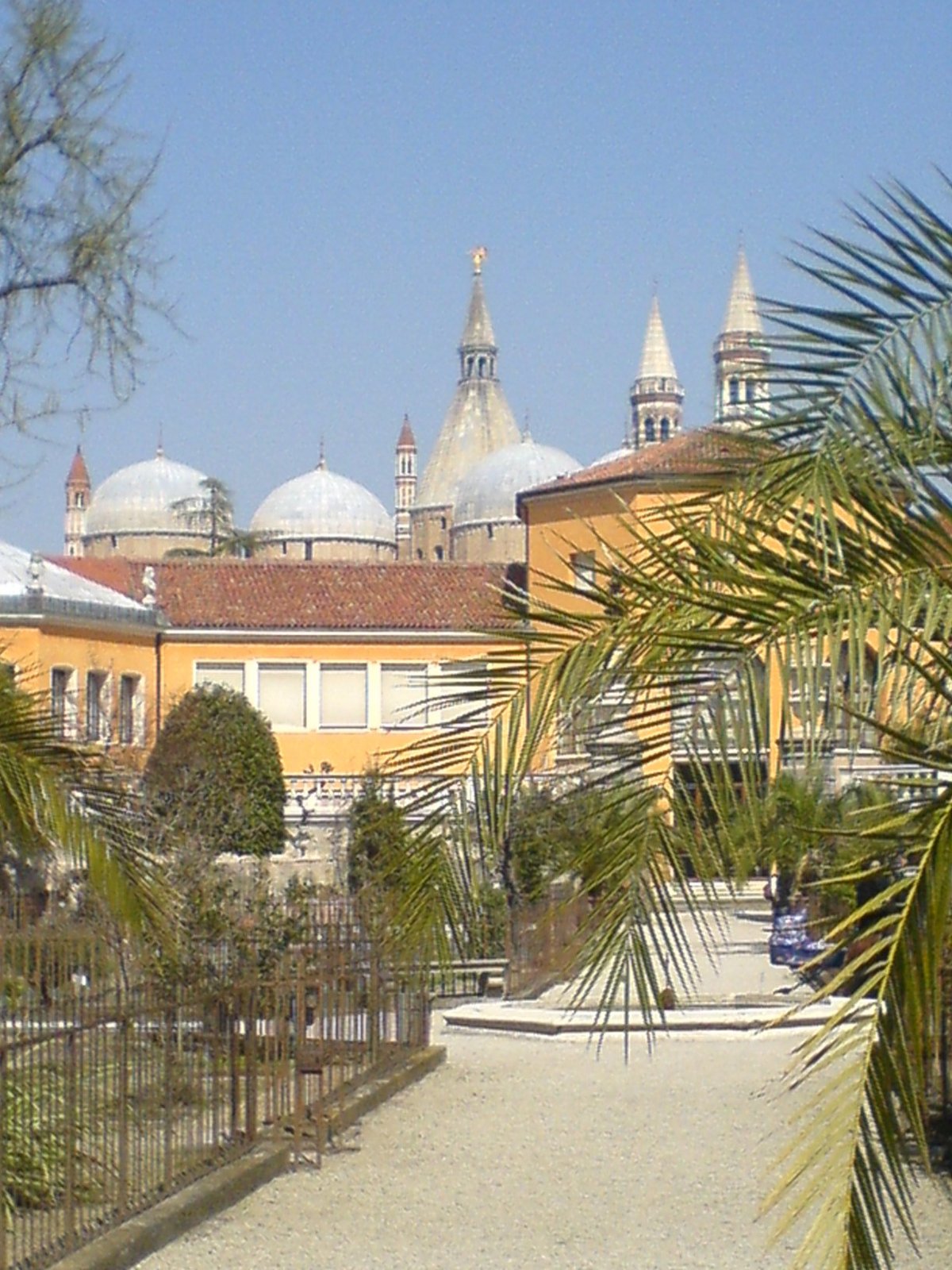

The Orto Botanico di Padova, a botanical garden in Padua, Italy, is a historical gem and the world's oldest academic botanical garden still in its original location. Founded by the Venetian Republic in June 1545, this garden was devoted to the growth of medicinal plants, marking a scientific milestone that spawned the fields of botany, medicine, chemistry, ecology, and pharmacy. Covering approximately 22,000 square meters (240,000 sq ft), this remarkable garden has endured for more than five centuries, offering an intimate glimpse into the past while nurturing over six thousand types of plants today.
Night thefts of plants were a problem due to severe penalties such as fines, prison, and exile. To combat this, the garden was enclosed in a circular wall, and plants from all over the world were added to prevent misidentification and aid in the study of exotic species.
Over time, the garden has been enriched with various architectural wonders, including four gates and gateways with elaborate acroterions, four-season fountains, three sundials, and greenhouses that still maintain historic arches and small cast-iron columns. One of the greenhouses, complete with original architecture, hosts a rare variety of plants, while the garden's Arboretum is home to rare and exotic trees, including Italy's oldest ginkgo and magnolia trees, as well as the Himalayan cedar, the first specimen imported to Italy in 1828.
Visitors to the Orto Botanico di Padova can still witness the ancient design and layout, reminiscent of the medieval Horti Conclusi, as the garden continues to play a crucial role in research, education, and the preservation of rare species. Its enduring legacy contributes to the University of Padua's proud history and shows that an academic garden can be more than just a collection of plants – it can be a living testament to the power and beauty of scientific understanding.
Sources: Wikipedia, OpenStreetMap, Wikidata, Wikimedia Commons
Written by Nicolo Ciampini
Discuss this with the author and others
No comments yet. Be the first to start the conversation.