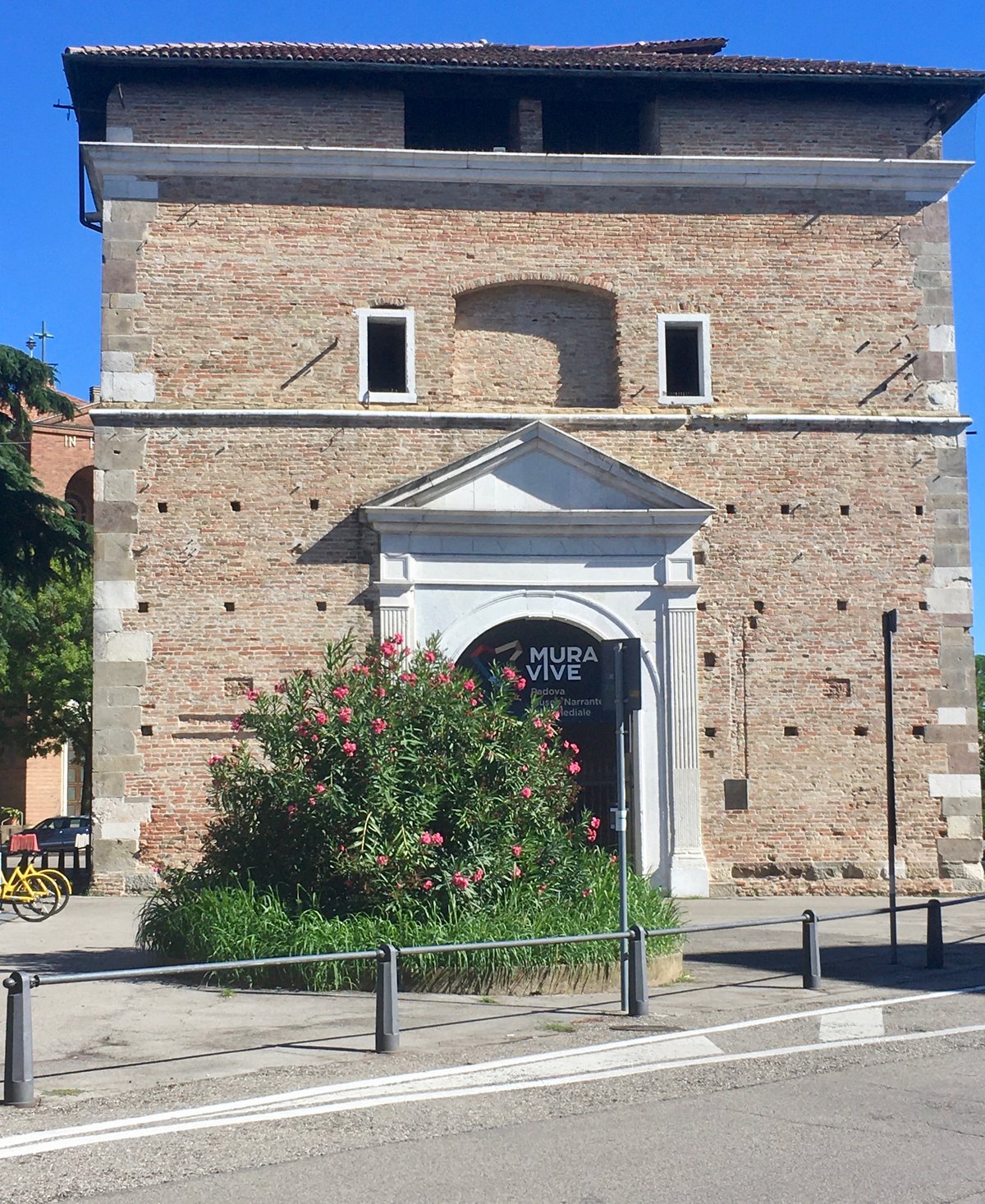

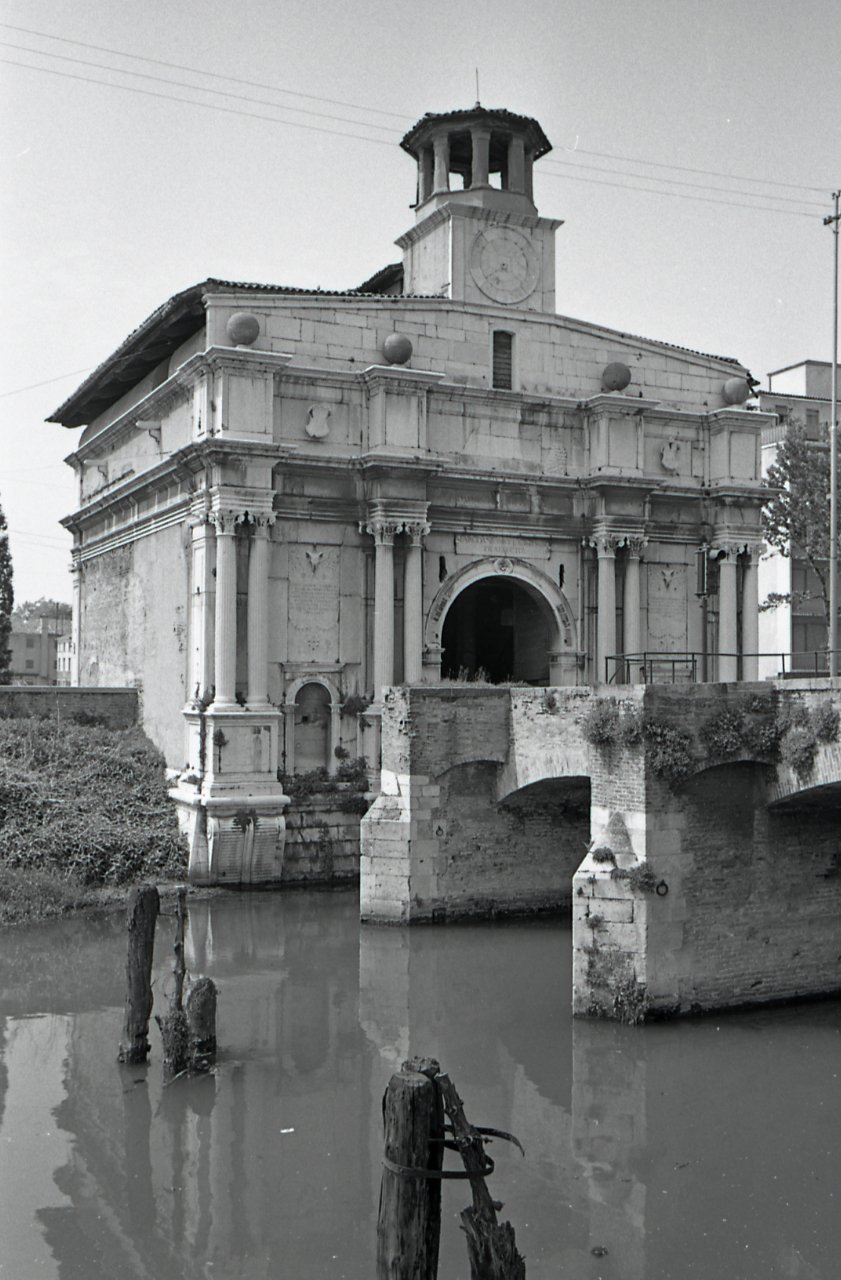
Why is this gate called Porta Pontecorvo? It is often argued that the original Latin name was likely Pons Curvus, referencing the sharp curve needed for water flow. However, the local population distorted the name, changing it first to corbo and then to corvo instead of curvo. This linguistic shift resulted in a name that shares a root with various noble families and ancient Roman clans.
Some of these families, such as the Gens Aquillia, Gens Fulvia, and Gens Valeria, used the name Corvo or Curvus. It is also possible the name relates to the Roman corvus, a grappling hook with a beak-like shape used to board enemy ships. Historical records even note that Marco Valerio Corvo achieved a victory against the Gauls in 349 BC with the help of such a device. In Padova, a noble family with the surname Corvo even held a prominent seat with the motto "Post Tenebras Spero Lucem."
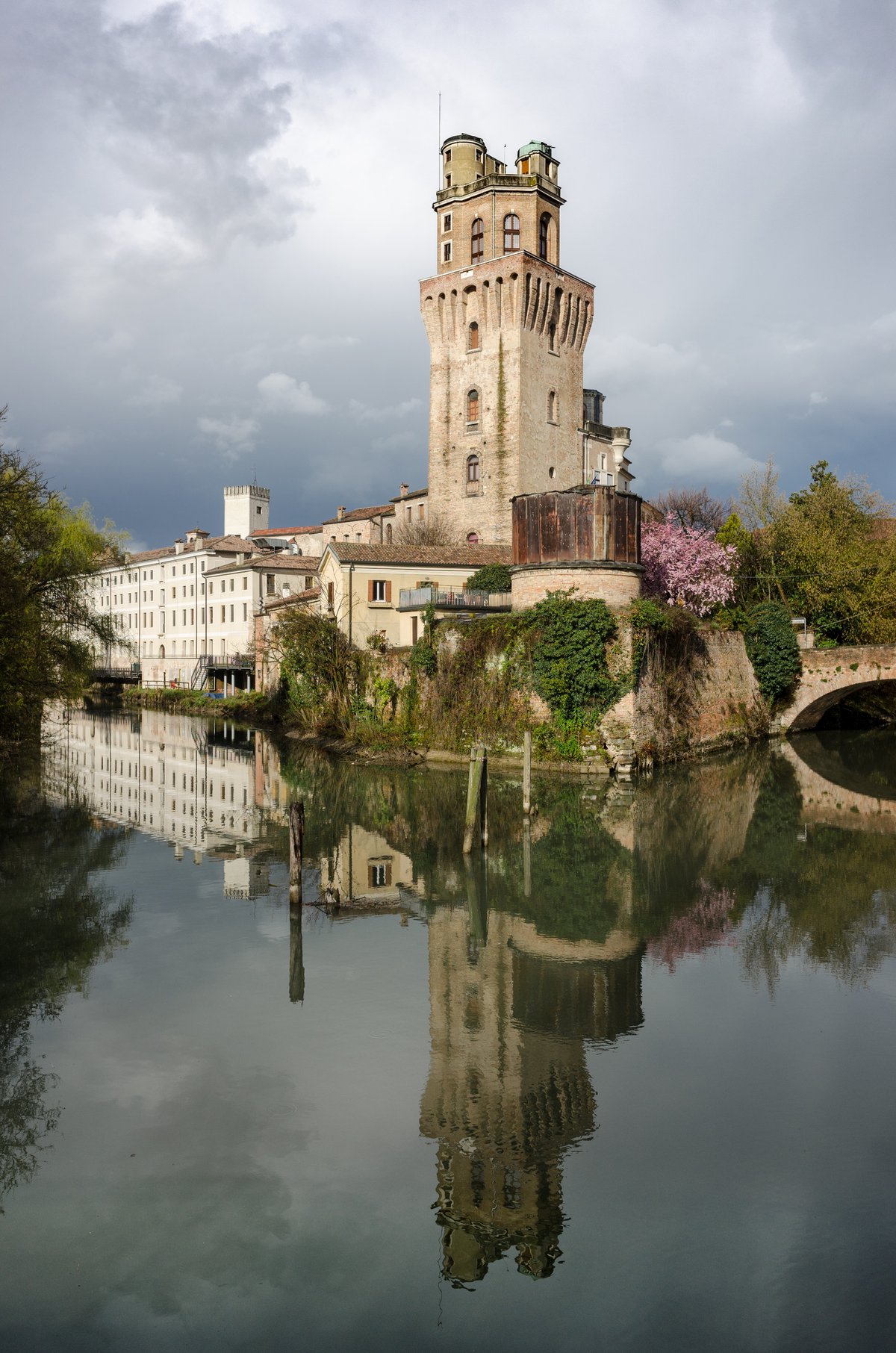
Construction on this southern entrance to the city began following the siege of 1509 and was completed in 1517. It was named Porta Liviana in honor of Bartolomeo d'Alviano, the strategist who designed the city's defenses. Today, the gate serves as an entrance to the historical Antenore district, standing as a permanent record of both the city's military history and its evolving local identity.
Sources: Wikipedia, OpenStreetMap, Wikidata, Wikimedia Commons
Written by Nicolo Ciampini
Discuss this with the author and others
No comments yet. Be the first to start the conversation.