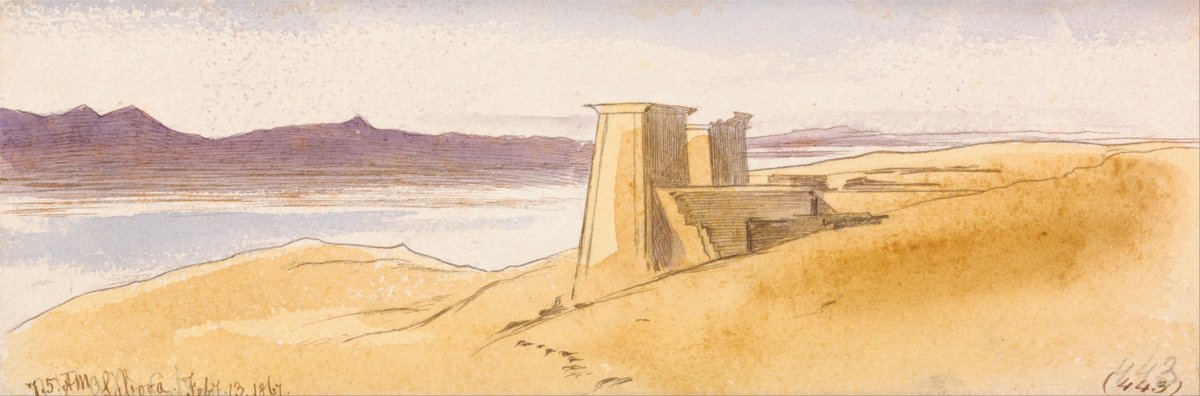

In Lower Nubia, Wadi es-Sebua, popularly known as the 'Valley of the Lions', contains the temples erected by two ancient pharaohs of Egypt - Amenhotep III and Ramesses II. These structures were built during the New Kingdom era, a time of great power in ancient Egypt. The name 'Valley of the Lions' was given by local Arabs, inspired by the stone sculptures of sphinxes which lined the entrance to the first temple.
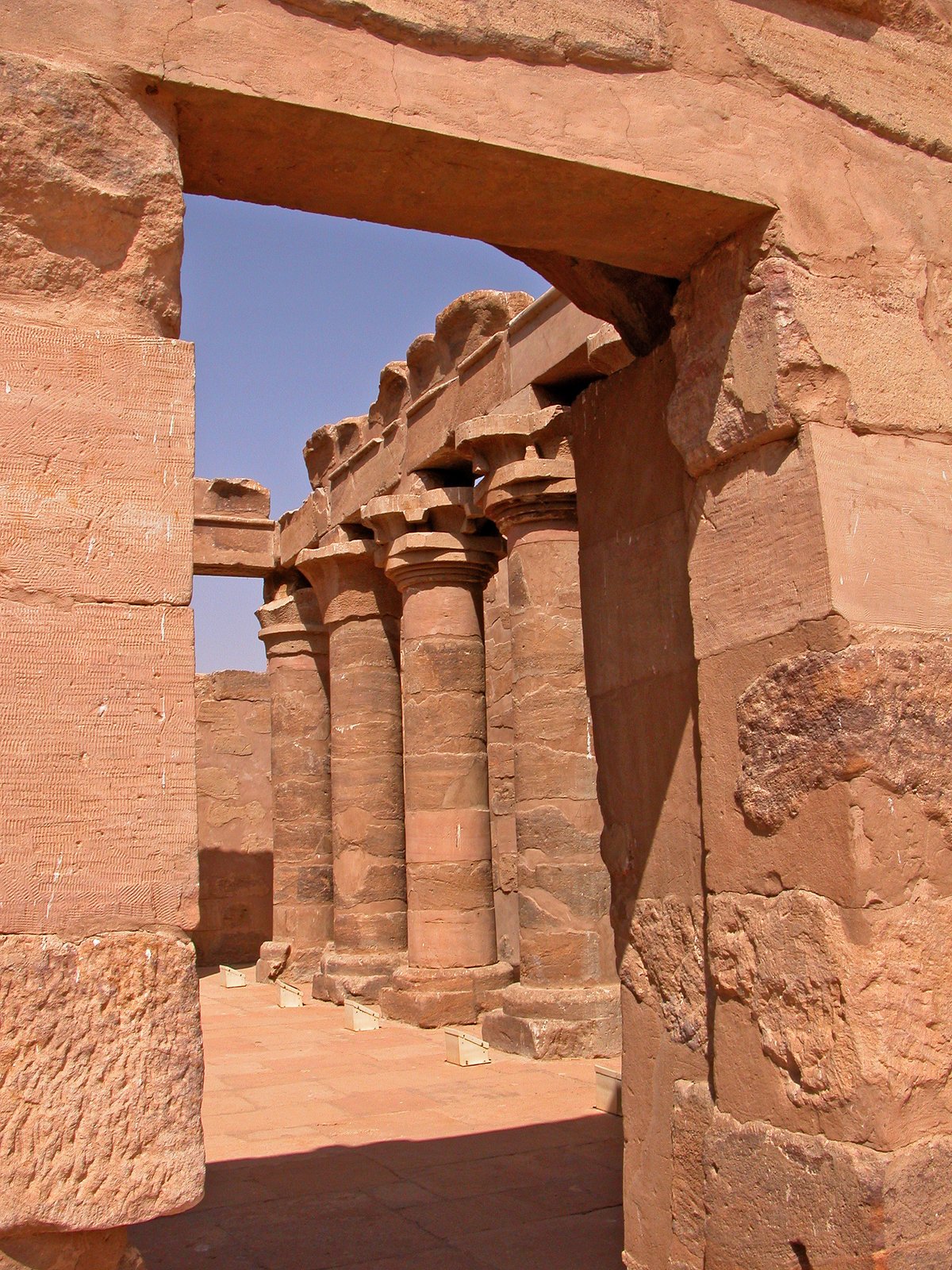
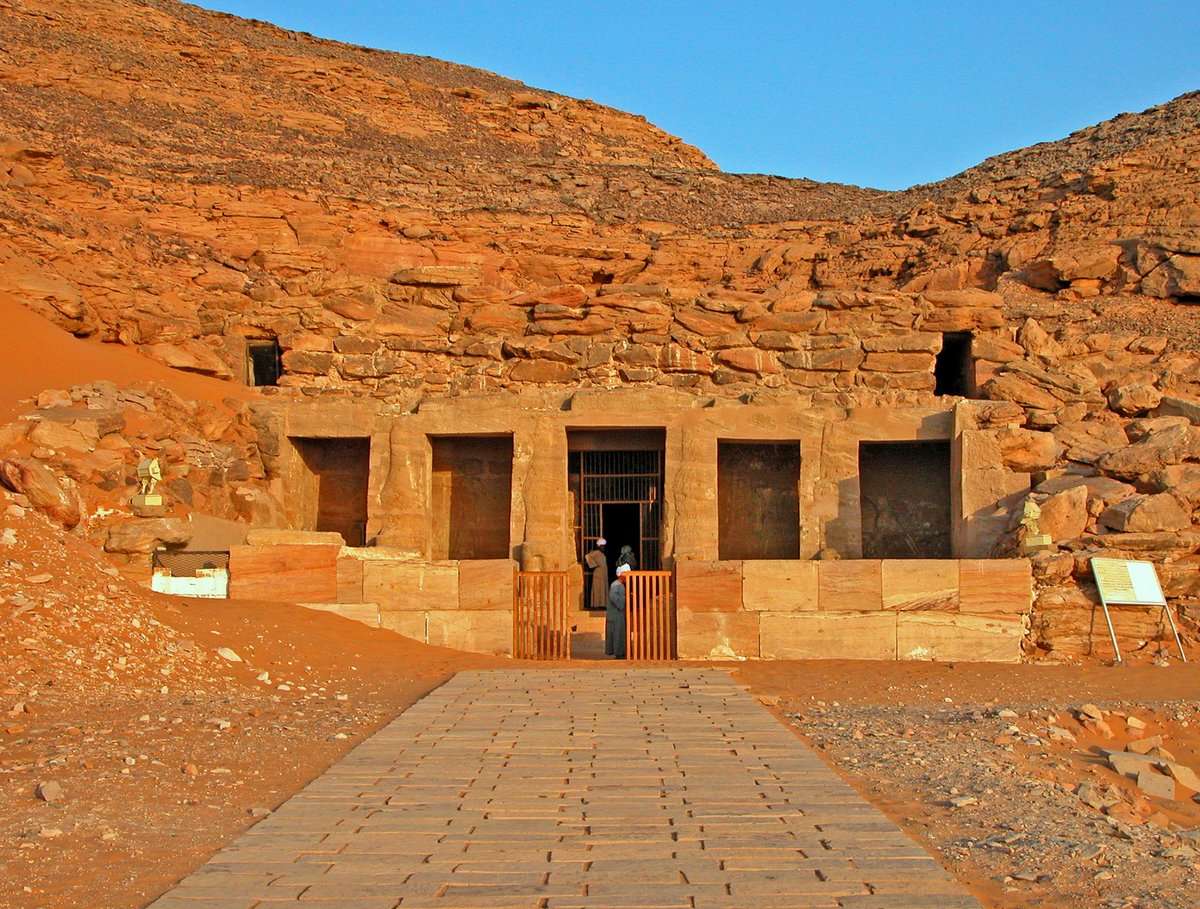
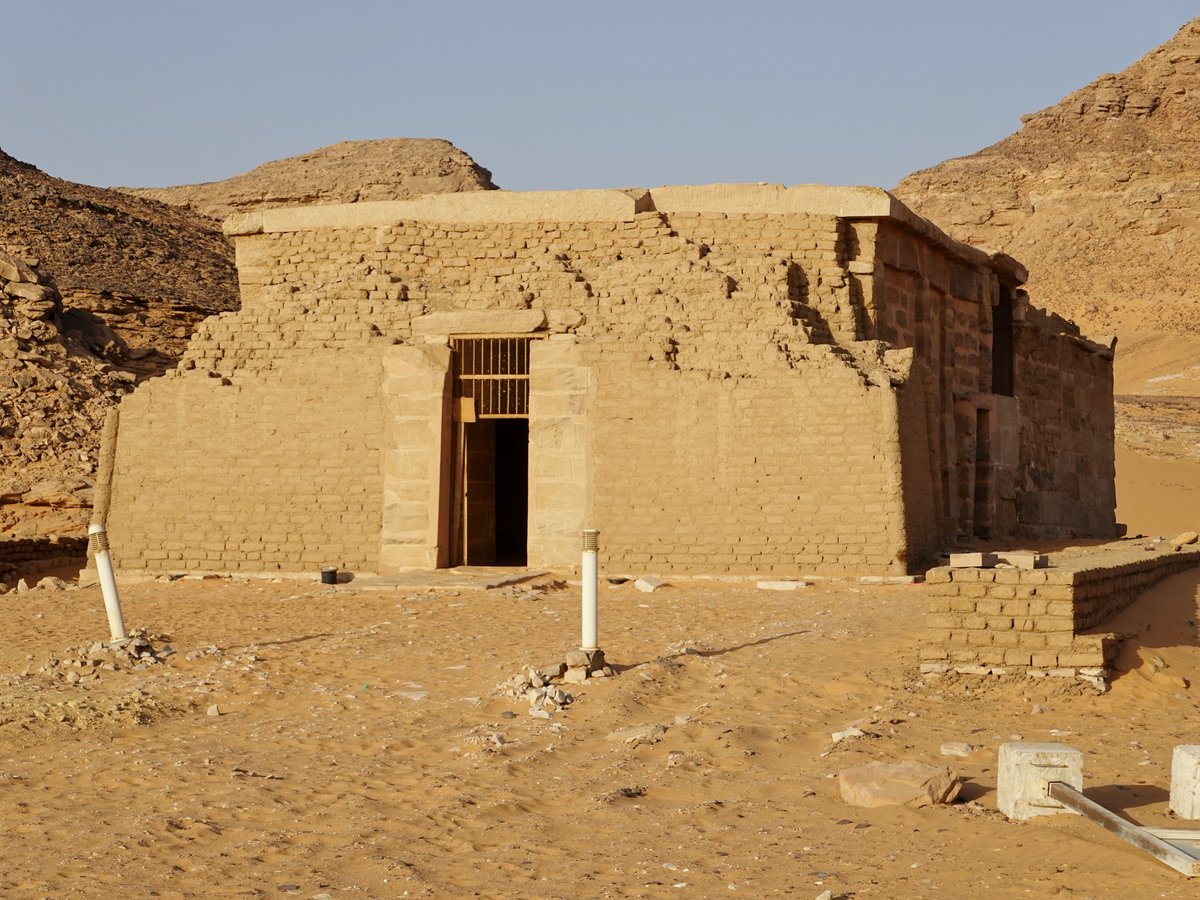
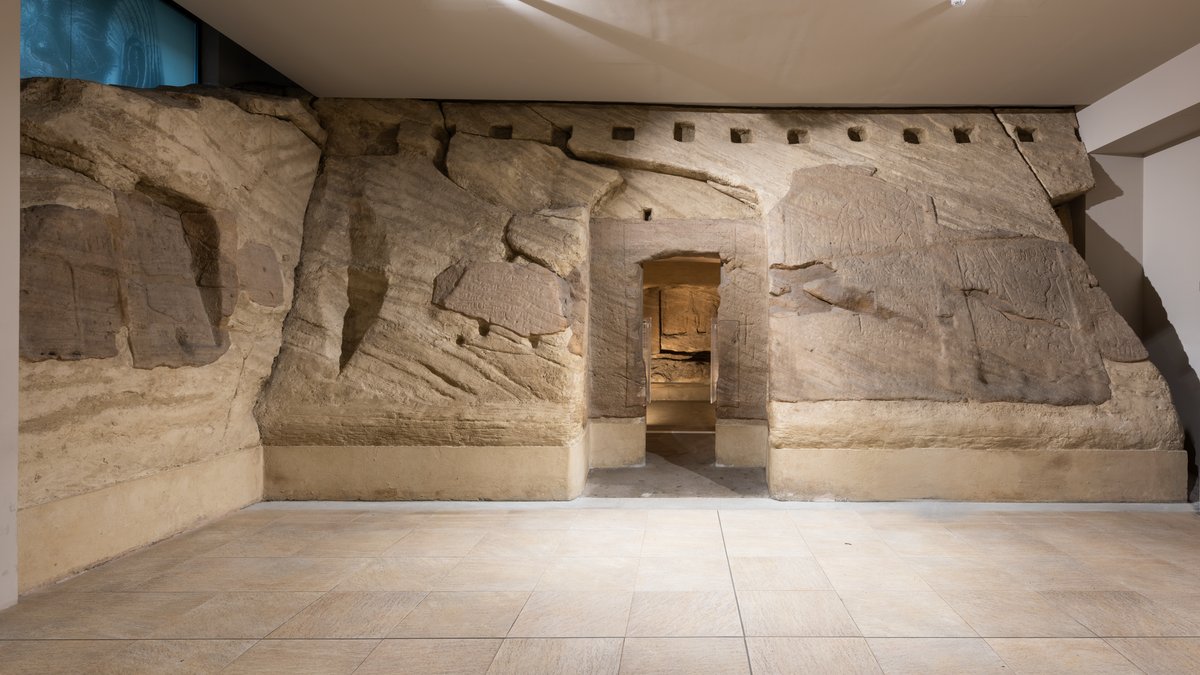
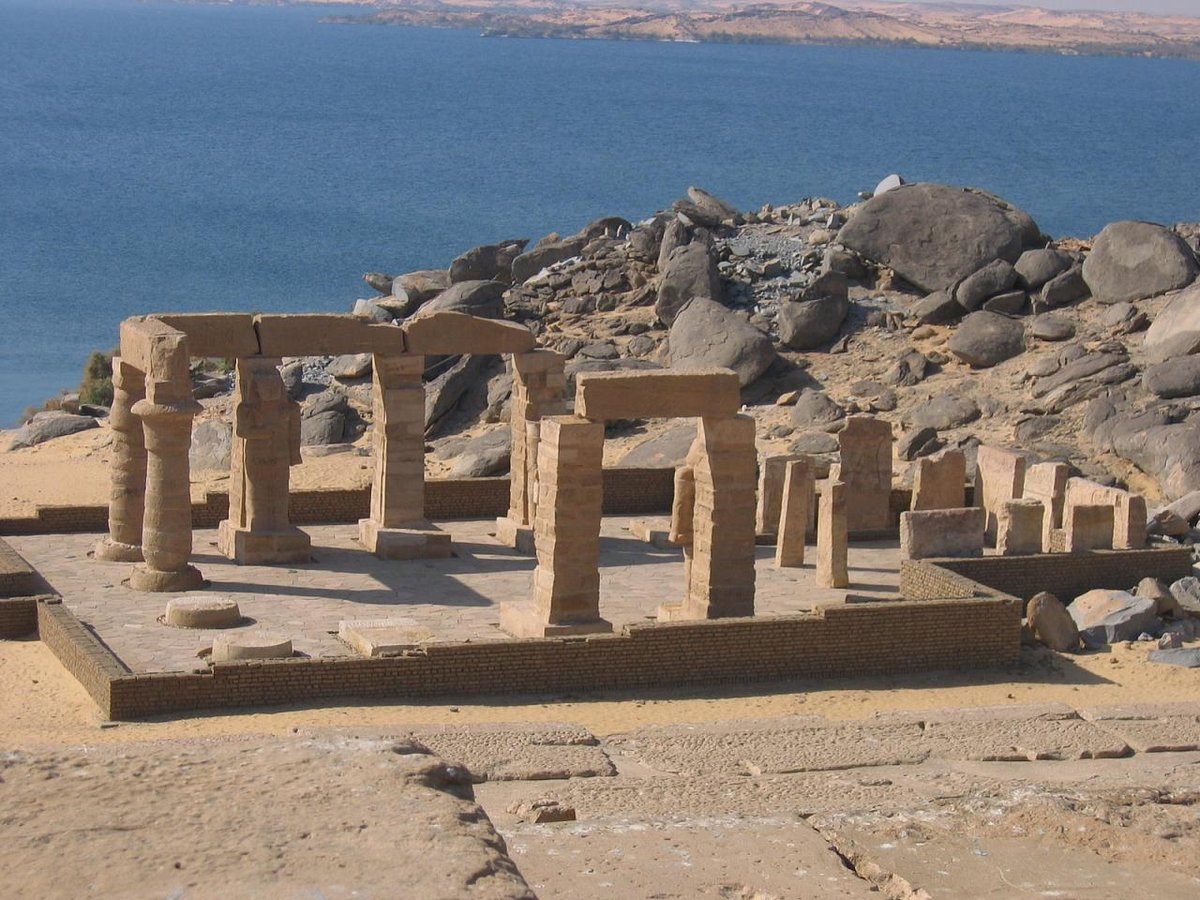
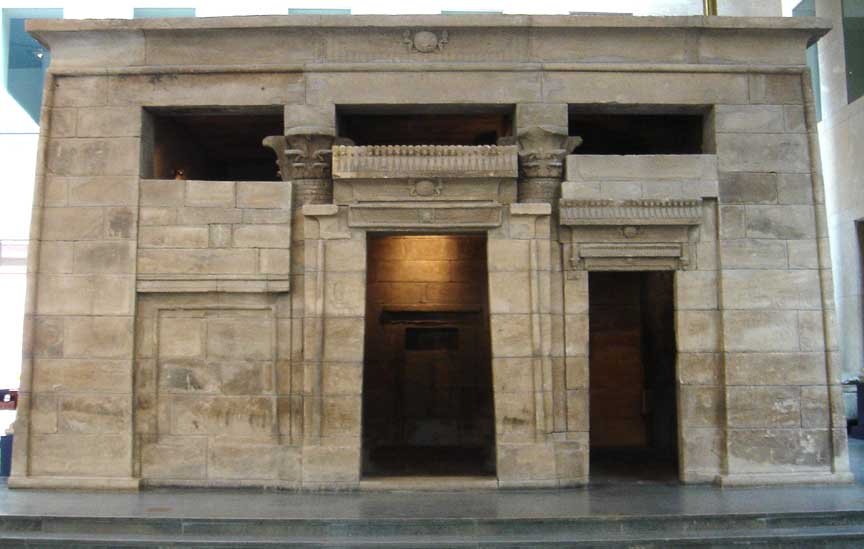
Amenhotep III's temple first consisted of a rock-cut sanctuary, a brick-built pylon, a court and a hall. Initially, it was dedicated to a local Nubian form of Horus, but later alterations were made to dedicate it to Amun. During the Amarna period, images of Amun were damaged, but Ramesses II repaired and extended Amenhotep III's temple by building structures in front of the pylon.
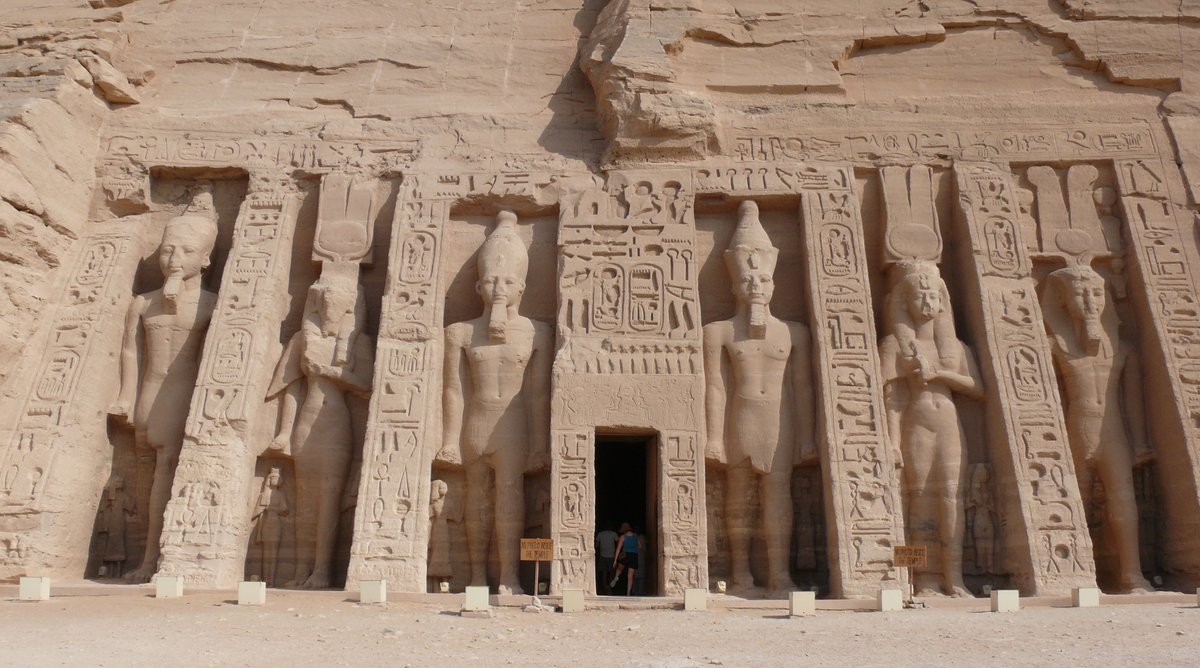
Further along, Ramesses II built 'The Temple of Ri'amesse-meryamun [Ramesses II] in the Domain of Amun', approximately 150 meters northeast of Amenhotep III's temple. This second temple was the third sanctuary or chapel built with rock and forecourt constructed with stone by Ramesses II in Nubia. It was built in a rough Nubian style and served as a quay or resting place for boats during their descent of the Nile.
Sources: Wikipedia, OpenStreetMap, Wikidata, Wikimedia Commons
Written by Mutabor
Discuss this with the author and others
No comments yet. Be the first to start the conversation.