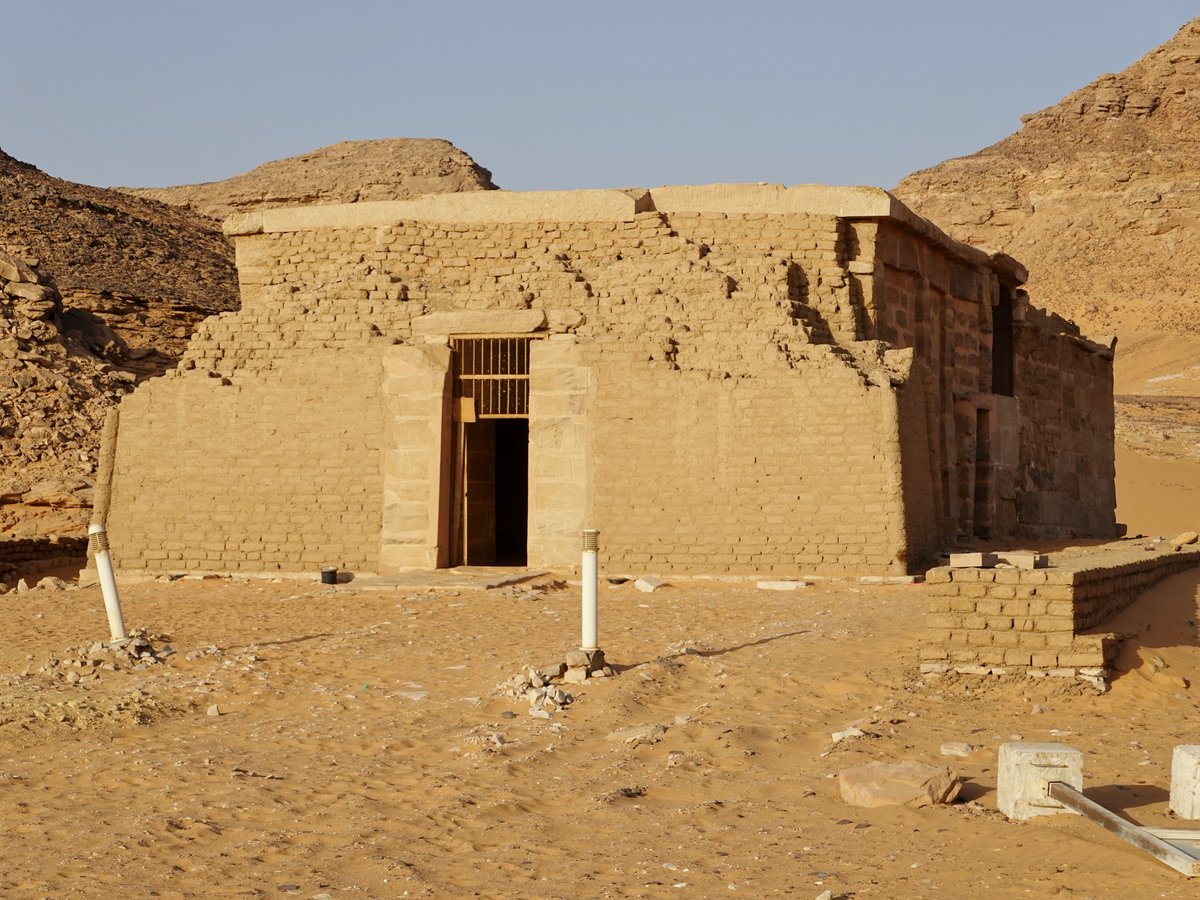

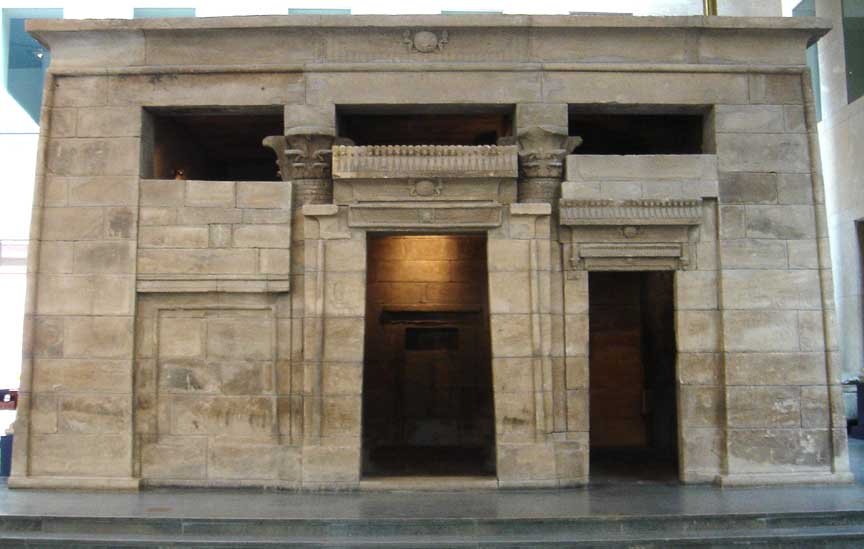
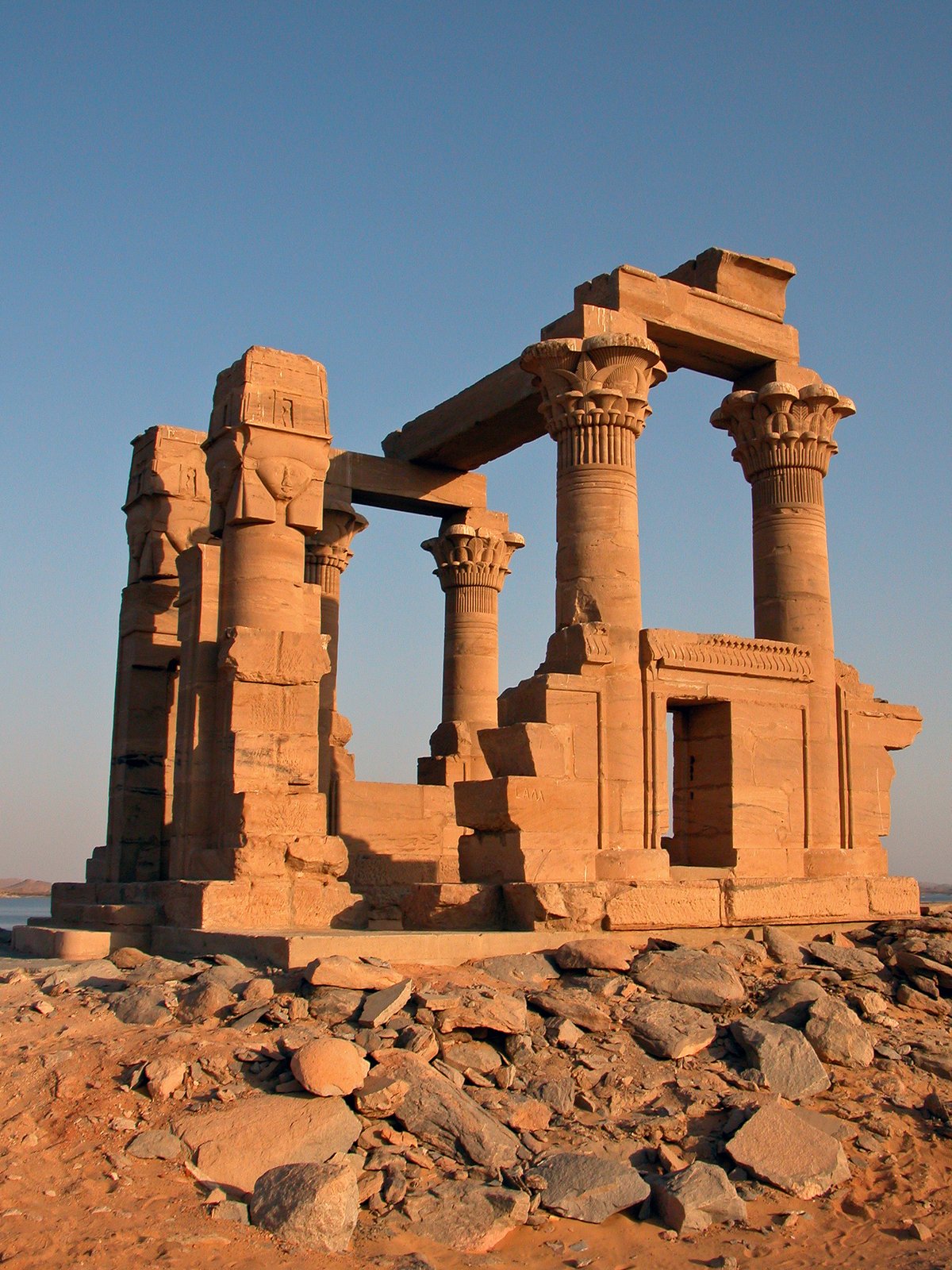
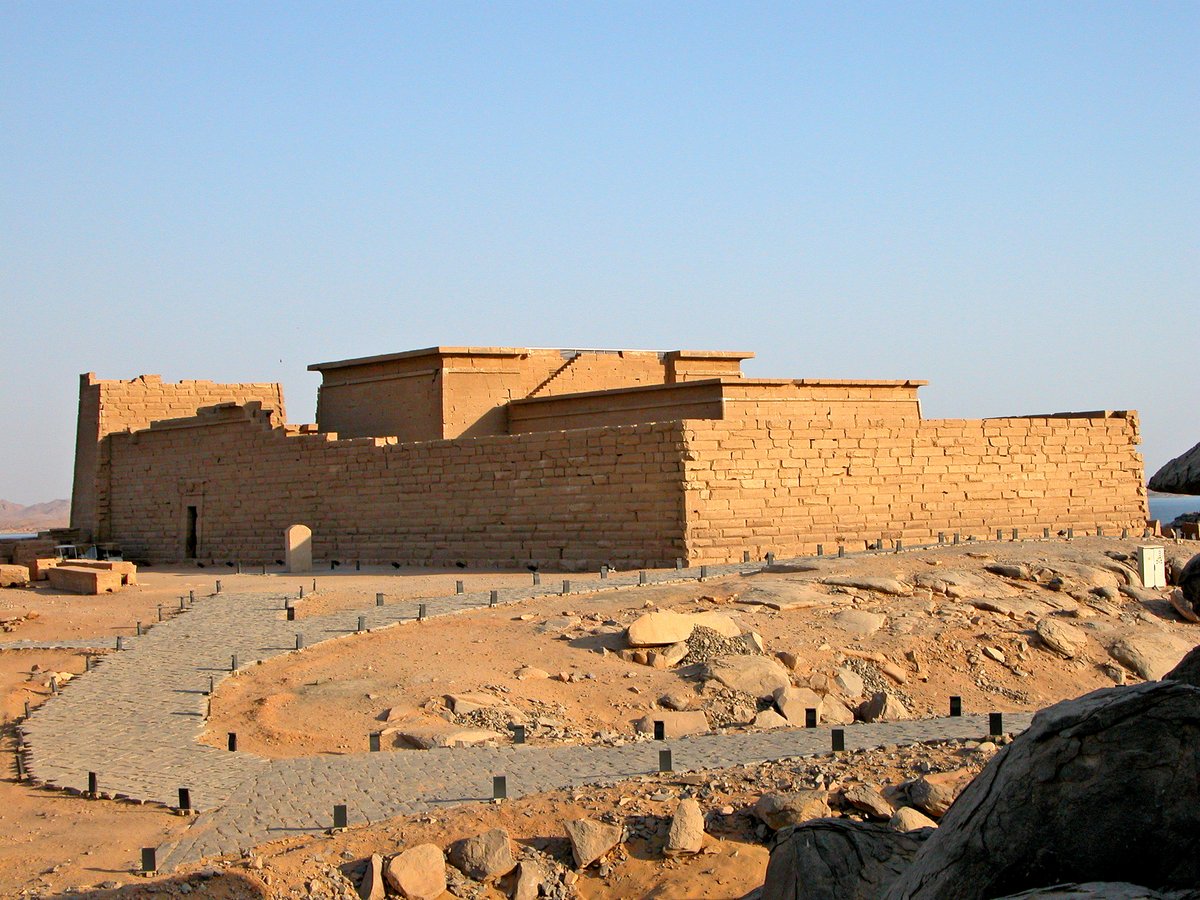
The Temple of Amada was constructed during the 18th Dynasty (c. 1550–1295 BC) by Pharaoh Thutmose III. Dedicated to Amun-Ra and Horakhty-Ra, the structure saw contributions from three generations of builders, including Amenhotep II and Thutmose IV. While various pharaohs like Seti I and Ramesses II added to its decorations, the temple was eventually converted into a church during the medieval period. To protect the ancient art from being destroyed by the rising waters of Lake Nasser, a massive salvage operation was launched in the 1960s.
Because the finely cut and vibrantly coloured wall reliefs were too delicate to be disassembled into pieces, engineers devised a method to move the structure as a whole. The façade was dismantled by the Egyptian Antiquities Service, while French engineers braced the rest of the temple with steel bands and four massive horizontal concrete beams. The temple was then cut free from the rocky ground and moved on three railroad tracks.
Traveling at a few feet a day, the sandstone structure spent 16 months being pushed by double-action jacks and high-pressure hydraulic pumps. By 1965, it was moved 2.6 kilometres away to a new site called New Amada, located on a cliff overlooking the lake. In 1979, the temple was inscribed on the UNESCO World Heritage List to preserve its history for future generations.
Sources: Wikipedia, OpenStreetMap, Wikidata, Wikimedia Commons

Written by Mutabor
Discuss this with the author and others
No comments yet. Be the first to start the conversation.