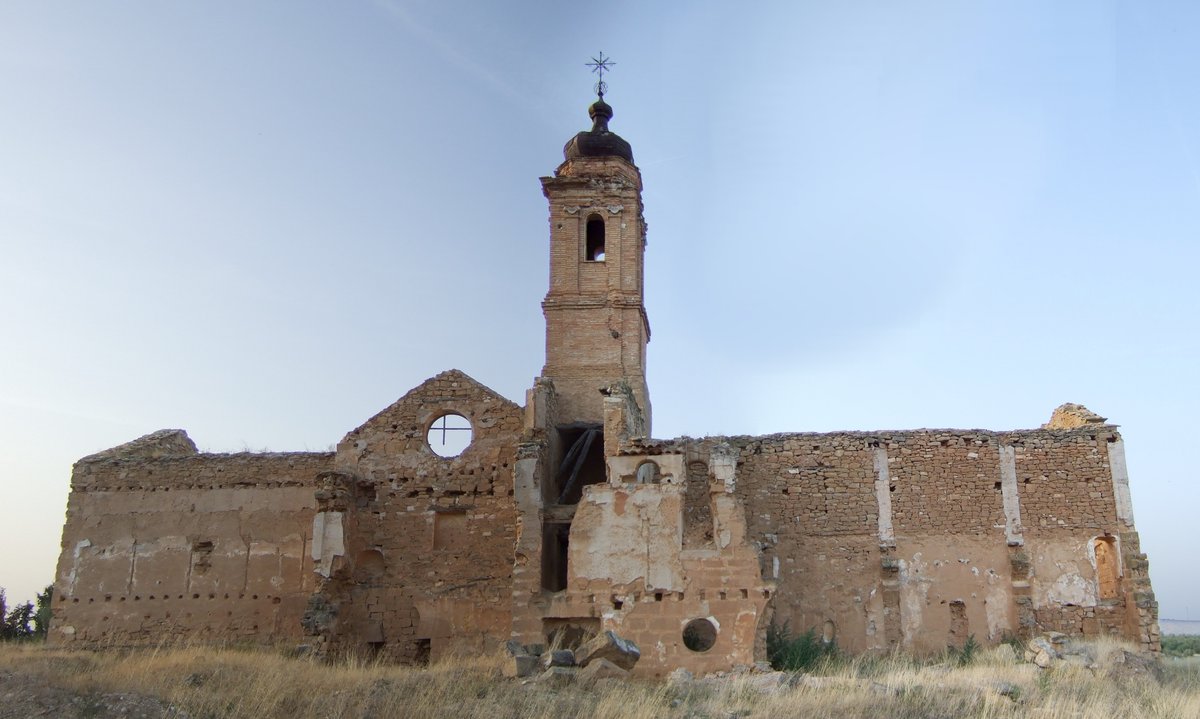

The Monasterio de Santa María de la Trapa de Santa Susana, known locally as Trapa de Santa Susana or La Trapa, is a parish church and a former monastery located on a road north of Maella in Aragon, Spain. Originally established by Benedictine monks in the 6th century, the monastery underwent several changes. It was rebuilt with the help of the Order of Calatrava in its early years, and was later given to the Cistercians. During the time of the French Revolution, French Trappist monks took control and a thriving Trappist community was established. However, despite these changes, the monastery is known by one constant name: Trapa de Santa Susana, or the ruins of Saint Susanna. According to local tradition, the monastery was named after Saint Susanna, known locally as 'Virgen de Levante', the 'Levantine Virgin'.
Sources: Wikipedia, OpenStreetMap, Wikidata, Wikimedia Commons
Written by Nik Frost
Discuss this with the author and others
No comments yet. Be the first to start the conversation.