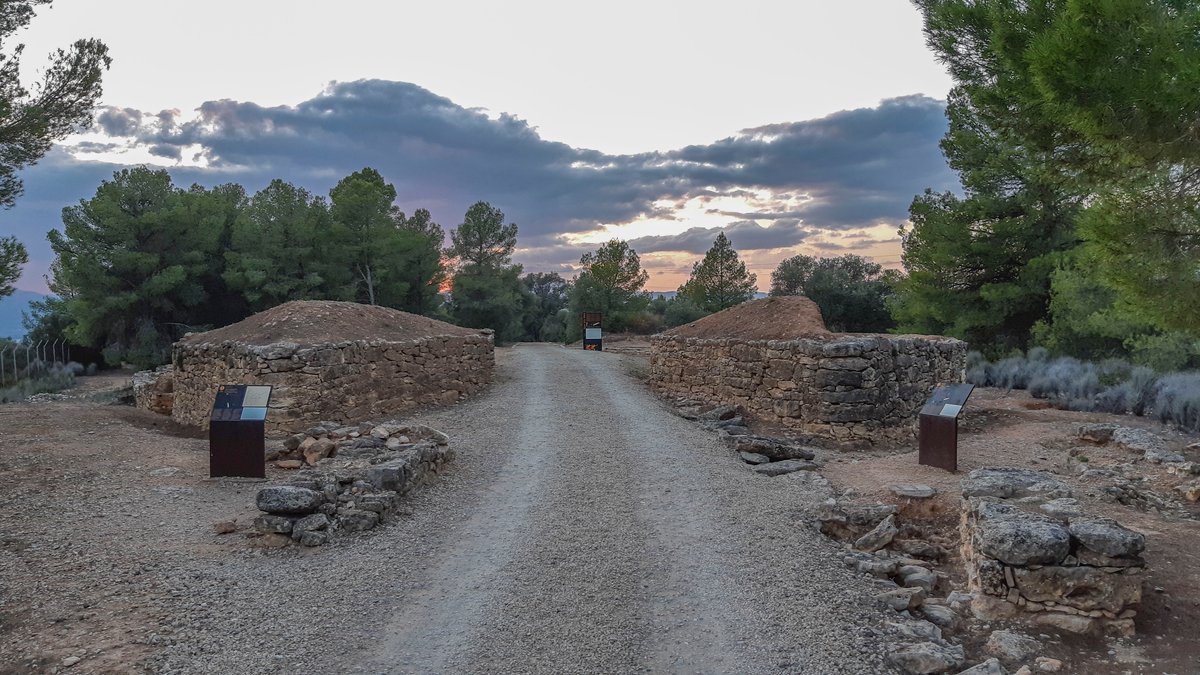

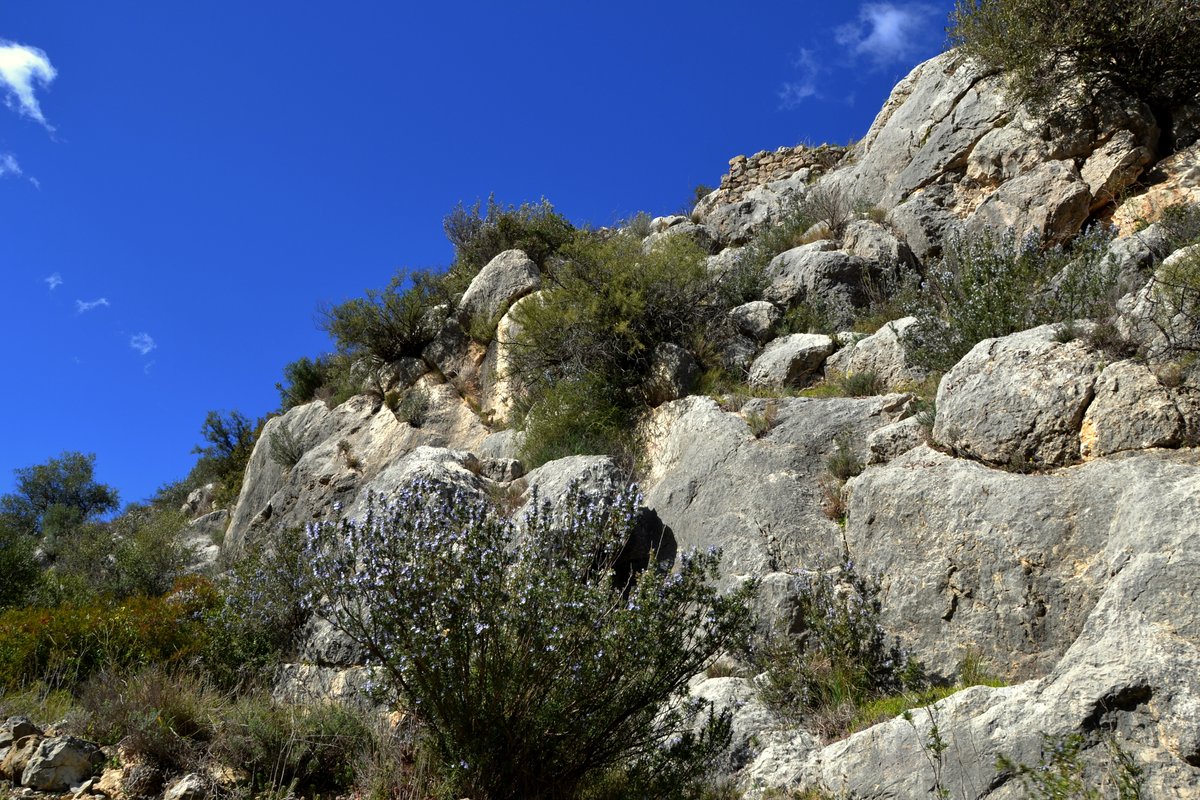
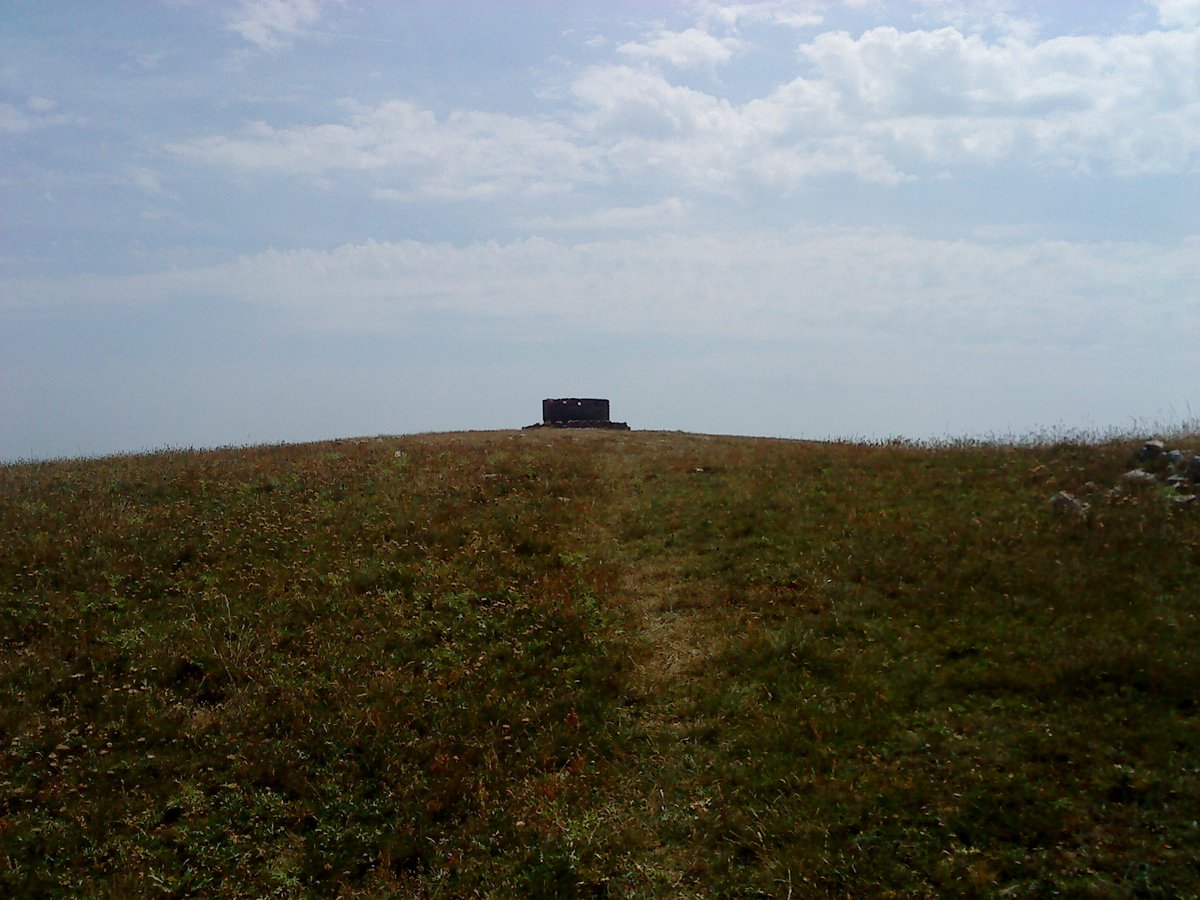
We must look closely at the Castellet de Banyoles to understand its purpose as an ancient Iberian city. Situated on an isosceles triangle of land, the site uses steep cliffs to channel all visitors toward a single, narrow funnel entrance. What captures our attention is the rare use of pentagonal towers, a distinct architectural choice for fortifications across the Iberian Peninsula.
Let us examine the history of this site from the first half of the 4th century BC. The inhabitants oversaw around 7,000 hectares of arable land along the Ebro river. This life came quickly to an end in a generalised destruction produced by a Roman siege, most likely during the campaign of Cato the Elder in 195 BC. Evidence of a Roman camp has been identified outside the walled enclosure.
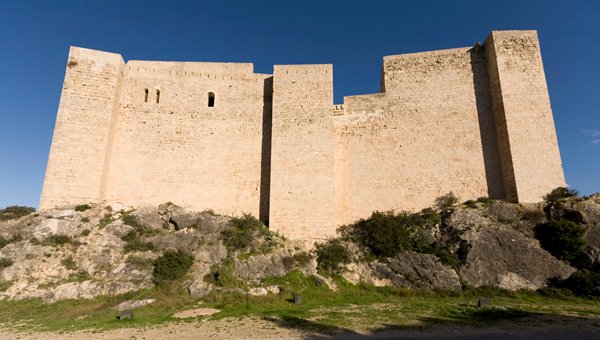
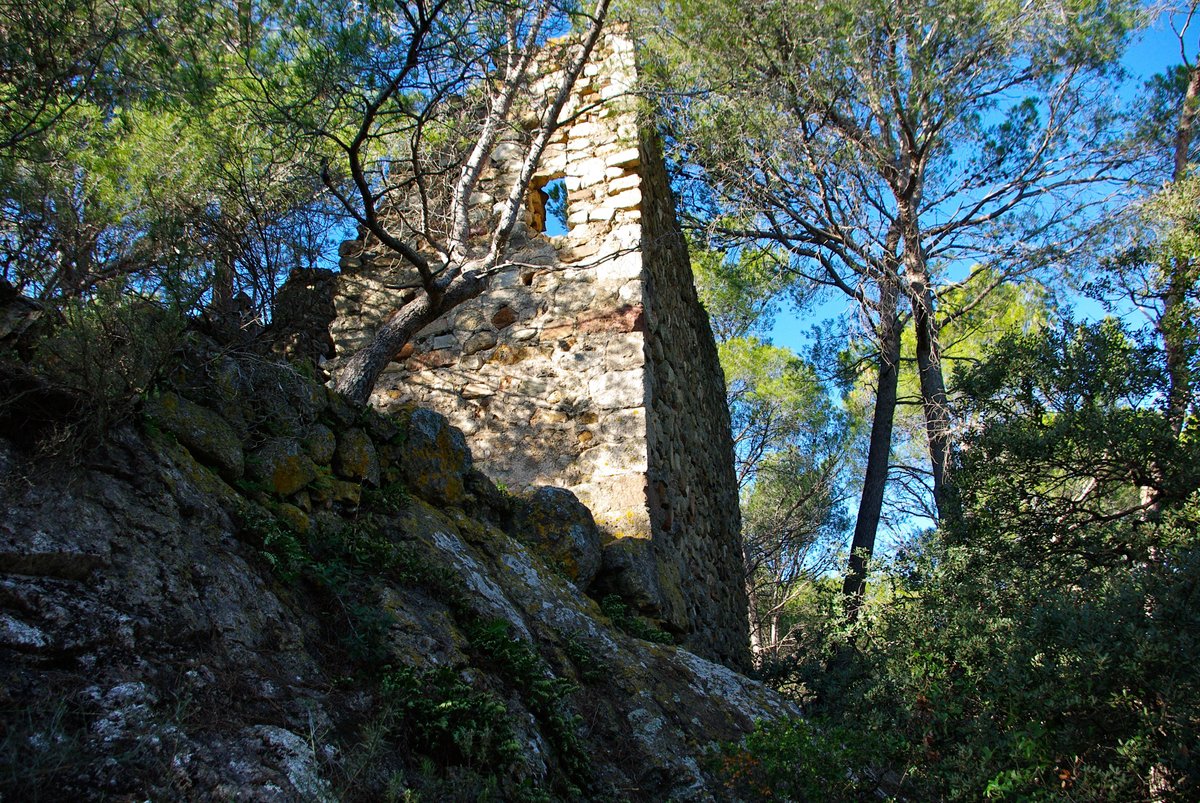
We can trace the current name back to a much later period. During the 12th century, a small castle rose in the southwest corner of these ancient ruins. Records from 1153 identify the area as caput de Bannoles, a name potentially related to the surrounding wetlands or an anthroponym. Today, we invite you to explore this archaeological site as a cultural landmark that preserves both the unique Iberian layout and the medieval ruins that followed.
Sources: Wikipedia, OpenStreetMap, Wikidata, Wikimedia Commons
Written by Nik Frost
Discuss this with the author and others
No comments yet. Be the first to start the conversation.