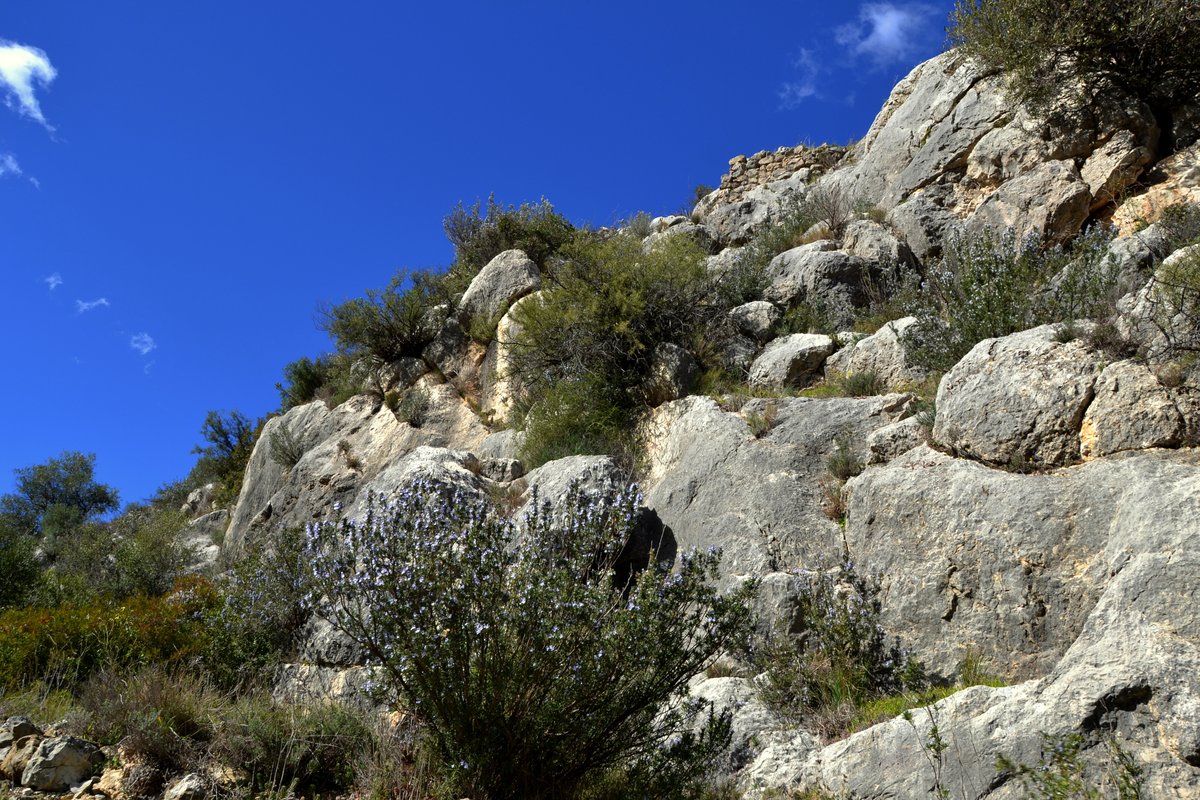

Nestled atop the Coll del Ventall, a hill in western Spain, the remains of an Arab castle lie hidden beneath the ermita de Sant Blai, a tranquil small church framed by centuries-old oaks. The ermita, a separate structure from the castle, is said to be a picturesque place of worship, but the castle beneath it keeps a secret from a millennium past. It was the spectacle that visitors of the 12th century would have beheld if they looked up from the battlefield, their eyes drawn by the castle’s expansive vista.
The castle’s history is documented in 1174, its walls maintaining a wide domain encompassing territories from Garcia to Miravet, and stretching across the Terralta to the Priorat. This conflict was a significant and protracted one between the Christian monarchies of Aragon and Castile, and the Muslim ones of Granada and Zaragoza. For five years, the armies camped at the foot of the castle, and the fields surrounding Tivissa were transformed into massive combat encampments.
Today, the castle remains deserted amongst the foliage. Even the peaceful ermita is bereft of life. Only the base remains, constructed from irregular stones and mortar. The base measures 9 m x 5 m, and the wall has a thickness of 2 m.
Sources: Wikipedia, OpenStreetMap, Wikidata, Wikimedia Commons
Written by Nik Frost
Discuss this with the author and others
No comments yet. Be the first to start the conversation.