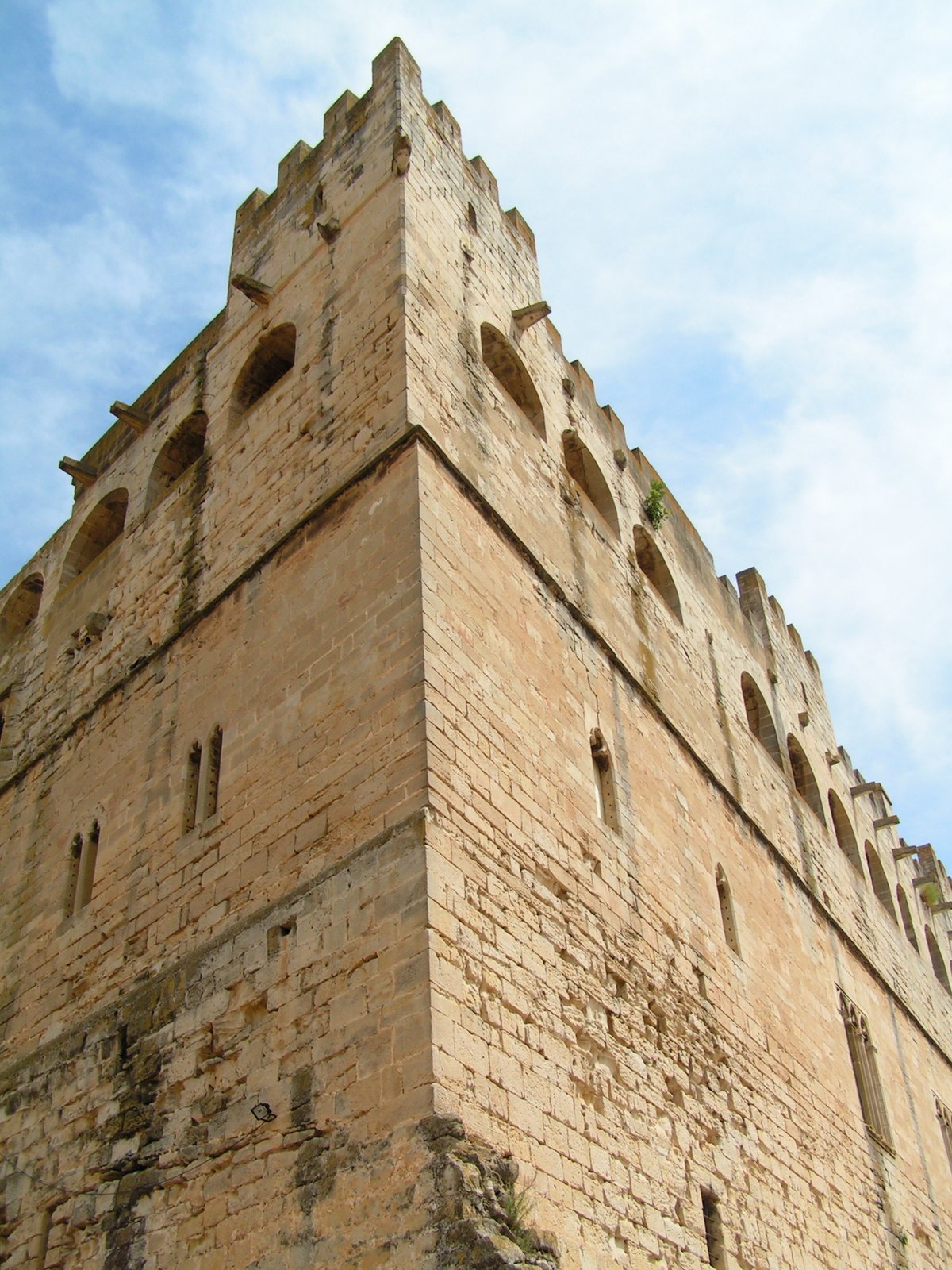

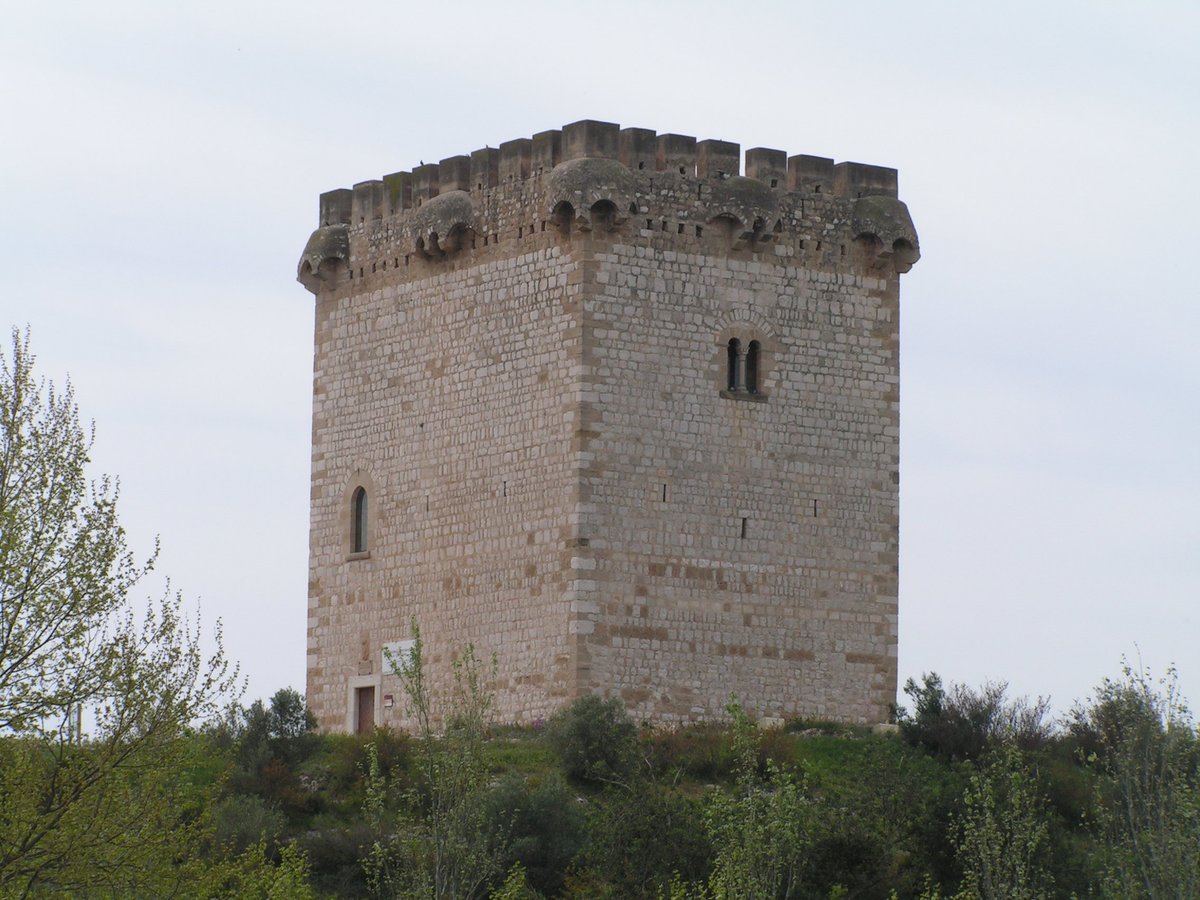
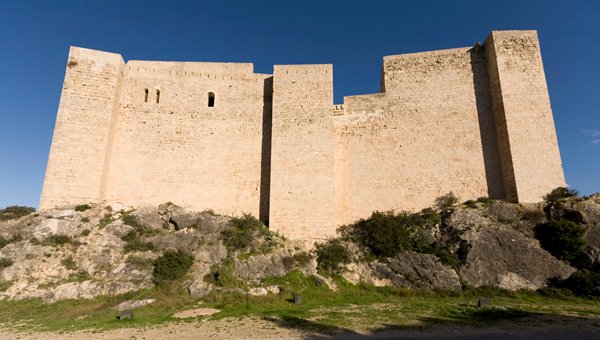
The core identity of the Castillo of Valderrobres lies in its unique integration with a natural rock formation. This geological feature remains visible even as the second floor rises around it. Though the site began as a defensive tower in the 12th century, it eventually transitioned from a military stronghold into a domestic space. The bishops of Zaragoza spearheaded this change, evolving the outpost into a vast episcopal palace.
Historical records show that the transformation of the tower into a residence began in the late 14th century. The building was reconstructed and expanded across the lower level and the first floor, with personal heraldic shields left in the rooms. During the 15th century, Dalmau de Mur was responsible for the reconstruction of the second floor and the upper part of the castle, creating a building with a more palatial than military appearance.
Visitors can still explore the practical rooms of a medieval home, such as the kitchens, stables, and the Sala de las Cortes. The limestone walls feature remaining arches and windows, while the upper floor presents a gallery of wide semicircular arches. After the structure suffered ruin during the 17th century, a dedicated restoration between 1982 and 1983 recovered the vaults and floors. Now, the palace serves as a cultural hub for music, congresses, and exhibitions.
Sources: Wikipedia, OpenStreetMap, Wikidata, Wikimedia Commons
Written by Nik Frost
Discuss this with the author and others
No comments yet. Be the first to start the conversation.