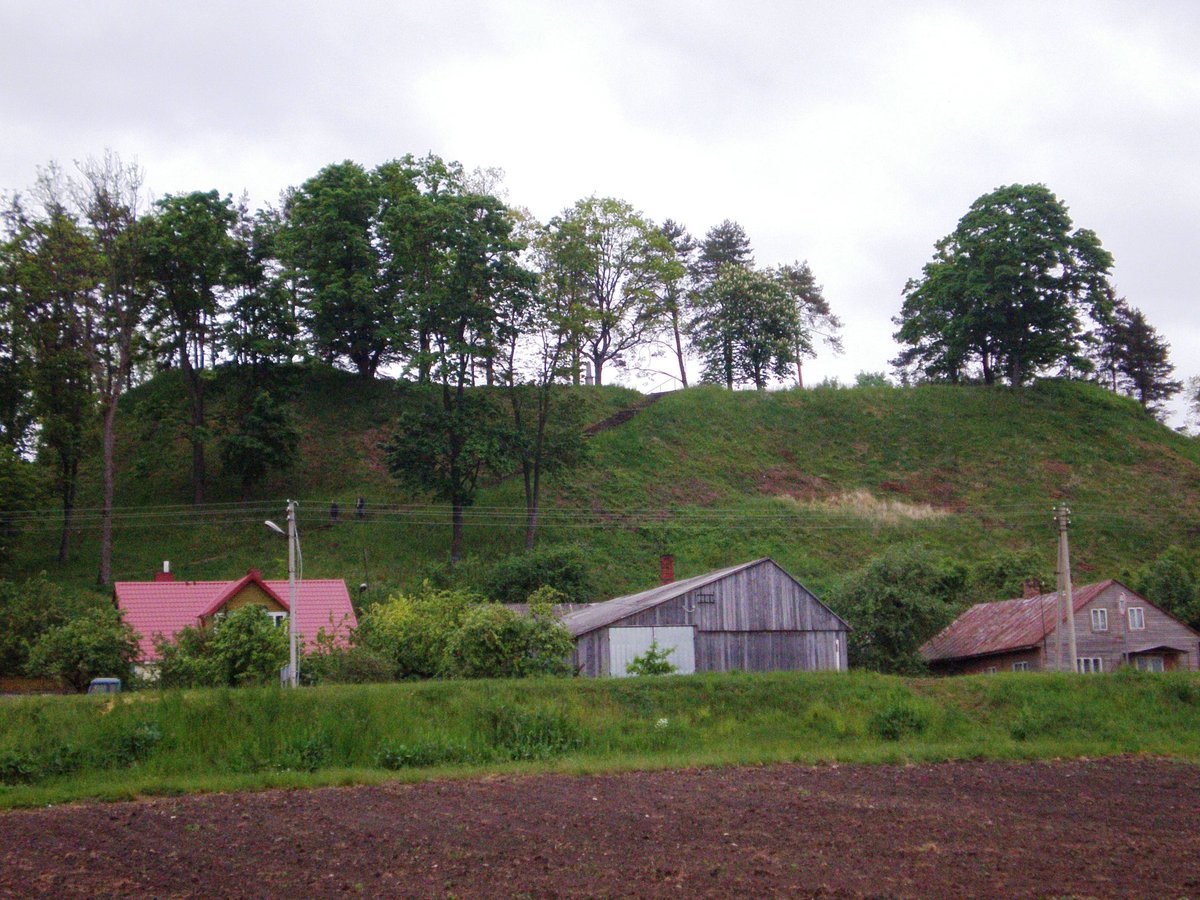

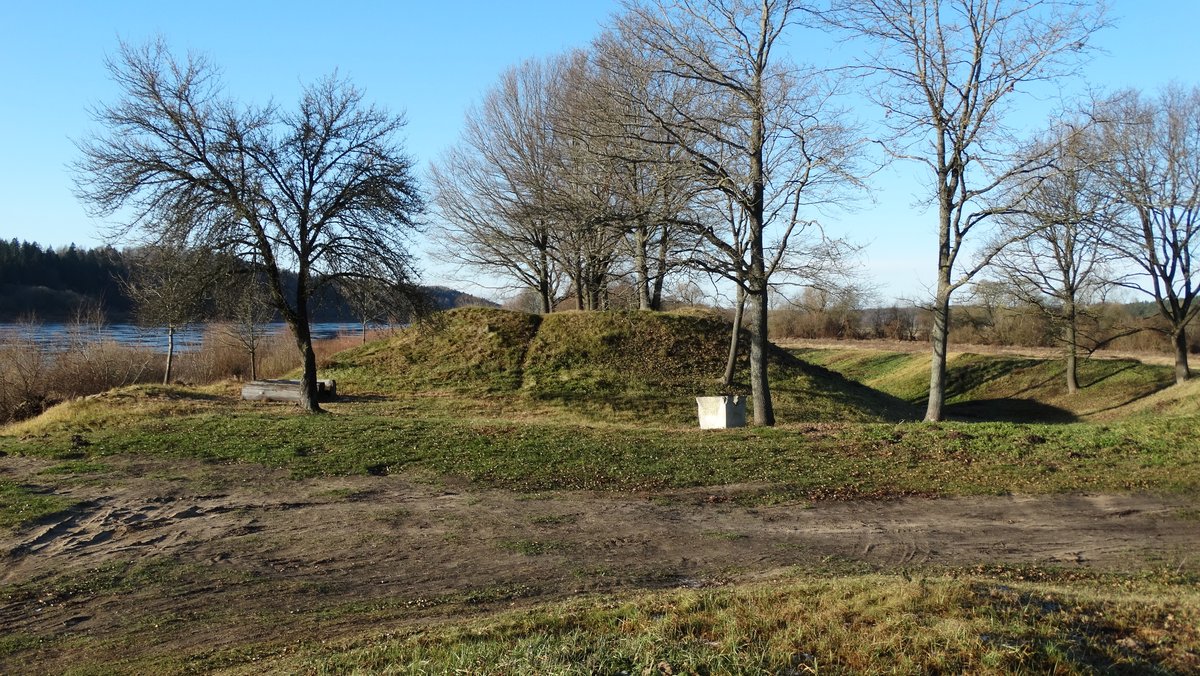
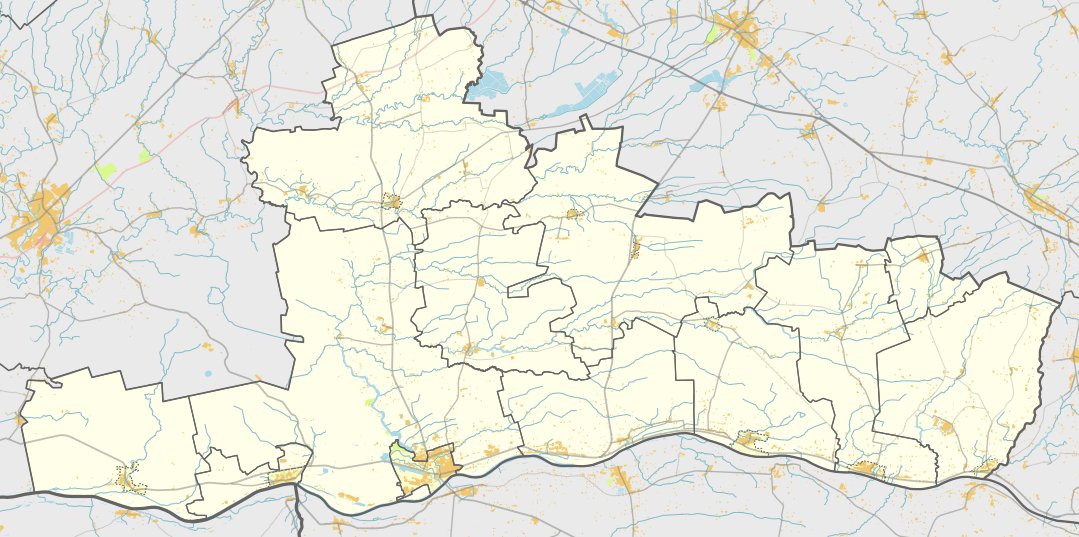
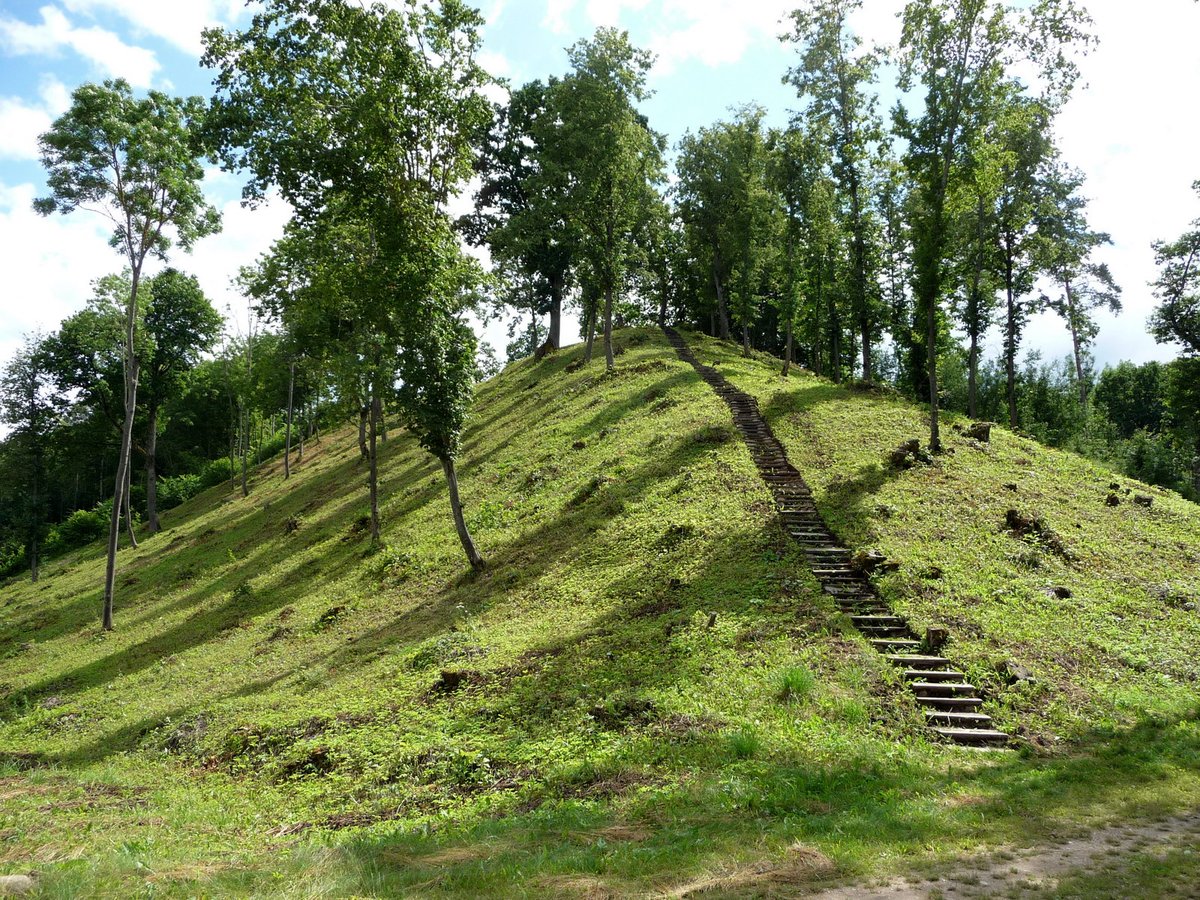
Veliuonos I hillfort, also known as Gedimino kapas, is the place where tradition says the Grand Duke of Lithuania, Gediminas, died. Nearby lies a different part of the complex: Veliuonos II hillfort, situated about 2.65 km to the west. Archaeologists believe a castle of two buildings stood here in 1337 to block Veliuona castle, but it was soon captured and burned.
Between 1291 and 1367, the castle at Veliuona underwent a cycle of destruction and rebuilding. It was attacked many times, with its wooden fortifications being burned repeatedly in the 1290s. After being burned again in 1348, the Lithuanians restored the castle in 1349. It was attacked again in 1363 by Master Vinrichas, who took it and burned it, but the castle was restored a third time in 1411.
This 1411 restoration took place on the site of the previous Ramybės Kalnas hillfort and served as a site for diplomatic meetings between Vytautas and King Jogaila with representatives of the Order. During these meetings, the Peace of Melno was ratified, a treaty that shaped the western borders of Lithuania.
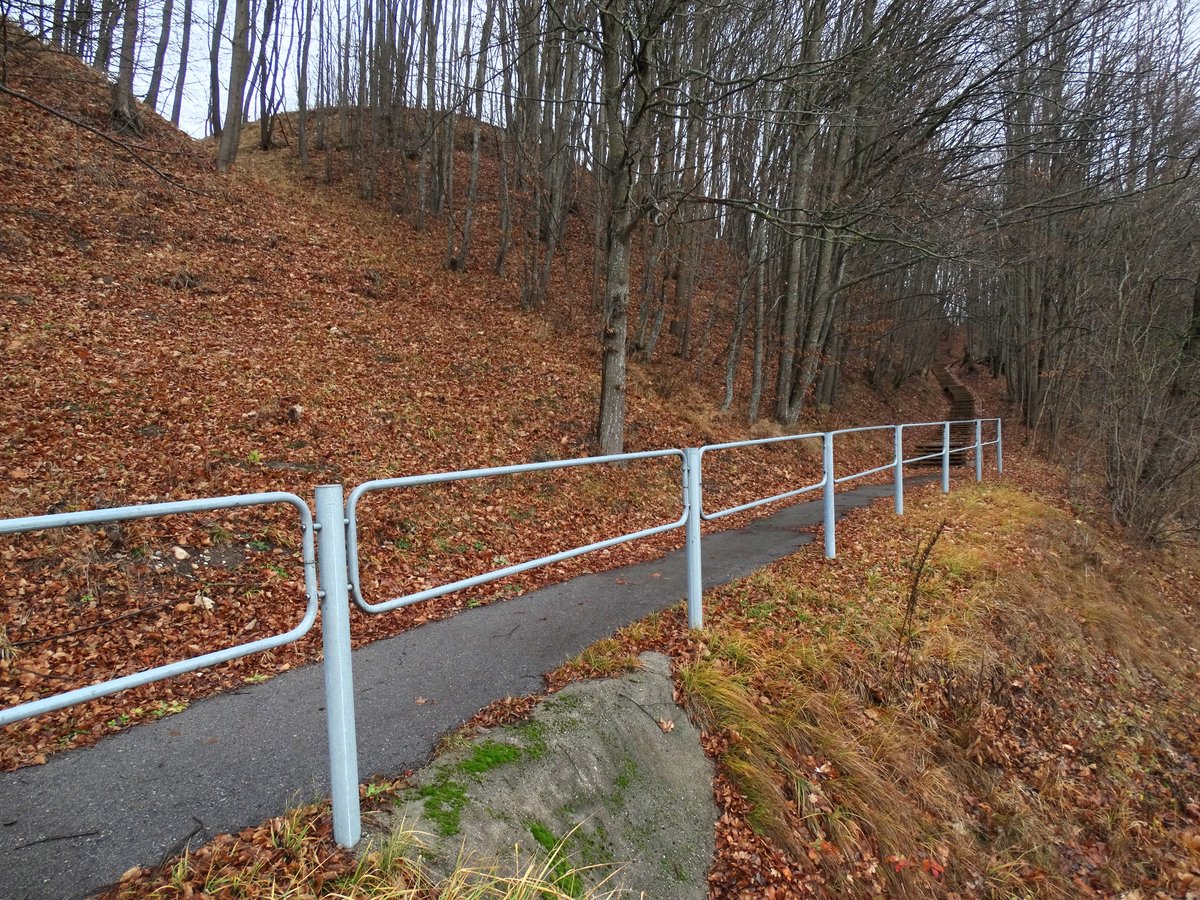
In August 1367, when Master Vinrichas appeared with an army near the castle, the defenders burned it down themselves as they retreated. Today, the complex remains as an archaeological site, featuring a 30-meter slope leading down to the Nemunas river valley.
Sources: Wikipedia, OpenStreetMap, Wikidata, Wikimedia Commons
Written by Nicolo Ciampini
Discuss this with the author and others
No comments yet. Be the first to start the conversation.